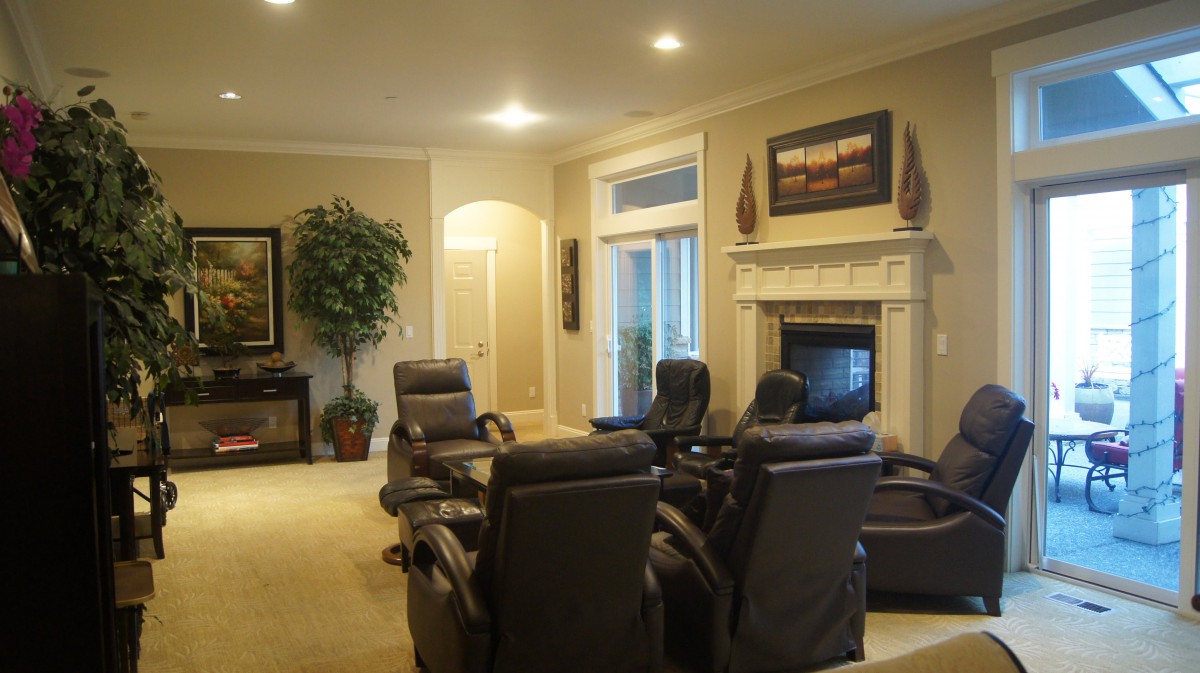
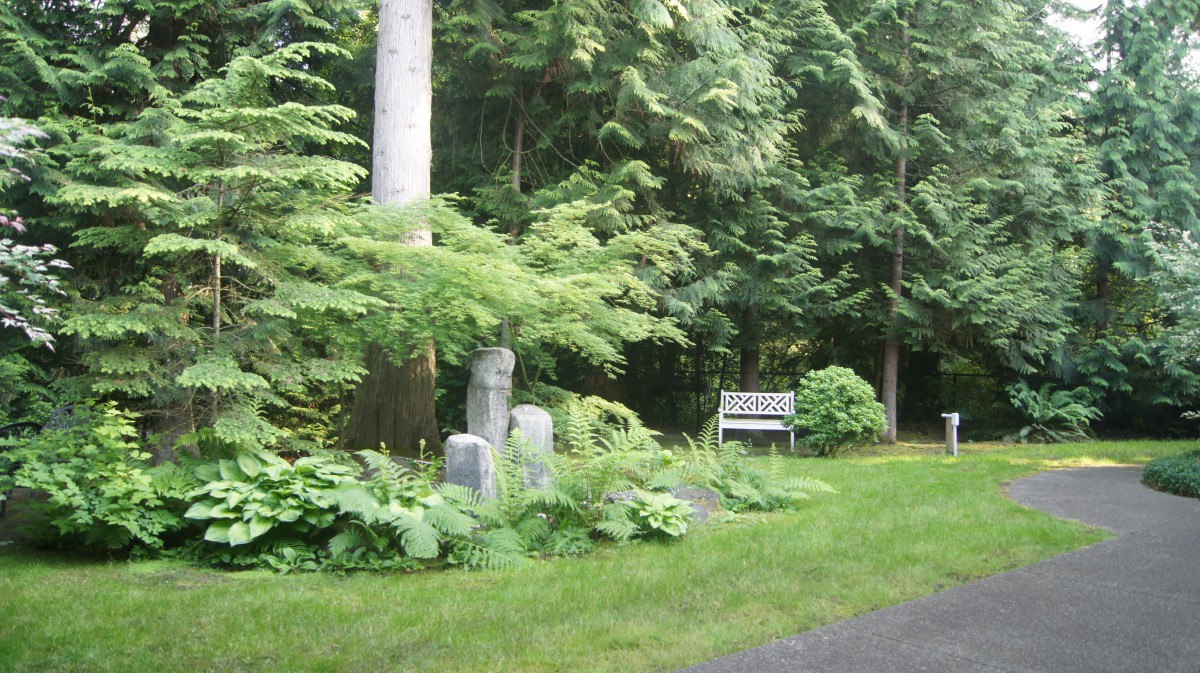
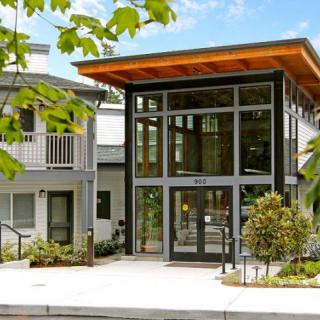
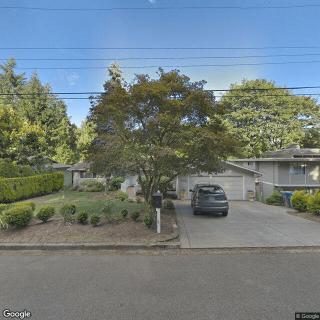
12963 Bel Red Road, Bellevue, WA 98005
To contact a resident: (425) 452-2990
For more information about senior living options: (866) 208-4318
AssureCare Adult Home Costs & Pricing
AssureCare Adult Home offers competitive pricing for its services, with both private and semi-private room options priced at $7,500 per month. This rate is significantly higher than the average costs in King County, which stand at $5,034 for a private room and $4,430 for a semi-private room. Similarly, statewide averages reflect lower costs as well, with private rooms averaging $4,772 and semi-private rooms at $4,267 across Washington. While AssureCare's rates are markedly above local and state benchmarks, they may reflect enhanced amenities or specialized care that could justify the investment for prospective residents seeking quality adult living arrangements.
| Floor plans | AssureCare Adult Home | King County | Washington |
|---|---|---|---|
| Private | $7,500 | $5,034 | $4,774 |
| Semi-Private | $7,500 | $4,430 | $4,272 |
Memory care communities with a similar price nearby
-
from -$1000 / mo
The Promised Land
$6,500 / month11.4 miles away -
from +$400 / mo
Caring Cabin Manager, LLC
$7,900 to $9,000 / month11.3 miles away -
About the same
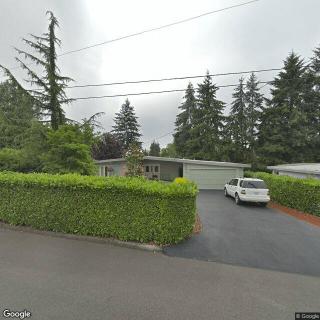
Lake Hills AFH, LLC
$7,500 / month2.5 miles away -
from -$600 / mo
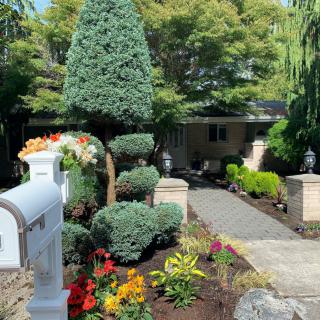
Legends Living Care
$6,900 to $7,500 / month16.7 miles away -
from -$500 / mo
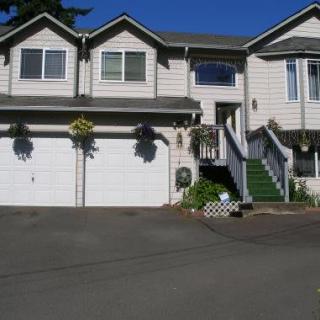
Victoria 1 Adult Family Home
$7,000 to $8,000 / month9.3 miles away
Overall Review of AssureCare Adult Home
Pros
 The tour experience with AssureCare Adult Home was great.
- The staff and management were impressive.
- The reviewer is happy with the care at this community for their father.
- The community is clean, and it offers homemade meals.
- The community provides activities for residents who are able to participate.
- The reviewer would recommend this community for homelike care and value for a loved one.
Cons
 It was not as inclusive as the facility they ended up choosing during the tour.
- They did not really get to interact with any of the residents.
- The home is not adequately staffed or trained to provide compassionate care for individuals with dementia.
- The family's experience has unfortunately been quite negative.
Review
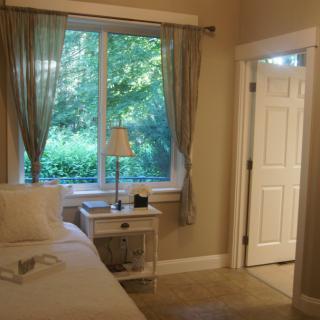
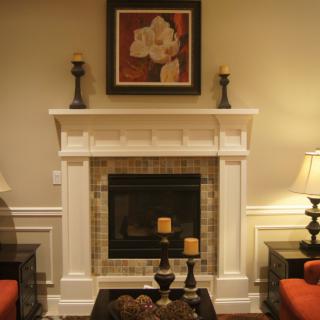
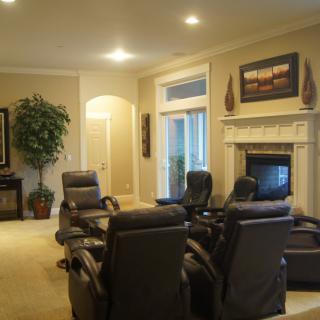
AssureCare Adult Home in Bellevue is best suited for seniors who want a small, home-like setting with attentive staff, clean surroundings, and home-cooked meals. The place seems to cradle residents in a domestic atmosphere where daily routines feel manageable and predictable. This makes it a good fit for families prioritizing a calm, uncomplicated environment over high-intensity programming. Residents who are largely independent or in the early stages of memory concerns, who value a hands-on, personable staff, and a kitchen that emphasizes wholesome, homemade meals will likely appreciate the ambiance and daily rhythm here.
Those weighing alternatives should be mindful of memory-care needs and the desire for broad social engagement. If a loved one requires robust dementia-specific care, more staff supervision, or a facility with a clearly defined memory-care program, other communities may deliver more consistent coverage and specialized training. Similarly, families seeking a highly social environment with stronger interaction across residents, where inclusivity and activity diversity are central, may want to look at larger assisted-living offerings. In short, memory-care intensity and social breadth are critical axes where this community may fall short for some.
The strongest points in favor of AssureCare lie in the fundamentals: a personable team and capable management that leave a positive impression during tours, a clean facility, and a kitchen that produces homemade meals. Activities are available for residents who can participate, contributing to routine and a sense of normalcy. For families seeking a “home-feeling” approach to care, where life feels familiar and personal attention is tangible, these attributes align well with expectations. When these strengths are paired with a reasonable value proposition, they can deliver a satisfying baseline care experience for non-dementia needs or early-stage conditions.
However, the most consequential drawbacks come into sharper relief for anyone considering dementia care or seeking a consistently social, inclusive environment. One review raises a red flag about staffing and training for individuals with dementia, suggesting the home is not adequately prepared to provide compassionate, specialized care for that population. That concern is echoed by the cautionary note that a relative’s placement here would have been risky, despite optimistic online claims. Additionally, a tour that did not allow for meaningful interaction with residents hints at potential gaps in resident engagement and day-to-day social life, which can matter greatly for overall well-being.
In practical terms, these pros offset certain expectations only if the resident’s needs align with a basic, home-like caregiving level rather than specialized dementia support. For families prioritizing clean environments, warm meals, and predictable routines, AssureCare can deliver comfort and continuity. Yet the cons are not easily eclipsed for those with memory-care requirements or a push toward a highly social community. Prospective residents or their decision-makers should press for concrete answers on dementia staffing, caregiver training, and the specific activities and social opportunities available to residents at all levels of ability.
The bottom-line guidance is clear: match expectations to the reality on the ground. If memory-care needs are present or imminent, or if a highly inclusive, activity-rich social setting is non-negotiable, this Bellevue option may not be the optimal choice and alternative communities with stronger dementia programs and broader resident engagement should be explored. For families whose loved one thrives in a modest, home-like setting with reliable basic care, good meals, and a calm daily rhythm, AssureCare offers a solid, dependable option worth considering, provided there is direct verification of dementia-capable staffing levels and a tour plan that surfaces how residents interact and connect on a daily basis. In the end, it comes down to aligning the resident’s cognitive needs and social expectations with the community’s proven strengths and its explicit assurances around specialized care.
 Board and Care Home
 Memory Care
 Activities on-site
 Bath tubs
 Beautician on-site
 Devotional services on-site
 Indoor common areas
 Outdoor common areas
 Private
 Private bathrooms
 Wheelchair accessible showers
 Seattle-Tacoma International (14 miles away)
 Diabetic care
 High acuity care
 Incontinence care
 Medication management
 Kosher
 Christian services


 Comprehensive Insights on the Late Stages of Dementia: What to Expect and How to Provide Care
 Medications Associated with Dementia Risk: A Comprehensive Overview
 Guiding Your Journey: Understanding Power of Attorney for Elderly Parents