
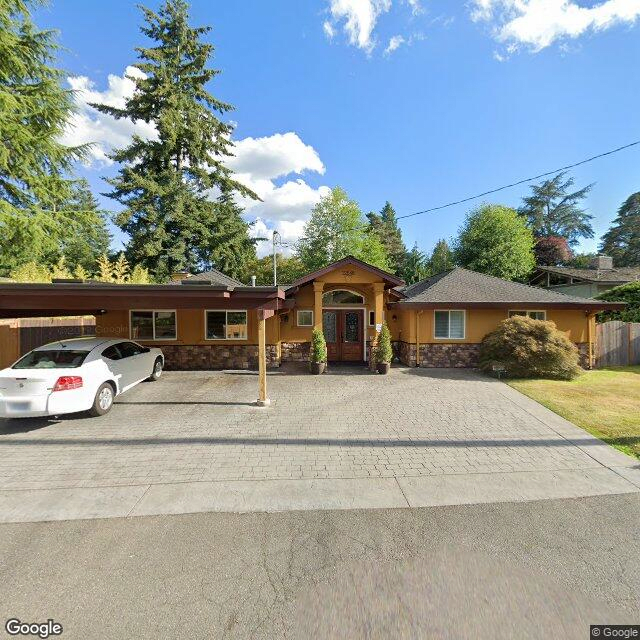
12648 NE 4th Street, Bellevue, WA 98005
To contact a resident: (425) 454-1378
For more information about senior living options: (866) 208-4318
Serenity Care AFH Costs & Pricing
Serenity Care AFH offers competitive pricing for its residential care services, especially when compared to both King County and the broader Washington state averages. For instance, the monthly cost of a semi-private room at Serenity Care AFH is $3,500, significantly lower than the King County average of $4,430 and the state average of $4,267. In terms of one-bedroom accommodations, Serenity Care's rate of $5,500 remains slightly above the King County average of $5,127 but is still more favorable than the state's figure of $4,632. Moreover, for private rooms, Serenity Care's charge of $7,000 stands higher than both regional averages - King County at $5,034 and Washington state at $4,772 - suggesting that while certain options may be pricier, overall residents benefit from a range of choices that cater to various preferences and budgets. This combination positions Serenity Care AFH as an attractive option for those seeking quality care without straining their finances too heavily.
| Floor plans | Serenity Care AFH | King County | Washington |
|---|---|---|---|
| Semi-Private | $3,500 | $4,430 | $4,272 |
| 1 Bedroom | $5,500 | $5,127 | $4,634 |
| Private | $7,000 | $5,034 | $4,774 |
Memory care communities with a similar price nearby
-
About the same
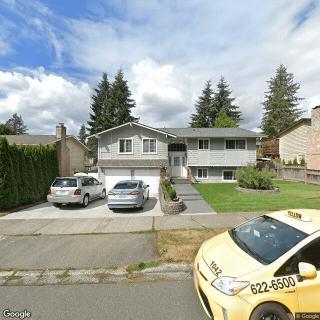
Dignity Life
$3,500 / month15.6 miles away -
from -$125 / mo
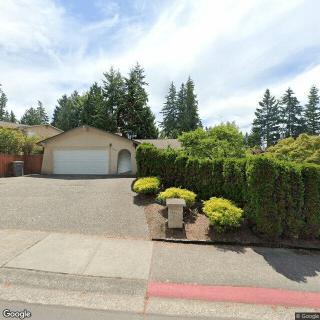
Evergreen Manor Senior Care Inc
$3,375 to $7,500 / month5.6 miles away -
from -$500 / mo
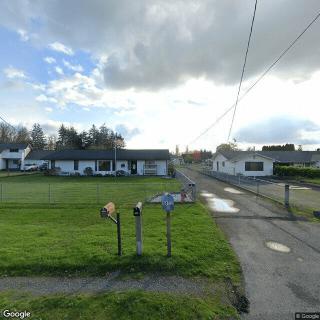
Hummingbird Homecare
$3,000 / month24.6 miles away -
from -$500 / mo
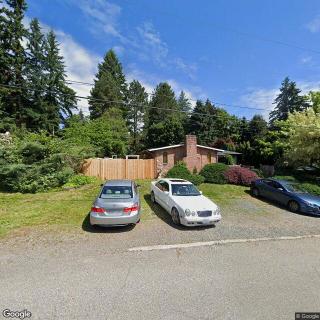
Caring Adult Family Home #1
$3,000 / month10.5 miles away -
from +$500 / mo

Riverton Home Care
$4,000 to $5,000 / month11.1 miles away
Overall Review of Serenity Care AFH
Pros
 The staff are diligent and caring, providing excellent support for residents with diabetes and dementia.
- The staff treat residents like family and coordinate care with families.
- Serenity is a welcoming place to visit and live.
- The community is nice, clean, and well-maintained.
- The meals are very good, and engaging activities are offered.
- Families would recommend Serenity for its good care and value.
Review
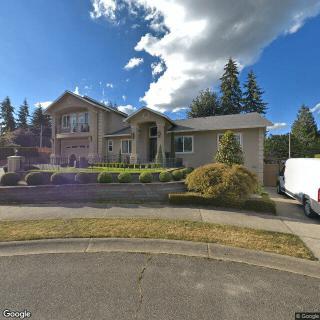
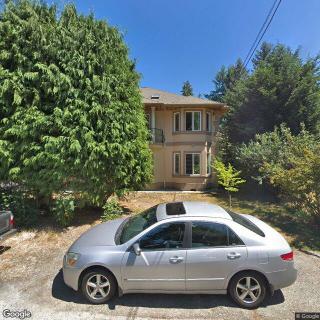
Serenity Care AFH in Bellevue is best suited for families seeking a small, home-like assisted living experience where staff deliver exceptionally attentive, family-style care for residents with chronic conditions such as diabetes and dementia. The strongest fit emerges for those who value a resident environment that genuinely feels like a extended-family setting, where staff actively collaborate with families, coordinate care, and maintain a welcoming atmosphere for visits and daily living. For families prioritizing warmth, direct communication, and practical day-to-day support over a large campus feel, Serenity Care AFH stands out as a reliable choice.
Those weighing alternatives should consider options that offer more intensive medical oversight or a broader, highly structured memory-care program. If a resident requires around-the-clock skilled nursing, highly specialized dementia therapies, or a schedule with expansive social and wellness programming typical of larger communities, a bigger facility or a dedicated memory-care campus may be a better match. For couples or individuals who want extensive clinical services on-site or a more expansive activity calendar with numerous off-site excursions, exploring other configurations could yield advantages.
The core advantages here translate into tangible, practical value. The staff’s approach, viewing residents as family and delivering diligent, compassionate support, creates a stable, reassuring daily rhythm for those managing diabetes or dementia, where consistent care and responsive communication can significantly ease family stress. Families report strong coordination of needs and care plans, which reduces the burden of managing health issues from afar. The environment itself reinforces well-being: clean, well-kept spaces, meals described as very good, and ongoing activities that provide structure and opportunities for social engagement. Such attributes collectively offset the limitations that might accompany a smaller setting by delivering reliability, warmth, and a sense of belonging that is hard to match in larger, more anonymous communities.
Yet the main trade-off to consider lies in the inherent scope of an adult family home. Serenity Care AFH operates with the intimate scale of a smaller community, which can mean fewer on-site specialists, less 24/7 medical staffing, and a narrower menu of formal programs than bigger facilities. For families whose loved ones require intensive clinical management, frequent therapy, or highly specialized memory-care interventions, these gaps could become meaningful. The upside is that when staff are consistently engaged and families are kept in the loop, the “home-like” model often compensates for fewer bells and whistles with steadier daily routines, easier access to caregivers, and a trusting, accountable relationship between residents, families, and providers.
To navigate the decision, prospective residents and families should prioritize firsthand conversations: inquire about staffing ratios during different shifts, request a tour during peak activity times to observe how care is delivered, and ask how chronic conditions, diabetes management, medication coordination, cognitive supports, are actually implemented day to day. Observing the quality of meals and the cadence of activities, while noting the level of cleanliness and comfort, offers practical insight into daily life. It is also prudent to speak with current families about communication effectiveness, how concerns are escalated, and whether the care team is proactive in coordinating with outside clinicians or specialists.
In conclusion, Serenity Care AFH represents a robust option for families seeking a heartfelt, value-oriented environment where staff cultivate meaningful bonds with residents and actively partner with families. The combination of attentive care, strong communication, good meals, and a welcoming atmosphere makes this community particularly well suited for seniors who prize personal touch and a home-like setting. For those whose priorities tilt toward extensive medical coverage, comprehensive memory-care structures, or a broader array of on-site services, alternatives with larger footprints may be worth evaluating. Serenity Care AFH excels where the emphasis is on daily humanity, transparent partnerships, and practical, dependable care.
 Board and Care Home
 Memory Care
 Activities off-site
 Bath tubs
 Beautician on-site
 Devotional services off-site
 Indoor common areas
 Outdoor common areas
 Private
 Private bathrooms
 Respite or short term stays offered
 Wheelchair accessible showers
 Seattle-Tacoma International (13 miles away)
 Diabetic care
 High acuity care
 Incontinence care
 Medication management
 Kosher

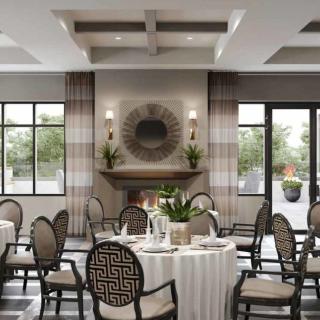
 Exploring the Power of Reminiscence Therapy for Individuals With Dementia
 An In-Depth Look at Reminiscence Therapy in Dementia Care
 Dementia-Related Hallucinations: Causes, Experiences, and Practical Approaches