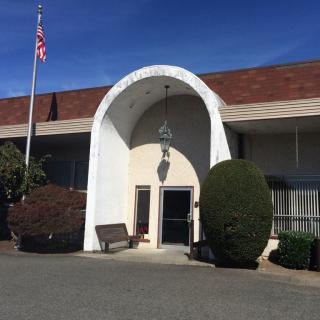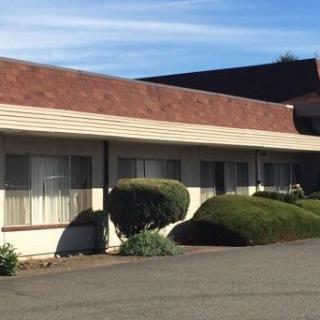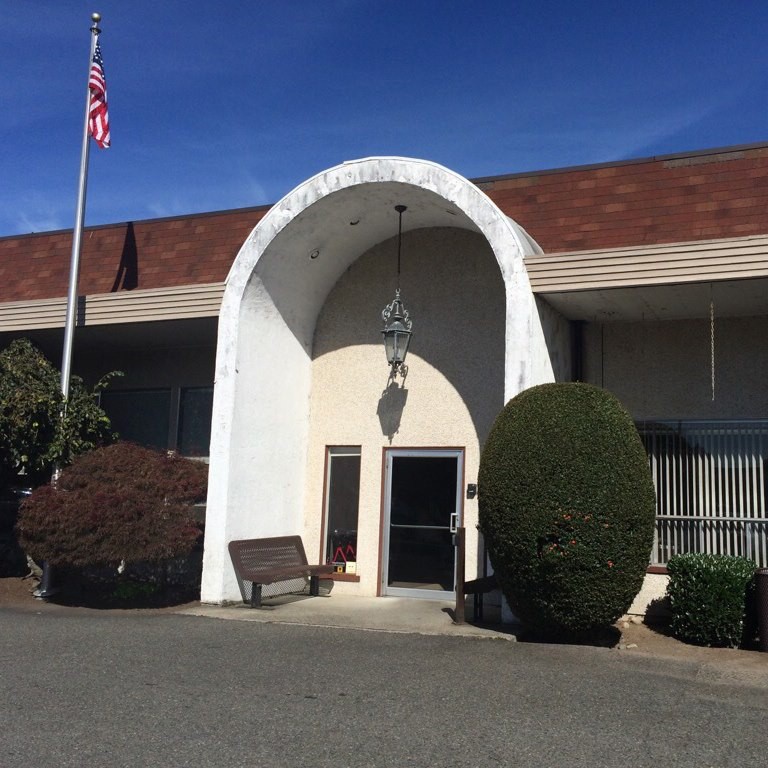

2902 I Street NE, Auburn, WA 98002
For more information about senior living options: (866) 208-4318
Parkside Retirement Community Costs & Pricing
Parkside Retirement Community offers competitive pricing for its residents, particularly when compared to the broader market in King County and the state of Washington. For semi-private rooms, Parkside's monthly cost is $2,900, significantly lower than the county average of $4,430 and the state average of $4,267. Similarly, private rooms at Parkside are priced at $3,900, which also presents a more affordable option compared to King County's average of $5,034 and Washington's statewide average of $4,772. This makes Parkside an attractive choice for individuals seeking quality senior living without the higher financial burden typically associated with other facilities in the region.
| Floor plans | Parkside Retirement Community | King County | Washington |
|---|---|---|---|
| Semi-Private | $2,900 | $4,430 | $4,272 |
| Private | $3,900 | $5,034 | $4,774 |
Assisted Living communities with a similar price nearby
-
from -$325 / mo
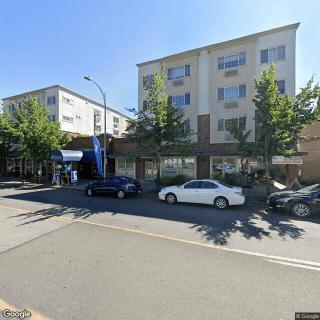
Admiral Heights
$2,575 to $2,975 / month18.9 miles away -
from -$250 / mo
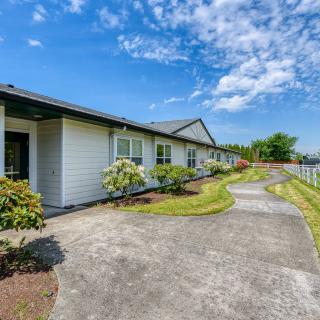
Heritage House Buckley
$2,650 to $3,250 / month14.5 miles away -
from -$100 / mo
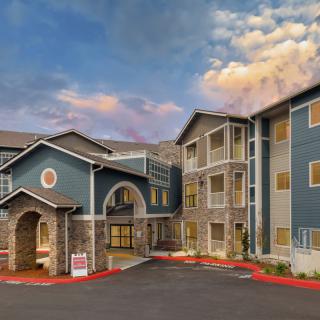
Cadence at Kent Meridian
$2,800 to $5,200 / month3.1 miles away -
from +$550 / mo
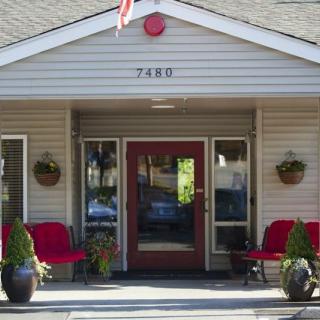
Aegis of Redmond
$3,450 to $6,500 / month23.7 miles away -
from -$350 / mo
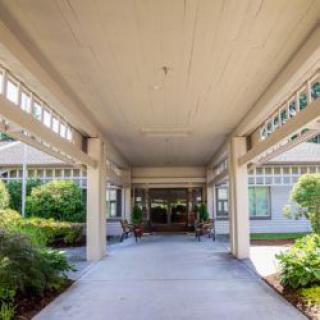
Sound Vista Village
$2,550 to $3,150 / month17.2 miles away
Overall Review of Parkside Retirement Community
Pros
 It is very clean and well maintained.
- The medical staff are excellent here.
- The facility is quiet and clean.
- The staff really care about the residents.
- There is good food and lots of activities.
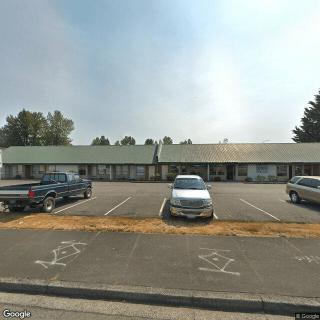
- Parking is easy to get in and out of.
Cons
 The place now feels like a psychiatric ward.
- It feels like jail.
Review
Parkside Retirement Community in Auburn, Washington is best suited for seniors who want a reliable, well-maintained environment with attentive medical oversight and a calendar of structured activities. The campus emphasizes cleanliness, quiet, and predictable routines, offering reassurance to families that care coordination, medication support, and daily living assistance are consistently available. For residents with moderate needs who value a strong staff presence over a boutique or home‑like atmosphere, Parkside delivers the baseline support required to sustain independence while reducing family caregiving demands. Good food, steady programming, and a dependable medical touch make it a practical choice for those prioritizing stability and clear daily structure.
That practicality comes with a caveat: the community has become less insulating and more clinical in recent months due to an influx of residents from Western State Hospital. While the medical team remains solid, the overall atmosphere can feel more institutional and crowded, which may diminish the sense of quiet companionship some families expect. Those who want a warmer, more intimate environment with familiar social circles should consider alternatives. Seniors who prize a non‑institutional vibe and steadier social dynamics might be better served elsewhere.
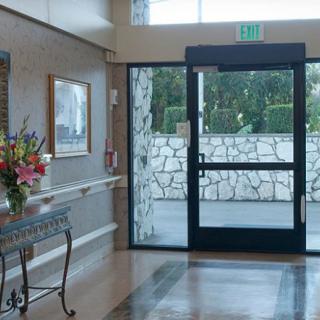
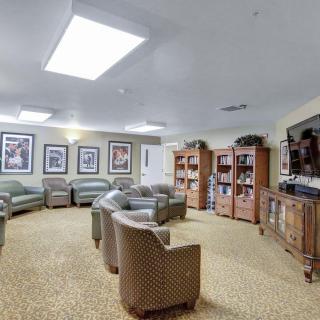
Still, several proven strengths stand out. Parkside's staff consistently demonstrates care and reliability, and many families point to the warmth and responsiveness of caregivers. The medical team earns particular praise for competence and accessibility, providing reassurance for complex medication needs and health concerns. The setting remains quiet and clean, with well‑kept common areas and inviting dining spaces, and the activity calendar offers weighty engagement that supports routine and social participation. Parking is straightforward, removing a common friction for visitors, and the overall tone signals residents are treated with respect.
Where Parkside falters is in the resident mix and the resulting atmosphere. The shift toward housing more psychiatric‑ward–style populations can erode privacy and disrupt social compatibility, making some residents feel watched or constrained. The sense of being in a monitored environment, described by some as jail‑like, can undermine autonomy, reduce spontaneity, and dull daily enjoyment. For families, this means weighing the comfort of competent care against potential impacts on mood, privacy, and social connection. The staff remains caring, but the context can be hard to overlook in long‑term placement decisions.
Proponents of Parkside will see the pros offset the cons most when a loved one requires steady medical oversight, calm routines, and predictable daily structure. The combination of care quality, cleanliness, and robust activity options provides meaningful value that can justify a less intimate atmosphere. For residents with higher behavioral or safety needs, the stable staff and ready medical access are decisive advantages. However, if privacy, a truly homey feel, and a non‑clinical living environment are essential, these positives may not fully compensate for the evolving resident profile.
Prospective movers should request current data on resident mix, observe a meal and activity period, and ask bluntly how admissions from external psychiatric facilities are integrated into daily life. Inquire about memory or behavioral support offerings relevant to the loved one’s needs, staff turnover, and room privacy. Parkside is a solid, practical option for families prioritizing medical competence, cleanliness, and structured engagement, but consideration of alternatives remains wise for those who want a more intimate, less institutional atmosphere or who are sensitive to shifts in the resident profile.
 94 resident community capacity
 Assisted Living
 Air-conditioning
 Beauty salon
 Cable or satellite TV
 Computer center
 Dining room
 Fitness room
 Fully furnished
 Gaming room
 Garden
 Housekeeping services
 Kitchenette
 Move-in coordination
 Outdoor space
 Private bathrooms
 Restaurant-style dining
 Small library
 Telephone
 Wellness center
 Wi-Fi/high-speed internet available
 Seattle-Tacoma International (9 miles away)
 Community operated transportation
 12-16 hour nursing
 24-hour call system
 Activities of daily living assistance
 Assistance with bathing
 Assistance with dressing
 Assistance with transfers
 Diabetes diet
 Medication management
 Mental wellness program
 Special dietary restrictions
 Concierge services
 Planned day trips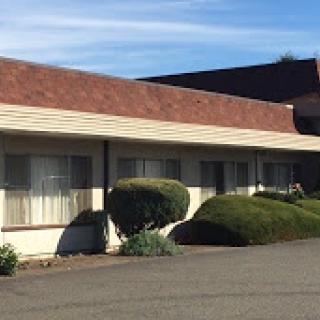


 Comprehensive Insights into Activities of Daily Living (ADLs) and Their Assessment
 Medicare Coverage for Assisted Living: An In-Depth Exploration
 Choosing the Right Senior Care: A Detailed Exploration of Assisted Living and Nursing Homes