St. Charles Lwanga House G

2208 Jolly Pond Road, Williamsburg, VA 23188

For more information about senior living options: (844) 490-3973

5 from 2 reviews
Assisted Living Board and Care Home

What level of care are you interested in?

Assisted Living

Memory Care

Independent Living

Skilled Nursing Facility

Continuing Care Retirement Community (CCRC)CCRC

Other


Request a tour at St. Charles Lwanga House G

    Overall Review of St. Charles Lwanga House G

    Pros

    • pro The reviewer found the experience wonderful.
    • pro The reviewer helped Sister Agnes, the nuns, and residents move, demonstrating care and teamwork.
    • pro The reviewer assisted in getting the project started at Jolly Pond Road, showing initiative and support.
    • pro The reviewer lived with the nuns and was part of a supportive, inclusive community at Jolly Pond Road.

    Review

    When I think back to the time Sister Agnes moved to Jolly Pond Road in Williamsburg, Virginia, what stands out isn't just a relocation but the unfolding of a shared purpose. I had known Sister Agnes long before that move, and our connection deepened as the plan to build and sustain a new home for the community began to take shape. The sense of quiet resolve in her presence was a beacon, guiding others who cared about the people who would soon become part of this place. It wasn't merely about bricks and rooms; it was about creating a space where faith, service, and everyday kindness could breathe together.

    On the day of the move, the atmosphere carried a mixture of practical hustle and reverence. I helped her, the other nuns, and the residents marshal every item with care, as if each possession held a memory worth preserving. There were logistics to coordinate, boxes to label, and a rhythm to the process that felt almost musical - the soft sounds of conversation, the hush of prayers whispered in moments of doubt or excitement, and the steady pace of hands that knew how to lift with dignity. It was a communal effort, with each person playing a part that matched their strengths, and the result was more than a change of address - it was the relocation of hope itself.

    Getting the project started at Jolly Pond Road was a testament to the power of collective will. Ideas moved from sketches on napkins to plans on bright walls, discussions carried by a shared belief that the space could become a true home for those who would live there and those who would care for them. We spoke of light-filled rooms, quiet corners for reflection, and common spaces where laughter could echo and troubles could be tempered by the simple act of being together. There was a palpable sense that something meaningful was being built from the ground up, brick by careful brick, with patience as a companion and perseverance as a guide.

    I lived with the nuns and the residents, and that daily rhythm imprinted itself on my heart. The routine of care, the small acts of tending and listening, the way a resident's smile could light up a room, all wove into a tapestry of ordinary miracles. In those days, I shared a home where the line between caregiver and neighbor blurred into a single, steady obligation: to be present. We learned as a community to celebrate small milestones and to support each other through the tougher moments, knowing that the project was not just about infrastructure but about building a living, breathing sense of belonging.

    What struck me most was the atmosphere of grace that seemed to settle over everyday tasks. The nuns carried themselves with a calm steadiness, a quiet insistence that dignity belongs to every person, regardless of circumstance. The residents, many navigating their own daily challenges, responded with resilience and warmth, turning the ordinary into something almost luminous. The joint effort - to move, to settle in, to care for one another - felt like a quiet spiritual exercise, where every action was a form of prayer in motion and every gesture whispered, "You belong here."

    Looking back, the impact of that time extends far beyond the physical square footage of the place. It shaped how I understood service: not as a dramatic display, but as a consistent, patient commitment to showing up day after day. It reinforced the belief that a community can become a sanctuary not because it is perfect, but because people choose to treat each other with kindness, to listen deeply, and to offer help without hesitation. The move and the early years at Jolly Pond Road left an indelible mark on me, a gratitude for being trusted to share in a project that honored the humanity and dignity of every resident and caregiver alike.

    Today, I carry with me the lessons learned in those halls and yards - the importance of collaborative effort, the dignity of every person's story, and the enduring value of a place built with care. Sister Agnes's leadership and the steadfast spirit of the nuns and residents created something lasting: a community where faith translated into action, where help was given without fanfare, and where the bonds formed through daily living continued to sustain long after the initial move. It is a reminder that true progress is measured not only by structure and plan but by the everyday acts of belonging and support that give life to a home.

    Features

    Housing

    • 5 resident community capacity 5 resident community capacity

    Types of Care

    • Assisted Living Assisted LivingAssisted living facilities provide crucial support and care for seniors who may need help with daily tasks such as medication management, bathing, and meal preparation. These communities offer a safe and comfortable environment where seniors can maintain their independence while receiving the assistance they need to thrive in their golden years.
    • Board and Care Home Board and Care HomeBoard and care homes provide a smaller, more intimate setting for seniors who require assistance with daily tasks but do not need the level of care offered by a nursing home. They offer personalized care, meals, and social activities in a homelike environment, ensuring that seniors receive individualized attention and support in their golden years.

    Amenities

    • Cable or satellite TV Cable or satellite TVCable or satellite TV is important for seniors because it provides entertainment, news, and companionship, helping to combat loneliness and boredom. It also offers a wide range of programming options tailored to different interests and preferences.
    • Dining room Dining roomDining rooms are important for seniors as they provide a space for socialization, connection, and nutritious meals. They offer opportunities for residents to bond over shared meals, foster a sense of community, and promote healthy eating habits. Dining rooms also ensure that seniors have access to well-balanced meals tailored to their dietary needs and preferences.
    • Fully furnished Fully furnishedFully furnished senior living communities are important for seniors because they provide convenience, comfort, and a hassle-free moving experience. Seniors can easily settle into their new living space without the stress of having to buy and move furniture. This allows them to focus on enjoying their new home and community.
    • Garden GardenGardens are important for seniors as they provide a peaceful and therapeutic environment for relaxation, physical activity, and socialization. Being in nature has been shown to reduce stress, improve mood, and promote overall well-being. Gardens also offer opportunities for seniors to engage in gardening activities, which can improve mobility, flexibility, and cognitive function. Additionally, gardens create a sense of community and connection with others who share a passion for plants and outdoor spaces.
    • Housekeeping services Housekeeping servicesHousekeeping services are important for seniors because they help maintain a clean and safe living environment, promote independence, and reduce the risk of accidents or illnesses. Additionally, having assistance with household chores can alleviate physical strain and allow seniors to focus on other aspects of their well-being.
    • Move-in coordination Move-in coordinationMove-in coordination is important for seniors because it helps ease the transition into their new living environment. It ensures that all logistics, such as packing, organizing movers, and setting up utilities are taken care of, allowing seniors to focus on settling in and adjusting to their new home. Having a smooth move-in process can alleviate stress and anxiety, making the transition smoother and more enjoyable for seniors.
    • Outdoor space Outdoor spaceOutdoor spaces are important for seniors as they provide opportunities for physical activity, social interaction, exposure to natural light and fresh air, and a sense of connection to nature. Having access to outdoor spaces can improve overall well-being and quality of life for older adults living in senior communities.
    • Telephone TelephoneTelephones are important for seniors as they provide a lifeline for communication with loved ones, emergency services, and healthcare providers. They offer a sense of security and independence, enabling seniors to stay connected and access assistance when needed.
    • Wi-Fi/high-speed internet available Wi-Fi/high-speed internet availableWi-Fi/high-speed internet is important for seniors to stay connected with loved ones, access online resources, and participate in virtual activities to combat feelings of loneliness and isolation. It also allows them to easily manage healthcare needs, access entertainment, and engage in lifelong learning opportunities.

    Transportation

    • Newport News Williamsburg International (22 miles away) Newport News Williamsburg International (22 miles away)

    Care Services

    • 24-hour supervision 24-hour supervision24-hour supervision is important for seniors to ensure their safety, well-being, and access to immediate assistance in case of emergencies or health issues. This constant support provides peace of mind for both seniors and their loved ones, allowing them to age in place with dignity and security.
    • Activities of daily living assistance Activities of daily living assistanceActivities of daily living assistance are important for seniors because they provide essential support with tasks such as eating, bathing, dressing, and mobility. This assistance helps seniors maintain their independence, dignity, and overall quality of life as they age.
    • Assistance with bathing Assistance with bathingAssistance with bathing is crucial for seniors as it helps maintain personal hygiene, prevents infections, and ensures their overall well-being and comfort. It also provides a sense of dignity and independence for seniors who may struggle with this task on their own.
    • Assistance with dressing Assistance with dressingAssistance with dressing is important for seniors because it helps maintain their independence, promotes personal hygiene, prevents accidents and injuries, and improves overall quality of life. This service ensures that seniors can continue to dress comfortably and confidently, despite any physical limitations they may have.
    • Assistance with transfers Assistance with transfersAssistance with transfers is crucial for seniors as it helps prevent falls and injuries, maintains their independence, and ensures they can safely navigate their living environment. It also provides peace of mind for both seniors and their loved ones.
    • Coordination with health care providers Coordination with health care providersCoordination with health care providers is crucial for seniors to ensure proper medical care, medication management, and overall well-being. This collaboration helps prevent overlapping treatments, track progress more effectively, and provide comprehensive support tailored to individual needs.
    • Diabetes diet Diabetes dietA diabetes diet is crucial for seniors as it helps manage blood sugar levels, reduce risks of complications, and improve overall health and well-being. By following a balanced and nutritious diet tailored to their specific needs, seniors can better control their diabetes and enhance their quality of life.
    • Meal preparation and service Meal preparation and serviceMeal preparation and service are crucial for seniors as they may have limited mobility or energy to cook nutritious meals. Having access to healthy and convenient food options can ensure they are getting the proper nutrition needed to maintain their overall health and well-being.
    • Medication management Medication managementMedication management is crucial for seniors to ensure they are taking the right medications at the correct dosages and times. This helps prevent adverse drug interactions, reduces the risk of medication errors, and promotes overall health and well-being. Proactive management also allows for adjustments as needed based on changing health conditions or new prescriptions.
    • Special dietary restrictions Special dietary restrictionsSpecial dietary restrictions are important for seniors because age-related changes in metabolism and health conditions can make it difficult for their bodies to process certain foods. By following a diet tailored to their specific needs, seniors can maintain their overall health and well-being, manage chronic conditions, and reduce the risk of complications such as malnutrition or food interactions with medications.
    • Transportation arrangement (medical) Transportation arrangement (medical)Transportation arrangements for medical purposes are essential for seniors as they may have difficulty driving themselves to appointments or accessing public transportation. Having reliable and safe transportation options ensures that seniors can receive timely medical care and maintain their health and well-being.
    • Transportation to doctors appointments Transportation to doctors appointmentsTransportation to doctors' appointments is crucial for seniors as it ensures they have access to necessary medical care and support for their health needs. Without reliable transportation, seniors may struggle to attend important appointments, leading to potential delays in treatment and health complications. Providing transportation services helps seniors maintain their overall well-being and quality of life.

    Dining

    • Diabetes diet Diabetes dietA diabetes diet is crucial for seniors as it helps manage blood sugar levels, reduce risks of complications, and improve overall health and well-being. By following a balanced and nutritious diet tailored to their specific needs, seniors can better control their diabetes and enhance their quality of life.
    • Special dietary restrictions Special dietary restrictionsSpecial dietary restrictions are important for seniors because age-related changes in metabolism and health conditions can make it difficult for their bodies to process certain foods. By following a diet tailored to their specific needs, seniors can maintain their overall health and well-being, manage chronic conditions, and reduce the risk of complications such as malnutrition or food interactions with medications.

    Activities

    • Community-sponsored activities Community-sponsored activitiesCommunity-sponsored activities are important for seniors as they provide opportunities for social interaction, mental stimulation, and physical activity. These activities can help improve overall well-being, combat loneliness and isolation, and promote a sense of belonging and purpose among older adults.
    • Scheduled daily activities Scheduled daily activitiesScheduled daily activities are important for seniors because they provide structure, socialization, mental stimulation, and physical activity. Engaging in regular activities can improve overall well-being and quality of life for seniors living in a community setting.

    Description

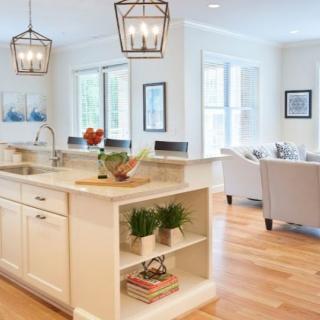
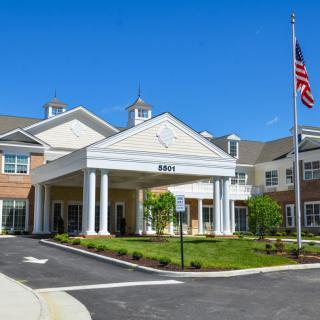
    St. Charles Lwanga House G is a board and care home located in the charming city of Williamsburg, VA. Our community offers a comfortable and homelike environment for seniors in need of assistance with daily living activities.

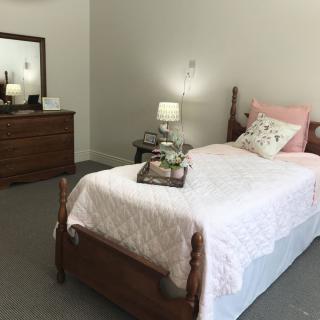
    Our spacious and fully furnished accommodations provide a cozy place for residents to call home. We have a lovely dining room where nutritious meals are served, taking into consideration any special dietary restrictions or preferences. Our dedicated staff also takes care of housekeeping services, ensuring that our community is always clean and well-maintained.

    In addition to our indoor amenities, we offer outdoor space where residents can enjoy fresh air and relaxation amidst beautiful gardens. Telephone and Wi-Fi/high-speed internet services are available to help residents stay connected with their loved ones.

    At St. Charles Lwanga House G, we understand the importance of personalized care for each individual resident. Our trained staff provides assistance with activities of daily living such as bathing, dressing, and transfers. We work closely with health care providers to ensure that all aspects of a resident's health are well-coordinated.

    For those with specific medical needs, we offer diabetes diet management and medication management services. Our skilled team also handles meal preparation according to dietary restrictions and preferences.

    Transportation arrangement for medical appointments is provided for residents who require it, ensuring they have convenient access to necessary healthcare services. Additionally, there are nearby cafes, parks, pharmacies, physicians' offices, restaurants, and hospitals making it easy for residents to enjoy outings or receive necessary services off-site.

    To keep our residents engaged and entertained, we offer scheduled daily activities tailored to their interests and preferences.

    Experience quality assisted living at St. Charles Lwanga House G in Williamsburg – where compassionate care meets comfort and convenience.

    Nearby Places of Interest

    This part of Williamsburg, Virginia offers a convenient and diverse range of amenities for seniors looking to settle in the area. With several parks nearby such as Chickahominy Riverfront Park and Kidsburg, there are plenty of opportunities for outdoor recreation and relaxation. Additionally, there are multiple hospitals, pharmacies, and physicians' offices within a short distance, ensuring easy access to healthcare services. A variety of dining options are available including Tuscany Ristorante, Chick-Fil-A, and McDonald's for convenient meals. For those looking to enjoy a leisurely coffee or snack, cafes like Panera Bread and Starbucks are also close by. Lastly, seniors can catch a movie at the New Town STM 12 theater for entertainment options in the area. Overall, this part of Williamsburg offers a well-rounded community with everything seniors may need for comfortable living.

    Parks

    • Chickahominy Riverfront Park (3.7 miles)
    • Kidsburg (4.8 miles)
    • Kiwanis Park (5.8 miles)

    Hospitals

    • Vital Signs (4.5 miles)
    • Eastern State Hospital (5.5 miles)
    • Virginia Department of Behavioral Health and Developmental Services (5.6 miles)

    Pharmacies

    • Family Care of Williamsburg (4.5 miles)
    • Olde Towne Pharmacy (4.5 miles)
    • Harris Teeter Pharmacy (4.6 miles)
    • CVS Pharmacy (4.7 miles)
    • Rite Aid (4.7 miles)
    • CVS Pharmacy (5.4 miles)
    • Rite Aid (5.4 miles)

    Restaurants

    • Tuscany Ristorante (4.5 miles)
    • Chick-Fil-A (4.8 miles)
    • McDonald's (4.8 miles)
    • Gold Taste (4.8 miles)
    • Wendy's (4.9 miles)
    • Hardee's (4.9 miles)
    • Taco Mexicali (4.9 miles)

    Physicians

    • Dr Laureen G. Waldron (4.7 miles)
    • MyEyeDr (4.9 miles)
    • Dr Morrison Dentistry - Toano Office (5.2 miles)
    • Angels of Mercy Medical Clinic (5.2 miles)
    • Plastic Surgery Center of Hampton Roads (5.2 miles)
    • TPMG Orthopedics & Sports Medicine (5.2 miles)
    • Subramaniam Vijay Dr Tidewater Physicians Multispecialty Group Lung Sleep Specialists Williamsburg (5.2 miles)

    Cafes

    • Panera Bread (4.8 miles)
    • Starbucks (5.2 miles)
    • Starbucks (5.4 miles)
    • Panera Bread (5.5 miles)
    • Starbucks (5.6 miles)

    Theaters

    • New Town STM 12 (5.4 miles)

    Frequently Asked Questions

    Where is St. Charles Lwanga House G?

    Nearby Communities

    Related Resources

    • active senior livingVibrant Senior Living: A Comprehensive Guide for Active Older Adults

      Vibrant Senior Living emphasizes active senior living communities that promote independence and engagement through diverse amenities and activities, fostering wellness and social interaction among older adults. These communities range from independent to assisted living, with a focus on personal growth, family involvement, financial planning, and leveraging technology to enhance residents' experiences.

    • when to move from assisted living to memory careWhen to Transition from Assisted Living to Memory Care: Key Indicators, Steps, and Finding the Right Community

      Transitioning from assisted living to memory care is driven by an individual's cognitive decline and specific needs, requiring careful evaluation of indicators like increased confusion and wandering. The process involves consulting medical professionals, researching suitable communities, considering financial and legal aspects, and ensuring effective communication for personalized care plans.

    • assisted living vs memory careAssisted Living and Memory Care: Understanding Their Core Differences

      Assisted living provides moderate support for seniors seeking independence, while memory care offers specialized support for individuals with dementia or cognitive impairments through structured routines and trained staff. Key differences include care approaches, environment security measures, staff training levels, activity types, and cost considerations.


    Get Pricing Ask A Question Schedule A Tour Contact Senior Advisor