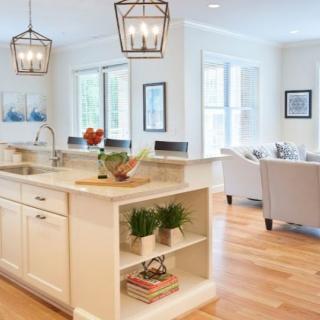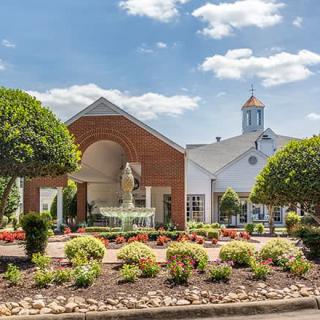
St. Charles Lwanga House in Williamsburg, VA

Save
St. Charles Lwanga House

St. Charles Lwanga House in Williamsburg, VA

2204 Jolly Pond Road, Williamsburg, VA 23188

For more information about senior living options: (844) 490-3973

5 from 2 reviews
Assisted Living Board and Care Home

Overall Review of St. Charles Lwanga House

Pros

  • pro Sister Agnes is described as wonderful.
  • pro The reviewer had a positive connection with Sister Agnes before she moved to Jolly Pond Road in Williamsburg, VA.
  • pro The reviewer helped move the nuns and residents and assisted with starting the project at Jolly Pond Road.
  • pro The reviewer lived with the nuns and was a resident along with a few other disabled people at Jolly Pond Road.

Review

St. Charles Lwanga House in Williamsburg, Virginia appears best suited for seniors who want a small, faith-centered living experience anchored by a Catholic religious community. The sentiment in the few available reviews is warm and uplifting, with remarks suggesting a warm, people-first atmosphere where nuns and residents live in close, cooperative community. The brief references to Sister Agnes and involvement with projects at Jolly Pond Road hint at a hands-on, mission-driven culture that prioritizes spiritual life, meaningful daily connections, and a home-like cadence rather than a clinical, high-rise campus. For families seeking a place where faith and belonging drive daily life, this setting has a distinct appeal.

Those evaluating options for someone who needs extensive medical care on site or who demands a secular environment should consider alternatives. The available reviews provide no detailed information about staffing levels, nursing presence, therapy services, or memory-care capabilities. Without explicit service lists, licensing confirmations, or transparent cost structures, it is prudent to compare with communities that publish clear care menus, nurse coverage, and emergency-response plans. For residents with significant daily assistance needs or specialized dementia support, a facility with documented clinical infrastructure will likely be a safer, more predictable choice.

The strongest upside lies in the likely social and spiritual benefits. The enthusiastic tone - summed up in a sentiment like "Wow! This is wonderful" - paired with the narrative of religious sisters' involvement signals a warm, purposeful environment. A small, intimate setting can yield strong caregiver-resident relationships, easier family access to staff, and daily routines rooted in shared faith and community service. When care needs are stable and aligned with a traditional, faith-informed lifestyle, these elements can compensate for the absence of flashy amenities or a wide array of high-intensity programs, delivering steady purpose and belonging that are hard to match in larger, more transactional campuses.

Yet several important questions remain unanswered, leaving notable gaps for decision-makers. There is no explicit description of the level of medical oversight, on-site nursing availability, or how care escalates as needs change. Details about meal service, housekeeping, transportation, safety features, and accessibility are not provided, making it difficult to gauge day-to-day practicality. Likewise, information about licensing status, inspection history, and what happens as residents require more assistance or consider end-of-life options is not available. Without these particulars, families must proceed cautiously and seek direct confirmation.

To evaluate fit effectively, prospective families should arrange an in-person tour and prepare a concise set of questions. Ask to meet frontline caregivers and the administrator, review recent licensing surveys, and request a clear breakdown of included services versus optional add-ons. Inquire about availability of religious services, pastoral visits, and how spiritual activities are integrated into a resident's weekly schedule. Verify accessibility, safety features, and emergency protocols, and obtain a transparent cost quote with what is included and what may incur additional charges. Understanding transfer policies if care needs rise is also essential.

In the end, St. Charles Lwanga House stands out for families prioritizing a faith-forward, small-community atmosphere where nuns and residents live in close collaboration. For those who value spiritual support, personal connections, and a home-like setting, the positives align well with practical, everyday living. However, for families seeking robust clinical care, secular programming, or comprehensive transparency about services and costs, exploring alternatives with detailed care plans and outside oversight is warranted. A thoughtful tour paired with direct conversations will reveal whether this unique, intimate environment can sustain the resident's evolving needs.

Features

Housing

  • 8 resident community capacity 8 resident community capacity

Types of Care

  • Assisted Living Assisted LivingAssisted living facilities provide crucial support and care for seniors who may need help with daily tasks such as medication management, bathing, and meal preparation. These communities offer a safe and comfortable environment where seniors can maintain their independence while receiving the assistance they need to thrive in their golden years.
  • Board and Care Home Board and Care HomeBoard and care homes provide a smaller, more intimate setting for seniors who require assistance with daily tasks but do not need the level of care offered by a nursing home. They offer personalized care, meals, and social activities in a homelike environment, ensuring that seniors receive individualized attention and support in their golden years.

Amenities

  • Cable or satellite TV Cable or satellite TVCable or satellite TV is important for seniors because it provides entertainment, news, and companionship, helping to combat loneliness and boredom. It also offers a wide range of programming options tailored to different interests and preferences.
  • Dining room Dining roomDining rooms are important for seniors as they provide a space for socialization, connection, and nutritious meals. They offer opportunities for residents to bond over shared meals, foster a sense of community, and promote healthy eating habits. Dining rooms also ensure that seniors have access to well-balanced meals tailored to their dietary needs and preferences.
  • Fully furnished Fully furnishedFully furnished senior living communities are important for seniors because they provide convenience, comfort, and a hassle-free moving experience. Seniors can easily settle into their new living space without the stress of having to buy and move furniture. This allows them to focus on enjoying their new home and community.
  • Garden GardenGardens are important for seniors as they provide a peaceful and therapeutic environment for relaxation, physical activity, and socialization. Being in nature has been shown to reduce stress, improve mood, and promote overall well-being. Gardens also offer opportunities for seniors to engage in gardening activities, which can improve mobility, flexibility, and cognitive function. Additionally, gardens create a sense of community and connection with others who share a passion for plants and outdoor spaces.
  • Housekeeping services Housekeeping servicesHousekeeping services are important for seniors because they help maintain a clean and safe living environment, promote independence, and reduce the risk of accidents or illnesses. Additionally, having assistance with household chores can alleviate physical strain and allow seniors to focus on other aspects of their well-being.
  • Move-in coordination Move-in coordinationMove-in coordination is important for seniors because it helps ease the transition into their new living environment. It ensures that all logistics, such as packing, organizing movers, and setting up utilities are taken care of, allowing seniors to focus on settling in and adjusting to their new home. Having a smooth move-in process can alleviate stress and anxiety, making the transition smoother and more enjoyable for seniors.
  • Outdoor space Outdoor spaceOutdoor spaces are important for seniors as they provide opportunities for physical activity, social interaction, exposure to natural light and fresh air, and a sense of connection to nature. Having access to outdoor spaces can improve overall well-being and quality of life for older adults living in senior communities.
  • Telephone TelephoneTelephones are important for seniors as they provide a lifeline for communication with loved ones, emergency services, and healthcare providers. They offer a sense of security and independence, enabling seniors to stay connected and access assistance when needed.
  • Wi-Fi/high-speed internet available Wi-Fi/high-speed internet availableWi-Fi/high-speed internet is important for seniors to stay connected with loved ones, access online resources, and participate in virtual activities to combat feelings of loneliness and isolation. It also allows them to easily manage healthcare needs, access entertainment, and engage in lifelong learning opportunities.

Transportation

  • Newport News Williamsburg International (22 miles away) Newport News Williamsburg International (22 miles away)

Care Services

  • 24-hour supervision 24-hour supervision24-hour supervision is important for seniors to ensure their safety, well-being, and access to immediate assistance in case of emergencies or health issues. This constant support provides peace of mind for both seniors and their loved ones, allowing them to age in place with dignity and security.
  • Activities of daily living assistance Activities of daily living assistanceActivities of daily living assistance are important for seniors because they provide essential support with tasks such as eating, bathing, dressing, and mobility. This assistance helps seniors maintain their independence, dignity, and overall quality of life as they age.
  • Assistance with bathing Assistance with bathingAssistance with bathing is crucial for seniors as it helps maintain personal hygiene, prevents infections, and ensures their overall well-being and comfort. It also provides a sense of dignity and independence for seniors who may struggle with this task on their own.
  • Assistance with dressing Assistance with dressingAssistance with dressing is important for seniors because it helps maintain their independence, promotes personal hygiene, prevents accidents and injuries, and improves overall quality of life. This service ensures that seniors can continue to dress comfortably and confidently, despite any physical limitations they may have.
  • Assistance with transfers Assistance with transfersAssistance with transfers is crucial for seniors as it helps prevent falls and injuries, maintains their independence, and ensures they can safely navigate their living environment. It also provides peace of mind for both seniors and their loved ones.
  • Coordination with health care providers Coordination with health care providersCoordination with health care providers is crucial for seniors to ensure proper medical care, medication management, and overall well-being. This collaboration helps prevent overlapping treatments, track progress more effectively, and provide comprehensive support tailored to individual needs.
  • Diabetes diet Diabetes dietA diabetes diet is crucial for seniors as it helps manage blood sugar levels, reduce risks of complications, and improve overall health and well-being. By following a balanced and nutritious diet tailored to their specific needs, seniors can better control their diabetes and enhance their quality of life.
  • Meal preparation and service Meal preparation and serviceMeal preparation and service are crucial for seniors as they may have limited mobility or energy to cook nutritious meals. Having access to healthy and convenient food options can ensure they are getting the proper nutrition needed to maintain their overall health and well-being.
  • Medication management Medication managementMedication management is crucial for seniors to ensure they are taking the right medications at the correct dosages and times. This helps prevent adverse drug interactions, reduces the risk of medication errors, and promotes overall health and well-being. Proactive management also allows for adjustments as needed based on changing health conditions or new prescriptions.
  • Special dietary restrictions Special dietary restrictionsSpecial dietary restrictions are important for seniors because age-related changes in metabolism and health conditions can make it difficult for their bodies to process certain foods. By following a diet tailored to their specific needs, seniors can maintain their overall health and well-being, manage chronic conditions, and reduce the risk of complications such as malnutrition or food interactions with medications.
  • Transportation arrangement (medical) Transportation arrangement (medical)Transportation arrangements for medical purposes are essential for seniors as they may have difficulty driving themselves to appointments or accessing public transportation. Having reliable and safe transportation options ensures that seniors can receive timely medical care and maintain their health and well-being.
  • Transportation to doctors appointments Transportation to doctors appointmentsTransportation to doctors' appointments is crucial for seniors as it ensures they have access to necessary medical care and support for their health needs. Without reliable transportation, seniors may struggle to attend important appointments, leading to potential delays in treatment and health complications. Providing transportation services helps seniors maintain their overall well-being and quality of life.

Dining

  • Diabetes diet Diabetes dietA diabetes diet is crucial for seniors as it helps manage blood sugar levels, reduce risks of complications, and improve overall health and well-being. By following a balanced and nutritious diet tailored to their specific needs, seniors can better control their diabetes and enhance their quality of life.
  • Special dietary restrictions Special dietary restrictionsSpecial dietary restrictions are important for seniors because age-related changes in metabolism and health conditions can make it difficult for their bodies to process certain foods. By following a diet tailored to their specific needs, seniors can maintain their overall health and well-being, manage chronic conditions, and reduce the risk of complications such as malnutrition or food interactions with medications.

Activities

  • Community-sponsored activities Community-sponsored activitiesCommunity-sponsored activities are important for seniors as they provide opportunities for social interaction, mental stimulation, and physical activity. These activities can help improve overall well-being, combat loneliness and isolation, and promote a sense of belonging and purpose among older adults.
  • Scheduled daily activities Scheduled daily activitiesScheduled daily activities are important for seniors because they provide structure, socialization, mental stimulation, and physical activity. Engaging in regular activities can improve overall well-being and quality of life for seniors living in a community setting.

Description

St. Charles Lwanga House is a board and care home located in the charming city of Williamsburg, VA. Our community offers a range of amenities to ensure our residents' comfort and convenience. The dining room provides a pleasant space for meals, which are prepared and served by our dedicated staff. Each room in our community is fully furnished, allowing residents to feel at home from the moment they move in.

Our beautiful garden offers a peaceful outdoor space where residents can relax and enjoy nature. Housekeeping services are provided to ensure that common areas and individual rooms are clean and well-maintained. We also offer move-in coordination to assist residents with the transition into our community.

Staying connected is important, which is why we provide telephone service and Wi-Fi/high-speed internet access throughout our community. This allows residents to easily communicate with loved ones or browse the web at their leisure.

Our caring staff is dedicated to providing assistance with activities of daily living, such as bathing, dressing, and transfers. We also coordinate with health care providers to ensure that our residents receive the necessary medical care. Special dietary restrictions, including diabetes diets, are accommodated in our meal preparation and service.

Transportation plays a crucial role in maintaining health and independence, so we arrange transportation for medical appointments as needed. In addition, there are several nearby pharmacies and physicians for convenient access to healthcare services.

We understand the importance of an active lifestyle, which is why we offer scheduled daily activities for our residents to participate in. Whether it's socializing over a cup of coffee at one of the nearby cafes or enjoying the beauty of nature at one of the parks in close proximity, there are plenty of opportunities for engagement within the local community.

Nearby Places of Interest

This part of Williamsburg, Virginia, offers a variety of amenities that cater to senior living. With several parks nearby, such as Chickahominy Riverfront Park and Kiwanis Park, seniors can enjoy outdoor activities and nature walks. There are also multiple pharmacies in the area, providing convenient access to medical prescriptions and supplies. A range of dining options, from fast food to upscale restaurants like Tuscany Ristorante, offer plenty of choices for seniors looking to dine out. Additionally, there are several healthcare facilities and physicians offices within a short distance for any medical needs. The presence of cafes like Panera Bread and Starbucks provides opportunities for socializing and enjoying a cup of coffee with friends or family members. For entertainment, the New Town STM 12 theater is located just a short drive away for movie buffs. Overall, this part of Williamsburg offers a well-rounded community with amenities suitable for senior living.

Parks

  • Chickahominy Riverfront Park (3.8 miles)
  • Kidsburg (4.8 miles)
  • Kiwanis Park (5.7 miles)

Pharmacies

  • Olde Towne Pharmacy (4.4 miles)
  • Family Care of Williamsburg (4.4 miles)
  • Harris Teeter Pharmacy (4.4 miles)
  • CVS Pharmacy (4.6 miles)
  • Rite Aid (4.7 miles)
  • CVS Pharmacy (5.2 miles)
  • Rite Aid (5.4 miles)

Restaurants

  • Tuscany Ristorante (4.4 miles)
  • McDonald's (4.6 miles)
  • Wendy's (4.7 miles)
  • Hardee's (4.7 miles)
  • Taco Mexicali (4.7 miles)
  • El Sabor Mexicano (4.8 miles)
  • Chick-Fil-A (4.8 miles)

Hospitals

  • Vital Signs (4.4 miles)
  • Eastern State Hospital (5.4 miles)
  • Virginia Department of Behavioral Health and Developmental Services (5.5 miles)

Physicians

  • Dr Laureen G. Waldron (4.7 miles)
  • MyEyeDr (4.9 miles)
  • Dr Morrison Dentistry - Toano Office (5 miles)
  • Angels of Mercy Medical Clinic (5 miles)
  • Plastic Surgery Center of Hampton Roads (5.1 miles)
  • TPMG Orthopedics & Sports Medicine (5.1 miles)
  • Subramaniam Vijay Dr Tidewater Physicians Multispecialty Group Lung Sleep Specialists Williamsburg (5.1 miles)

Cafes

  • Panera Bread (4.7 miles)
  • Starbucks (5.1 miles)
  • Starbucks (5.3 miles)
  • Starbucks (5.5 miles)
  • Panera Bread (5.5 miles)

Theaters

  • New Town STM 12 (5.3 miles)

Frequently Asked Questions

Where is St. Charles Lwanga House?

Nearby Communities

  • St. Charles Lwanga House G

    St. Charles Lwanga House G

    Williamsburg, VA

    5 from 2 reviews
     

    pro Cozy, homelike setting with personalized care and diabetes/medication management.

  • Ford's Colony

    Ford's Colony

    Williamsburg, VA


    pro Small, intimate setting with in-house meal prep, medication management, and dietary accommodations.

  • Dominion Village Williamsburg

    Dominion Village Williamsburg

    Williamsburg, VA

    4.7 from 117 reviews
    $2,850 to $3,295 / month

    pro Warm, attentive staff and a clean, home-like atmosphere with personalized care.

  • Dominion Village At Williamsburg

    Dominion Village At Williamsburg

    Williamsburg, VA


    pro Specialized memory care with comprehensive programming and on-site amenities.

  • Assisted Living At Patriots Colony

    Assisted Living At Patriots Colony

    Williamsburg, VA

    4.1 from 19 reviews
     

    pro Luxurious memory care with comprehensive services and amenities.

  • The Convalescent Center At Patriots Colony

    The Convalescent Center At Patriots Colony

    Williamsburg, VA

    3.9 from 34 reviews
    $4,930 to $5,500 / month

    pro Strong rehab/therapy, friendly staff, and well-maintained facilities with engaging activities.

  • Edgeworth Park at New Town

    Edgeworth Park at New Town

    Williamsburg, VA

    4.2 from 81 reviews
    $5,100 to $8,375 / month

    pro Clean, well-maintained environment with friendly staff and accessible on-site amenities.

  • Windsormeade of Williamsburg

    Windsormeade of Williamsburg

    Williamsburg, VA

    4.3 from 55 reviews
     

    pro Caring staff and a wide range of amenities/activities create a comfortable, engaging environment.

  • Brookdale Chambrel Williamsburg

    Brookdale Chambrel Williamsburg

    Williamsburg, VA

    4.4 from 190 reviews
    $2,975 to $5,125 / month

    pro Friendly staff with engaging daily activities in a clean, well-maintained setting and quality dining.

Related Resources

  • assisted living for disabled adultsComprehensive Residential Support and Assisted Living Solutions for Individuals with Disabilities

    The article examines the complexities of assisted living for individuals with disabilities, emphasizing the need for tailored care solutions that enhance quality of life and social inclusion, while addressing financial challenges and advocating for community integration. It discusses various housing options, the importance of financial assistance through public benefits, and highlights trends towards integrated and technology-driven solutions in disability-focused housing.

  • assisted living for disabled adultsComprehensive Supportive Living Arrangements for Adults with Disabilities

    Assisted living for adults with disabilities has transformed to provide personalized care and support services aimed at improving residents' quality of life while balancing independence and assistance. However, low-income individuals often face challenges in affording these services, requiring navigation of various financial resources and advocacy for better policies and solutions.

  • how to pay for assisted livingFunding and Affording Assisted Living: A Thorough Overview

    Assisted living facilities provide support for older adults needing help with daily activities without extensive medical care, but their costs can be high and vary by location and services offered. Families often seek various funding options and financial strategies to manage these expenses effectively while considering future needs and potential price increases.