





6200 Patriots Colony Drive, Williamsburg, VA 23188
For more information about senior living options: (866) 208-4318
Overall Review of Assisted Living At Patriots Colony
Pros
 Patriots Colony truly lives up to its label as a continuing care community, with superb care from all the staff.
- The nurses carry themselves with class and go out of their way to help residents.
- The facility is considered the best and Medicare is accepted.
- The meals are generally good and the grounds are well maintained.
- The staff are wonderful and the residents feel like family.
- There are plenty of activities for residents to enjoy, either individually or in groups.
- The kitchen is great, offering tasty meals and generous service.
Cons
 The facility was horrible.
- The staff didn’t give him the right medicine.
- They didn’t perform any physical therapy and left him in bed all day.
- The nurses didn’t care at all.
- The reviewer would never go back.
- The employees were not always attentive.
- Shoes left behind were missing and never returned.
- It was disappointing given the care he received.
- The reviewer felt unwelcome and described it as cruelty.
- The monthly bills of $1,035 were sent, and the reviewer believed the insurance should cover the stay.
- The reviewer was refused on discharge and told they owed money; after disputing it, they heard nothing again.
- The reviewer felt they were leaving as an injured person without support.
Review
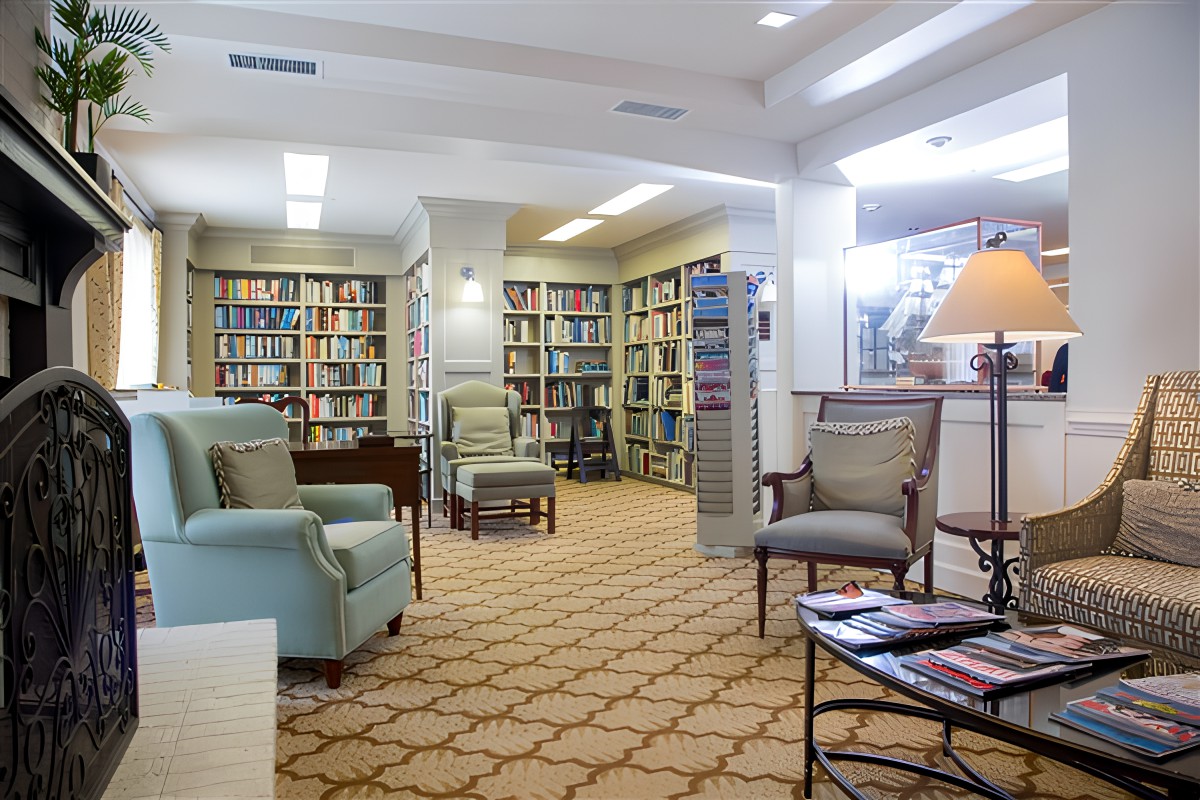
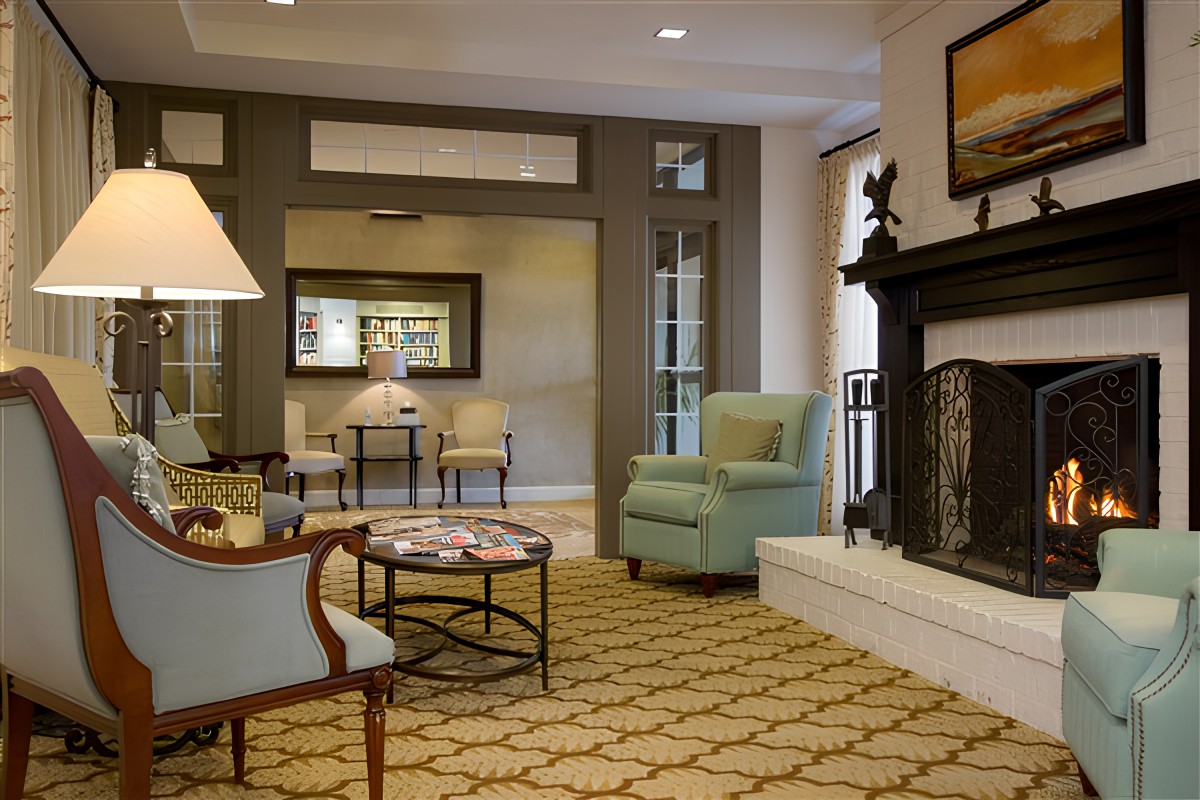
Patriots Colony in Williamsburg, VA is best suited for seniors who want a true continuing-care environment with a built-in community, robust rehabilitation options, and a campus feel that keeps daily life interconnected. It works well for residents who don’t mind shared accommodations and who prize a wide array of on-site services, social activities, and easy access to amenities like a wellness center, salon, bank, and diverse dining options. Families seeking long-term stability, predictable programming, and a place where independence can be maintained with scalable support will find Patriots Colony appealing. It is a strong match for those who want to stay engaged, connected, and well-supported without having to move again as needs evolve.
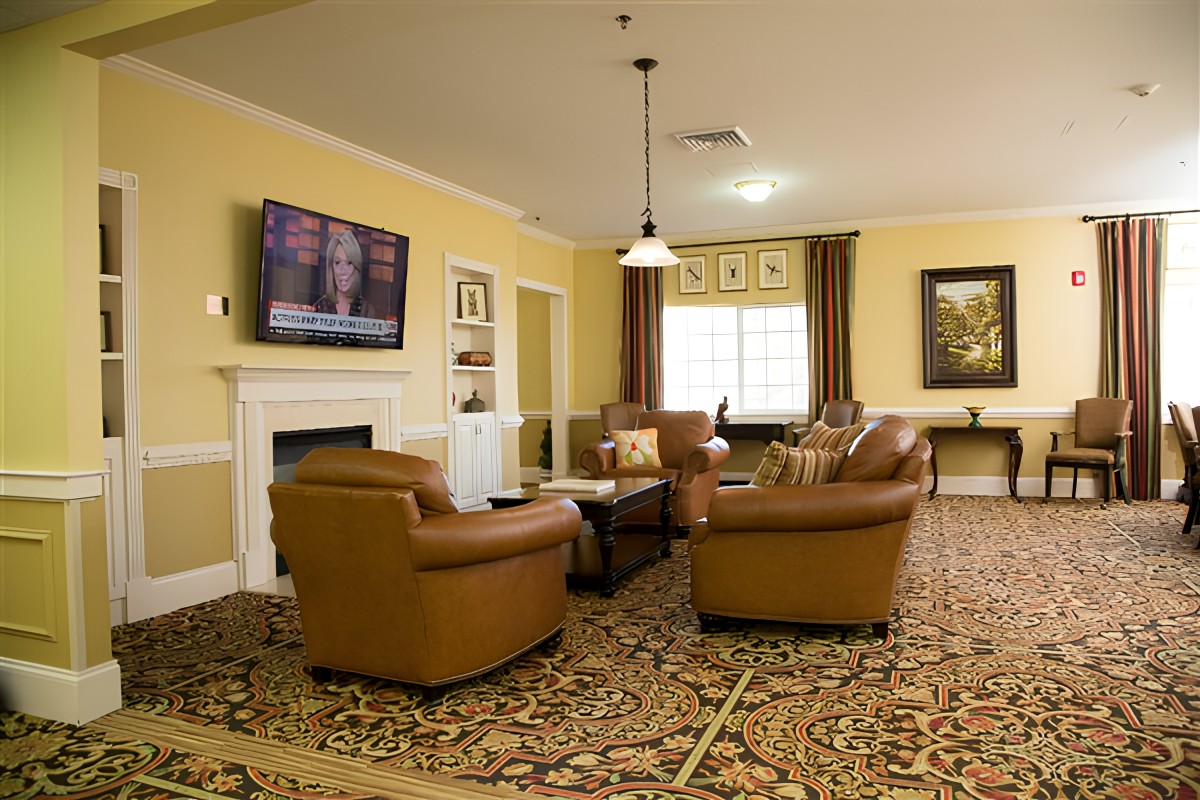
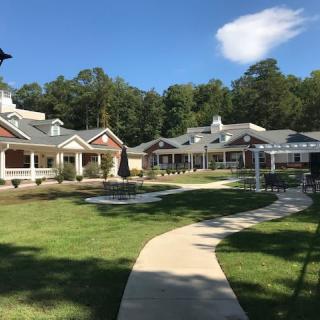
The strongest operating advantages revolve around rehabilitation outcomes, staff warmth, and a lively resident culture. Several reviews highlight meaningful progress in physical therapy after surgeries, with therapists who are patient, capable, and able to tailor plans to individual recovery trajectories. The nursing and caregiving teams are frequently praised for kindness and responsiveness, and many observers describe the atmosphere as familial, supportive rather than clinical. Meals and on-site amenities are consistently cited as high quality, and the campus ambiance, well-kept grounds, diverse activities, and social opportunities, creates a sense of belonging that many families find precious in aging. For many, the combination of attentive care and social engagement translates into genuine peace of mind.
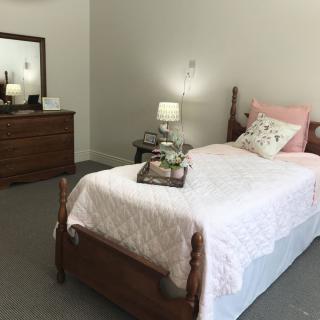
Yet the experience is not uniform, and meaningful cons can undermine otherwise solid benefits. There are credible cautions about variable attentiveness among staff, with specific accounts of inadequate physical therapy engagement or medication missteps that put safety concerns at the forefront. Budgeting and billing have also surfaced as tensions point, including disputes over charges and, in at least one case, a perception of being refused care after hospitalization due to financial disputes. In addition, the housing model leans heavily toward two-person rooms, which can erode privacy and personal space for residents who are accustomed to, or need, more autonomy and quiet. The policy around outside doctors visiting the campus is another constraint that some families will want to understand and factor into their decision.
Those who should consider alternatives are clear: if privacy and private rooms are non-negotiable, or if a family requires very consistent, in-room medical oversight and doctor rounds, a facility with more private accommodations and visibly frequent physician presence may be preferable. If straightforward, proactive billing transparency is a top priority, or if there is a need for smoother transitions in and out of hospital settings with less friction over charges, other communities might offer greater predictability. For seniors who prefer not to share living space or who want a more insulated clinical environment with strict outside-provider access, Patriots Colony may feel limiting.
That said, the platform Patriots Colony provides, its continuity of care, social fabric, and range of onsite services, often cushions the impact of its drawbacks. The campus affords a comprehensive lifestyle: ongoing activities, diverse dining, fitness options, and readily available wellness and beauty services. The continuing-care model minimizes upheaval by allowing a resident to step up to more support without relocating, which is a meaningful benefit for families planning long-term care. The strong sense of community among residents and staff can translate into daily encouragement, accountability, and a built-in support network that offset occasional lapses in individual customer service or administrative hiccups.
In the end, Patriots Colony is a practical, well-rounded choice for families who want a vibrant, service-rich environment with strong rehab capabilities and a resident community that feels like extended family. Prospects should approach with eyes open: tour multiple times, speak candidly with current residents and families, and request current data on staffing ratios, PT protocols, and the latest billing practices. Confirm whether outside doctors can visit and how medical care is coordinated. Define a plan for potential service changes if care needs intensify. For families able to tolerate the occasional inconsistency in operations, Patriots Colony offers substantial value, meaningful daily life, and the security of a community that can grow alongside aging needs.
 136 resident community capacity
 Assisted Living
 Memory Care
 Skilled Nursing Facility
 Air-conditioning
 Beauty salon
 Cable or satellite TV
 Computer center
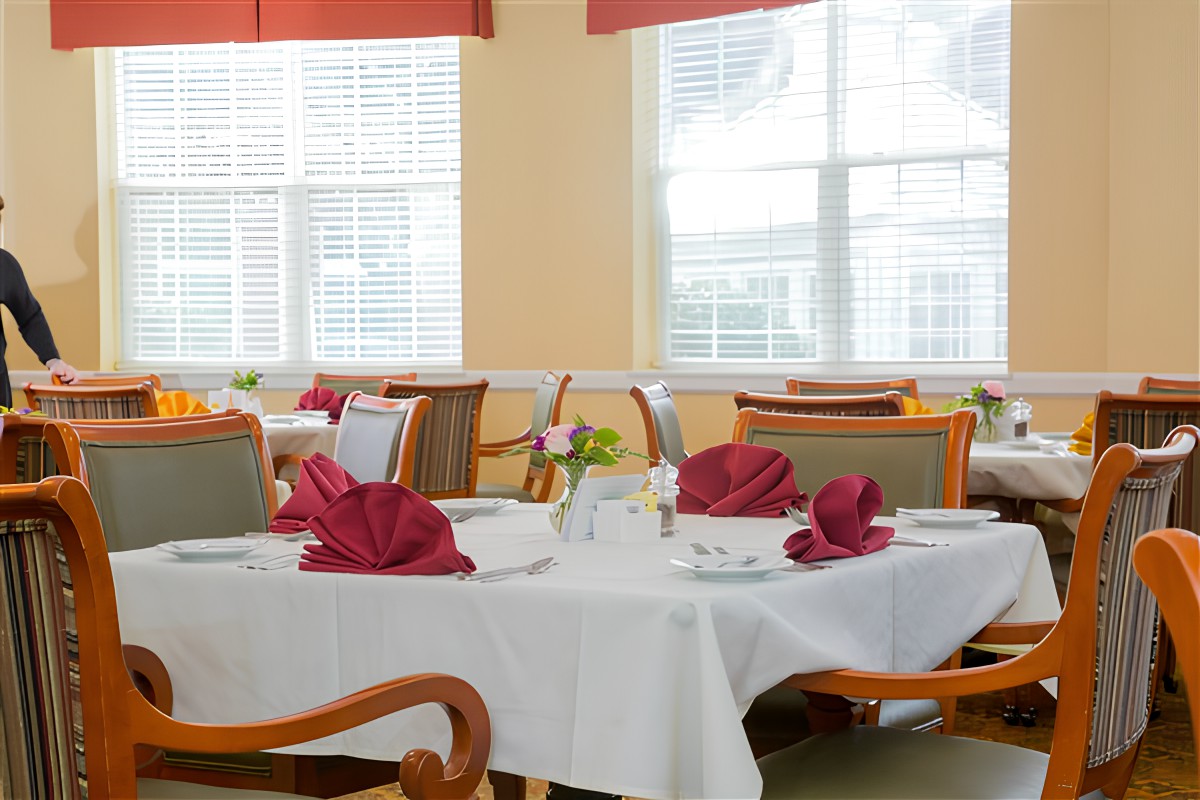
 Dining room
 Fitness room
 Fully furnished
 Gaming room
 Garden
 Housekeeping services
 Kitchenette
 Move-in coordination
 Outdoor space
 Private bathrooms
 Restaurant-style dining
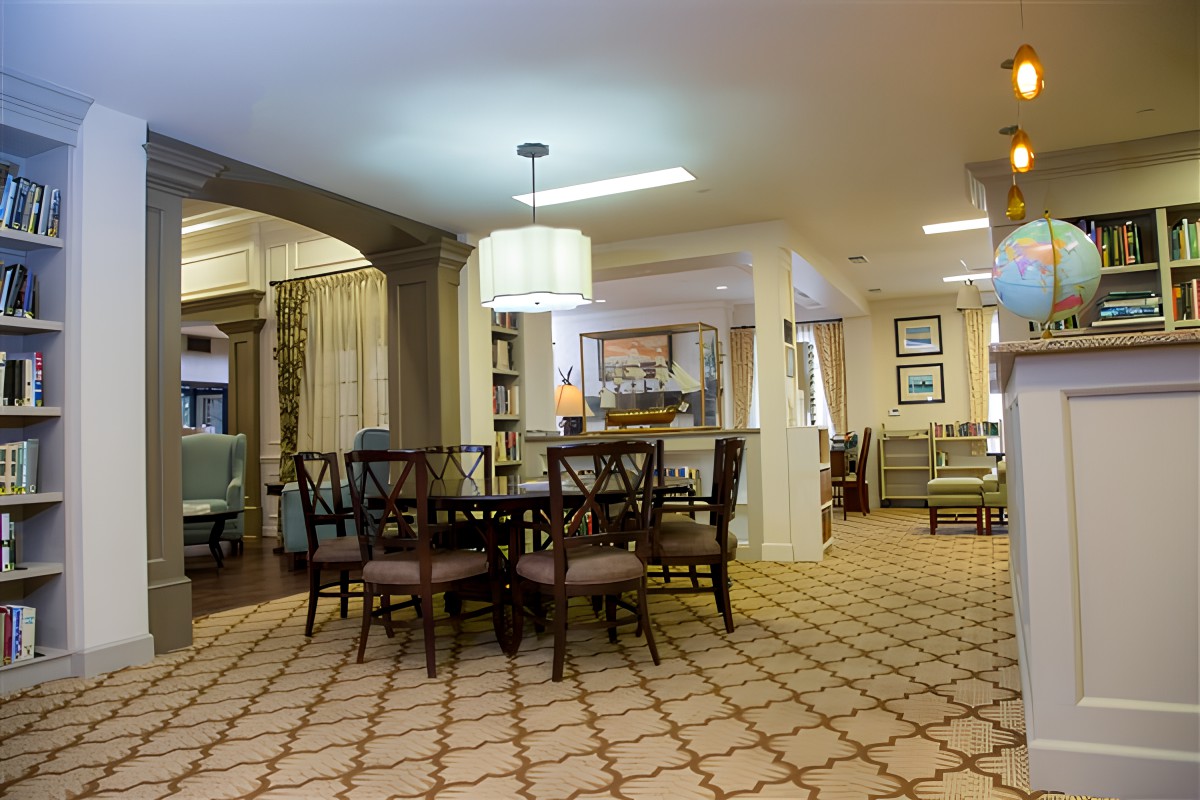
 Small library
 Telephone
 Wellness center
 Wi-Fi/high-speed internet available
 Newport News Williamsburg International (19 miles away)
 Community operated transportation
 12-16 hour nursing
 24-hour call system
 Activities of daily living assistance
 Assistance with bathing
 Assistance with dressing
 Assistance with transfers
 Diabetes diet
 Medication management
 Mental wellness program
 Special dietary restrictions
 Concierge services
 Planned day trips





 Delving into the Inner World of Dementia: Insights into Thoughts and Awareness
 Five Subtle Dementia Indicators to Observe: An In-Depth Guide to Understanding “Does My Mom Have Dementia?”
 Dementia, Paranoia, and Caregiver Guidance: Understanding the Connection