





1807 Jamestown Road, Williamsburg, VA 23185
For more information about senior living options: (866) 208-4318

Overall Review of English Meadows Williamsburg Campus
Pros
 English Meadows has provided outstanding support in caring for residents with dementia.
- It’s an amazing campus with great staff.
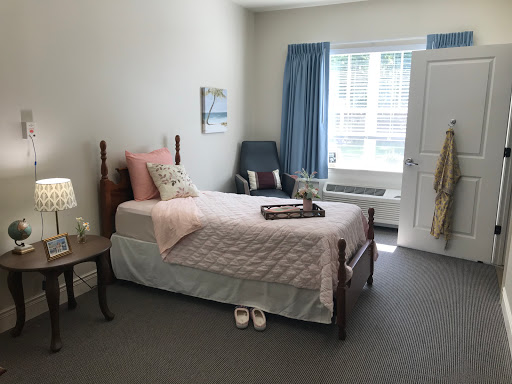
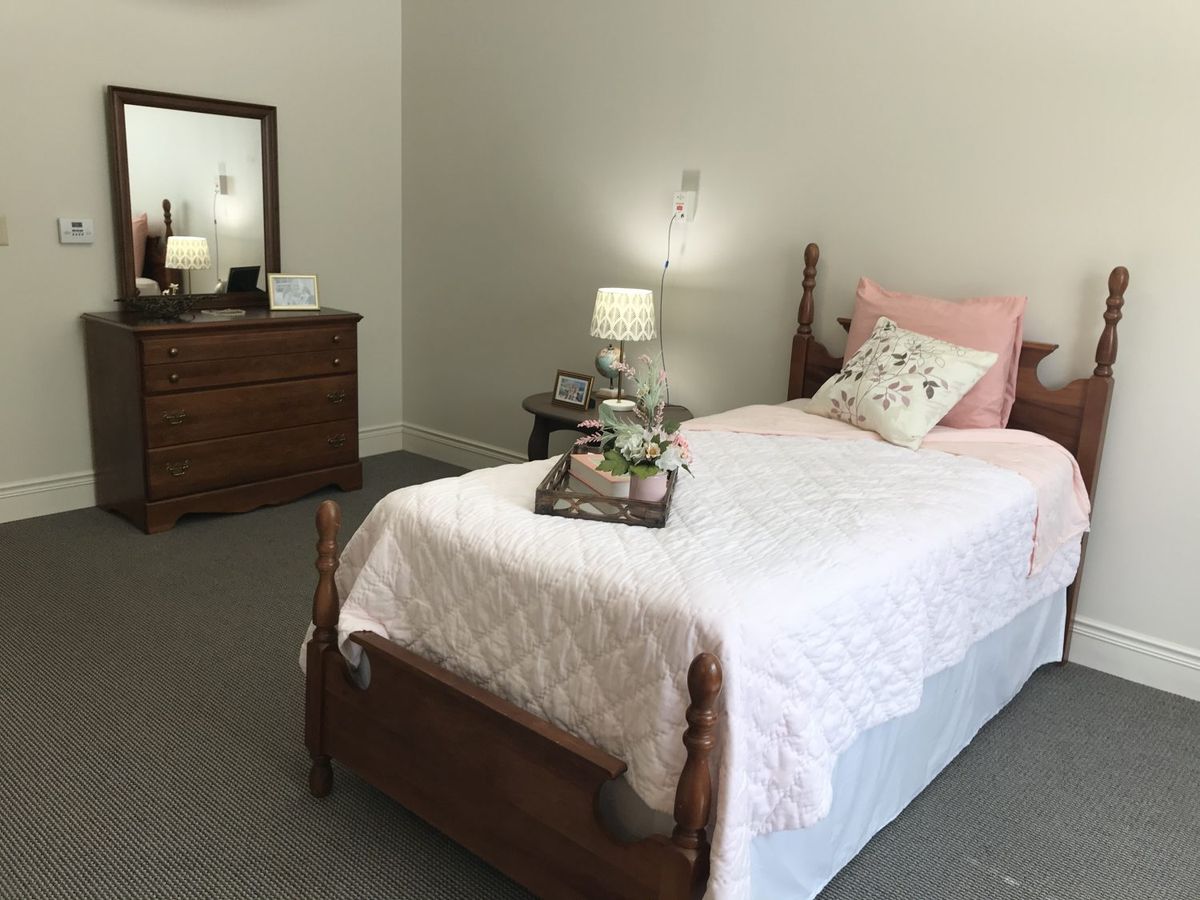
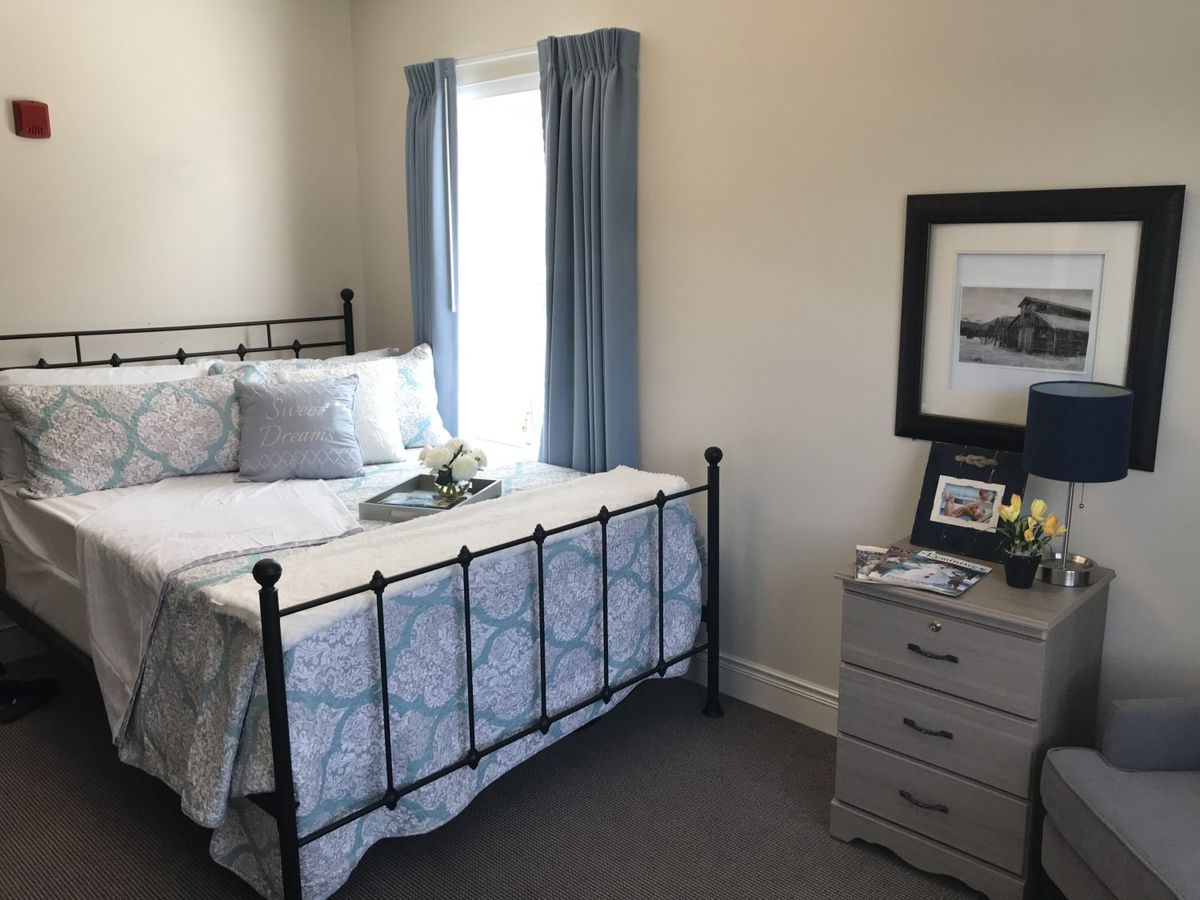
- The rooms were spacious, very nice, and extremely clean.
- All the staff were excellent.
- The food was delicious, and meals were available at different times to accommodate guests.
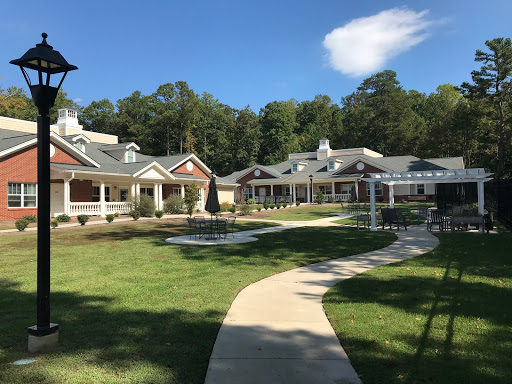
- The campus is a hidden jewel in Williamsburg.
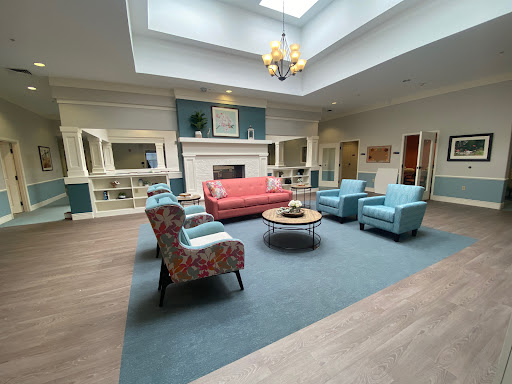
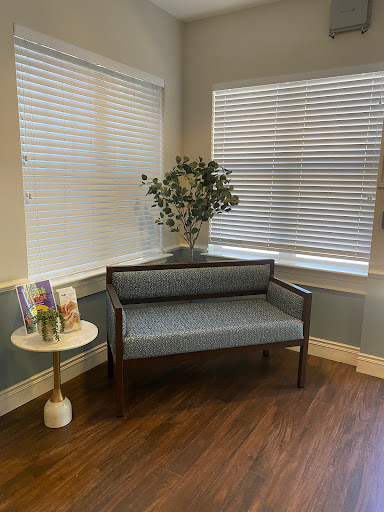
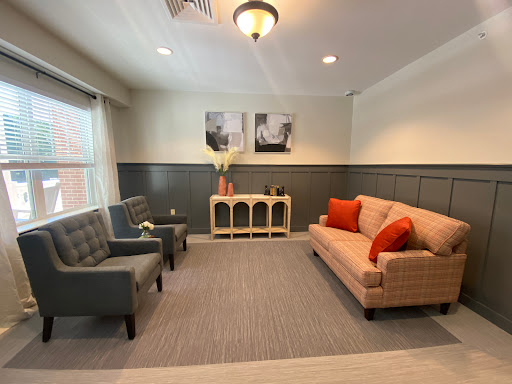
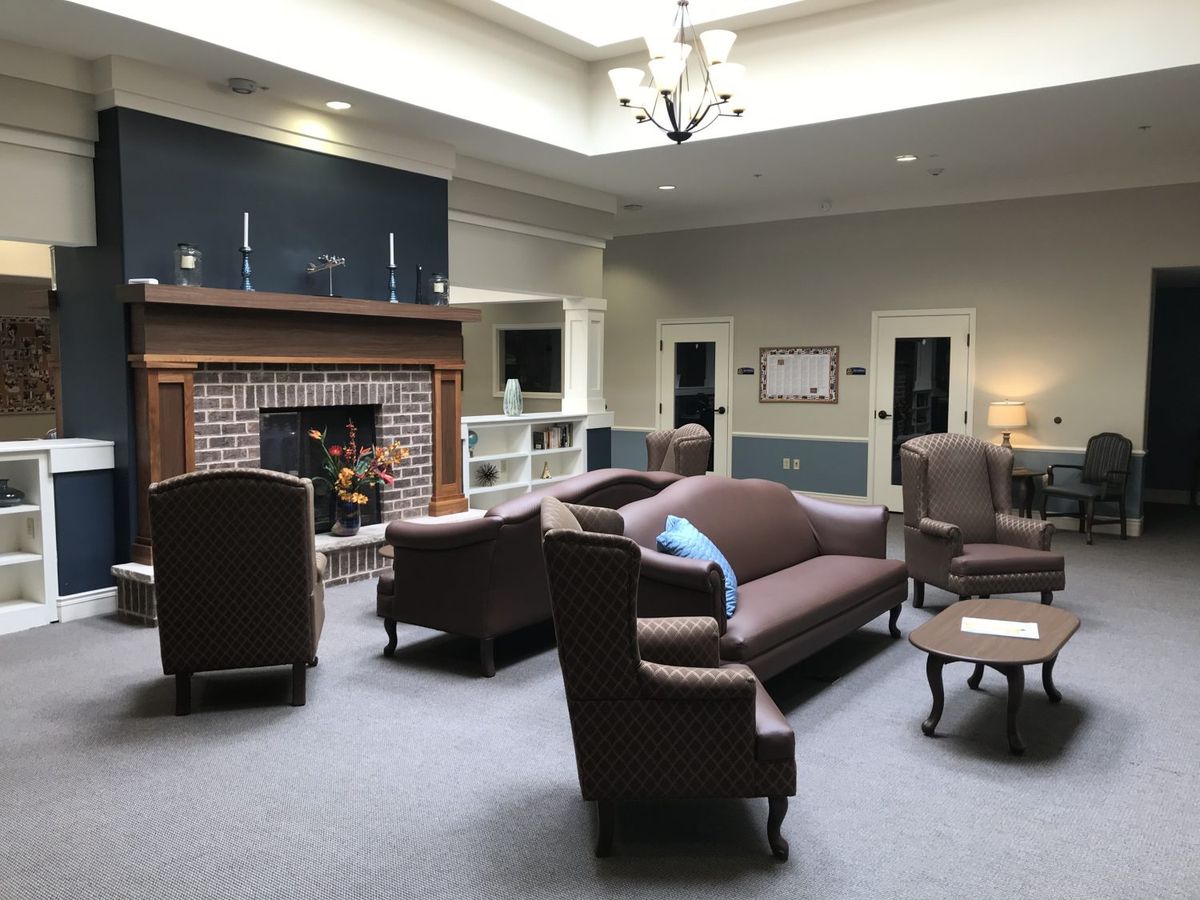
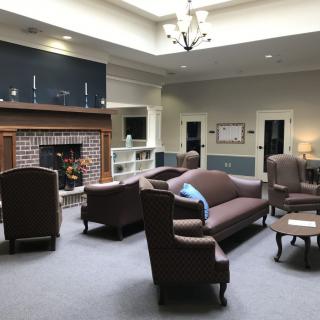
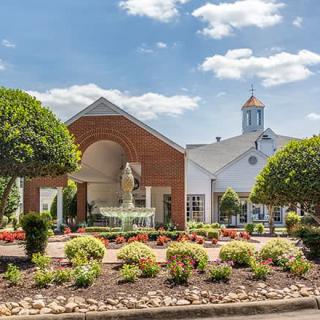
- The environment is lovely, clean, friendly, and caring, giving residents a home-like feeling.
Cons
 The English Meadows campus is closing down and residents were not given enough time to move.
 - The administration has been secretive and the director keeps changing dates.
- They have told their staff to quit.
- This seems illegal, as residents should have at least 30 days to move.
- The Director of Nursing has repeatedly communicated falsehoods.
- The communication with staff is deplorable, with requests going through a voice system and no guarantee of a response.
- The rooms are small and congested, making it uncomfortable for residents and couples.
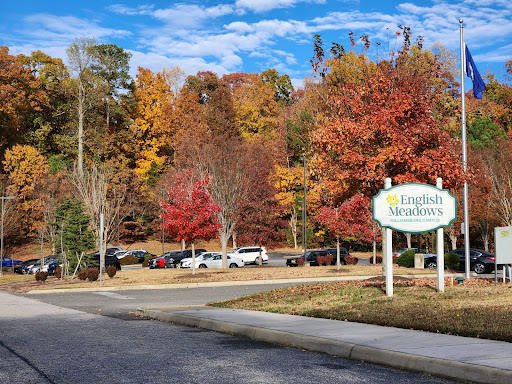
- There is not a lot of parking.
- There are not many activities.
- Management is not on the employees’ side and allegedly puts employees in danger and exposes them to infections.
Review
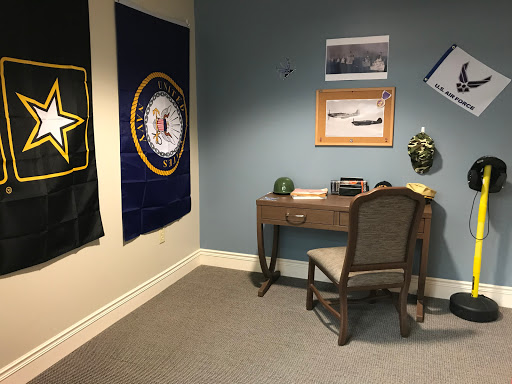
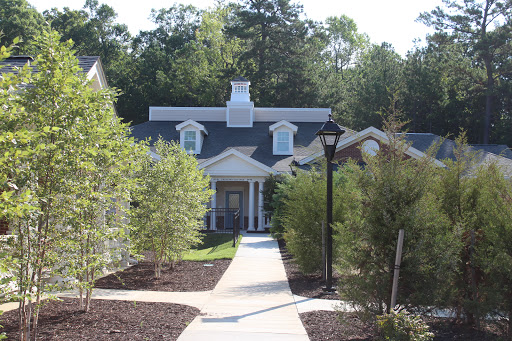
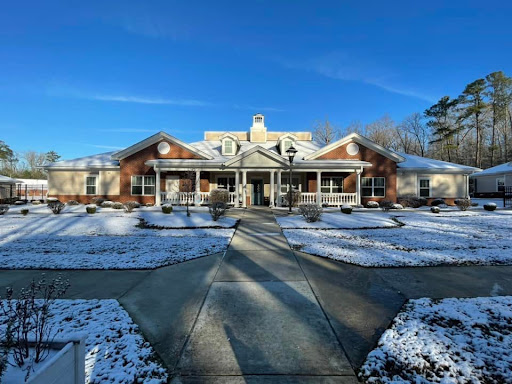
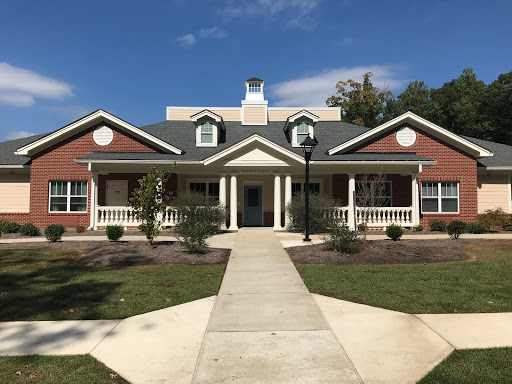
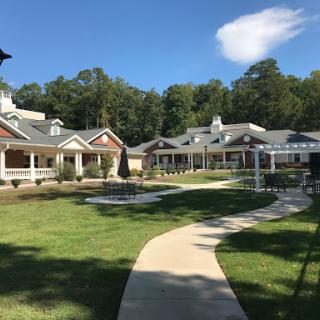
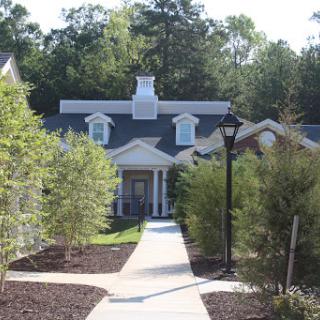
English Meadows Williamsburg Campus is best suited for families prioritizing an intimate, memory-care–driven environment in Williamsburg. The campus is organized into three small cottages, each with 16 rooms, plus a dedicated memory-care building. The setting appeals to residents who value a home-like, close-knit atmosphere, personal attention from a stable caregiving team, and the sense of belonging that comes with a smaller community. Rooms are described as compact but nicely appointed, and the campus reveals a focus on person-centered care inside a modern, clean footprint. For dementia care, the combination of an on-site activities therapist, crafts programs, and structured memory-support spaces often translates into meaningful daily engagement.
Who may want to consider alternatives? Families seeking long-term stability and predictable governance should proceed with caution. Reviews surface recurring concerns about administration and leadership turnover, including multiple changes in administrators and nursing leadership within a short period of residency. The most serious red flag is the report that English Meadows Williamsburg may be closing and that residents and families were not given sufficient time to plan moves. In addition, the campus relies on a voice-activated request system rather than direct, real-time access to staff, which can impede urgent needs. For those needing robust, predictable oversight, transparent communication, and clear relocation pathways, alternatives with more stable leadership and a firmer long-term plan are worth exploring.
The core pros, personalized attention, a well-coordinated staff feel, and a dementia-focused layout, do offer meaningful value, but they must be weighed against the main cons. The intimate cottage design supports consistent caregiver assignments and closer relationships, which many families prize when daily tasks and mood changes are frequent in dementia care. Positive caregiver interactions are repeatedly noted, and the on-site chef and flexible dining times stand out as genuine strengths, helping residents eat well and feel cared for. However, the same pros are tempered by concerns about staff accessibility and communication gaps, which can make it harder to escalate issues quickly when needs arise. When governance feels unsettled, the benefits of a small, specialized setting may not fully offset the risk of abrupt policy shifts or service gaps.
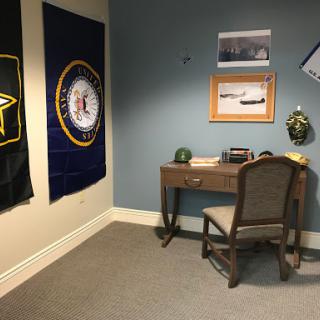
Operational realities on the ground shape the experience in tangible ways. Families praise the campus’s clean, well-kept appearance, the dedicated memory-care spaces, and the sense of community within the cottages. The availability of field trips, crafts, and holiday events provides some social texture beyond basic routines. Yet the layout, small rooms, limited parking, and the potential for shared living between couples, can feel cramped for couples who want more personal space. The dining experience, described as varied and attentive, is a clear upside, and the staff’s warmth in many interactions remains a recurring positive. The risk calculus, however, tilts toward caution when considering long-term residency given the governance questions and the looming question of closure.
Bottom-line guidance centers on careful due diligence and contingency planning. If English Meadows Williamsburg remains a serious option, pursue a transparent briefing from the owner or operator about the facility’s status, the expected timeline if a closure is underway, and concrete relocation options for residents. Meet with the administration, DON, and direct caregivers to assess whether real-time communication can be improved and whether staffing remains consistent enough to support daily needs. Compare with alternatives in Williamsburg that offer similar memory-care strengths but with stronger track records for governance and long-term stability, White Oaks Memory Care and Berkeley Oaks, for example, are cited in the broader market as solid, well-regarded options. In short, choose English Meadows only if the family secures clear assurances about continuity of care, explicit transfer plans if needed, and a governance arrangement that eliminates the risk of abrupt disruption to a loved one’s daily routines.
 48 resident community capacity
 Studio apartments
 Assisted Living
 Memory Care
 Beauty salon
 Cable or satellite TV
 Dining room
 Fully furnished
 Garden
 Guest parking
 Housekeeping services
 Laundry
 Move-in coordination
 Outdoor space
 Party space
 Respite or short term stays offered
 Security gate
 Small library
 Telephone
 VA Benefits Consultation
 Wi-Fi/high-speed internet available
 Newport News Williamsburg International (17 miles away)
 24-hour call system
 Activities of daily living assistance
 Assistance with bathing
 Assistance with dressing
 Assistance with transfers
 Companion care
 Diabetes diet
 Hospice care
 Meal preparation and service
 Medication management
 Mental wellness program
 Physical therapy
 Psychiatric care
 Special dietary restrictions
 Arts and crafts
 Cooking club
 Games
Games Live musical performances
 Stories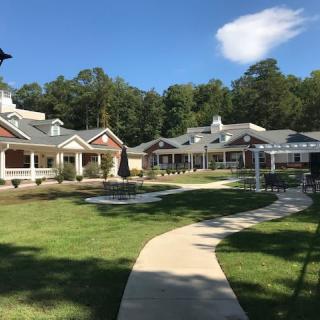





 Engaging Memory Care Activities That Enhance Quality of Life
 When to Transition from Assisted Living to Memory Care: Key Indicators, Steps, and Finding the Right Community
 Understanding the Distinctions: Assisted Living and Memory Care Explained