




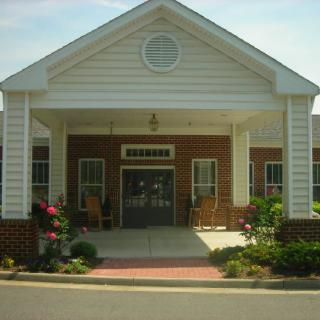
8679 Pocahontas Trail, Williamsburg, VA 23185
For more information about senior living options: (866) 208-4318
Colonial Manor Costs & Pricing
Colonial Manor offers competitive pricing for its residents, particularly when compared to the broader market in Williamsburg and across Virginia. For a semi-private room, Colonial Manor's monthly cost is $2,600, significantly lower than the Williamsburg city average of $4,004 and the state average of $3,991. Similarly, their one-bedroom unit is priced at $3,000, which again provides a more economical option compared to the local average of $4,625 and the statewide figure of $4,257. This positioning suggests that Colonial Manor delivers valuable options for individuals seeking quality accommodations at a more accessible price point within this competitive landscape.
| Floor plans | Colonial Manor | Williamsburg city | Virginia |
|---|---|---|---|
| Semi-Private | $2,600 | $4,004 | $3,991 |
| 1 Bedroom | $3,000 | $4,625 | $4,257 |
Assisted Living communities with a similar price nearby
-
from +$250 / mo

Dominion Village Williamsburg
$2,850 to $3,295 / month10.5 miles away -
from +$400 / mo

The Chamberlin
$3,000 to $3,500 / month23.0 miles away -
from +$375 / mo

Brookdale Chambrel Williamsburg
$2,975 to $5,125 / month7.1 miles away -
from -$305 / mo

The Devonshire
$2,295 to $3,399 / month17.1 miles away -
from +$350 / mo

Dominion Village At Poquoson
$2,950 to $4,200 / month14.3 miles away
Overall Review of Colonial Manor
Pros
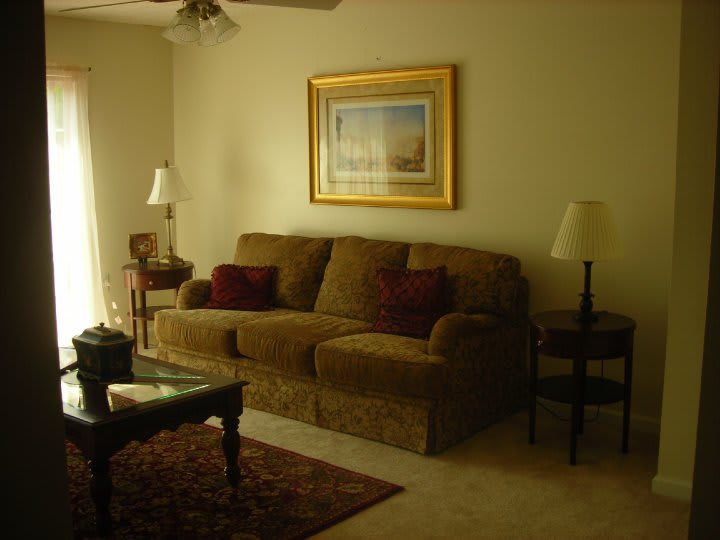
 Colonial Manor is described as a great place with wonderful staff and clean, modern accommodations.
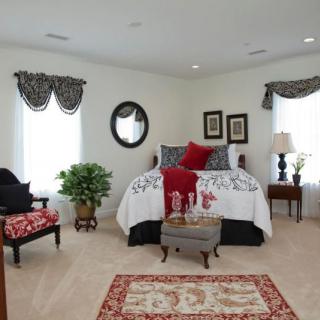
- It offers spacious rooms with large closets and shared kitchens.
- The price is favorable, providing good value compared with other local options.
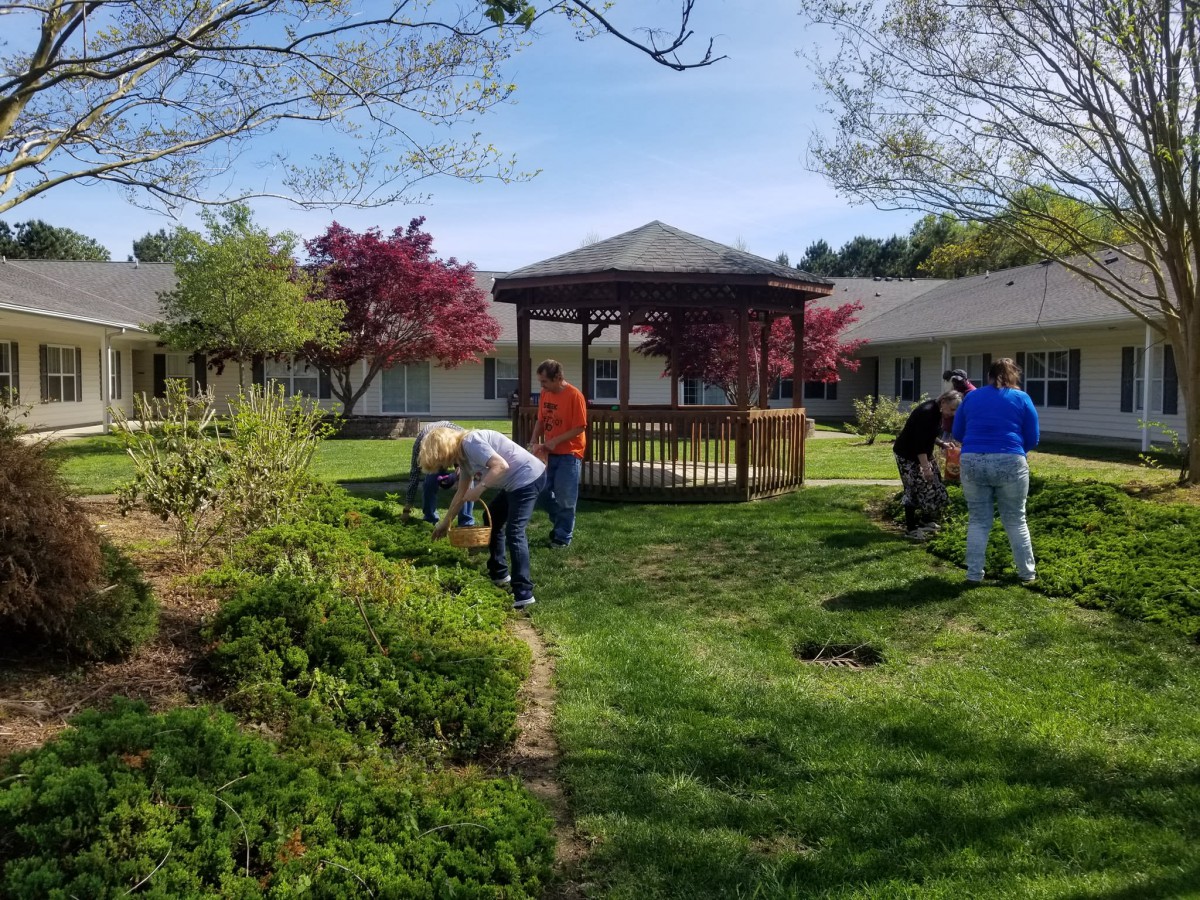
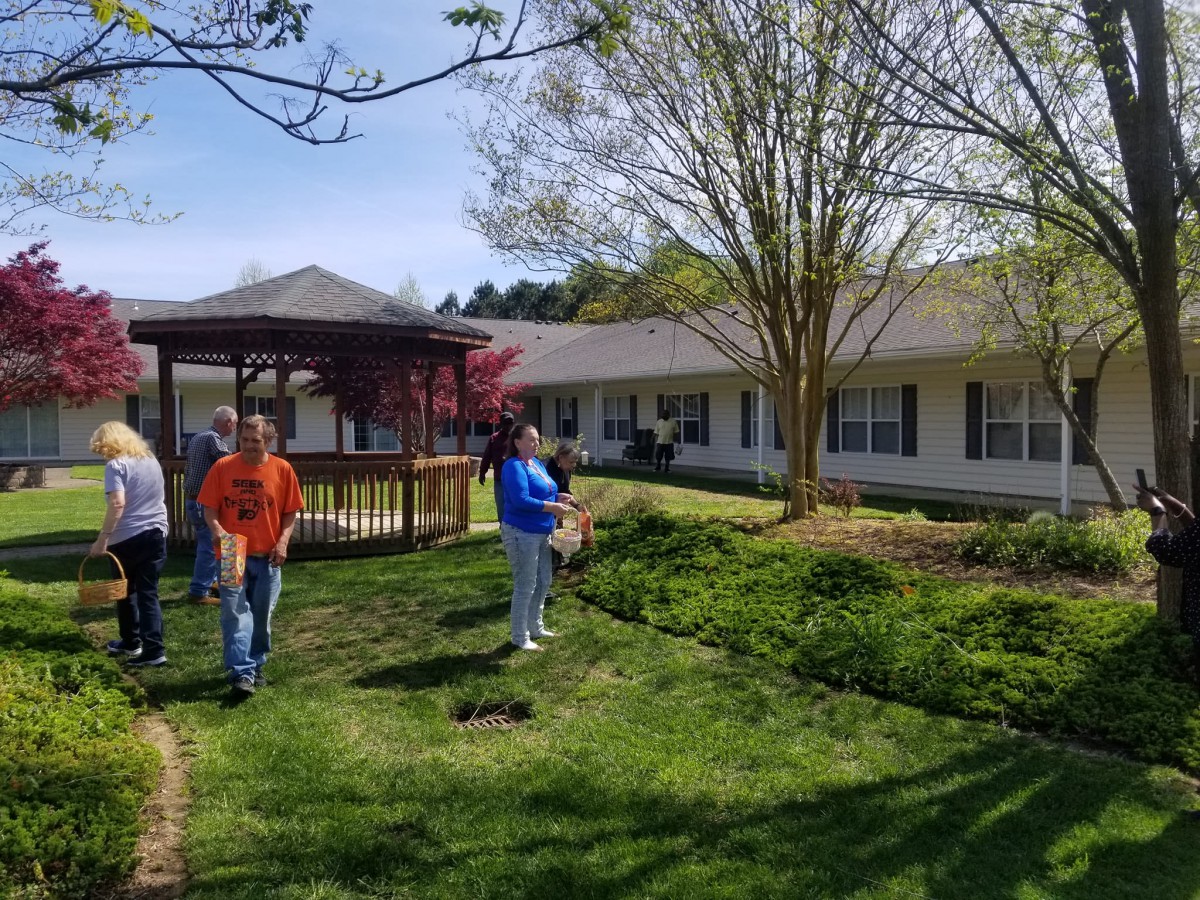
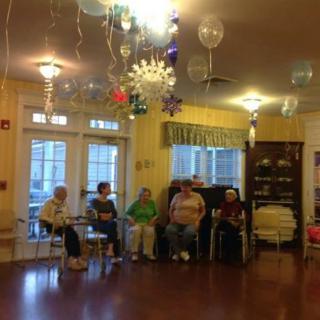
- There are plenty of activities for residents, and the staff are loving and caring.
- The staff and medical team meet residents’ needs.
- The facility is kept clean and provides fresh, appealing food.
- Staff members are praised for being helpful and supportive, with Amy highlighted as a Godsend for transitions.
- Regular activities include weekly field trips and church services on Sundays.
- The community is considered a great value for the money.
Cons
 The facility has serious management and ownership issues, with multiple health care code violations including not providing proper meals, failure to provide necessary medications, sanitation problems, and medication errors.
- They have payroll problems and late W-2s, including a W-2 mailed on February 3rd in direct violation of federal law.
- The rebranding is seen as an attempt to escape negative press, but the reviewer says the underlying issues persist.
- Prospective residents are advised to stay away; most staff are lazy, management is lacking, the administrator is extremely rude and cold, there is barely any food, they only care about money, and there are little to no activities.
- The place smells bad, feels depressing and rundown, and is in need of maintenance.
- There are serious safety concerns: mental health patients with anger outbursts outnumber the residents, there are no safety guidelines, not enough help, and outsiders can walk in.
Review
Colonial Manor in Williamsburg is best suited for budget-minded families that prize warmly responsive caregiving, clean, comfortable spaces, and a schedule of social activities, provided there is a tolerance for potential gaps in governance and upkeep. The community’s strongest leverage lies in its staff, who are repeatedly described as loving, attentive, and able to meet residents’ basic needs, alongside surprisingly spacious rooms and modern touches for the price. Prospective renters with dementia or memory-care needs will find some comfort in staff engagement and the presence of medical team support, but must weigh whether medical oversight remains consistently reliable day to day. In short, this is a value-forward option for those who prioritize human warmth and affordability over absolute clinical polish.
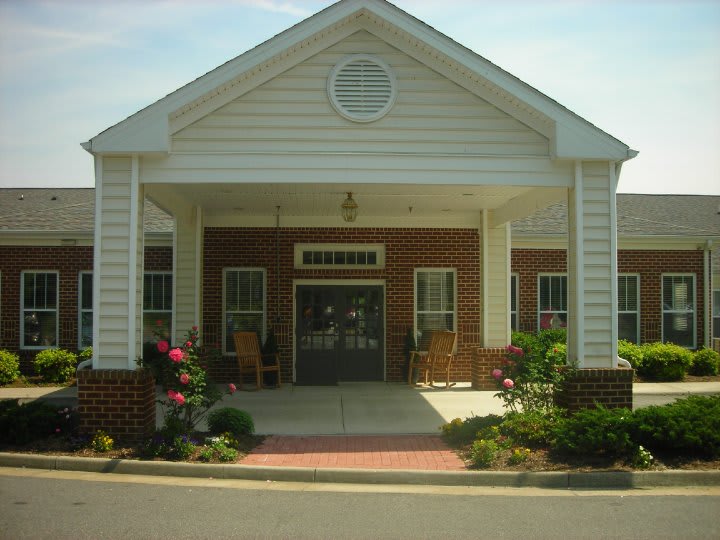
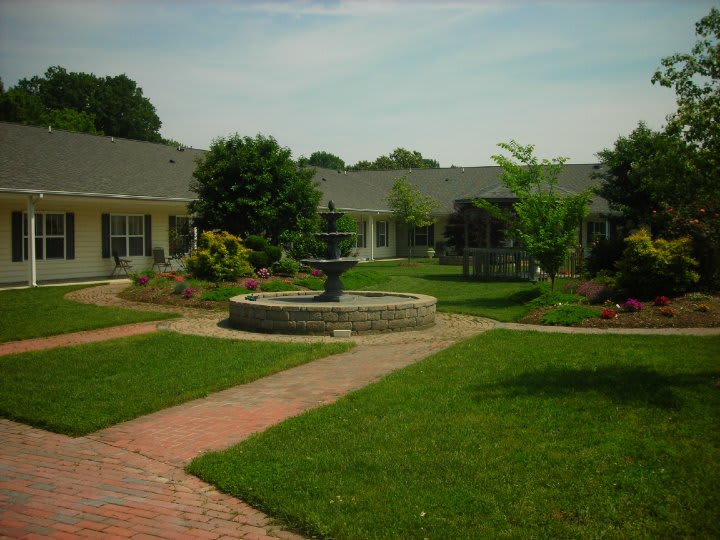
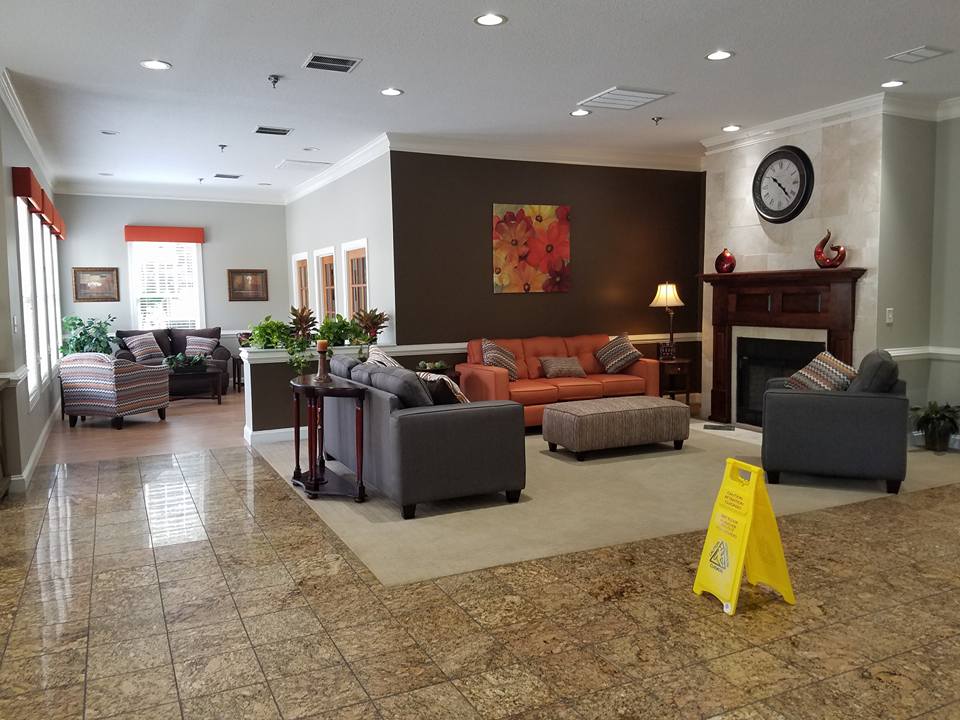
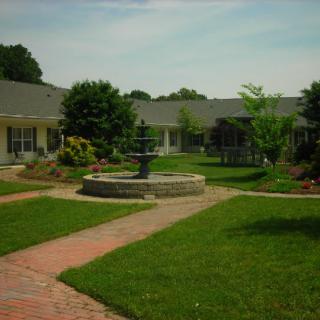
On the positive side, cleanliness and a fresh-feeling atmosphere are repeatedly cited as standout attributes. Families note tidy common areas, pleasant smells, and well-kept surroundings, which can make a meaningful difference in daily comfort. The practical design, larger closets, shared kitchens, and generous room sizes, contributes to a sense of home rather than institutional confinement. The activity slate, including regular outings and church-related programming, helps sustain social engagement and purpose, a critical factor for residents who want routine, predictable enrichment without paying a premium. When the staff are aligned with resident needs, these elements create a credible living experience that can ease transitions from home.
However, the most persistent and consequential concerns orbit around management and safety. Reviews allege serious governance and ownership issues, including prior health-care code violations, medication errors, and sanitation lapses. Payroll irregularities and delayed W-2s are also cited, signaling broader administrative fragility that can undermine resident security and family confidence. While a rebranding has occurred, the lingering impression is that leadership quality may still lag behind the surface-level improvements. In one-third of the comments, administrators come across as cold or overly focused on costs, which clashes with the otherwise compassionate staff narrative. These tensions matter, because reliable medical administration and transparent governance are nonnegotiables for long-term residency.
Other cons that families must weigh are equally meaningful. Several residents’ families describe limited activities and staffing strain, suggesting that even with a robust activity calendar, there may be days when individualized attention feels scarce. Critiques about insufficient food quality or quantity, alongside concerns about safety controls and restricted supervision, create an ambivalent safety net for residents who require consistent monitoring. The sense of a facility that “does not feel fully staffed” for programming or crisis management is a red flag for families evaluating suitability for more vulnerable loved ones, especially those needing predictable routines or enhanced behavioral support.
That combination of strong care staff and weak administrative continuity makes Colonial Manor a high-stakes pick. The pros, cleanliness, spacious living arrangements, and meaningful social programming, do offset some risk for residents who are semi-independent and value companionship over clinical rigor. Yet the cons cannot be dismissed: governance questions and documented care lapses raise legitimate concerns about day-to-day reliability and safety. For families prioritizing ironclad oversight, strict medication management, and consistently engaging programming, alternatives with stronger track records in regulatory compliance and operational stability are worth exploring first. The decision hinges on how heavily the care atmosphere and personal connections weigh against governance volatility.
Practical next steps are essential before making a commitment. Prospective residents should demand current state inspection reports and any corrective actions within the last 12–18 months, talk directly with the administrator about staffing ratios, and verify that medication administration processes are sound and well-documented. A tour should include frank conversations with current residents and families about meal satisfaction, daily activity availability, and what happens during staffing shortages. Ask for a transparent explanation of any facility upgrades and how maintenance requests are prioritized. Finally, confirm the current financial terms, what is included in the rate, and whether there are contingent plans if service levels dip.
In the end, Colonial Manor represents a practical, value-oriented option with undeniable strengths in caregiving warmth and home-like spaces, balanced by serious concerns around governance, safety, and consistency. For families who can live with a degree of administrative fragility and who foreground personal interactions and cost, it warrants careful consideration and a decisive, structured tour. For those needing unwavering clinical oversight, robust safety protocols, and consistently robust programming, alternative communities should be pursued first. A measured trial period coupled with clear expectations can help determine whether this community delivers the reliable, compassionate daily experience sought for a loved one.
 65 resident community capacity
 Assisted Living
 Independent Living
 Activities off-site
 Air-conditioning
 Bath tubs
 Beautician on-site
 Cable or satellite TV
 Computer center
 Devotional services on-site
 Dining room
 Fitness room
 Fully furnished
 Gaming room
 Garden
 Ground floor units
 Handicap accessible
 Housekeeping services
 Indoor common areas
 Kitchenette
 Move-in coordination
 Outdoor common areas
 Private bathrooms
 Private patio, deck, or balcony
 Respite or short term stays offered
 Restaurant-style dining
 Small library
 Telephone
 Wellness center
 Wheelchair accessible showers
 Wi-Fi/high-speed internet available
 Newport News Williamsburg International (10 miles away)
 Community operated transportation
 12-16 hour nursing
 24-hour call system
 Assistance with bathing
 Assistance with dressing
 Assistance with transfers
 Diabetes diet
 Diabetic care
 High acuity care
 Incontinence care
 Medication management
 Mental wellness program
 Special dietary restrictions
 Art classes
 Catholic services
 Concierge services
 Cooking classes
 Day trips and outings
 Happy hour
 Karaoke
 Live dance or theater performances
 Live musical performances
 Trivia games
 English



 Assisted Living Expenses and Long-Term Care Insurance: A Comprehensive Exploration
 Securing Financial Support for Assisted Living: A Comprehensive Overview
 Social Security Benefits and Assisted Living: Navigating Options Across the U.S.