
1182 Eastside Hwy., Waynesboro, VA 22980
To contact a resident: (540) 943-1470
For more information about senior living options: (866) 208-4318
Overall Review of Cardinal House Group Home
Pros
 The staff are great, fast, and knowledgeable.
- Customers consistently like the paint.
- Augusta Paint and Decorating provides knowledgeable and helpful service, and customers plan to use them again.
- The service is great and the paints are excellent.
- It is a great place to get good paint at a fair price.
- Benjamin Moore is considered the best paint available.
- Customers have had excellent customer service on every visit to Augusta Paint.
- The staff are very helpful, offering good advice for the do-it-yourselfer, with a personal touch and fair prices.
Cons
 The price of paint has caused sticker shock over the last five years.
Review
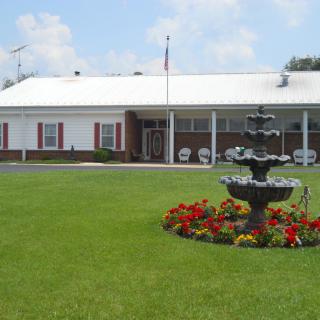
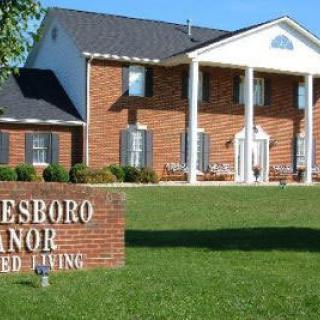
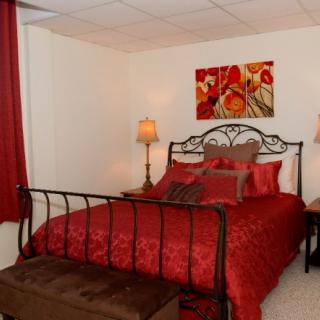
Cardinal House Group Home in Waynesboro, Virginia, is best suited for seniors who want a small, home-like environment where staff know residents well, respond quickly, and deliver daily living support with a personal touch. This setting fits families seeking predictable routines, meaningful social contact within a compact footprint, and hands-on assistance with tasks of daily living rather than a large, impersonal campus. It works for residents who value intimate, staff-centered care over expansive amenities, where the day-to-day experience feels like living in a well-managed household rather than a sterile institution. Those priorities, personal attention, steady rhythms, and clear human connection, define the core strength of Cardinal House and should guide the decision-making process when medical complexity is not the dominant driver.
However, this setting may not suit every senior. Residents with high medical needs requiring constant clinical oversight, complex wound care, or specialized memory care may be better off in a facility with dedicated on-site clinicians or a distinct memory-care program. Families should confirm the home’s capacity to coordinate with outside providers and arrange for regular medical supervision, ensuring care continuity from doctor visits to emergency planning. Cost stability emerges as another critical factor; while the everyday services appear straightforward, long-term price changes can erode affordability. A transparent, itemized rate structure and a clear understanding of what is included, and what triggers additional charges, become essential elements of a sound decision.
The strongest positives in care settings of this type, staff expertise, quick responses, and professional, courteous interaction, create a foundation for safer, calmer days for residents. In a small-group environment, those attributes matter most because each action and decision has a direct, visible impact on daily life. The ability of caregivers to anticipate needs, assist with mobility, manage medications, and de-escalate anxiety translates into measurable daily benefits: reduced risk, smoother routines, and more stable mood for residents. While larger campuses can offer broader programming, Cardinal House’s intimate scale often yields deeper personal connections, with staff who know preferences, routines, and triggers, thereby reducing confusion and enhancing a sense of safety.
To separate fit from risk during a visit, families should probe staffing levels, on-call availability, and the format of daily activities. In a small home, it is essential to verify staff-to-resident ratios across day and night shifts and to observe how meals, housekeeping, and mobility assistance are integrated into the schedule. Ask about safety measures, fall prevention, emergency call systems, and accessibility, because the best intentions rely on reliable execution. Request concrete examples of staff responses to common scenarios such as changes in medications, sundowning, or transportation to appointments. A readiness signal is a transparent, proactive approach to family communication, with regular updates and clear pathways for elevating concerns when needed.
Cost planning cannot be an afterthought. Gather a current, written care plan with a full breakdown of monthly fees, any entrance or move-in costs, and what services are bundled versus charged separately. Compare with nearby options that offer similar environments and levels of assistance to avoid surprises when benefits or budgets shift. In addition, consider trial stays or short-term arrangements to test fit without a long-term commitment. If memory care, 24/7 nursing presence, or a particular activity program is non-negotiable, verify its existence in the plan and whether it affects availability or price. The goal is a clear, predictable financial path that aligns with care needs and family resources.
In sum, Cardinal House Group Home emerges as a compelling choice for families seeking a warm, connected, staff-driven living environment where daily routines stay simple, predictable, and person-centered. Its strength lies in intimate scale and dependable caregiving, which translates into trust and continuity for residents who thrive on personal attention. For seniors requiring intensive medical management, or for families seeking expansive programming and robust memory-care options, larger facilities will often be more suitable. The decisive step remains a structured visit, a transparent cost comparison, and a concrete plan for medical coordination, ensuring the chosen path delivers comfort, safety, and long-term financial feasibility aligned with the resident’s values and family priorities.
 Assisted Living
 Activities on-site
 Devotional services off-site
 Indoor common areas
 Shenandoah Valley Regional (10 miles away)
 Ambulatory care
 Diabetic care
 Meals provided

 Assisted Living and Memory Care: Understanding Their Core Differences
 Beyond the Bingo Hall: 50+ Enriching Activities for Seniors in Assisted Living
 Understanding the Distinctions: Assisted Living and Memory Care Explained