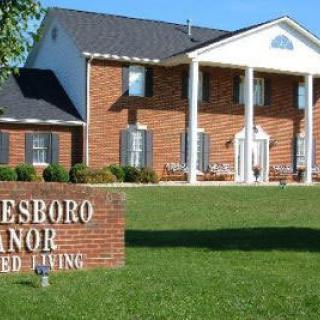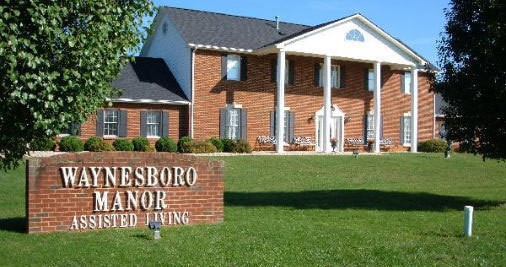
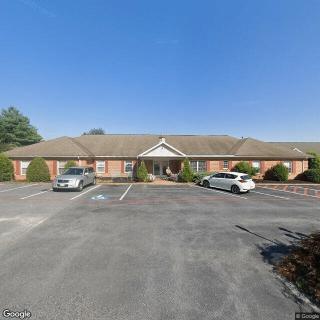
809 Hopeman Parkway, Waynesboro, VA 22980
For more information about senior living options: (866) 208-4318
Waynesboro Manor Costs & Pricing
Waynesboro Manor offers competitive pricing for its accommodations, particularly when compared to the broader market within Waynesboro city and the state of Virginia. For a semi-private room, residents can expect to pay $2,500 per month, which is slightly lower than the city's average cost of $2,530 and significantly less than the state average of $3,991. Similarly, for a one-bedroom unit at Waynesboro Manor, the monthly fee remains consistent with local pricing at $3,200 while providing considerable savings in comparison to the statewide average of $4,257. This positioning not only reflects an attractive economic choice for prospective residents but also underscores Waynesboro Manor's commitment to delivering quality living arrangements without compromising affordability.
| Floor plans | Waynesboro Manor | Waynesboro city | Virginia |
|---|---|---|---|
| Semi-Private | $2,500 | $2,530 | $3,991 |
| 1 Bedroom | $3,200 | $3,200 | $4,257 |
Assisted Living communities with a similar price nearby
-
About the same

Brightview Baldwin Park
$2,545 to $5,115 / month11.0 miles away -
from -$220 / mo
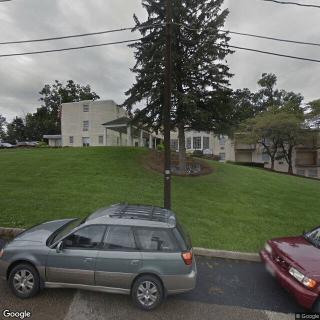
Ruxton Health of Staunton
$2,280 to $5,130 / month10.5 miles away -
from +$154 / mo

The Legacy at North Augusta
$2,654 to $5,239 / month11.1 miles away -
from +$250 / mo
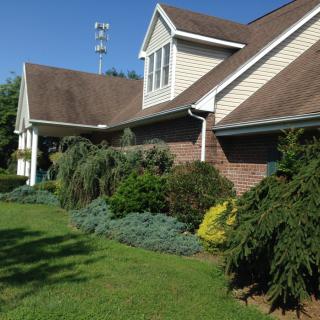
Royal Care at Birch Ridge
$2,750 to $3,700 / month6.6 miles away -
About the same
Willow Estates Retirement
$2,500 to $3,000 / month22.3 miles away
Overall Review of Waynesboro Manor
Pros
 Waynesboro Manor is described as an amazing place for families, with great food and resident care.
- The staff at Waynesboro Manor are lovely and caring, providing thorough information and answering questions.
- Since a resident has been there, everything has been going great, with plenty of activities, good food, and convenient visiting.
- The environment is clean and welcoming, with friendly staff who truly care, and residents can personalize their rooms.
- The transition to Waynesboro Manor Assisted Living is easy, the facility is clean and welcoming, and it is highly recommended.
Cons
 They left several messages seeking a tour and to discuss placing their mother-in-law, but have not received a callback.
- The staff member is racist and rude for no reason, and the place would not be recommended.
- The price was out of their aunt's range and the location was too far to drive back and forth, so it wasn't the right fit in the end.
- On the last day, they found their husband alone in a room, very soiled and dehydrated, and felt staff should check on patients more often.
Review
Waynesboro Manor is best suited for families seeking a warm, neighborly assisted-living environment where care staff feel accessible, meals are dependable, and visiting feels natural. The community tends to resonate with residents who value daily routines, engaging activities, and a home-like setting, with the added advantage of being reasonably close to family for regular visits. Prospective residents who prioritize personal warmth, easy transitions, and a tidy, welcoming atmosphere will find the most value here.
The strongest positives consistently cited are attentive staff and a caring management presence, clean and inviting common areas, and a focus on meaningful activities and social opportunities. Families repeatedly note that transitions into the facility are smooth, rooms can be personalized, and meals are satisfying for the most part. The overall ambience, friendly aides, approachable managers, and a setting that feels like home, helps residents settle in, enjoy their days, and maintain a sense of familiarity. Proximity to relatives further enhances the care experience by enabling frequent in-person visits.
However, several clear downsides temper those strengths. A few voices raise concerns about inconsistent communications, particularly around arranging tours or initial conversations, which can delay the planning process. More serious red flags appear in isolated reports: one review describes a staff member as racist and rude, while another recounts a resident left alone, very dirty, and dehydrated on the last day of a stay. These incidents highlight the importance of scrutinizing daily oversight and responsiveness before committing. Additionally, price and distance pose real barriers for some families, with certain loved ones deemed out of range financially or impractical to visit regularly.
The key advantages, compassionate staff, a clean, welcoming environment, and abundant activities, do offset many of the concerns, but not entirely. When care staff are attentive and residents can build relationships with caregivers, the risk of overlooked needs diminishes and everyday life feels stable and engaging. The home-like atmosphere and the ability to tailor a resident’s space support comfort and continuity, reducing anxiety during transitions. Still, the dehydration and neglect‑related reports cannot be dismissed; they serve as a sober reminder to verify staffing levels, supervision routines, and quality controls firsthand before making a decision.
Alternatives should be considered for families with tighter budgets, longer travel requirements, or uncompromising needs for oversight. If pricing is a nonstarter or if family members must avoid frequent long drives for visits, other communities with lower ongoing costs or closer proximity may be a better fit. If immediate, consistent, and highly proactive daily oversight is non-negotiable or if concerns about staff conduct carry a heavier weight, it’s prudent to compare several options and request candid tours and in-person demonstrations of daily care routines.
In the end, a visit with direct questions is essential. Prospective buyers should schedule a tour, meet the administrator and front-line caregivers, review a current activity calendar, and request a detailed outline of daily monitoring, meal planning, and hydration checks. Probe specifically about staffing ratios, turnover, and how concerns like the dehydration incident are investigated and remedied. Gather testimonials from multiple families, and verify pricing inclusions to avoid surprise charges. Waynesboro Manor can be a strong fit for families who prize warmth, cleanliness, and engagement, but it rewards careful due diligence where budget, distance, and unwavering daily oversight are paramount.
 40 resident community capacity
 Assisted Living
 Activities on-site
 Air-conditioning
 Beautician on-site
 Cable or satellite TV
 Devotional services on-site
 Dining room
 Fully furnished
 Garden
 Housekeeping services
 Indoor common areas
 Kitchenette
 Move-in coordination
 Outdoor common areas
 Restaurant-style dining
 Small library
 Telephone
 Wi-Fi/high-speed internet available
 Shenandoah Valley Regional (12 miles away)
 24-hour call system
 Ambulatory care
 Assistance with bathing
 Assistance with dressing
 Assistance with transfers
 Diabetes diet
 Diabetic care
 Incontinence care
 Medication management
 Mental wellness program
 Special dietary restrictions





 Comprehensive Supportive Living Arrangements for Adults with Disabilities
 Funding and Affording Assisted Living: A Thorough Overview
 Assisted Living Expenses and Long-Term Care Insurance: A Comprehensive Exploration