St. Luke's ACR

2359 Jefferson Hwy, Waynesboro, VA 22980

For more information about senior living options: (844) 490-3973

3.5 from 37 reviews
5 stars
21
4 stars
3
3 stars
0
2 stars
0
1 stars
13

Assisted Living

St. Luke's ACR Costs & Pricing

St. Luke's ACR offers competitive pricing for its accommodations when compared to both Waynesboro City and the broader state of Virginia. The semi-private rooms at St. Luke's are priced at $1,890 per month, significantly lower than the $2,530 average in Waynesboro and well below the state average of $3,991. For those seeking more privacy, studio options are available at St. Luke's for $2,520, which again stands out against the local rate of $3,360 and the statewide average of $4,436. These cost advantages not only highlight St. Luke's commitment to affordability but also position it as an appealing choice for individuals seeking quality care without compromising on budgetary considerations.

Floor plansSt. Luke's ACRWaynesboro cityVirginia
Semi-Private$1,890$2,530$3,991
Studio$2,520$3,360$4,436

What level of care are you interested in?

Assisted Living

Memory Care

Independent Living

Skilled Nursing Facility

Continuing Care Retirement Community (CCRC)CCRC

Other


Request a tour at St. Luke's ACR

    Overall Review of St. Luke's ACR

    Pros

    • pro The staff welcomed the child with open arms, and he loves his teachers.
    • pro Ms. Whitney and Ms. Ashley are highly regarded by families.
    • pro The staff know the child and his family by name, which is comforting.
    • pro The center emphasizes hands-on learning, with daily photos of activities.
    • pro Teachers are genuinely invested in each child's growth and development.
    • pro Daily reports keep parents informed about their child's day.
    • pro Children thrive in a nurturing environment with engaging activities that encourage exploration and learning through play.
    • pro Willow Tree is described as a blessing to families, with staff who greet them with a smile every morning.

    Cons

    • pro A reviewer claims the owner prioritizes vacations and profits over running the daycare properly, implying financial motives and non-refundable deposits.
    • pro A reviewer describes the owner as a crook who steals money and shames mothers who raise concerns.
    • pro A reviewer states the facility is unorganized and unprofessional and suggests it should be shut down.
    • pro A reviewer reports their child was bitten and came home with marks and bruises, with no incident reports provided and staff unaware of the events.
    • pro A reviewer notes their child frequently got sick while enrolled, reflecting poorly on management and cleanliness.
    • pro A reviewer warns others not to bring their children there, advising caution about the owner's conduct.

    Review

    Willow Tree Academy emerges in these accounts as a place that many families come to rely on with affection and gratitude, while also drawing sharp warnings from a smaller subset of parents who describe serious concerns about management and safety. Across numerous testimonials, the common thread is that the staff are genuinely caring, the children are welcomed by name, and early learning feels hands-on and lively. Parents repeatedly emphasize that the atmosphere is warm, the teachers are attentive, and the daily routines include meaningful communication about each child's day. In particular, several families sing the praises of specific teachers and the sense that the staff know their children and their family story by heart, which brings genuine reassurance mornings and evenings alike.

    The positive experiences often center on individual teachers who go above and beyond. One parent especially highlights Ms. Whitney and Ms. Ashley, noting that the entire staff makes an effort to accommodate their child's needs from the moment they started at four months old. The praise extends beyond warmth to concrete practices: teachers who ask thoughtful questions when a child seems unwell, daily snapshots and pictures of activities, and an emphasis on hands-on learning that keeps children engaged and excited about school. Several families mention the delight of seeing tangible progress - children picking up new words, forming sentences, and thriving socially and academically - thanks to an environment described as nurturing and actively exploratory rather than passive care.

    Communication and collaboration with the adults who run Willow Tree are repeatedly cited as strengths. Many reviews describe a welcoming, open line of dialogue with teachers and directors, with families feeling comfortable voicing concerns and receiving timely responses. The sense of partnership is reinforced by mentions of daily reports that keep parents informed about their child's day, as well as the ability to stay in the loop about any specialized programs, such as speech therapy, that a child might be participating in. The community feeling extends to the homes of the families, who describe being greeted each morning with smiles and a sense that the center treats their family as part of a larger Willow Tree community.

    Several reviews celebrate the program's commitment to growth and development beyond basic caregiving. Beyond routine care, families highlight experiences like field trips and special days, and there are explicit affirmations of how the center supports children with varying needs. One parent recalls a child with a speech delay who began producing new words and sentences after several weeks of focused practice and collaborative involvement with speech professionals. The willingness of the staff to engage with outside experts, share updates with families, and tailor approaches to individual children is a recurring positive theme. For many families, Willow Tree is not just a place to watch children during the workday; it is a setting where children learn through play, exploration, and structured activities that feel meaningful to their development.

    In parallel with the many glowing reviews, there are strongly negative voices that depict quite different experiences. A subset of reviewers portrays the owner as the central point of concern, describing her as focused on money, vacation time, or financial arrangements rather than the day-to-day needs of the children. Some reviews claim that a significant emphasis on monetary matters includes issues with deposits or financial transparency, and that there are warnings circulating in the community about not getting deposits returned if a family changes their mind about enrollment. These comments also allege a broader pattern of prioritizing profits over care, and they urge prospective families to conduct thorough checks and to listen to multiple sources before making a decision.

    Even more pointed are accusations about management and safety. A number of reviewers describe a lack of incident reporting after injuries or troubling events, with claims that staff were not always fully informed about incidents, and that communication around such issues was insufficient. One review uses very strong language about the owner, labeling her rude and accusing her of being disorganized and unprofessional. There are stories of children getting sick or being bitten, with some parents feeling that warning signs or explanations were not provided promptly, which leads to hesitancy and anxiety about leaving a child in care. These reviews emphasize a perception that the ownership's conduct, structure, and safeguards did not meet expectations for safety, transparency, or respectful treatment of families.

    Against the negative accounts, several families recount stable, long-standing, and deeply positive experiences that led them to recommend Willow Tree to others. Some parents speak about leaving the center only because of a relocation or a change in family circumstances, not because of dissatisfaction with care. Others describe consistent, positive relationships with staff such as Jennifer, Stephanie, or Jen, who were helpful in providing information and arranging tours. The recurring message in these testimonies is that, when the environment functions well, children are happy, well cared for, and engaged in meaningful learning; siblings attend and thrive; and a sense of community persists among families and staff.

    Taken together, the collection of reviews paints a complex picture: Willow Tree Academy can feel like a beacon of warmth, individualized attention, and active learning for many families, while also being a source of real concern for others who experienced frustration with ownership, transparency, and safety practices. The overwhelmingly positive stories emphasize the sense of belonging, the trust placed in dedicated teachers, and the visible steps toward nurturing each child's growth. The harsher accounts remind prospective families that experiences can diverge sharply depending on factors tied to administration and day-to-day governance, and they urge careful consideration, direct conversations with staff, and thorough personal visits. For families weighing Willow Tree, the path forward seems clear: visit the center, talk to current staff and families, observe how concerns are handled, and weigh personal priorities - child safety, transparent communication, and a sense of community - against the experiences described by the broader review landscape.

    Features

    Types of Care

    • Assisted Living Assisted LivingAssisted living facilities provide crucial support and care for seniors who may need help with daily tasks such as medication management, bathing, and meal preparation. These communities offer a safe and comfortable environment where seniors can maintain their independence while receiving the assistance they need to thrive in their golden years.

    Amenities

    • Activities off-site Activities off-siteEngaging in off-site activities is crucial for seniors to maintain social connections, stay active, and stimulate their minds. It promotes overall well-being and helps combat feelings of isolation and loneliness.
    • Activities on-site Activities on-siteActivities on-site are important for seniors because they provide opportunities for socialization, mental stimulation, physical activity, and overall well-being. Engaging in activities can help seniors stay active, maintain their independence, and improve their quality of life.
    • Bath tubs Bath tubsBath tubs are important for seniors because they provide a safe and relaxing way to bathe, helping to prevent slips and falls while promoting independence and overall well-being.
    • Devotional services off-site Devotional services off-siteDevotional services off-site are important for seniors as they provide spiritual nourishment, social engagement, and a sense of community outside of the senior living facility. This can enhance overall well-being and help combat feelings of isolation and loneliness often experienced by older adults.
    • Devotional services on-site Devotional services on-siteDevotional services on-site provide seniors with spiritual support and a sense of community, as well as an opportunity for reflection and guidance during their senior living experience. This can promote emotional well-being and connection to others, leading to a more fulfilling and enriching lifestyle in their later years.
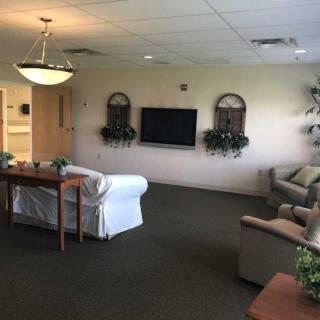
    • Indoor common areas Indoor common areasIndoor common areas are crucial for seniors as they provide a space for socialization, recreation, and community engagement, promoting overall well-being and reducing feelings of isolation and loneliness.
    • Respite or short term stays offered Respite or short term stays offeredRespite or short term stays provide seniors with a temporary solution when their regular caregiver is unavailable, offering them the opportunity to receive additional care and support during times of need, while also giving caregivers a chance to rest and recharge.
    • Wheelchair accessible showers Wheelchair accessible showersWheelchair accessible showers are crucial for seniors as they provide a safe and independent bathing option for those with mobility challenges. These showers help prevent falls and allow seniors to maintain their dignity and autonomy while ensuring they can bathe comfortably.

    Transportation

    • Shenandoah Valley Regional (12 miles away) Shenandoah Valley Regional (12 miles away)

    Care Services

    • Ambulatory care Ambulatory care"Ambulatory care services provide essential medical support and treatment to seniors without requiring hospitalization, allowing them to maintain their independence and quality of life while managing chronic conditions or receiving routine medical care."
    • Diabetic care Diabetic careDiabetic care is crucial for seniors as they are more susceptible to developing diabetes due to aging and other health conditions. Proper management of diabetes can help prevent complications such as heart disease, vision loss, and nerve damage, improving the overall quality of life for seniors in senior living communities.
    • Incontinence care Incontinence careIncontinence care is essential for seniors to maintain their dignity, hygiene, and overall quality of life. By addressing incontinence issues promptly and effectively, seniors can enjoy a sense of independence and comfort in their daily activities.

    Activities

    • Activities off-site Activities off-siteEngaging in off-site activities is crucial for seniors to maintain social connections, stay active, and stimulate their minds. It promotes overall well-being and helps combat feelings of isolation and loneliness.
    • Activities on-site Activities on-siteActivities on-site are important for seniors because they provide opportunities for socialization, mental stimulation, physical activity, and overall well-being. Engaging in activities can help seniors stay active, maintain their independence, and improve their quality of life.
    • Devotional activities offsite Devotional activities offsiteDevotional activities offsite are important for seniors because they provide social engagement, spiritual growth, and a sense of community outside of their living environment. This can improve overall well-being, mental health, and combat feelings of isolation or loneliness.
    • Devotional activities on-site Devotional activities on-siteDevotional activities on-site provide seniors with a sense of community, spiritual fulfillment, and emotional support, promoting overall well-being and a positive sense of purpose in their lives.

    Description

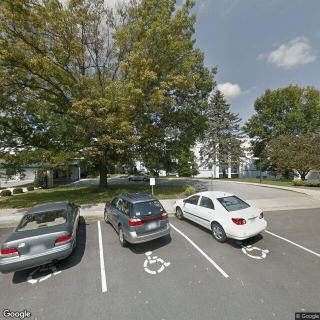
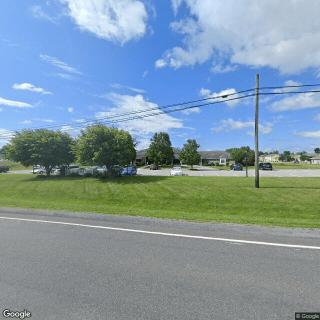
    St. Luke's ACR in Waynesboro, VA, offers a warm and welcoming assisted living community designed to enhance the quality of life for its residents. Nestled in a peaceful setting, this community provides a variety of amenities and care services tailored to meet the diverse needs of seniors.

    Residents can enjoy an array of engaging activities both on-site and off-site, encouraging social interaction and personal fulfillment. The community features comfortable indoor common areas where residents can relax or participate in organized events. For those seeking spiritual enrichment, devotional services are conveniently offered on-site as well as at nearby locations.

    St. Luke's ACR is committed to ensuring the health and well-being of its residents by providing specialized care services such as diabetic care and incontinence care. The facility is designed with accessibility in mind, featuring wheelchair-accessible showers and bath tubs for ease of use.

    For added convenience, St. Luke's ACR is located near essential services including two cafes, 11 pharmacies, 35 physicians, 26 restaurants, one transportation service, 10 places of worship, and four hospitals. This ensures that residents have access to everything they need right at their fingertips.

    In addition to long-term residency options, respite or short-term stays are also offered for families needing temporary support. At St. Luke's ACR, every resident is treated with dignity and respect while enjoying a vibrant lifestyle within a caring community atmosphere.

    Nearby Places of Interest

    Places of Worship

    • Southern Baptist Convention (0.4 miles)
    • Blue Ridge Church Of Christ (1.6 miles)
    • Reality Church (3 miles)
    • Bethany Lutheran Church (3.1 miles)
    • First Baptist Church (3.3 miles)
    • Massie Memorial Church of God in Christ (3.4 miles)
    • Cornerstone Church of Augusta (3.5 miles)

    Restaurants

    • Seven Arrows Brewing Company (0.4 miles)
    • Domino's Pizza (0.9 miles)
    • Taco Bell (0.9 miles)
    • Los Panchos Mexican Restaurant (1.6 miles)
    • Cracker Barrel (1.6 miles)
    • Sonic Drive-In (1.6 miles)
    • Golden Corral (1.6 miles)

    Transportation

    • Eagles Nest Flight Service (0.6 miles)

    Physicians

    • Waynesboro Primary Care (0.7 miles)
    • Waynesboro Pediatrics (0.8 miles)
    • Valley Pediatric Group (0.9 miles)
    • Mowen Opticians (1.7 miles)
    • Sentara Waynesboro Internal (2.1 miles)
    • ABC Children's Health Center (2.1 miles)
    • Kristen L. Savola, MD, MEd, FAAD (2.2 miles)

    Pharmacies

    • CVS Pharmacy (1 miles)
    • Klock Pharmacy Waynesboro (1.1 miles)
    • Fishersville Family Pharmacy (1.5 miles)
    • Walmart Pharmacy (1.6 miles)
    • Augusta Health Outpatient Phar (2.1 miles)
    • Augusta Medical Center Prescrs (2.2 miles)
    • Walgreens (2.5 miles)

    Cafes

    • Panera Bread (1.7 miles)
    • Starbucks (1.7 miles)

    Hospitals

    • Augusta Medical Center (1.8 miles)
    • University of Virginia Health System (2.5 miles)
    • Staunton Dialysis (3.3 miles)
    • Virginia Baptist Hospital (4 miles)

    Parks

    • Shenandoah National Park - Rockfish Gap Entrance Station (6 miles)

    Frequently Asked Questions

    How much does it cost to live at St. Luke's ACR in Waynesboro, VA?
    Where is St. Luke's ACR?

    Nearby Communities

    Related Resources

    • assisted living vs skilled nursingExploring the Contrasts Between Assisted Living and Skilled Nursing

      The article compares assisted living and skilled nursing facilities, detailing their differing levels of assistance, medical support, cost structures, and day-to-day experiences. It emphasizes that assisted living is for those needing help with daily activities while maintaining independence, whereas skilled nursing facilities provide intensive medical care with 24-hour staff supervision.

    • when to move from assisted living to nursing home8 Key Indicators That Suggest It May Be Time to Transition from Assisted Living to Skilled Nursing Care

      The transition from assisted living to skilled nursing care is often prompted by complex medical needs that assisted living cannot meet, with key indicators including frequent health declines, increased falls, severe memory issues, and caregiver burnout. Families should recognize these signs early to discuss options with healthcare providers and prepare for the emotional and logistical aspects of moving to a facility that offers comprehensive medical support.

    • active senior livingVibrant Senior Living: A Comprehensive Guide for Active Older Adults

      Vibrant Senior Living emphasizes active senior living communities that promote independence and engagement through diverse amenities and activities, fostering wellness and social interaction among older adults. These communities range from independent to assisted living, with a focus on personal growth, family involvement, financial planning, and leveraging technology to enhance residents' experiences.


    Get Pricing Ask A Question Schedule A Tour Contact Senior Advisor