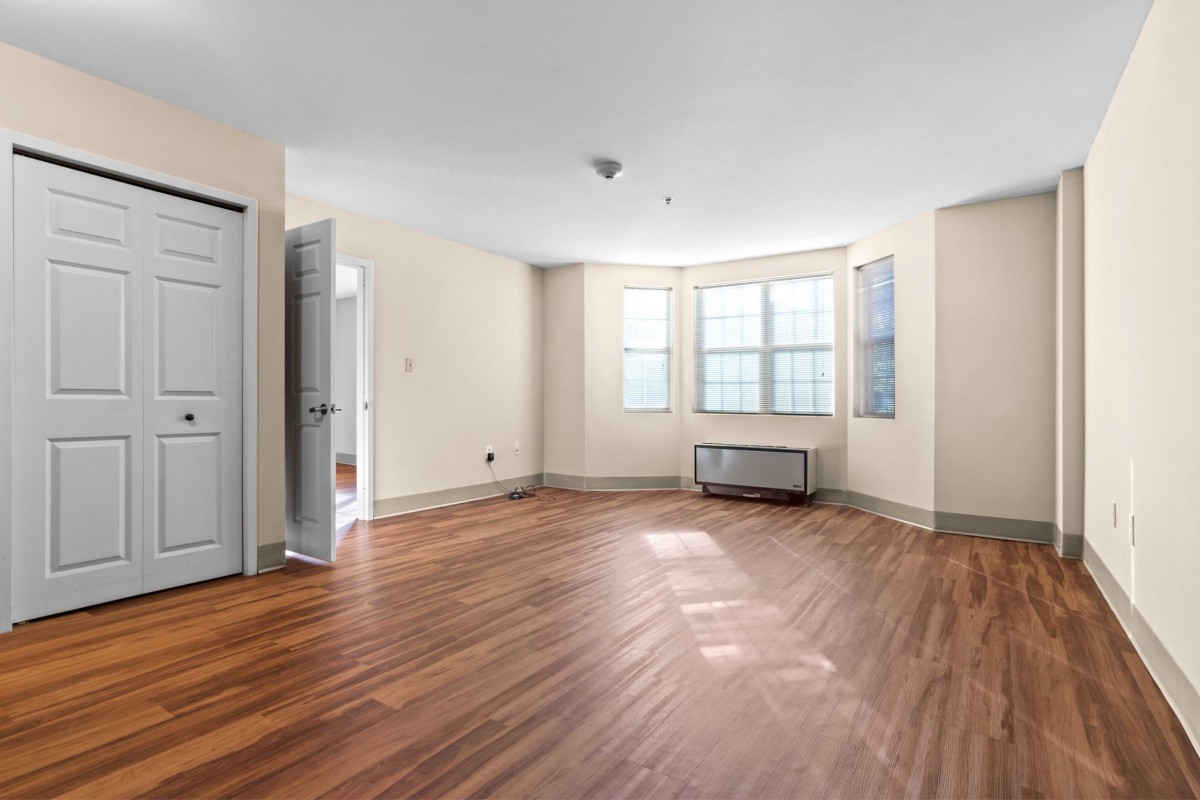
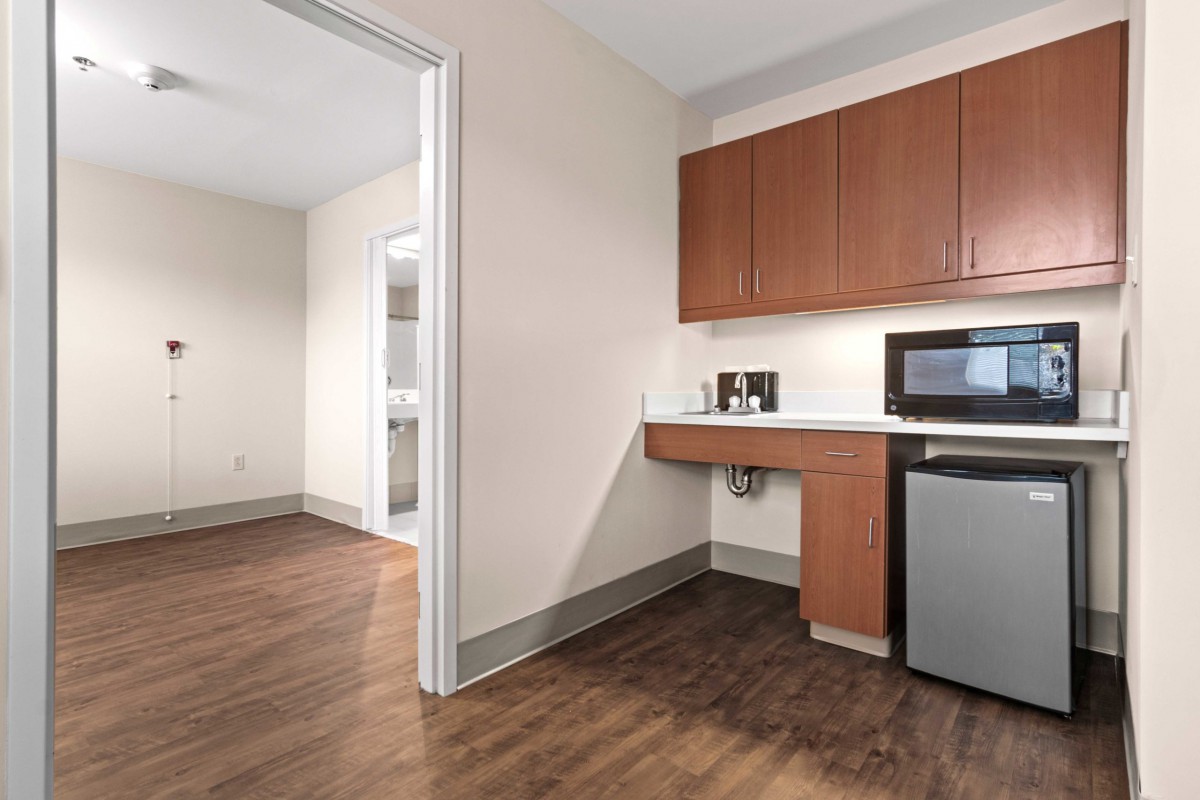

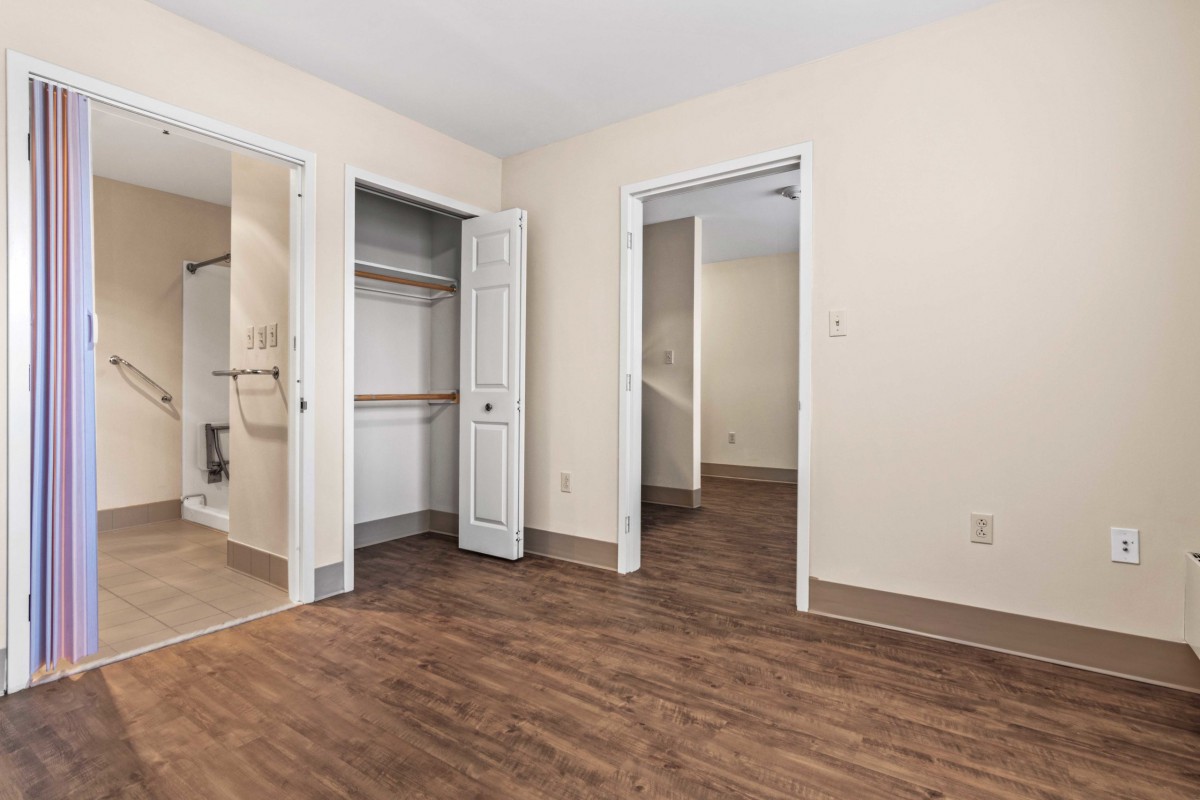
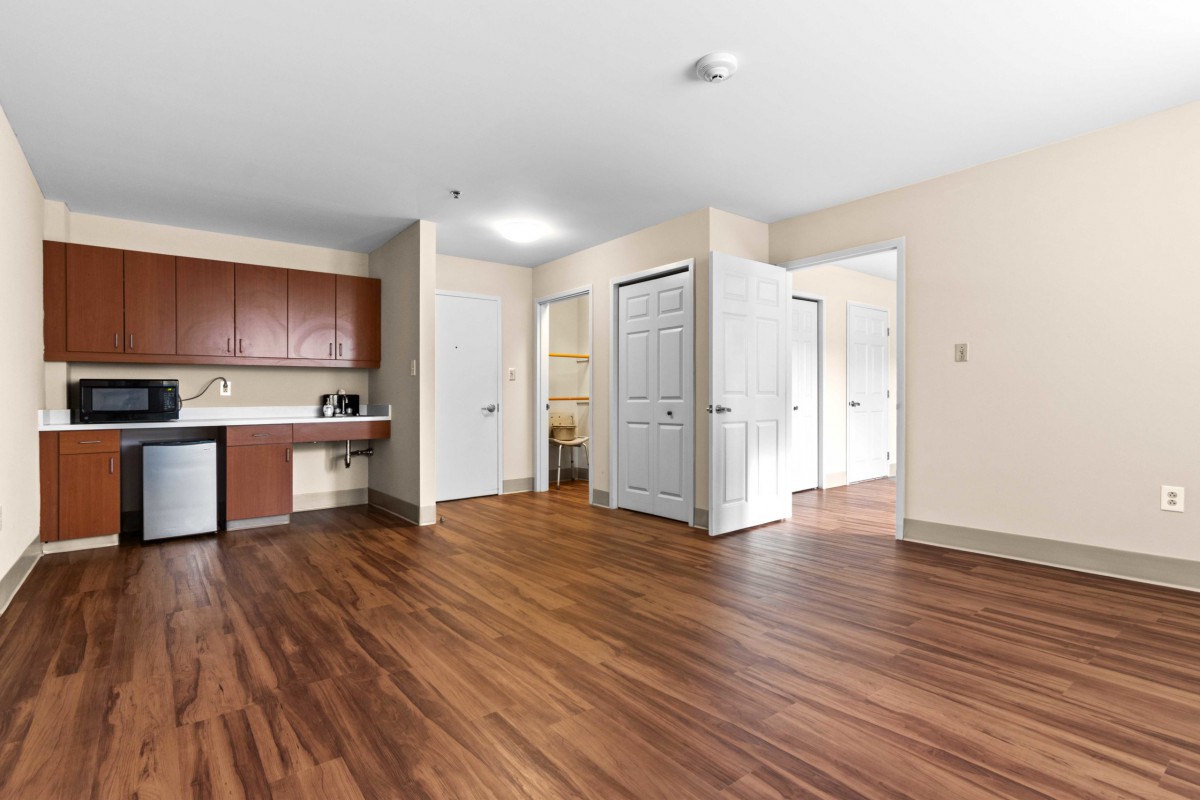
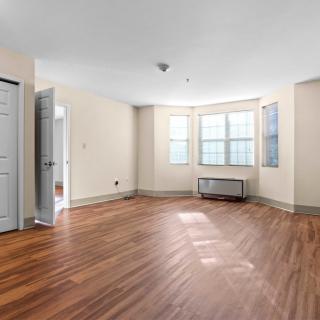










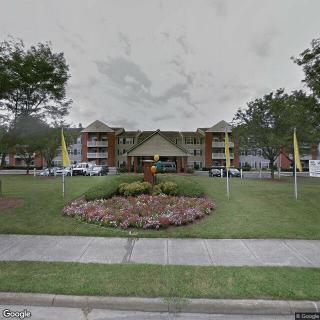
1049 College Park Boulevard, Virginia Beach, VA 23464
For more information about senior living options: (866) 208-4318
Overall Review of The Terrace At Beth Sholom Village
Cons
 The place is horrible; it discharges patients quickly, especially those who can’t care for themselves.
- It is understaffed, making the experience horrible for the author’s mother.
- The author would not recommend anyone to come here or send their loved ones here.
- The patient can’t wait to go home and has to change their schedule.
Review
The Terrace At Beth Sholom Village in Virginia Beach is best suited for seniors who are largely independent and looking for a straightforward assisted-living environment where daily routines are predictable and discharge planning is a familiar feature of the program. Families considering this community should recognize that the facility seems to function as a basic, no-fruss approach to care, rather than a high-touch, medically oriented setting. The strongest practical signal from the available experiences is not about elegant finishes or comprehensive programming, but about how quickly a resident who cannot fully care for themselves may be moved on. For households with relatively low care needs who want a cost-conscious, campus-style option, this site can still be a fit, provided expectations are aligned with a more limited level of ongoing, hands-on support.
Those weighing alternatives should weigh strongly the needs of residents who require consistent, hands-on nursing oversight, complex medical management, or high levels of supervision. The clearest red flag in these accounts is the apparent willingness to discharge patients who struggle with self-care, which can compromise safety and continuity of care. Families with relatives who are prone to falls, have progressive dementia, or require frequent assistance with activities of daily living should look elsewhere for a setting that guarantees longer-term stabilization and more robust monitoring. In other words, the terrace may satisfy those seeking routine, but it is unlikely to satisfy families seeking sustained medical reliability and predictable, long-duration care.
The most salient con for this community is unmistakable: understaffing. The accounts describe a tempo of care that leaves residents without timely assistance, and in one case a family member characterizes the environment as “horrible” because the level of attentiveness and responsiveness fell short of expectations. When staffing is stretched thin, even well-intentioned staff struggle to address basic needs, which can erode both safety and quality of life. The risk compounds when a resident’s ability to care for themselves declines, because discharge decisions may be made quickly rather than with a plan that prioritizes stabilization, rehabilitation, and appropriate placement. This is not a setting that offers the sort of safety net associated with higher-skill care communities.
There is only faint assurance from the limited positive signal within the ratings, the presence of a four-star review suggests that some shifts or moments deliver acceptable comfort or routine. However, without reliable staffing depth and consistent, ongoing engagement, that brief upside cannot meaningfully offset the core drawbacks. Families should not interpret a single favorable note as evidence of dependable care throughout a resident’s stay. The practical takeaway is that the positive experiences, if any, appear episodic rather than systemic, and cannot counterbalance the ongoing concerns about discharge practices and staffing levels.
For families actively evaluating options, the prudent move is to verify three things before making a decision: the organization’s exact discharge policy and whether it is truly aligned with a resident’s long-term care trajectory; staffing ratios across different shifts and the presence of a dedicated on-site nurse or care coordinator; and the availability of on-site therapy, pain management, and timely response protocols for emergencies. Ask to observe during peak hours and to review recent care plans to see how well they address mobility, feeding, medication management, and safety supervision. If the goal is a placement that can adapt to gradual health changes without abrupt transitions, this community should be approached with strong questions and clear expectations.
In the end, The Terrace At Beth Sholom Village is not a fit for families needing robust, continuous medical oversight or for residents with significant care needs. It serves best those who require light assistance and appreciate a simple, community-oriented setting, with the understanding that staffing may limit responsiveness and that discharge decisions can be swift when self-care declines. For families prioritizing stability, long-term nursing presence, and resilient continuity of care, alternatives with stronger staffing commitments and more comprehensive care plans should be the focus. The decision hinges on balance: affordable, predictable living versus reliable, ongoing support; and in that calculus, this community leans toward the former, with clear caveats about what may be sacrificed on safety and continuity.
 78 resident community capacity
 Assisted Living
 Memory Care
 Skilled Nursing Facility
 Air-conditioning
 Beauty salon
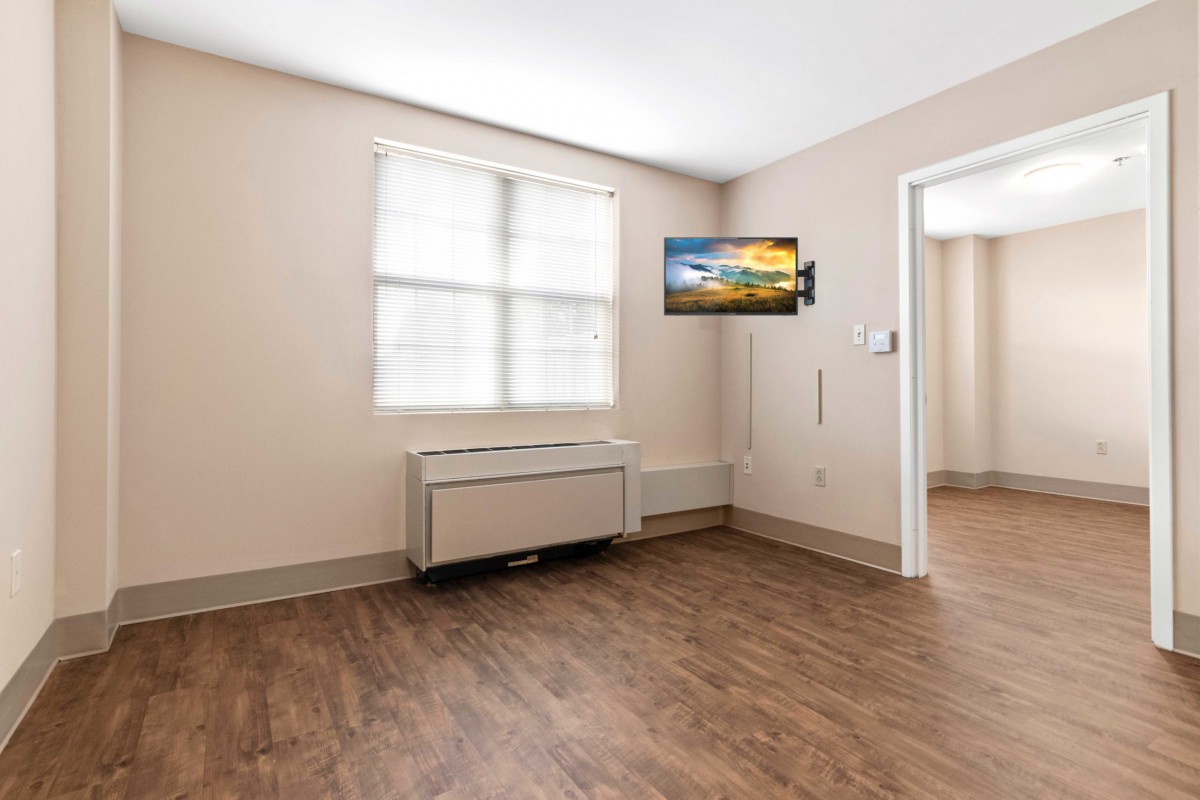
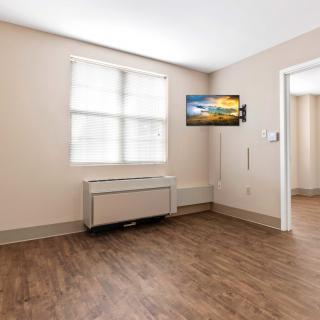
 Cable or satellite TV
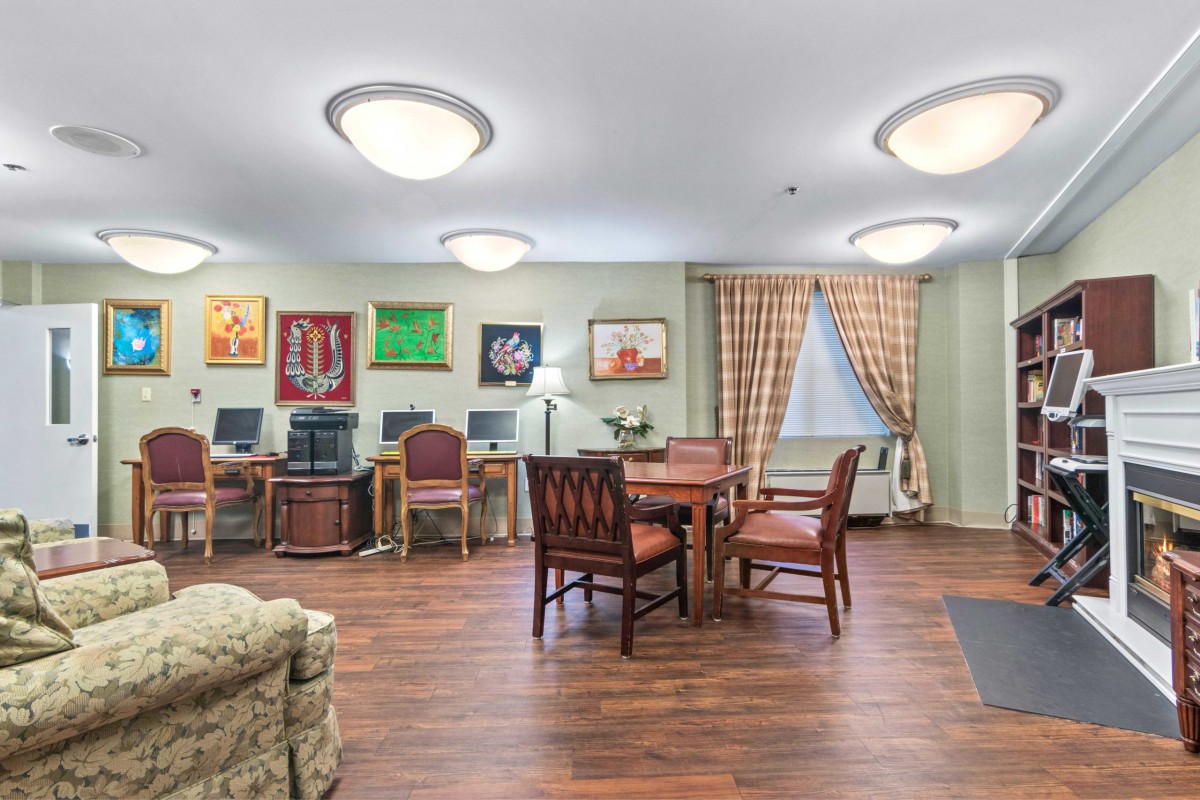
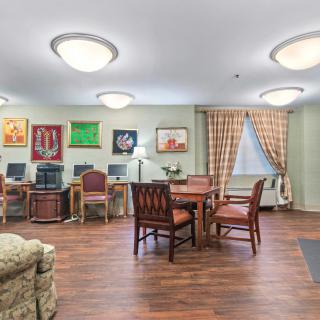
 Computer center
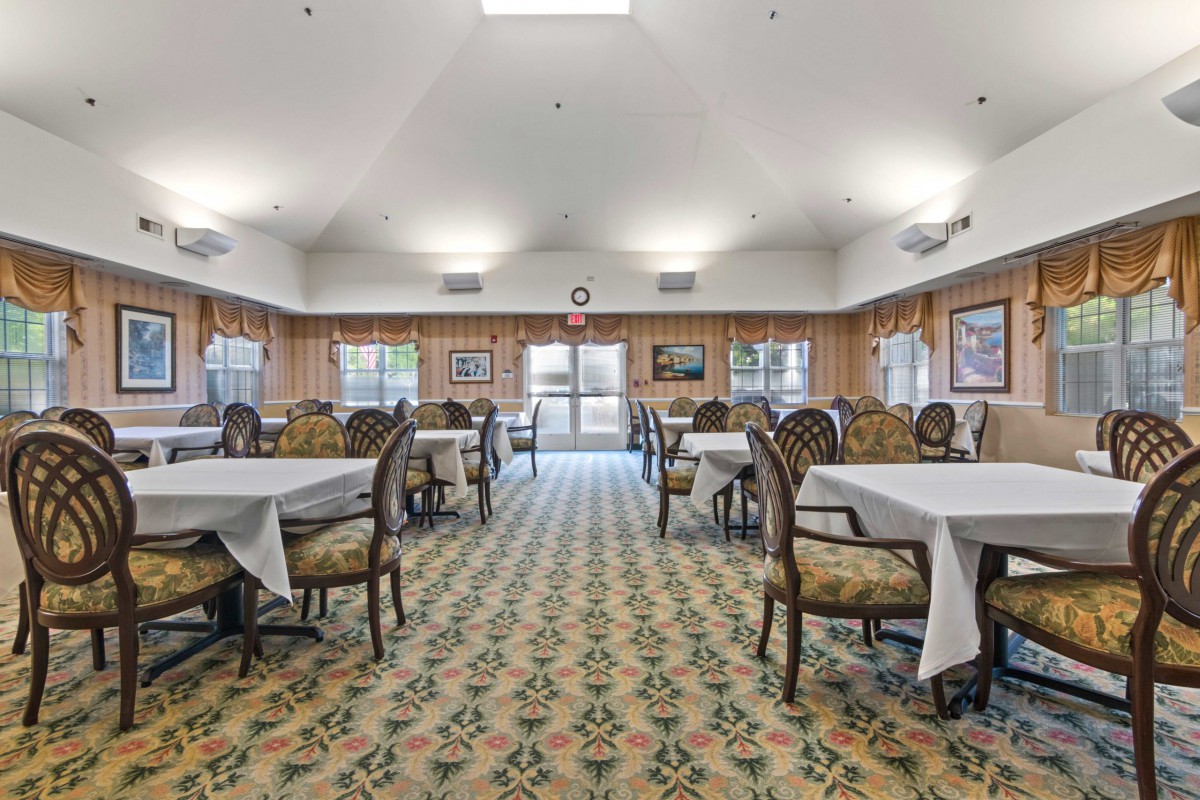
 Dining room
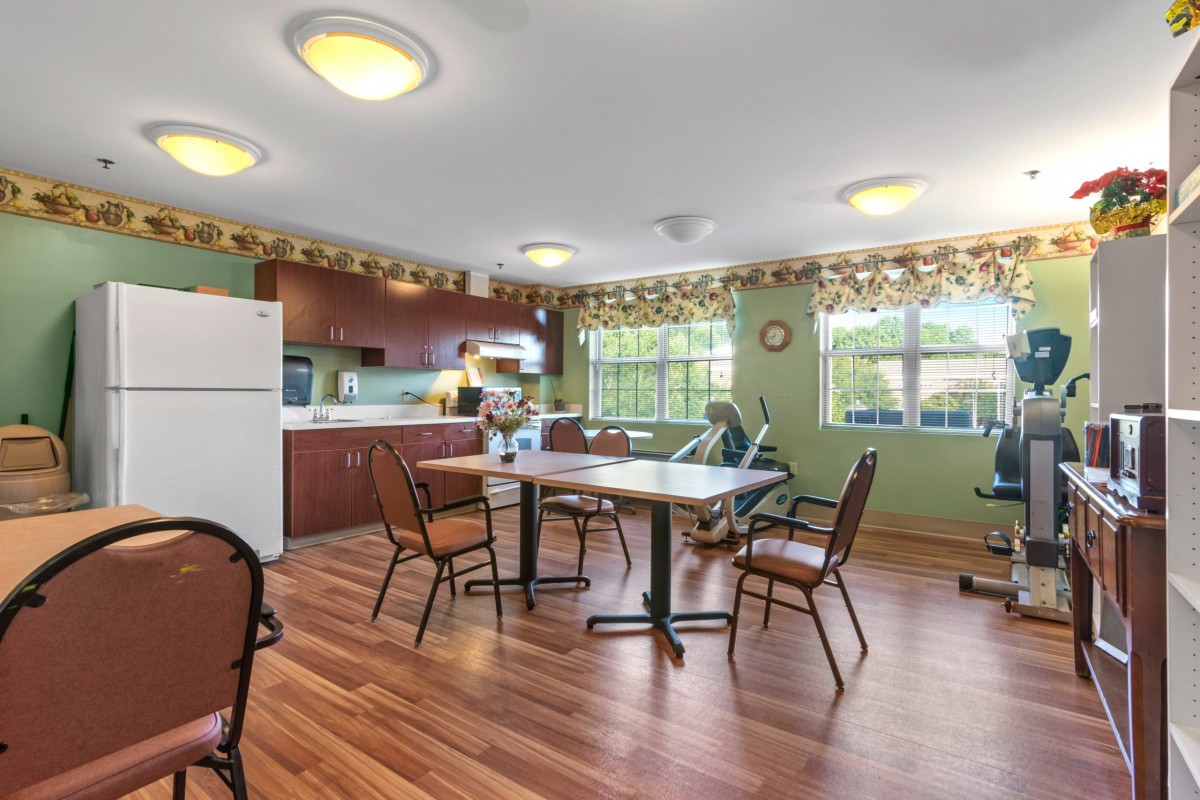
 Fitness room
 Fully furnished
 Gaming room
 Garden
 Housekeeping services
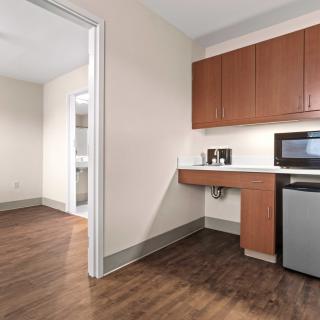
 Kitchenette
 Move-in coordination
 Outdoor space
 Private bathrooms
 Restaurant-style dining
 Small library
 Telephone
 Wellness center
 Wi-Fi/high-speed internet available
 Norfolk International (6 miles away)
 Community operated transportation
 12-16 hour nursing
 24-hour call system
 Activities of daily living assistance
 Assistance with bathing
 Assistance with dressing
 Assistance with transfers
 Diabetes diet
 Medication management
 Mental wellness program
 Special dietary restrictions
 Concierge services
 Planned day trips
 Clean, well-maintained facility with ample amenities and attentive staff.





 Why Do Dementia Patients Sleep So Much? Understanding Oversleeping, Stages, and Care Approaches
 8 Key Indicators That Suggest It May Be Time to Transition from Assisted Living to Skilled Nursing Care
 Nourishing the Mind: Essential Dietary Approaches for Dementia