The Crossings At Independence

Save
The Crossings At Independence The Crossings At Independence The Crossings At Independence

The Crossings At Independence

2077 South Independence Boulevard, Virginia Beach, VA 23453

For more information about senior living options: (844) 490-3973

4.4 from 44 reviews
5 stars
30
4 stars
7
3 stars
2
2 stars
3
1 stars
2

Assisted Living Memory Care

What level of care are you interested in?

Assisted Living

Memory Care

Independent Living

Skilled Nursing Facility

Continuing Care Retirement Community (CCRC)CCRC

Other


Request a tour at The Crossings At Independence

    Overall Review of The Crossings At Independence

    Pros

    • pro The facility offers a quality, homey feel, with residents and staff seeming genuinely happy to be there.
    • pro It provides a luxury senior living vibe at an affordable price.
    • pro The staff are friendly, caring, and go above and beyond to ensure residents' happiness.
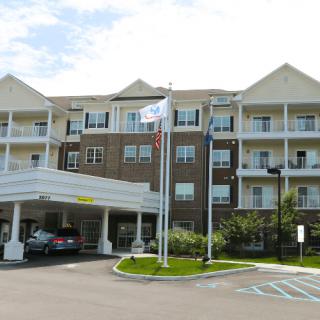
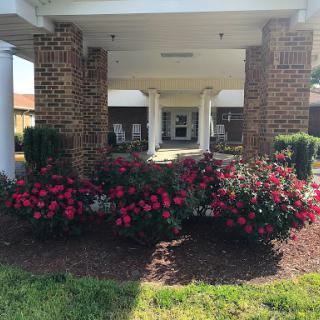
    • pro The facility is well maintained, clean, and welcoming from the moment guests arrive.
    • pro Residents enjoy a wide variety of activities and social events, such as bingo, movie nights, and worship services.
    • pro Tours and information are thorough, with warm, professional staff guiding visitors.
    • pro Families feel peace of mind knowing the staff listen, answer questions, and treat residents with respect.
    • pro In-house services like therapy, hair salon, and transportation support contribute to a high quality of life.
    • pro Residents report feeling safe and well cared for.

    Cons

    • pro The pendant call bells were on back order and were not relocated until after a resident fell.
    • pro The management is new and may be focusing on appearances rather than resident care and safety, implying incompetence.
    • pro Med techs are often in clusters talking and appear uninterested in resident care.
    • pro The reviewer would not recommend the facility unless residents are 100% independent, as staff reportedly tell families they cannot provide needed care or giggle.
    • pro The tour was exhausting due to too much walking from one end of the building to the next.
    • pro In a hospice case, the nurse was rude and a delayed morphine dose was given, indicating poor responsiveness to pain management.
    • pro The reviewer planned to report the facility to the Virginia Department of Services.

    Review

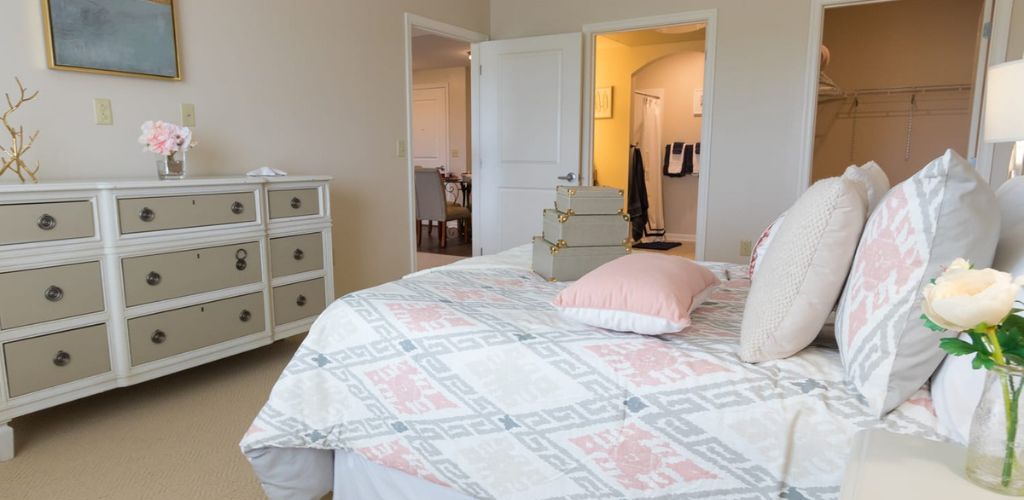
    Harmony at Independence presents a wide-ranging portrait, weaving together stories of warmth, welcome, and well-appointed surroundings with serious cautions about safety, care responsiveness, and management focus. Many reviewers describe the community as having a stylish, hotel-like ambiance and a genuine sense of home for residents, with the interior and common spaces praised for their cleanliness, d?cor, and comfortable atmosphere. Several people note that the atmosphere feels luxurious yet affordable, making it feel like a high-end option in senior living.

    On the positive side, multiple commenters report experiences that left them impressed and hopeful. Tour guides and staff are repeatedly described as warm, approachable, and thorough. Virginia Hendrix, in particular, is singled out for her welcoming demeanor and detailed, informative tours that put families at ease and help them feel confident about Harmony as a potential home for their loved ones. Prospective residents and families frequently mention the cordial interactions with Ina and Inna, who helped ease the move-in process and made families feel understood and supported. The overall sense is that the facility is well-maintained, quiet, and comfortable, with a dining experience that residents enjoy and a lifestyle filled with activities and opportunities to socialize.

    For residents who move in, many families share glowing testimonials about the care and attention their loved ones receive. Stories emphasize the presence of attentive staff, a robust activity calendar, and a sense of community that helps residents stay engaged. Specific staff members receive heartfelt praise for going "above and beyond" in their duties: Natalie, Sylvia, and Kaylin are highlighted for particularly thoughtful care; Tonya at the front desk is praised for being helpful and responsive; and the care team - including in-house therapists - receives gratitude for helping residents maintain independence and health. The facility is often described as a place where residents can enjoy daily routines, meals in the dining room with others, and a sense of belonging, reinforced by services like a weekly worship program, exercise classes, movie nights, and even hair salon offerings.

    There are also deeply personal stories that underscore how Harmony can become a meaningful home. One reviewer recalls moving a beloved relative into the assisted living wing and witnessing the staff's consistency and kindness over time, which helped that family member settle in and feel valued. The memory-unit experience is framed positively by families who appreciate the availability of allied therapies and activities designed to preserve quality of life. In addition, reviewers frequently point to the condo-like apartments, the convenience of on-site services, and the social atmosphere of mealtimes and group activities as key strengths that foster happiness and a sense of normalcy for residents.

    However, the narrative is not one-sided. A separate set of reviews describes serious concerns about safety and responsiveness, especially when a resident requires more hands-on care. One account details a troubling sequence during a hospital-to-hacelike situation in the memory unit: there was a delay in administering morphine for a patient in hospice, with nurse responsiveness criticized for being slow and dismissive, and family members ultimately seeking outside involvement. That account prompted an action plan to report to the Virginia Department of Social Services, underscoring that for some families, the care experience can involve distressing gaps in communication and timely treatment.

    Other reviewers raise questions about management and day-to-day care, particularly in situations where a resident experiences a fall or needs assistance outside the most basic needs. They describe a culture where med techs may be in clusters discussing other matters rather than attending to residents, and where call bells may not be relocated promptly after a move, leaving families feeling uncertain about the level of immediate support. Some families perceive management as newly installed and still adjusting, with concerns that safety and responsiveness could take a back seat to other organizational priorities. The tone is clear: while Harmony can be a wonderful place for independent residents or those who require light assistance, it may not yet be suitable for anyone who will need consistent, hands-on care at all times.

    Taken together, the collection of reviews paints a facility with undeniable strengths: a warm, professional staff; a facility that feels both welcoming and well cared-for; abundant activities and social opportunities; and some truly positive, transformative experiences for residents and their families. Yet it also reveals serious concerns that should not be ignored, including timely pain management in critical moments, safety responsiveness after falls, and the need for ongoing assurance that care levels align with residents' evolving needs. For families considering Harmony at Independence, the message is nuanced: there is much to admire and love here, but careful due diligence - asking about current staffing, care protocols, safety measures, and how the facility handles urgent needs - will be essential to ensure the right fit for a loved one. If independence is the primary requirement and you seek vibrant social programming and attentive staff, Harmony at Independence can be an excellent match; if more extensive, hands-on care is anticipated, prospective residents and families would be wise to verify that those services are readily available and reliably delivered.

    Features

    Housing

    • 89 resident community capacity 89 resident community capacity

    Types of Care

    • Assisted Living Assisted LivingAssisted living facilities provide crucial support and care for seniors who may need help with daily tasks such as medication management, bathing, and meal preparation. These communities offer a safe and comfortable environment where seniors can maintain their independence while receiving the assistance they need to thrive in their golden years.
    • Memory Care Memory CareMemory care is crucial for seniors as it provides specialized support and services for individuals with dementia or Alzheimer's disease. These programs offer a safe and secure environment where residents receive personalized care, cognitive stimulation, and help with daily activities. Memory care helps seniors maintain their independence, quality of life, and dignity while also providing peace of mind for their families.

    Amenities

    • Air-conditioning Air-conditioningAir conditioning is important for seniors as they are more vulnerable to heat-related illnesses and may have underlying health conditions that make it difficult for them to regulate their body temperature. It helps to keep them comfortable, safe, and healthy in hot weather.
    • Beauty salon Beauty salonBeauty salons are important for seniors because they provide a space for them to feel pampered, socialize, and maintain their personal grooming and hygiene. Regular visits to a beauty salon can help boost seniors' self-esteem and overall well-being.
    • Cable or satellite TV Cable or satellite TVCable or satellite TV is important for seniors because it provides entertainment, news, and companionship, helping to combat loneliness and boredom. It also offers a wide range of programming options tailored to different interests and preferences.
    • Computer center Computer centerA computer center is essential for seniors as it provides access to technology, communication tools, and resources that can enhance their daily lives. It allows them to stay connected with loved ones, engage in online activities, and learn new skills, ultimately promoting socialization and mental stimulation.
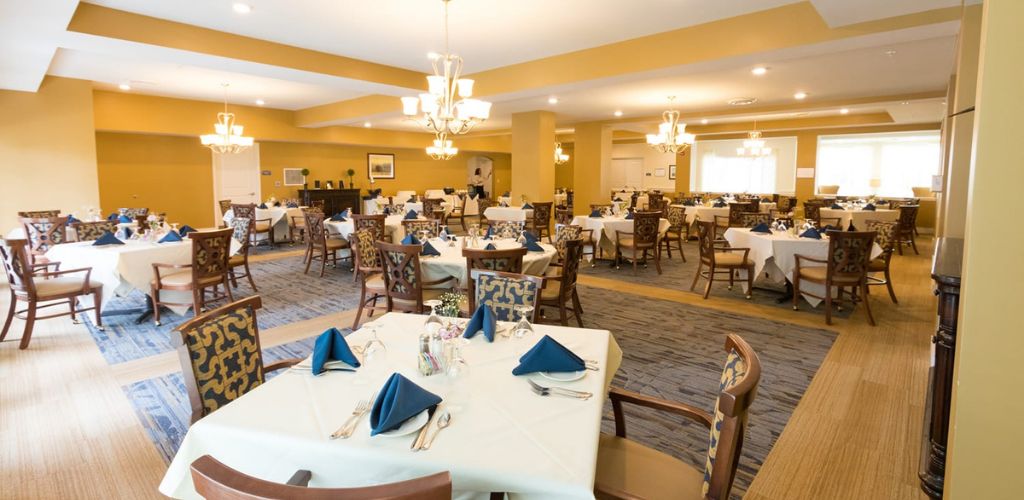
    • Dining room Dining roomDining rooms are important for seniors as they provide a space for socialization, connection, and nutritious meals. They offer opportunities for residents to bond over shared meals, foster a sense of community, and promote healthy eating habits. Dining rooms also ensure that seniors have access to well-balanced meals tailored to their dietary needs and preferences.
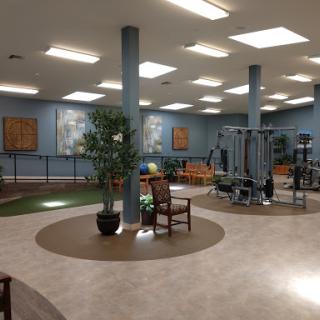
    • Fitness room Fitness roomHaving a fitness room in a senior living community is essential for seniors to stay active, maintain their physical health, and improve their overall well-being. Regular exercise can help prevent falls, reduce the risk of chronic diseases, and promote mental sharpness. It also provides social opportunities for residents to connect with others and enjoy a sense of community.
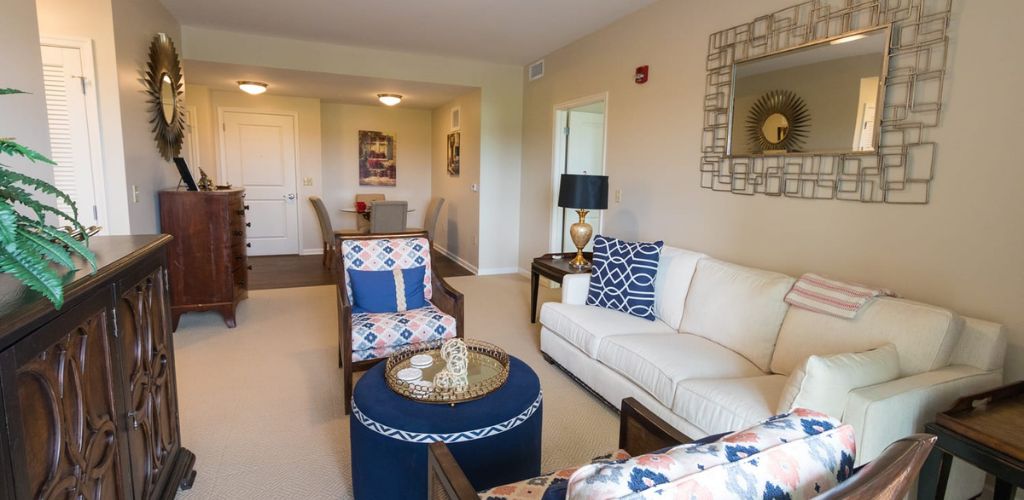
    • Fully furnished Fully furnishedFully furnished senior living communities are important for seniors because they provide convenience, comfort, and a hassle-free moving experience. Seniors can easily settle into their new living space without the stress of having to buy and move furniture. This allows them to focus on enjoying their new home and community.
    • Gaming room Gaming roomGaming rooms are important for seniors as they provide a fun and engaging environment for socializing, cognitive stimulation, and physical activity. Games can improve memory, problem-solving skills, and overall mental well-being while fostering friendships and reducing feelings of isolation.
    • Garden GardenGardens are important for seniors as they provide a peaceful and therapeutic environment for relaxation, physical activity, and socialization. Being in nature has been shown to reduce stress, improve mood, and promote overall well-being. Gardens also offer opportunities for seniors to engage in gardening activities, which can improve mobility, flexibility, and cognitive function. Additionally, gardens create a sense of community and connection with others who share a passion for plants and outdoor spaces.
    • Housekeeping services Housekeeping servicesHousekeeping services are important for seniors because they help maintain a clean and safe living environment, promote independence, and reduce the risk of accidents or illnesses. Additionally, having assistance with household chores can alleviate physical strain and allow seniors to focus on other aspects of their well-being.
    • Kitchenette KitchenetteKitchenettes are important for seniors living in senior living communities because they provide the convenience and independence of being able to prepare simple meals and snacks in the comfort of their own living space. This can help promote a sense of autonomy and well-being for seniors, allowing them to maintain some level of control over their dietary choices and daily routines.
    • Move-in coordination Move-in coordinationMove-in coordination is important for seniors because it helps ease the transition into their new living environment. It ensures that all logistics, such as packing, organizing movers, and setting up utilities are taken care of, allowing seniors to focus on settling in and adjusting to their new home. Having a smooth move-in process can alleviate stress and anxiety, making the transition smoother and more enjoyable for seniors.
    • Outdoor space Outdoor spaceOutdoor spaces are important for seniors as they provide opportunities for physical activity, social interaction, exposure to natural light and fresh air, and a sense of connection to nature. Having access to outdoor spaces can improve overall well-being and quality of life for older adults living in senior communities.
    • Private bathrooms Private bathroomsPrivate bathrooms are important for seniors in senior living communities because they provide independence, dignity, and comfort. Having a private bathroom allows seniors to maintain their personal hygiene routines without the need for assistance, promoting a sense of autonomy and privacy. Additionally, private bathrooms help prevent the spread of infections and provide a safe and clean environment for seniors to navigate safely.
    • Restaurant-style dining Restaurant-style diningRestaurant-style dining is important for seniors because it allows them to enjoy delicious, nutritious meals in a social and upscale setting. This enhances their dining experience, promotes healthy eating habits, and fosters socialization with fellow residents, ultimately contributing to their overall well-being and quality of life.
    • Small library Small librarySmall libraries are important for seniors as they provide access to a variety of reading materials, including books, newspapers, and magazines. This can help stimulate their minds, keep them engaged, and provide a sense of community through book clubs and other social activities. Additionally, reading has been shown to improve cognitive function and overall mental well-being in older adults.
    • Telephone TelephoneTelephones are important for seniors as they provide a lifeline for communication with loved ones, emergency services, and healthcare providers. They offer a sense of security and independence, enabling seniors to stay connected and access assistance when needed.
    • Wellness center Wellness centerWellness centers are important for seniors because they offer a variety of programs and services that promote physical, mental, and emotional well-being. These centers provide opportunities for exercise, socialization, education, and relaxation, helping seniors maintain their overall health and quality of life.
    • Wi-Fi/high-speed internet available Wi-Fi/high-speed internet availableWi-Fi/high-speed internet is important for seniors to stay connected with loved ones, access online resources, and participate in virtual activities to combat feelings of loneliness and isolation. It also allows them to easily manage healthcare needs, access entertainment, and engage in lifelong learning opportunities.

    Transportation

    • Norfolk International (9 miles away) Norfolk International (9 miles away)
    • Community operated transportation Community operated transportationCommunity operated transportation is crucial for seniors as it provides them with the means to access essential services, social activities, and medical appointments. It allows seniors to maintain their independence and quality of life by ensuring they can participate in activities outside of their homes. Additionally, community-operated transportation services offer a safe and reliable way for seniors to travel without having to rely on family or friends for assistance.
    • Transportation arrangement Transportation arrangementTransportation arrangements are crucial for seniors as they may face challenges with driving, mobility, or access to public transportation. Having reliable transportation services ensures that seniors can easily attend appointments, social activities, and maintain their independence and quality of life.
    • Transportation arrangement (non-medical) Transportation arrangement (non-medical)Transportation arrangements are essential for seniors as they provide access to essential services, activities, and social interactions outside the home. This service helps maintain independence, mobility, and overall well-being for seniors who may have limited transportation options.
    • Transportation to doctors appointments Transportation to doctors appointmentsTransportation to doctors appointments is crucial for seniors as it ensures they have access to necessary medical care and support, promoting their health and well-being. It allows them to receive timely treatment, monitor existing conditions, and address any new health concerns efficiently. Additionally, transportation services can help seniors maintain their independence and quality of life by enabling them to stay connected with their healthcare providers.

    Care Services

    • 12-16 hour nursing 12-16 hour nursing12-16 hour nursing care is crucial for seniors in order to ensure around-the-clock monitoring, timely medication administration, and prompt response to any health concerns or emergencies. This level of care helps to promote the overall well-being and safety of seniors living in senior living communities.
    • 24-hour call system 24-hour call system24-hour call systems are important for seniors because they provide peace of mind and immediate assistance in case of emergencies. This technology ensures that help is always available, promoting safety and security for elderly individuals living alone or in assisted living facilities.
    • 24-hour supervision 24-hour supervision24-hour supervision is important for seniors to ensure their safety, well-being, and access to immediate assistance in case of emergencies or health issues. This constant support provides peace of mind for both seniors and their loved ones, allowing them to age in place with dignity and security.
    • Activities of daily living assistance Activities of daily living assistanceActivities of daily living assistance are important for seniors because they provide essential support with tasks such as eating, bathing, dressing, and mobility. This assistance helps seniors maintain their independence, dignity, and overall quality of life as they age.
    • Assistance with bathing Assistance with bathingAssistance with bathing is crucial for seniors as it helps maintain personal hygiene, prevents infections, and ensures their overall well-being and comfort. It also provides a sense of dignity and independence for seniors who may struggle with this task on their own.
    • Assistance with dressing Assistance with dressingAssistance with dressing is important for seniors because it helps maintain their independence, promotes personal hygiene, prevents accidents and injuries, and improves overall quality of life. This service ensures that seniors can continue to dress comfortably and confidently, despite any physical limitations they may have.
    • Assistance with transfers Assistance with transfersAssistance with transfers is crucial for seniors as it helps prevent falls and injuries, maintains their independence, and ensures they can safely navigate their living environment. It also provides peace of mind for both seniors and their loved ones.
    • Diabetes diet Diabetes dietA diabetes diet is crucial for seniors as it helps manage blood sugar levels, reduce risks of complications, and improve overall health and well-being. By following a balanced and nutritious diet tailored to their specific needs, seniors can better control their diabetes and enhance their quality of life.
    • Meal preparation and service Meal preparation and serviceMeal preparation and service are crucial for seniors as they may have limited mobility or energy to cook nutritious meals. Having access to healthy and convenient food options can ensure they are getting the proper nutrition needed to maintain their overall health and well-being.
    • Medication management Medication managementMedication management is crucial for seniors to ensure they are taking the right medications at the correct dosages and times. This helps prevent adverse drug interactions, reduces the risk of medication errors, and promotes overall health and well-being. Proactive management also allows for adjustments as needed based on changing health conditions or new prescriptions.
    • Mental wellness program Mental wellness programMental wellness programs are essential for seniors as they promote cognitive stimulation, emotional support, and social engagement. These programs help prevent isolation, depression, and cognitive decline, ultimately enhancing the overall quality of life for older adults.
    • Mild cognitive impairment Mild cognitive impairment"Mild cognitive impairment" is important for seniors because it is an early stage of cognitive decline that can potentially progress to more severe conditions such as dementia. Recognizing and addressing mild cognitive impairment can help seniors receive appropriate care and support to maintain their quality of life and independence for as long as possible.
    • Special dietary restrictions Special dietary restrictionsSpecial dietary restrictions are important for seniors because age-related changes in metabolism and health conditions can make it difficult for their bodies to process certain foods. By following a diet tailored to their specific needs, seniors can maintain their overall health and well-being, manage chronic conditions, and reduce the risk of complications such as malnutrition or food interactions with medications.
    • Specialized memory care programming Specialized memory care programmingSpecialized memory care programming is crucial for seniors with cognitive impairments such as dementia or Alzheimer's disease. These programs provide a safe and supportive environment tailored to the unique needs of individuals with memory loss, helping them maintain their independence, dignity, and quality of life.

    Dining

    • Diabetes diet Diabetes dietA diabetes diet is crucial for seniors as it helps manage blood sugar levels, reduce risks of complications, and improve overall health and well-being. By following a balanced and nutritious diet tailored to their specific needs, seniors can better control their diabetes and enhance their quality of life.
    • Special dietary restrictions Special dietary restrictionsSpecial dietary restrictions are important for seniors because age-related changes in metabolism and health conditions can make it difficult for their bodies to process certain foods. By following a diet tailored to their specific needs, seniors can maintain their overall health and well-being, manage chronic conditions, and reduce the risk of complications such as malnutrition or food interactions with medications.

    Activities

    • Community-sponsored activities Community-sponsored activitiesCommunity-sponsored activities are important for seniors as they provide opportunities for social interaction, mental stimulation, and physical activity. These activities can help improve overall well-being, combat loneliness and isolation, and promote a sense of belonging and purpose among older adults.
    • Concierge services Concierge servicesConcierge services are essential for seniors as they provide assistance with daily tasks and errands, enhance their quality of life by offering convenience and personalized care, and promote a sense of safety and security.
    • Fitness programs Fitness programsFitness programs are crucial for seniors as they help improve strength, flexibility, balance, and overall well-being. Staying active can reduce the risk of chronic diseases, improve mental health, and enhance quality of life in older adults.
    • Planned day trips Planned day tripsPlanned day trips are important for seniors because they offer opportunities for socialization, mental stimulation, and physical activity. They provide a change of scenery and help seniors stay engaged and connected to their community, promoting overall well-being and quality of life.
    • Resident-run activities Resident-run activitiesResident-run activities are important for seniors as they encourage social interaction, creativity, and a sense of autonomy. These activities empower seniors to stay engaged and active in their community while fostering meaningful connections with their peers.
    • Scheduled daily activities Scheduled daily activitiesScheduled daily activities are important for seniors because they provide structure, socialization, mental stimulation, and physical activity. Engaging in regular activities can improve overall well-being and quality of life for seniors living in a community setting.

    Description

    The Crossings At Independence is an assisted living community located in Virginia Beach, VA. This community specializes in providing memory care for individuals with dementia or Alzheimer's disease.

    Residents at The Crossings At Independence can enjoy a variety of amenities and services designed to enhance their quality of life. These include a beauty salon for personal grooming needs, access to cable or satellite TV for entertainment, community-operated transportation for easy mobility, and a computer center for staying connected with loved ones.

    Dining options are restaurant-style, offering delicious meals prepared by the community's skilled chefs. Residents can also take advantage of the fitness room and wellness center to maintain their physical well-being.

    The community offers fully furnished accommodations with private bathrooms and kitchenettes for convenience and privacy. Housekeeping services are provided to ensure a clean and comfortable living environment.

    The Crossings At Independence places a strong emphasis on memory care programming and mental wellness programs catered specifically to residents with cognitive impairments. Assistance with activities of daily living such as bathing, dressing, and transfers is available around the clock.

    Transportation arrangements are made for non-medical purposes as well as doctor's appointments. Move-in coordination services are provided to ensure a smooth transition into the community.

    Residents have access to outdoor spaces including gardens where they can enjoy fresh air and nature. There is also a small library available for leisure reading.

    In terms of nearby amenities, The Crossings At Independence is conveniently located near four cafes, two parks, 12 pharmacies, nine physicians' offices, 17 restaurants, one place of worship, two theaters, and one hospital.

    Overall, The Crossings At Independence is an assisted living community that provides high-quality memory care services along with various amenities and activities that promote overall well-being for its residents.

    Nearby Places of Interest

    Pharmacies

    • Walgreens (0.4 miles)
    • Rite Aid (0.7 miles)
    • CVS Pharmacy (1.5 miles)
    • Walgreens (1.6 miles)
    • Walgreens (1.8 miles)
    • Rite Aid (2.1 miles)
    • CVS Pharmacy (2.9 miles)

    Restaurants

    • Felynn Oriental Restaurant (0.5 miles)
    • Coopers Hawk Virginia (3.1 miles)
    • Cracker Barrel (3.1 miles)
    • Park Lane Tavern (3.5 miles)
    • McDonald's (3.5 miles)
    • McDonald's (3.6 miles)
    • Mission BBQ (3.6 miles)

    Physicians

    • Children's Hospital Of The King's Daughter's (1.1 miles)
    • Mancoll Cosmetic & Plastic Surgery and The Fountain Skincare & MedSpa (1.2 miles)
    • CHKD Health Center at Landstown (1.9 miles)
    • Cenzon Maria R MD - Dominion Psychiatric Associates (2.1 miles)
    • TPMG Holland Road Family Medicine (2.8 miles)
    • Allergy & Asthma Center (3.3 miles)
    • Hearing Services of Virginia (3.3 miles)

    Places of Worship

    • St Luke's Catholic Church (2 miles)

    Theaters

    • AMC Lynnhaven 18 (2.8 miles)
    • Regal Entertainment Group (3.7 miles)

    Cafes

    • Kahiau's Bakery & Cafe (2.9 miles)
    • Starbucks (2.9 miles)
    • Starbucks (3.5 miles)
    • Starbucks (3.9 miles)
    • Metro Diner (6.2 miles)
    • Panera Bread (6.2 miles)
    • Rick's Cafe (6.4 miles)

    Parks

    • Mount Trashmore Park (2.9 miles)
    • Kings Grant Park (5 miles)

    Hospitals

    • Sentara Health Care (3.7 miles)

    Transportation

    • The Tide-Newtown Road Station (6.6 miles)

    Frequently Asked Questions

    Where is The Crossings At Independence?
    Does The Crossings At Independence provide care for residents with dementia or Alzheimer's disease?
    What photos are available for The Crossings At Independence in Virginia Beach, Virginia?

    Nearby Communities

    Related Resources

    • when to move from assisted living to memory careWhen to Transition from Assisted Living to Memory Care: Key Indicators, Steps, and Finding the Right Community

      Transitioning from assisted living to memory care is driven by an individual's cognitive decline and specific needs, requiring careful evaluation of indicators like increased confusion and wandering. The process involves consulting medical professionals, researching suitable communities, considering financial and legal aspects, and ensuring effective communication for personalized care plans.

    • assisted living vs memory careUnderstanding the Distinctions: Assisted Living and Memory Care Explained

      The article differentiates between assisted living and memory care, explaining that assisted living supports seniors with daily activities while promoting independence, whereas memory care provides specialized services for individuals with dementia, focusing on secure environments and cognitive support. It also addresses staff training, safety considerations, costs, family involvement, and transition strategies for families navigating these care options.

    • how to talk to someone with dementiaHow to Communicate with a Loved One Living with Dementia: 10 Supportive Strategies

      The article outlines effective communication strategies for interacting with loved ones with dementia, highlighting the need for empathy, patience, and understanding while emphasizing supportive approaches like using simple language, minimizing distractions, and focusing on feelings over facts to maintain dignity and foster connection. It also suggests seeking professional guidance when needed as communication challenges evolve.


    Get Pricing Ask A Question Schedule A Tour Contact Senior Advisor