The Crossings at Bon Air offers competitive pricing for its residential options, particularly when compared to both Richmond city and the broader state of Virginia. For instance, the cost of a studio unit at The Crossings is set at $3,000 per month, which is significantly lower than the Richmond city average of $3,749 and the state average of $4,436. Similarly, their one-bedroom units are priced at $3,650, closely aligning with the Richmond city average but notably more economical than Virginia's average of $4,257. In contrast, semi-private accommodations at The Crossings are priced higher at $4,225 compared to Richmond's lower rate of $3,174 and Virginia's statewide average of $3,991. Lastly, for those seeking more space with two-bedroom units, The Crossings' monthly fee of $4,900 stands out as relatively high compared to Richmond's average of $3,533 but still compares favorably against the state average of $4,602. Overall, The Crossings at Bon Air presents a compelling value proposition for residents considering various living arrangements in the region.
Floor plans
The Crossings at Bon Air
Richmond city
Virginia
Studio
$3,000
$3,749
$4,436
1 Bedroom
$3,650
$3,668
$4,257
Semi-Private
$4,225
$3,174
$3,991
2 Bedrooms
$4,900
$3,533
$4,602
Memory care communities with a similar price nearby
Residents and visitors consistently describe the staff as friendly and helpful.
Multiple reviews say the staff takes time on tours, gives clear information, and treats residents well. Several describe caregivers who are engaged with residents day-to-day and supportive when families or medical situations come up. A smaller set of comments includes concerns about communication and responsiveness, but even those reviews still call out moments of friendliness.
common19 reviews mention this
Activities keep residents engaged
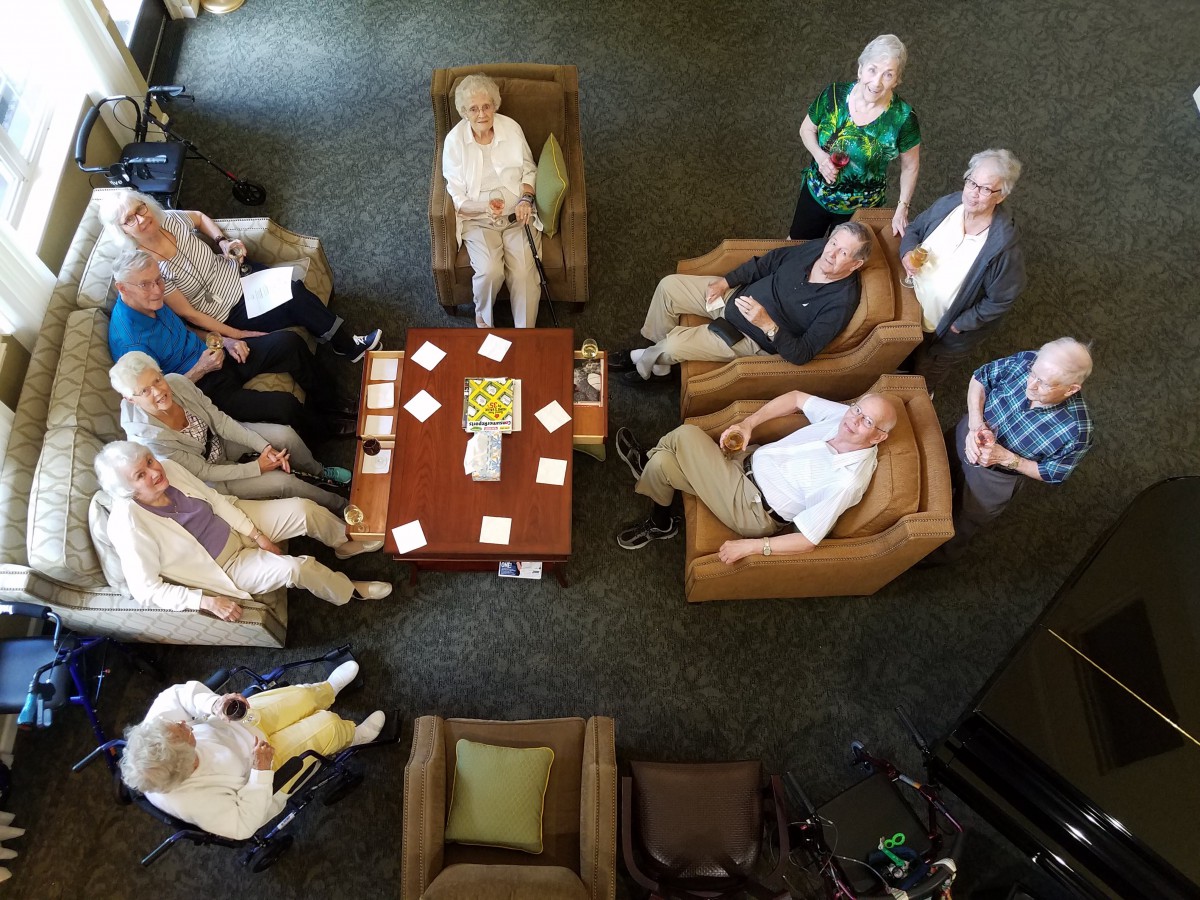
Activities and social events are a regular part of life here.
Reviews repeatedly mention scheduled activities and resident engagement, including games and group events. Residents and visitors also describe outings and regular gatherings like happy hour, cocktail time, and wine socials. A few reviewers note that some activities were impacted during COVID, but they still describe a calendar that tends to be active once it resumes.
common11 reviews mention this
Dining is a mixed experience
Dining draws strong reactions, ranging from excellent to disappointing.
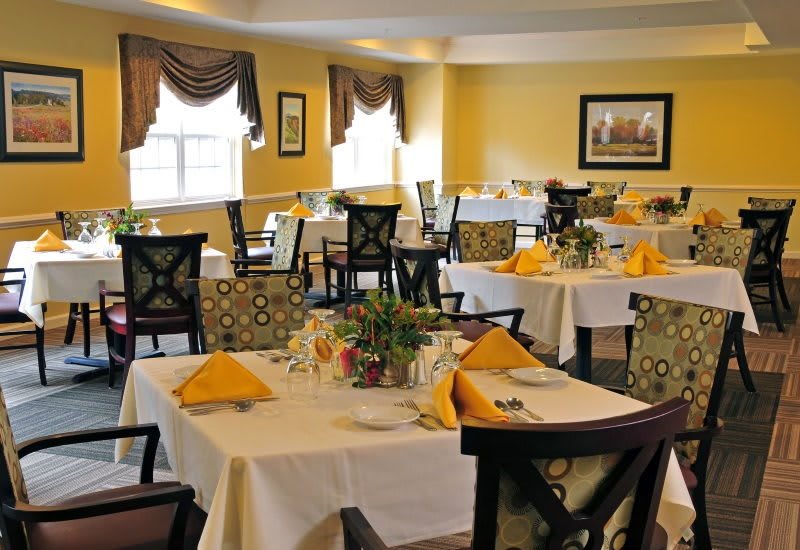
Some residents and visitors praise meals as excellent, restaurant-like, and served in a dining room. Others describe food as mediocre, inconsistent, or not good—sometimes specifically tied to dining room service. Reviews that discuss nutrition and menu variety are generally positive, while complaints focus on quality and reliability.
caveat9 reviews mention this
Pricing feels high for some families
Several families feel the monthly cost is too high.
A recurring theme is that pricing is on the high end and can be hard to afford even when the facility otherwise looks appealing. Some reviewers compare what’s included with other options and point out differences in meal inclusion and value. Even positive reviewers sometimes frame cost as a reason for hesitation or for “crunching numbers” before moving forward.
caveat6 reviews mention this
Facility size and home feel
A few reviewers say the building feels too large.
Some comments describe the community as big or not as homey, and one reviewer says it was the wrong fit because it felt too large for a loved one. Others still describe the spaces as clean and well laid out, so the size seems to be about personal preference rather than overall condition. A couple of reviews also mention layout details like room readiness during a tour and hallway appearance affecting first impressions.
How we summarize
Counts show how many written reviews mention each theme; a review can touch several themes, and only frequently mentioned themes are displayed.
Features
Housing
120 resident community capacity
1-bedroom apartments
2-bedroom apartments
Studio apartments
Types of Care
Assisted Living
Independent Living
Memory Care
Amenities
Activities off-site
Activities on-site
Air-conditioning
Beautician on-site
Beauty salon
Cable or satellite TV
Computer center
Devotional services off-site
Devotional services on-site
Dining room
Fitness room
Full kitchen
Fully furnished
Gaming room
Garden
Ground floor units
Handicap accessible
Housekeeping services
Indoor common areas
Kitchenette
Laundry
Move-in coordination
Outdoor common areas
Outdoor space
Private bathrooms
Resident parking
Respite or short term stays offered
Restaurant-style dining
Small library
Telephone
Wellness center
Wheelchair accessible showers
Wi-Fi/high-speed internet available
Transportation
Richmond International (13 miles away)
Community operated transportation
Transportation & parking
Transportation arrangement
Transportation arrangement (non-medical)
Transportation to doctors appointments
Care Services
12-16 hour nursing
24-hour call system
24-hour supervision
Activities of daily living assistance
Ambulatory care
Assistance with bathing
Assistance with dressing
Assistance with transfers
Diabetes diet
Diabetic care
Incontinence care
Meal preparation and service
Medication management
Mental wellness program
Mild cognitive impairment
Special dietary restrictions
Specialized memory care programming
Dining
Diabetes diet
Meals provided
Special dietary restrictions
Activities
Activities off-site
Activities on-site
Community-sponsored activities
Concierge services
Day trips and outings
Devotional activities offsite
Devotional activities on-site
Educational speakers / life long learning
Fitness programs
Happy hour
Live musical performances
Planned day trips
Religious services
Resident-run activities
Scheduled daily activities
Tai Chi
Trivia games
Wii bowling
Wine tasting
Yoga / chair yoga
Languages Spoken
English
Nearby Places of Interest
This part of Richmond, Virginia offers a variety of healthcare options with physicians specializing in arthritis, orthopedics, eye care, and pain management located within a few miles. Nearby hospitals include CJW Medical Center and the Hunter Holmes McGuire VA Medical Center for any urgent medical needs. There are also several pharmacies in close proximity for convenient access to medication. In terms of leisure activities, there are multiple parks nearby such as Huguenot Park and Rockwood Park for outdoor enjoyment. Additionally, there are cafes and restaurants like Cook Out and Starbucks for dining options. Places of worship like Central Baptist Church and St Edward's Church provide spiritual community connections. The area also features theaters like Commonwealth 20 & Imax for entertainment options. Overall, this neighborhood offers a mix of essential services and recreational opportunities suitable for senior living.
Physicians
Midlothian Medical Care (0.5 miles)
Arthritis Specialists (1.9 miles)
OrthoVirginia - Chippenham (2.2 miles)
Nilsen Eye Care (2.4 miles)
NorthStar Community (2.5 miles)
Bhatti Jawad Dr Virginia Pain Network And Clinics Richmond (2.5 miles)
Primary Health Group (2.8 miles)
Restaurants
Cook Out (0.8 miles)
Apollo's Flame Baked Pizza and Grill (1.3 miles)
Sonic Drive-In (2.2 miles)
McDonald's (2.7 miles)
Chick-Fil-A (2.7 miles)
Little Caesars Pizza (4 miles)
McDonald's (4.3 miles)
Pharmacies
CVS Pharmacy (1 miles)
Walgreens (1 miles)
CVS Pharmacy (2.5 miles)
Walgreens (3 miles)
CVS Pharmacy (3.1 miles)
Kroger Pharmacy (3.1 miles)
Wegmans (3.3 miles)
Hospitals
CJW Medical Center (1.9 miles)
Hunter Holmes McGuire VA Medical Center (5.3 miles)
The Crossings at Bon Air offers competitive pricing for its residential options, particularly when compared to both Richmond city and the broader state of Virginia. For instance, the cost of a studio unit at The Crossings is set at $3,000 per month, which is significantly lower than the Richmond city average of $3,749 and the state average of $4,436. Similarly, their one-bedroom units are priced at $3,650, closely aligning with the Richmond city average but notably more economical than Virginia's average of $4,257. In contrast, semi-private accommodations at The Crossings are priced higher at $4,225 compared to Richmond's lower rate of $3,174 and Virginia's statewide average of $3,991. Lastly, for those seeking more space with two-bedroom units, The Crossings' monthly fee of $4,900 stands out as relatively high compared to Richmond's average of $3,533 but still compares favorably against the state average of $4,602. Overall, The Crossings at Bon Air presents a compelling value proposition for residents considering various living arrangements in the region.
The comprehensive features of The Crossings at Bon Air are designed to create a safe and supportive environment for residents with dementia or Alzheimer's disease. With 24-hour supervision, residents receive constant monitoring, ensuring immediate assistance in case of emergencies or disorientation. Assistance with daily living tasks such as bathing, dressing, and transfers promotes independence while respecting individual capabilities. Incontinence care and meal preparation ensure that physical needs are met with dignity and respect, catering to dietary requirements and preferences. Medication management simplifies the complex process of taking multiple prescriptions, reducing the risk of errors. Additionally, tailored activities through specialized memory care programming and mental wellness initiatives engage residents cognitively and emotionally, fostering a sense of purpose and connection that enhances overall well-being even in the face of cognitive decline.
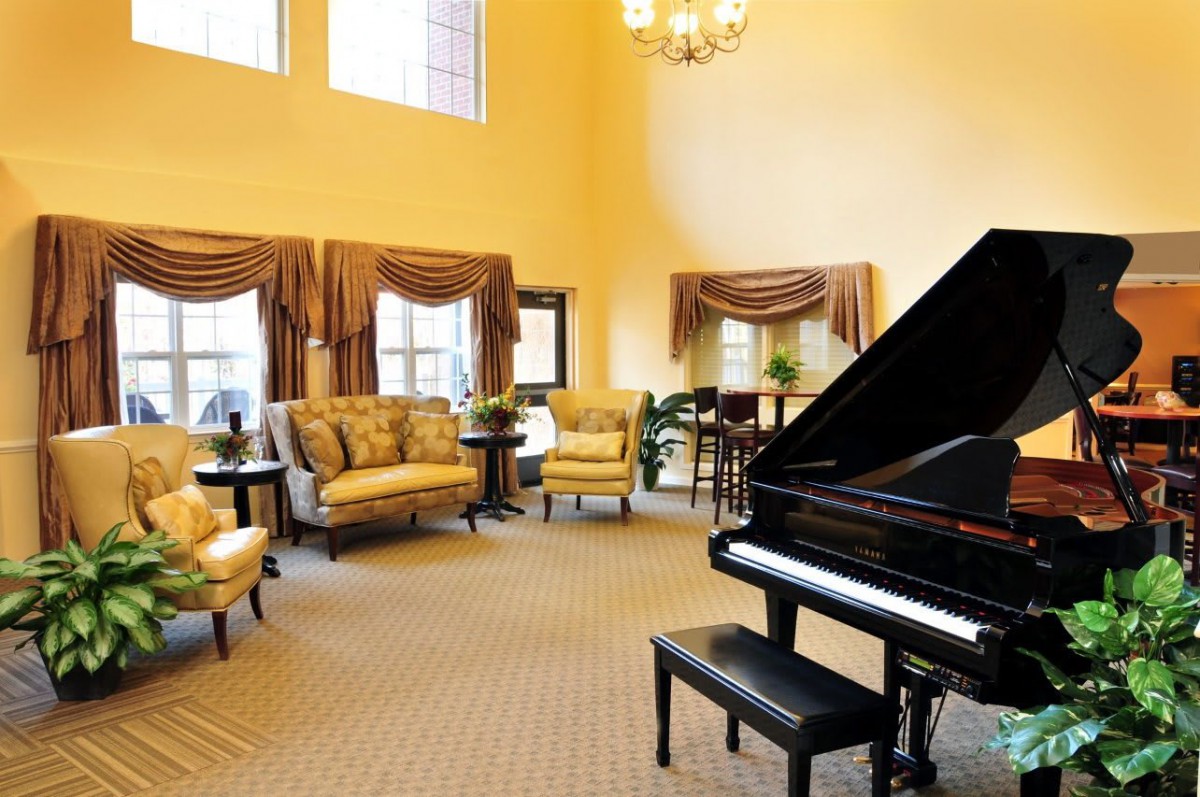
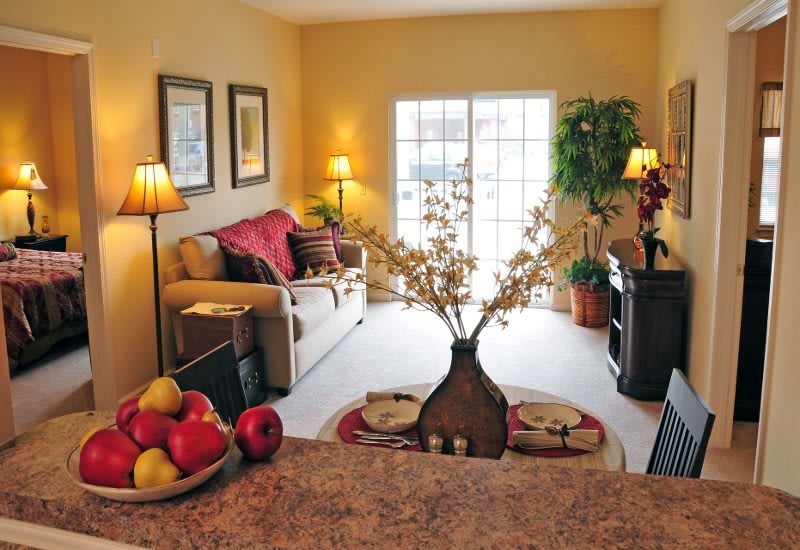
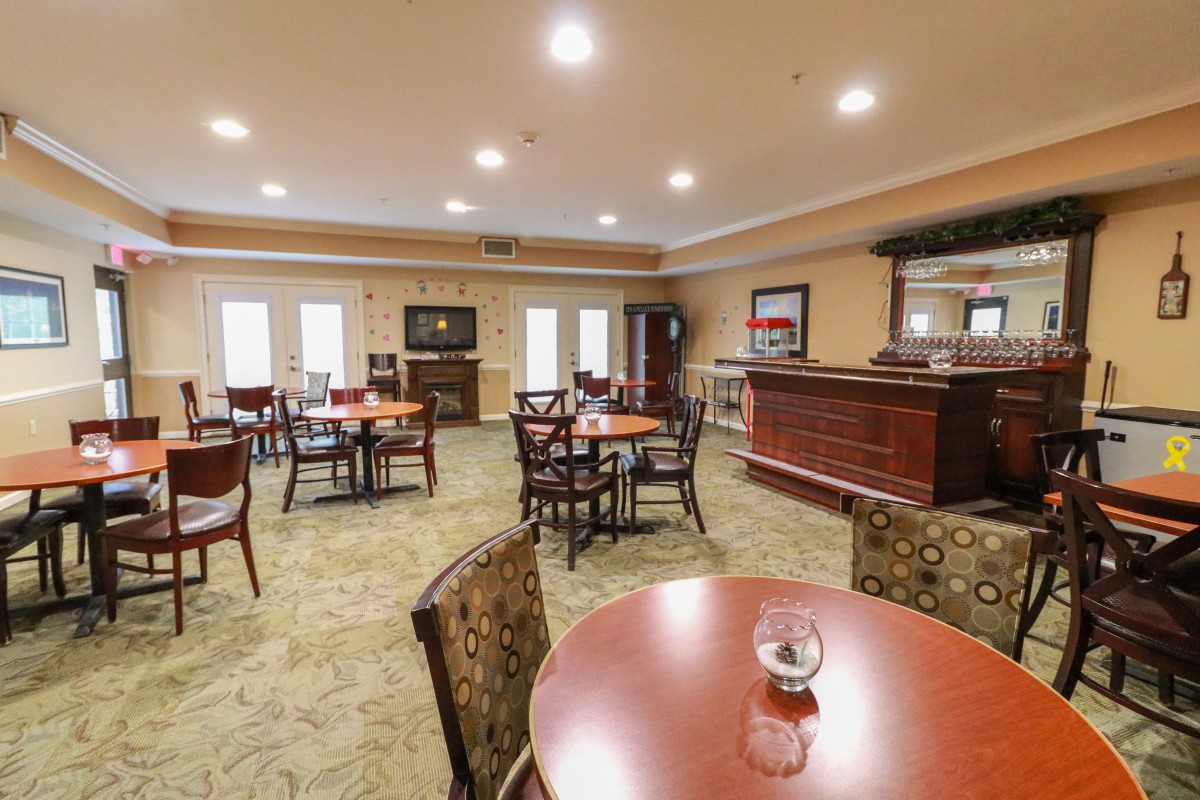
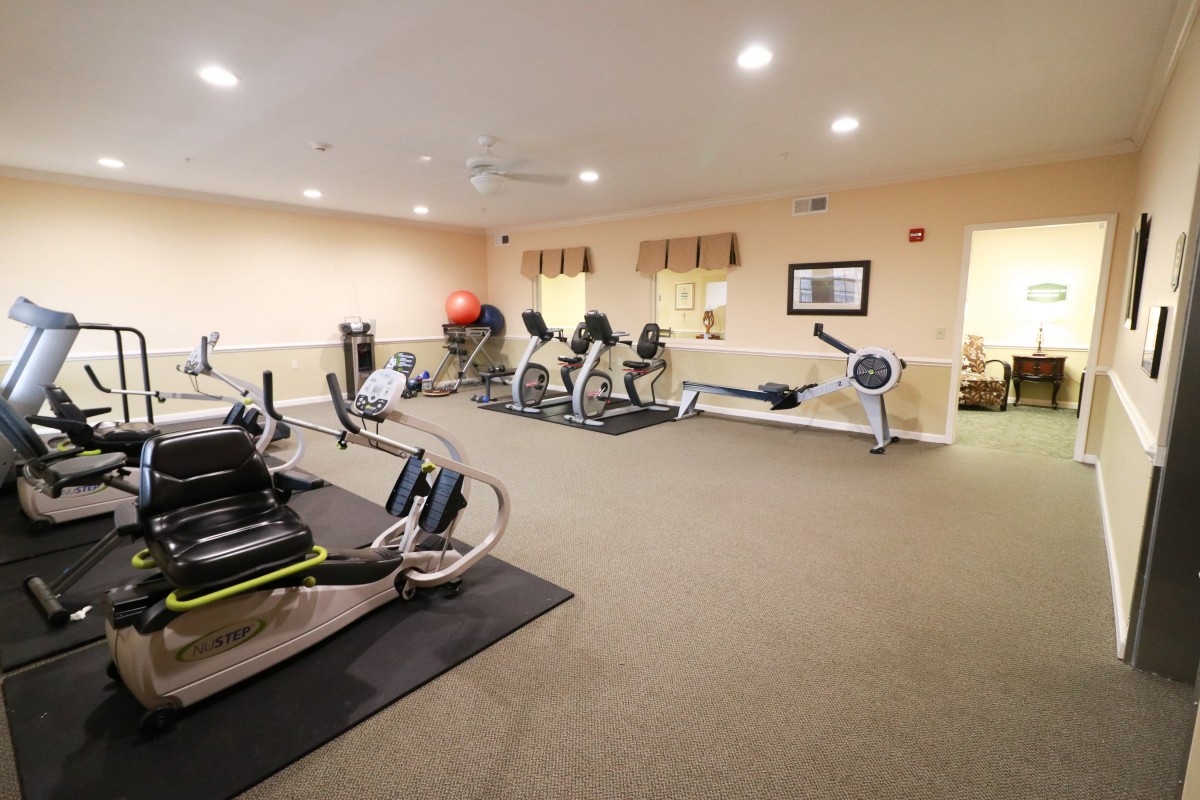
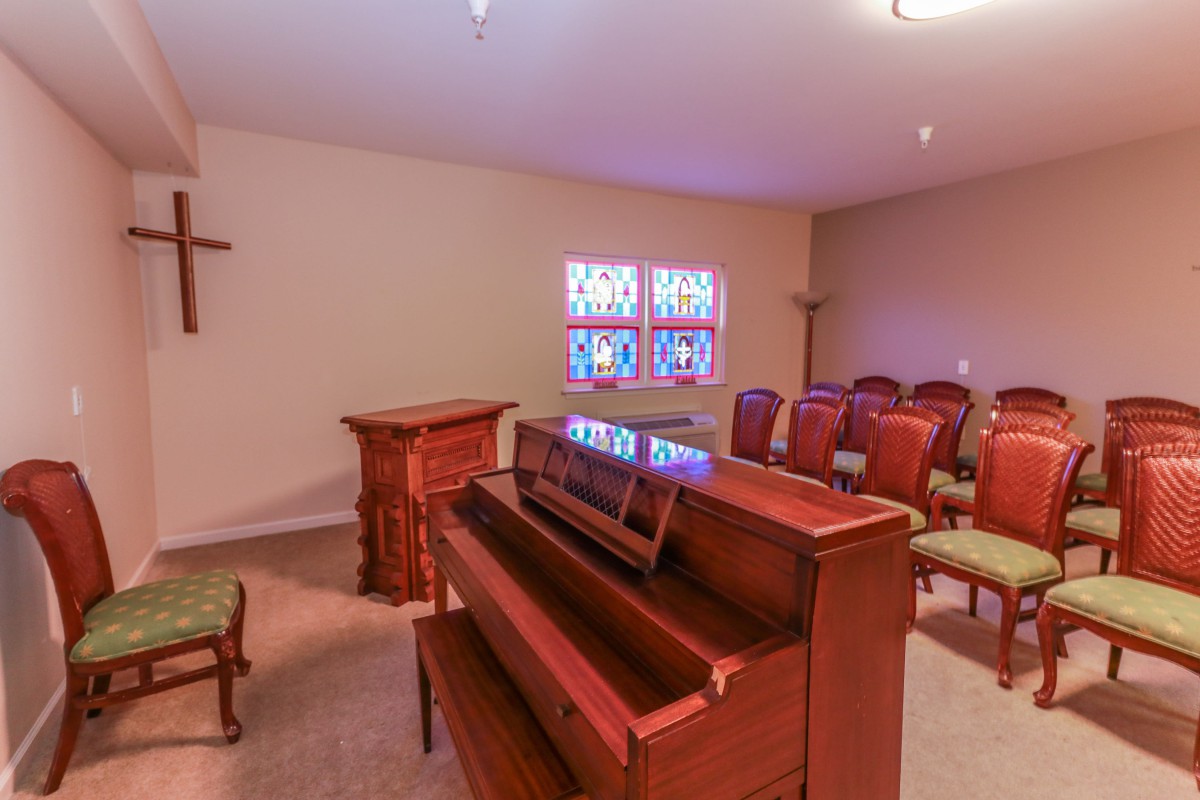
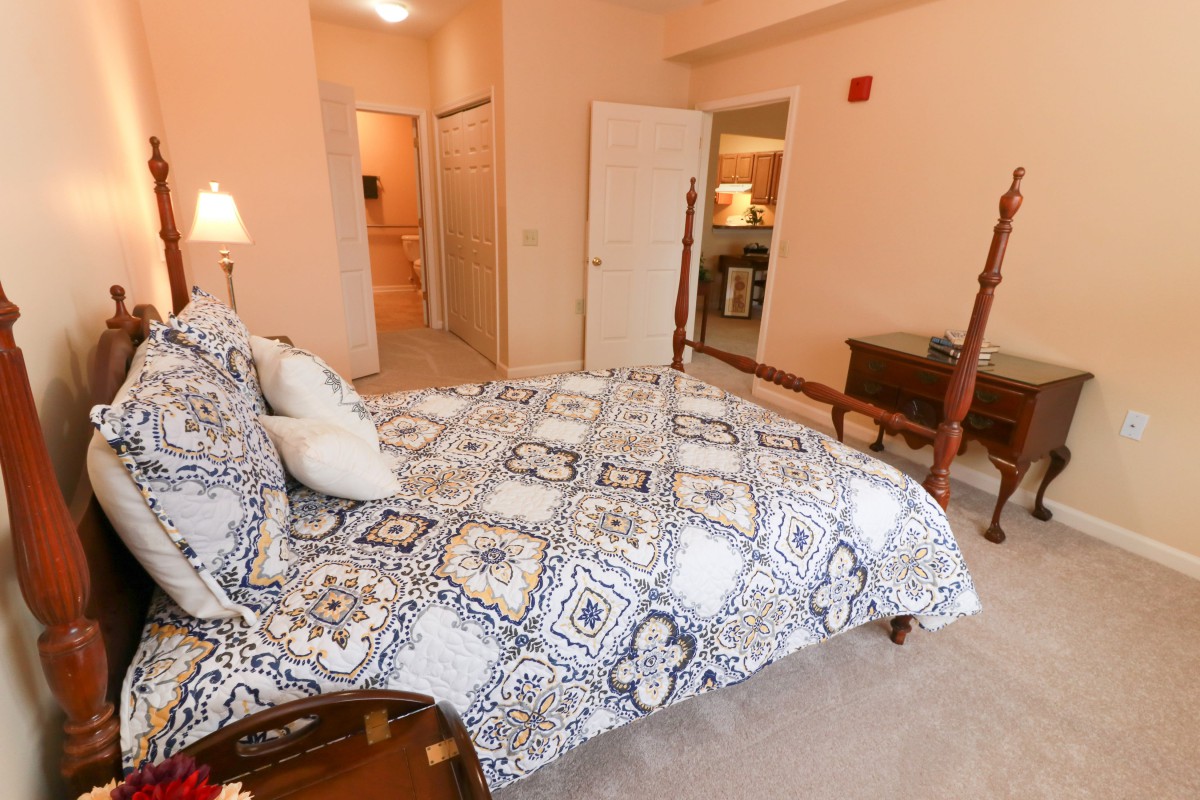
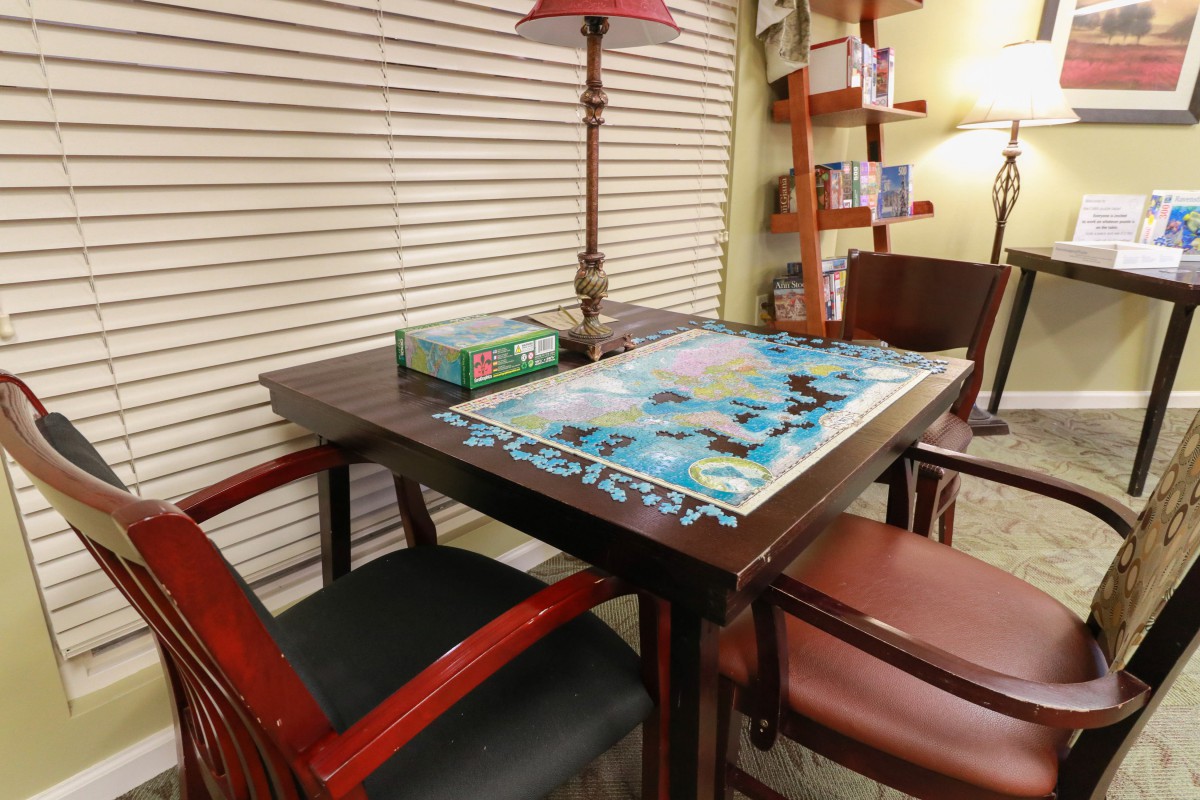
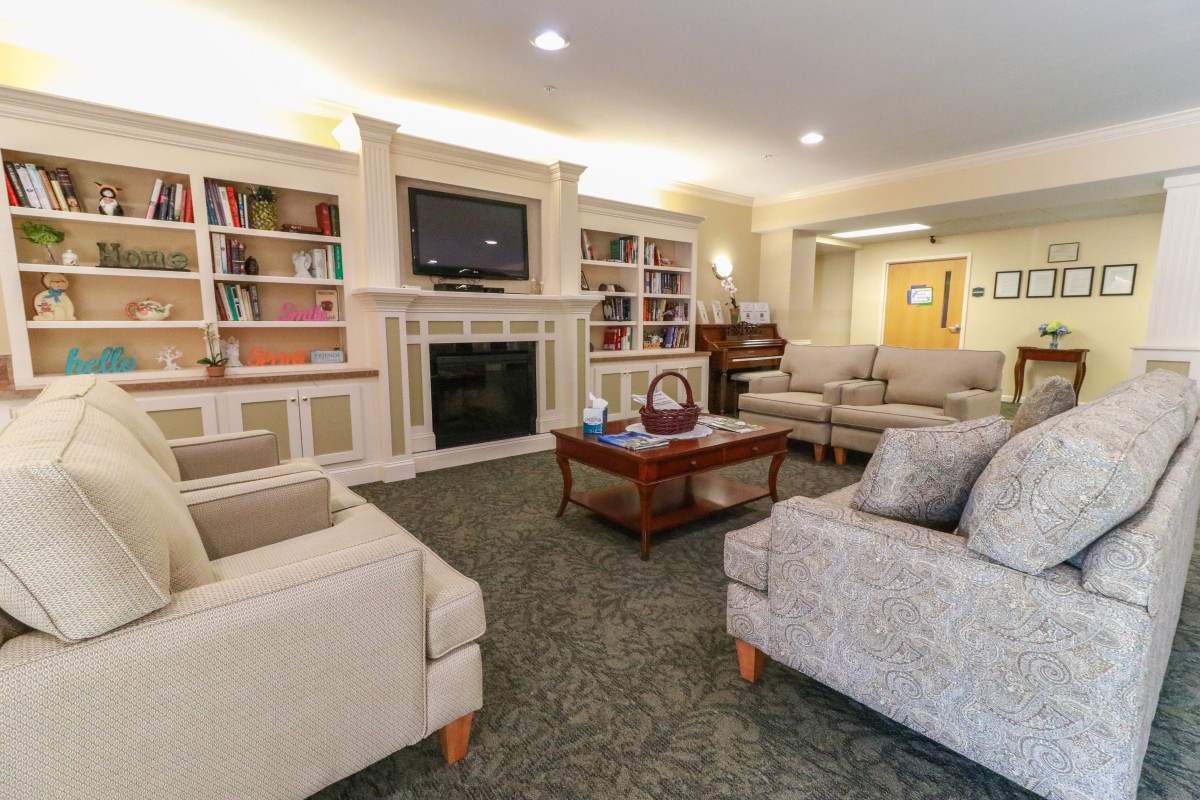
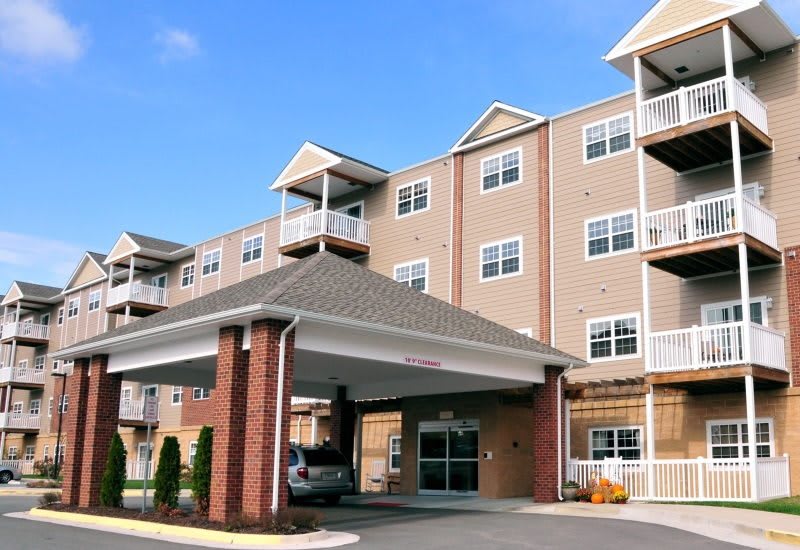
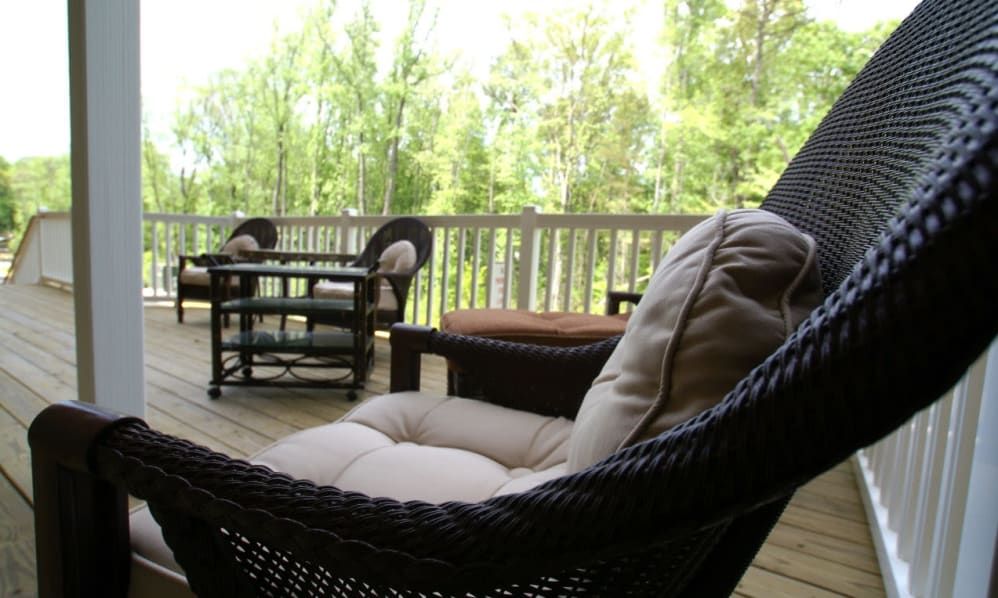
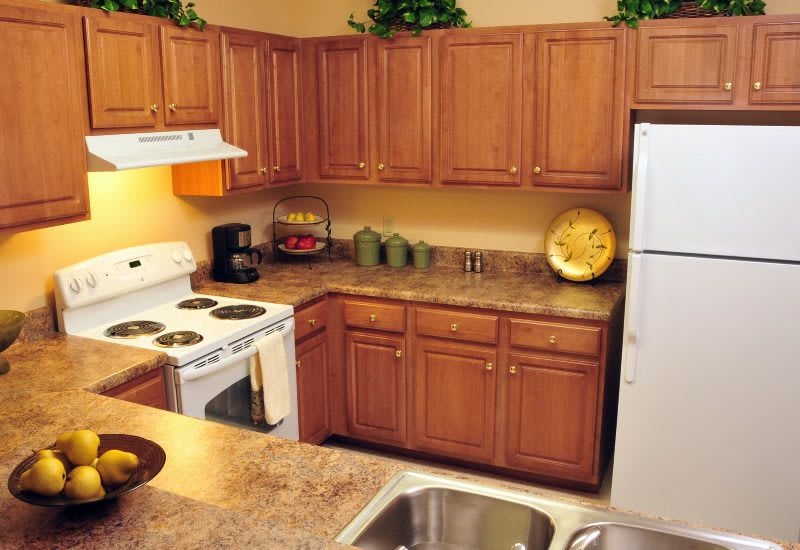
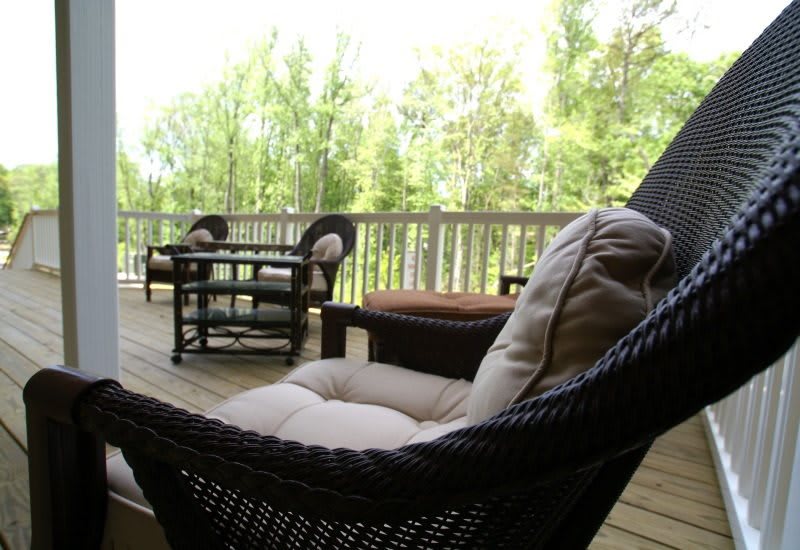
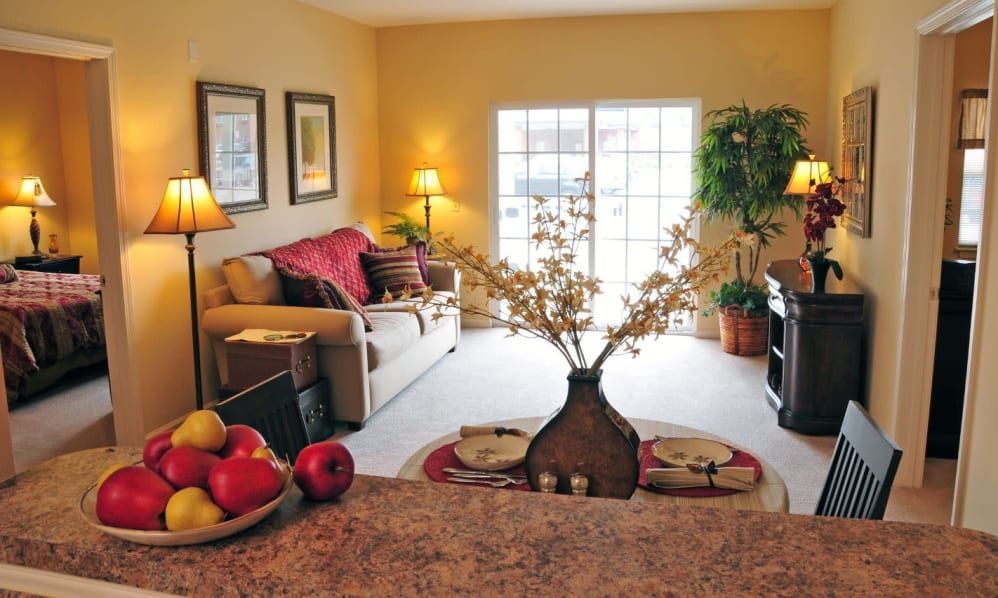
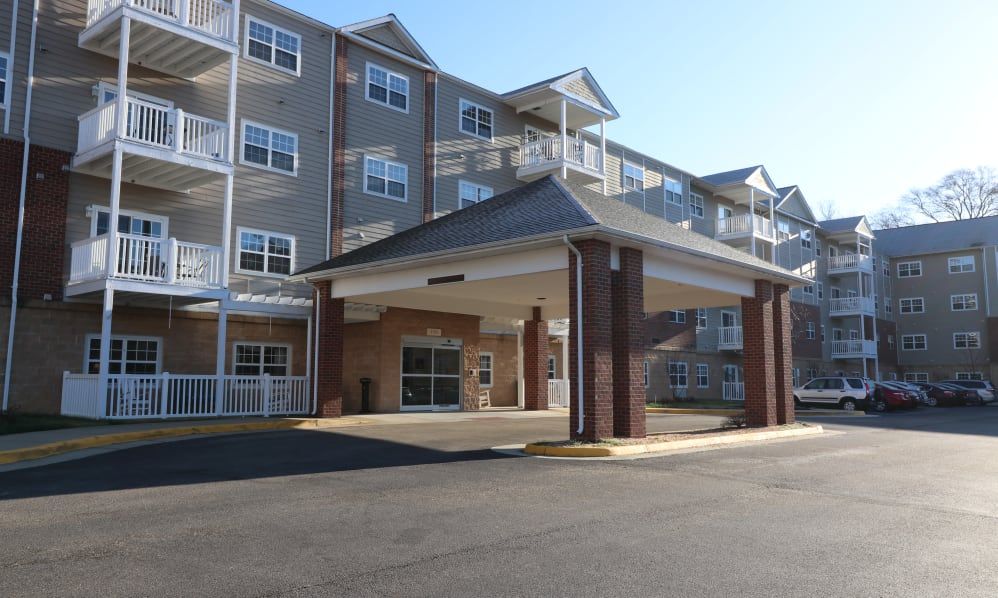
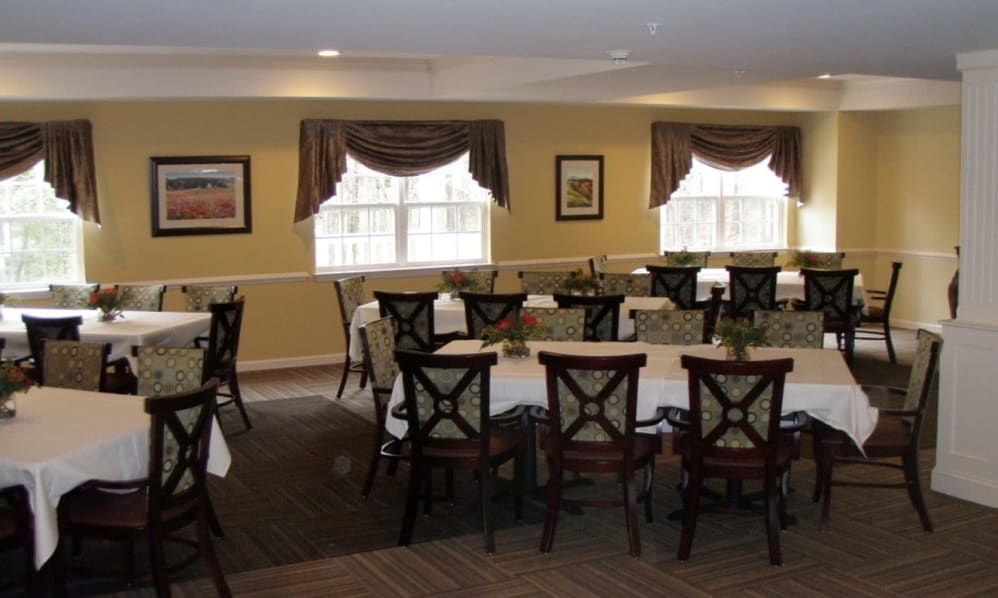
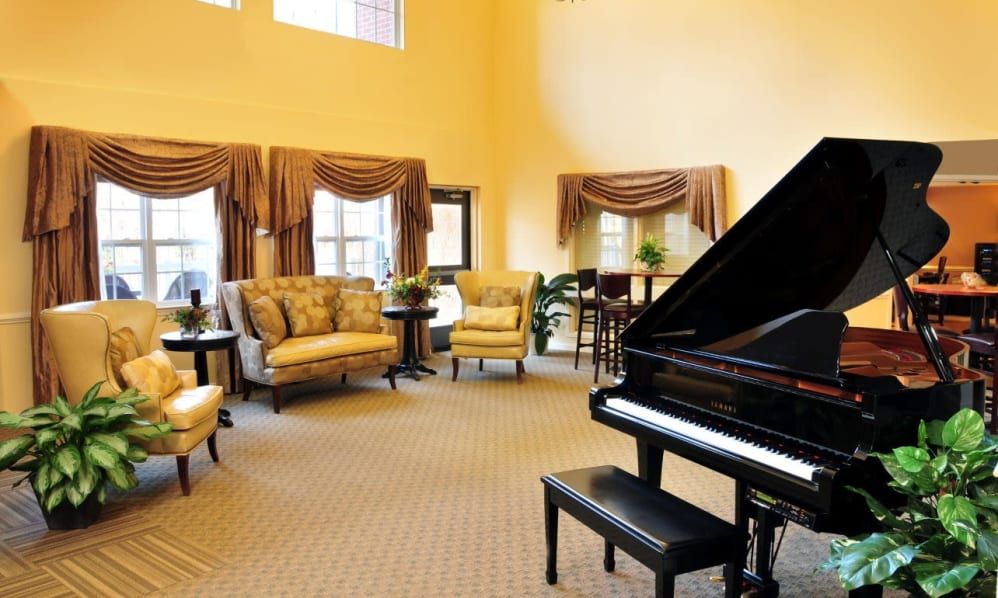
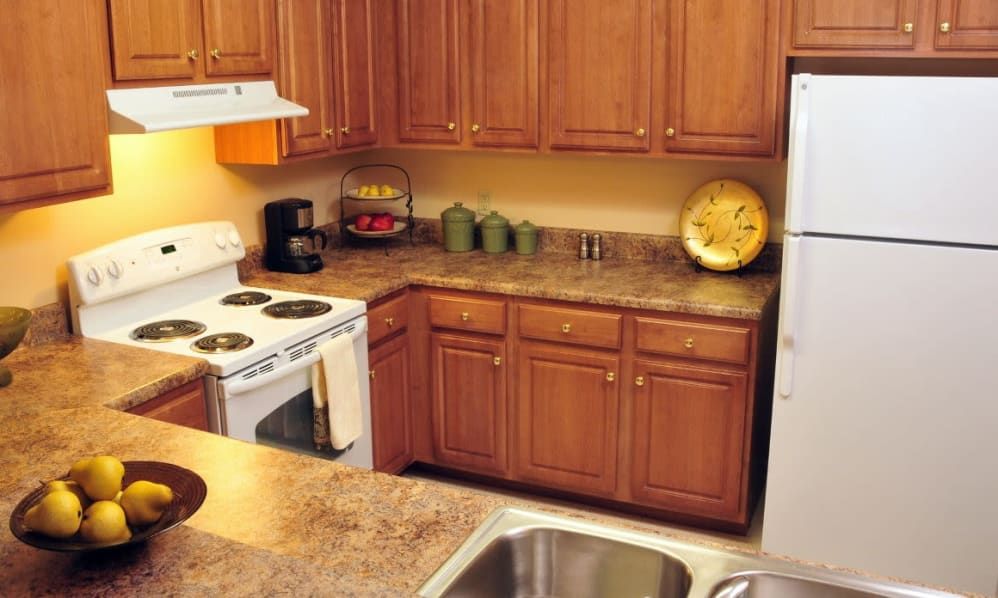
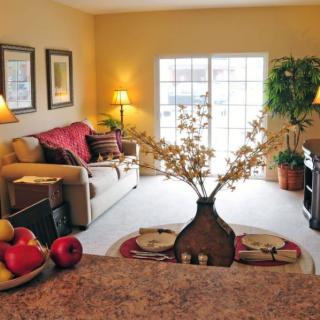
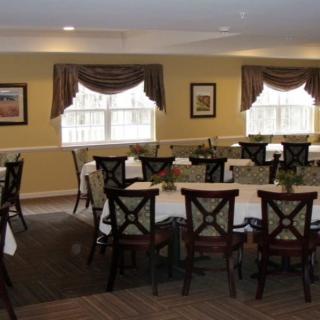
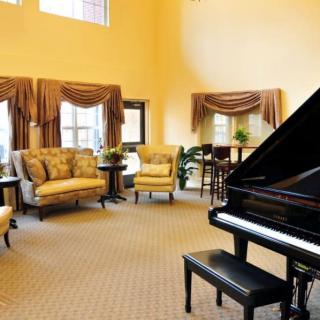
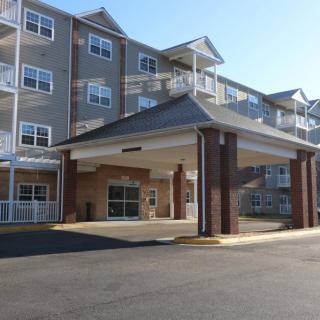
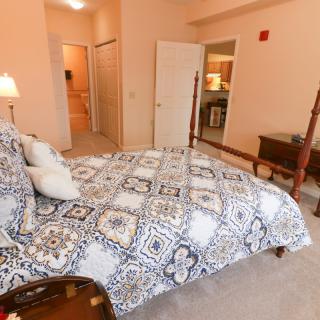
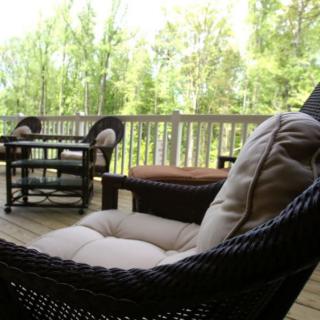
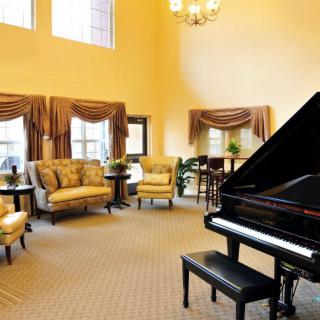
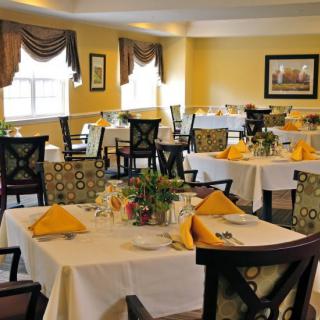
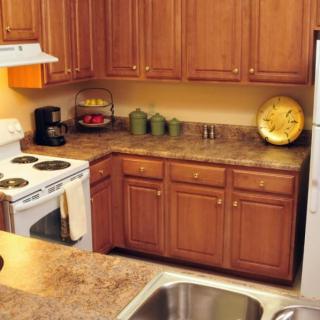
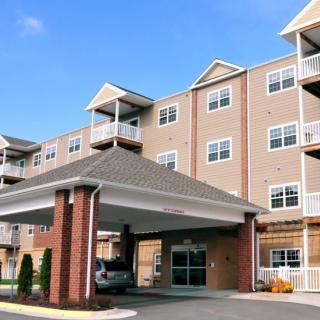
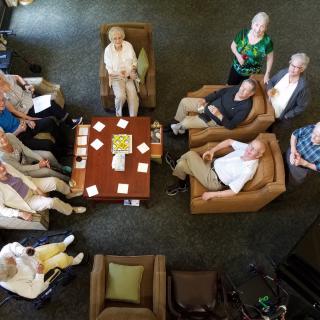
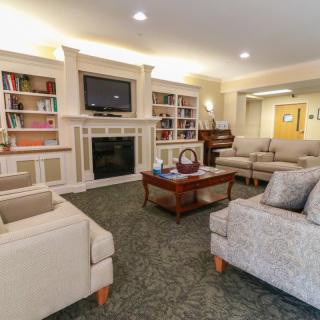
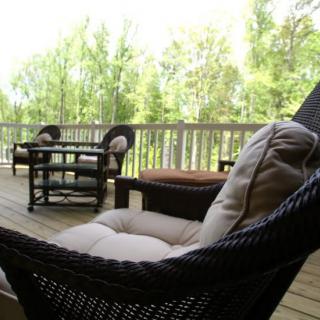
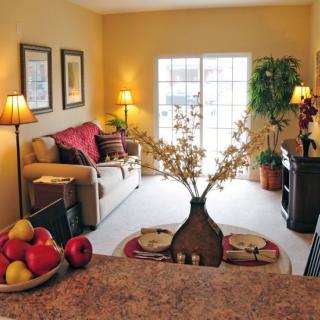
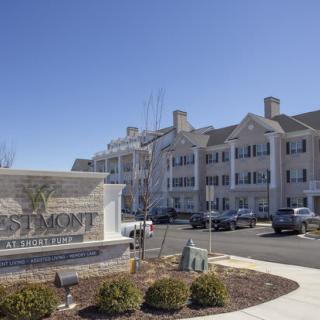
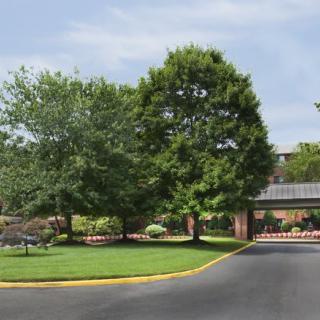
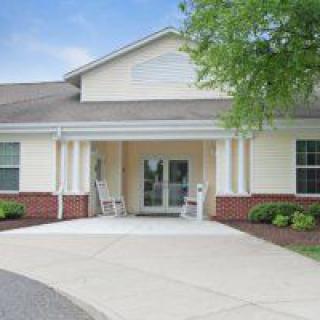
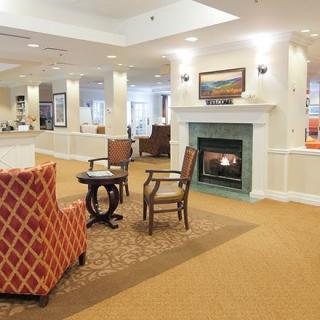
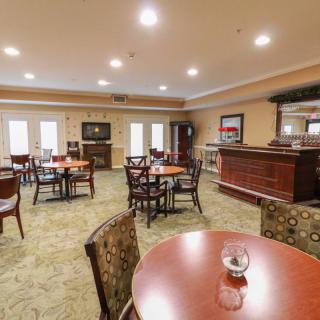
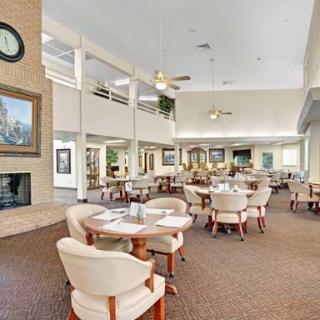
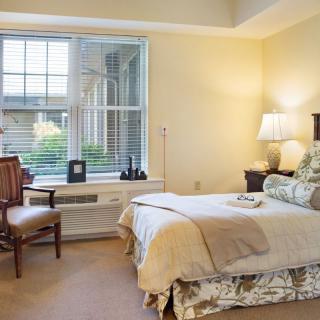
The Crossings at Bon Air on seniors.fyi includes 20 photos including images showing interior, living room, dining, decor, piano, outdoor, patio, deck, and more.
Nearby Communities
The Laurels Of Bon Air
Bon Air, VA
4 from 153 reviews
Attentive and caring staff in some cases, with clean spaces and effective rehabilitation.
Long-Term Care Consultants, Inc
Richmond, VA
Convenient location with nearby parks, dining, pharmacies, healthcare, and places of worship.
Care Advantage of Southside Richmond, VA
Richmond, VA
4.9 from 28 reviews
Compassionate staff, strong team culture, and flexible scheduling.
Anthology of Midlothian
Richmond, VA
4.6 from 96 reviews
$4,349 to $7,649 / month
Clean, spacious facility with ample activities and friendly, resident-focused staff.
The Virginian
Richmond, VA
4 from 83 reviews
$3,239 to $5,169 / month
Clean, well-maintained with friendly staff and engaging activities.
Seaton Chesterfield
Richmond, VA
4.5 from 79 reviews
$2,800 to $4,500 / month
Friendly staff in a warm, smaller community with well-sized rooms and engaging activities.
The Barrington at Hioaks
Richmond, VA
4.7 from 167 reviews
$2,475 to $4,500 / month
Friendly staff, clean and welcoming environment with engaging activities and quality dining.
Townes at Notting Place
Richmond, VA
Small, personalized community with tailored care and nearby amenities.
Sunrise at Bon Air
Richmond, VA
3.9 from 111 reviews
$5,520 to $11,220 / month
Caring, attentive staff in a warm, home-like community with engaging activities.
"Memory Care Pathways: A Holistic Guide to Dementia Support" outlines the complexities of dementia and its various types, emphasizing early detection, patient-centered care strategies, caregiver support, and long-term care options while addressing legal and financial considerations to enhance the quality of life for individuals with dementia and their families.
Sundown syndrome, or sundowning, is a phenomenon in dementia patients characterized by increased confusion and agitation during late afternoon and evening, influenced by factors like disrupted circadian rhythms and fatigue. Effective caregiver strategies include establishing routines and managing environmental light while addressing caregiver stress through support services.
Delirium is a rapidly onset, reversible cognitive disturbance often caused by acute medical issues, while dementia is a gradual and irreversible decline due to chronic neurodegenerative diseases. Accurate differentiation between the two is essential for appropriate treatment and management in older adults.
Exercise Equipment, Gym, Fitness Center, and Excercise Equipment
Natural Light
Seating and Chapel
Piano
Plant
Refrigerator
Balcony and Awning
Lights
Coffee Station
Table Settings
Get PricingAsk A QuestionSchedule A TourContact Senior Advisor
By clicking submit, you agree to our Partner's Terms of Use. You
also consent to receive calls and texts, which may be autodialed, from our Partner. Your consent is not a condition to
using our Partner's service. Please visit our Partner's Privacy Policy for information about their privacy practices.


 120 resident community capacity
 1-bedroom apartments
 Assisted Living
 Independent Living
 Memory Care
 Activities off-site
 Air-conditioning
 Beautician on-site
 Cable or satellite TV
 Computer center
 Devotional services off-site
 Dining room
 Fitness room
 Full kitchen
 Fully furnished
 Gaming room
 Garden
 Ground floor units
 Handicap accessible
 Housekeeping services
 Indoor common areas
 Laundry
 Move-in coordination
 Outdoor common areas
 Private bathrooms
 Resident parking
 Respite or short term stays offered
 Restaurant-style dining
 Small library
 Telephone
 Wellness center
 Wheelchair accessible showers
 Wi-Fi/high-speed internet available
 Richmond International (13 miles away)
 Community operated transportation
 12-16 hour nursing
 24-hour call system
 Ambulatory care
 Assistance with bathing
 Assistance with dressing
 Assistance with transfers
 Diabetes diet
 Diabetic care
 Incontinence care
 Medication management
 Mental wellness program
 Special dietary restrictions
 Concierge services
 Day trips and outings
 Educational speakers / life long learning
 Happy hour
 Live musical performances
 Trivia games
 Wii bowling
 Wine tasting
 English
 Attentive and caring staff in some cases, with clean spaces and effective rehabilitation.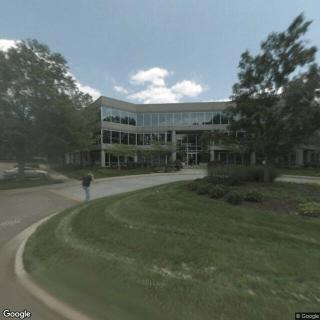

 Memory Care Pathways: A Holistic Guide to Dementia Support
 Comprehending Evening Confusion in Dementia: Causes, Manifestations, and Support
 Delirium and Dementia: Unraveling the Key Differences