For more information about senior living options: (866) 208-4318
4.2 from 111 reviews
5 stars
88
4 stars
1
3 stars
2
2 stars
0
1 stars
20
Overall Review of Homewatch Caregivers
common22 reviews mention this
Providers take time to listen
Residents describe providers who listen, don’t rush, and treat them as people.
Many reviews emphasize that appointments feel unhurried and that their concerns are taken seriously. People repeatedly mention being heard, respected, and supported during medication management and therapy sessions. Several also describe providers as thorough—explaining medications and taking time to understand their individual needs beyond just quick check-ins.
caveat12 reviews mention this
Communication can be slow
Several reviewers say it can be hard to reach the office when they need help.
A recurring complaint is difficulty getting timely responses by phone or email, including delays around scheduling and follow-ups. Some reviewers describe long hold times or no reply after reaching out, and a few connect the problem to refill timing or ongoing care needs. Others mention that getting through to reschedule can take repeated attempts.
caveat4 reviews mention this
Appointments feel inconsistent
Some residents report no-shows, long waits, or tight scheduling flexibility.
While many reviews are positive about professionalism and being on time, a smaller set describes issues with scheduling reliability. These comments include getting held up well past appointment times and experiencing missed or delayed appointments without timely communication. Others also mention limited flexibility when trying to switch visit types or make changes close to the appointment.
common9 reviews mention this
Medication management is central
Reviews frequently focus on medication management and medication explanations.
Across reviews, medication management comes up often, with multiple patients describing providers who explain meds clearly and help them find what works. Some reviewers also connect the care they received to improvements in symptoms and day-to-day functioning. On the other hand, a few people express dissatisfaction, saying they felt pushed toward medication, experienced issues with refill access, or didn’t receive the kind of discussion they expected when changes were made.
common2 reviews mention this
Nearby essentials are close by
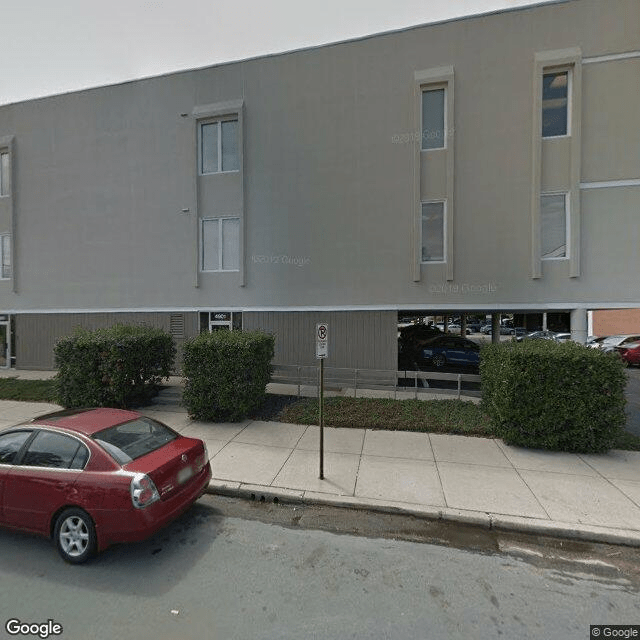
The listing area includes nearby dining, pharmacies, and medical offices.
The area around the listing shows multiple nearby options for errands and appointments. That includes pharmacies and physician offices within about a mile, plus several restaurants and cafes that are also relatively close. This can help with day-to-day logistics alongside scheduled visits.
How we summarize
Counts show how many written reviews mention each theme; a review can touch several themes, and only frequently mentioned themes are displayed.
Features
Transportation
Richmond International (11 miles away)
Nearby Places of Interest
This part of Richmond, Virginia offers a diverse range of amenities and services that could make it a desirable location for senior living. With several restaurants, cafes, pharmacies, physicians' offices, and hospitals within close proximity, residents have easy access to essential resources for maintaining their health and well-being. Additionally, the presence of theaters, parks, and places of worship provide opportunities for recreation and spiritual fulfillment. The area is also well-connected in terms of transportation options, with an Amtrak station and a GRTC Pulse bus stop nearby. Overall, this neighborhood offers a convenient and vibrant setting for seniors looking to enjoy a comfortable and fulfilling lifestyle in Richmond.
Restaurants
Chopt Creative Salad Co. (0.2 miles)
Chick-Fil-A (0.3 miles)
Stella's Grocery (1 miles)
The Answer Brewpub (1.1 miles)
Mekong Restaurant (1.1 miles)
Jack Brown's Beer and Burger Joint (1.3 miles)
Blue Bee Cider (1.6 miles)
Cafes
Panera Bread (0.3 miles)
Blanchard’s Café (1.5 miles)
Starbucks (2.1 miles)
Stir Crazy (2.2 miles)
Starbucks (2.2 miles)
Lamplighter (2.5 miles)
The Smoky Mug (3.5 miles)
Pharmacies
CVS Pharmacy (0.3 miles)
Walgreens (0.9 miles)
Walgreens (1.6 miles)
CVS Pharmacy (1.7 miles)
CVS Pharmacy (1.9 miles)
CVS Pharmacy (2.2 miles)
Walgreens (2.8 miles)
Physicians
Patterson Eye Clinic (0.9 miles)
Neuropsychological Associates Of Virginia (1 miles)
Tuckahoe Orthopaedic Assoc (1.1 miles)
Pulmonary Associates of Richmond (1.8 miles)
Patterson Office Villiage (1.9 miles)
Surgical Specialists of Richmond (2 miles)
Brooks Optical (2.3 miles)
Hospitals
St Marys South Building (1 miles)
VCU Medical Center Emergency Department (3 miles)
Hospital Hospitality House (4.2 miles)
Vcu Health System Authority (4.3 miles)
Children's Hospital of Richmond at VCU (4.4 miles)
Seniors benefit from ride-hailing services like Uber and Lyft, which provide convenient and accessible transportation options that promote independence and social engagement, while addressing mobility challenges. These platforms have adapted to meet senior needs with user-friendly features and safety measures, although costs can be a concern; community programs may help subsidize rides for older adults.
The guide outlines the eligibility criteria for home health care services, emphasizing clinical requirements, insurance options, and application processes. It distinguishes between Medicare's strict and Medicaid's flexible qualifications while addressing challenges families may face in securing necessary care at home.
Elder abuse affects many older adults worldwide and includes physical, emotional, neglectful, and financial harm, with about one in six individuals over 60 experiencing abuse annually. Prevention and intervention strategies focus on awareness, support for caregivers, and mandatory reporting, while recovery necessitates comprehensive support for both physical and emotional needs.
Get PricingAsk A QuestionSchedule A TourContact Senior Advisor
By clicking submit, you agree to our Partner's Terms of Use. You
also consent to receive calls and texts, which may be autodialed, from our Partner. Your consent is not a condition to
using our Partner's service. Please visit our Partner's Privacy Policy for information about their privacy practices.

 Richmond International (11 miles away)
 Reliable, on-time caregivers with responsive issue resolution and compassionate leadership.




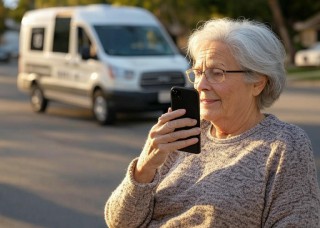 Seniors and Modern Transportation: Exploring Uber, Lyft, and Other Ride-Hailing Options
 Comprehensive Guide to Qualifying for Home Health Care Services
 Powerful Realities of Elder Abuse and the Most Effective Ways to Report It