
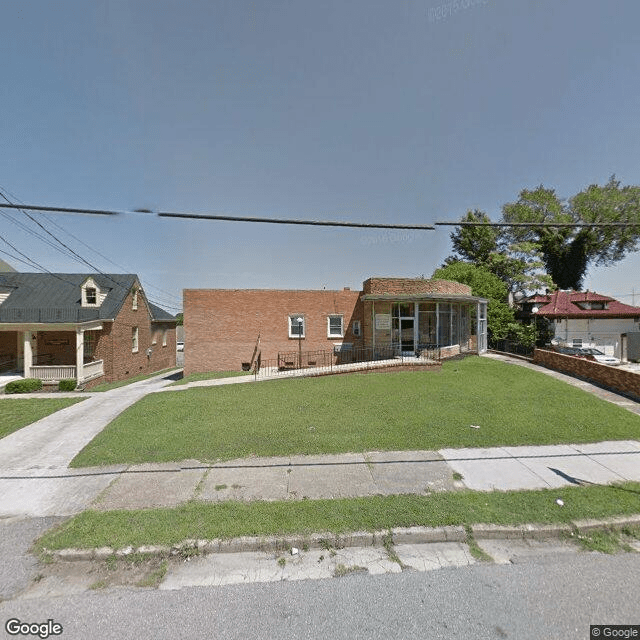
17 Shore Street, Petersburg, VA 23803
For more information about senior living options: (866) 208-4318
Metro Gardens Assisted Living Facility Costs & Pricing
Metro Gardens Assisted Living Facility offers a competitively priced option for those seeking semi-private accommodations, with monthly costs set at $1,505. This figure stands in stark contrast to the average costs within Petersburg city, which are approximately $2,760, and Virginia state averages that reach around $3,991. Such pricing reflects Metro Gardens' commitment to providing quality care at an accessible rate, making it an appealing choice for families looking for affordable options in assisted living without compromising on essential services and community support.
| Floor plans | Metro Gardens Assisted Living Facility | Petersburg city | Virginia |
|---|---|---|---|
| Semi-Private | $1,505 | $2,760 | $3,991 |
Assisted Living communities with a similar price nearby
-
from +$92 / mo
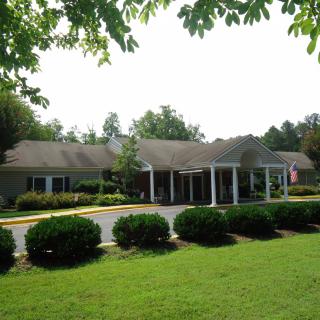
Ivy Ridge Assisted Living Center
$1,597 to $3,348 / month2.5 miles away -
from -$105 / mo
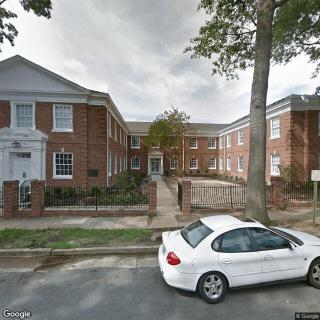
The Parkwood
$1,400 / month23.6 miles away -
About the same
Rah Winthrop Manor
$1,495 to $2,300 / month23.1 miles away -
from -$105 / mo
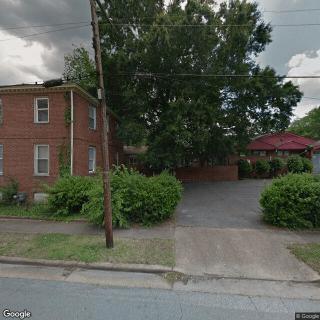
Fillmore Place
$1,400 to $1,600 / month0.4 miles away -
About the same
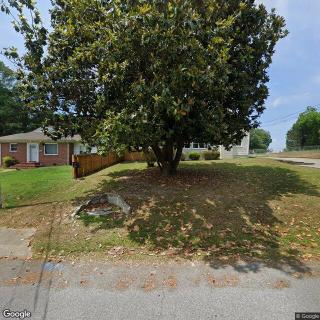
Totty Place
$1,505 / month1.9 miles away
Overall Review of Metro Gardens Assisted Living Facility
Pros
 The new group of workers is very good staff.
Cons
 The workers need more training.
- The staff were very rude and unprofessional; one woman mocked callers on the phone.
- The supervisor and other staff were nasty and rude, with an aggressive attitude.
- The primary contact's tone and telephone manner were unfriendly and did not encourage scheduling a tour.
- The initial impression deterred the reviewer from pursuing the facility as an option for their mother.
Review
Metro Gardens Assisted Living is best suited for families that can tolerate uneven staffing and are prepared to take an active, hands-on role in supervising care. The facility has shown that a portion of the staff can be competent and friendly, and there is at least a sense that new groups of workers are capable of delivering better daily care. However, this potential is not consistently realized, and the overall experience remains fragile, dependent on who happens to be on duty and how well supervision is handled. For residents who require steady, predictable interactions and a consistently respectful front-desk experience, this community does not yet meet those baseline expectations.
Explicitly, those who prioritize courteous communication and reliable administrative support should consider alternatives. The pattern in initial phone interactions is telling: tone, patience, and a willingness to answer questions are not consistently present. Prospective residents should demand a front desk and management team that can deliver respectful, unhurried conversations and clear next steps. Without that baseline, even competent caregiving on the floor may be undermined by an impression of indifference at the outset, which colors visits, tours, and ongoing decisions. In short, good care requires not just trained hands, but credible, professional communication from the top down, and that is where this community currently struggles.
On the upside, there is a glimmer of potential. A new group of workers is described as very good, and a few staff members show capacity and warmth that indicate proper training can yield reliable care. That consistency, if realized, could tilt the balance toward a satisfactory experience for residents, particularly if supervision tightens and staff retention improves. The existence of competent caregivers suggests that the facility is not beyond redemption. However, the presence of even a subset of well-performing staff does not erase the broad pattern of inconsistency and difficult interpersonal dynamics that recur across reviews. For families, that means monitoring every shift and confirming that the right people are consistently on duty.
Conspicuously negative are the recurring reports of rude behavior and unprofessionalism. Descriptions of residents being treated with aggression, calls that feel mocking, and a supervisor whose tone compounds the problem paint a service environment that is fragile and discouraging. The primary contact's unfriendly telephone manner and dismissive follow-up further corrode trust before a tour is even scheduled. Those early interactions matter: they set expectations, and when they fail, families become hesitant to commit or to entrust a loved one to care that may improve in some moments but not in others. In short, the communication and leadership gaps are real, and they significantly outweigh whatever on-floor care may be capable in better conditions.
Families evaluating Metro Gardens should interrogate several practical factors before deciding. Schedule in-person tours to observe how staff interact with residents and how questions are answered, not just how facilities look. Request to meet the administrator and ask about staffing ratios, training programs, turnover, and how management handles complaints. Probe consistency across shifts, and seek recent references from current residents or families. A clear, written plan for addressing concerns, with measurable targets for courtesy and responsiveness, is essential. If those elements cannot be demonstrated, the risk that the day-to-day experience will mirror these reviews remains high.
In final assessment, Metro Gardens demands active involvement from families and a readiness to push for better communication and consistent care. The pattern of rude, inconsistent service paired with weak initial contact argues strongly against this being a default choice for most seniors or families seeking reassurance. Alternatives that offer steadier front-door professionalism, stronger supervisory oversight, and more uniformly respectful interactions should be prioritized. The door is not closed, improvements are possible if leadership commits to steady staffing, comprehensive training, and a culture that treats every call and tour as a first impression worth defending.
 27 resident community capacity
 Assisted Living
 Activities on-site
 Beautician on-site
 Cable or satellite TV
 Devotional services on-site
 Dining room
 Fully furnished
 Garden
 Housekeeping services
 Indoor common areas
 Kitchenette
 Move-in coordination
 Outdoor common areas
 Restaurant-style dining
 Small library
 Telephone
 Wi-Fi/high-speed internet available
 Richmond International (20 miles away)
 24-hour call system
 Ambulatory care
 Assistance with bathing
 Assistance with dressing
 Assistance with transfers
 Diabetes diet
 Diabetic care
 Incontinence care
 Medication management
 Mental wellness program
 Special dietary restrictions




 Comprehensive Supportive Living Arrangements for Adults with Disabilities
 Funding and Affording Assisted Living: A Thorough Overview
 Assisted Living Expenses and Long-Term Care Insurance: A Comprehensive Exploration