
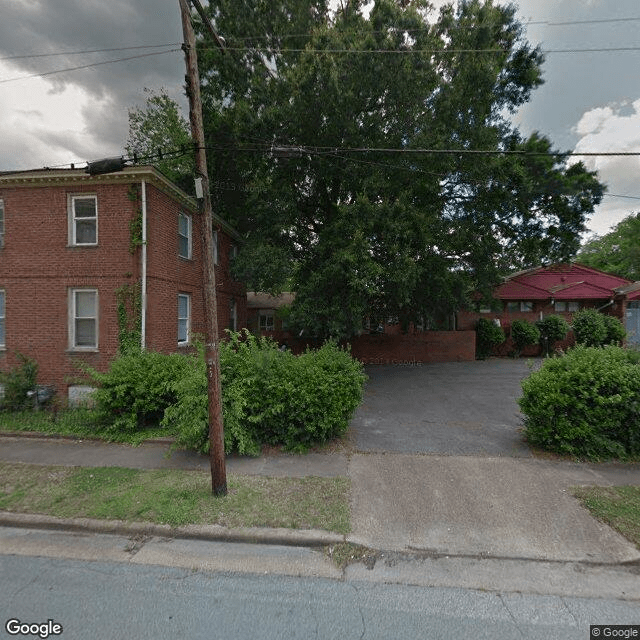
36 West Fillmore Street, Petersburg, VA 23803
For more information about senior living options: (866) 208-4318
Fillmore Place Costs & Pricing
Fillmore Place offers competitive pricing for its accommodations compared to both Petersburg city and the broader state of Virginia. For a semi-private room, residents enjoy a monthly rate of $1,400, which is significantly lower than the average cost in Petersburg city at $2,760 and far more affordable than the state average of $3,991. Similarly, for those seeking a one-bedroom unit, Fillmore Place charges $1,600 per month - again substantially less than the $3,280 found in Petersburg and well below Virginia's average of $4,257. These rates position Fillmore Place as an attractive option for individuals seeking quality living arrangements without exceeding their budget.
| Floor plans | Fillmore Place | Petersburg city | Virginia |
|---|---|---|---|
| Semi-Private | $1,400 | $2,760 | $3,991 |
| 1 Bedroom | $1,600 | $3,280 | $4,257 |
Assisted Living communities with a similar price nearby
-
from +$197 / mo
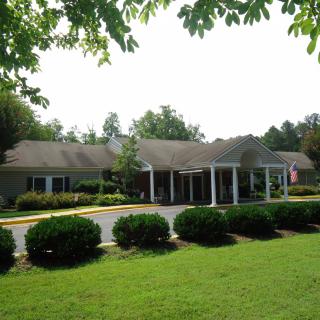
Ivy Ridge Assisted Living Center
$1,597 to $3,348 / month2.9 miles away -
About the same
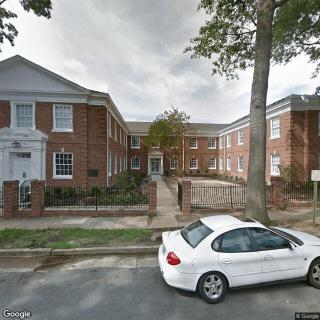
The Parkwood
$1,400 / month23.2 miles away -
from +$95 / mo

Rah Winthrop Manor
$1,495 to $2,300 / month22.8 miles away -
from +$105 / mo
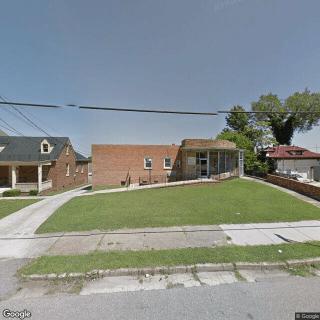
Metro Gardens Assisted Living Facility
$1,505 / month0.4 miles away -
from +$105 / mo
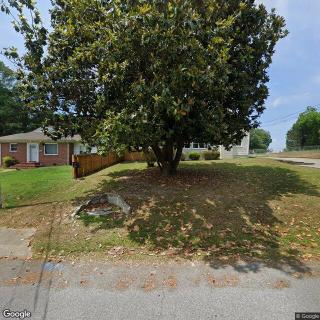
Totty Place
$1,505 / month1.5 miles away
Overall Review of Fillmore Place
Pros
 They keep their prices low.
Cons
 The bed bugs are out of control, the place is dirty, and it smells terrible; it should be shut down.
- There are bedbugs, roaches, mice, and rats on the premises.
- The food is inedible, and the place needs to be razed.
- Stealing and intimidation occur regularly, and residents panhandle to buy cigarettes, indicating serious mistreatment.
- The home seems to care only about keeping residents alive, with little regard for the people who live there.
Review
Fillmore Place in Petersburg is best suited for virtually no one seeking a dependable assisted-living experience. If a family truly has limited options and must consider somewhere with a minimal price tag, this community might be the only feasible choice, provided there is an unwavering commitment to vigilant oversight and a readiness to relocate at the first sign of trouble. Otherwise, families should treat this as a last-resort option and actively search for facilities with stronger safety records, cleaner environments, and staff practices that convey respect and accountability. In short, this is a place to avoid unless every other avenue has been exhausted and risk tolerance is extraordinarily low.
The most troubling findings in recent observations are hygiene and pest issues that undermine any possibility of comfort or safety. Reports of bed bugs, roaches, mice, and even rats point to a facility where sanitation is chronically inadequate. The premises reportedly emit persistent unpleasant odors and appear dirty, creating a hostile living environment rather than a dignified residence. Food quality is another critical failure, with descriptions of meals being barely edible. Taken together, these conditions create a baseline hazard for residents and a constant source of stress for families who expect basic standards of cleanliness and nutrition.
Beyond physical conditions, concerns about safety and resident welfare extend to the treatment of residents themselves. Accounts describe regular theft and intimidation, along with residents who panhandle to obtain even small comforts, such as cigarettes. Such dynamics suggest a culture where residents may feel unsafe or neglected, and where staff or leadership are perceived as disengaged or uncaring. This combination elevates risk, emotional, social, and possibly financial, and undermines the trust that families must rely on when entrusting a loved one to an assisted-living setting.
In weighing possible advantages, the only tangible one appears to be price. Even if the monthly cost is lower, it does not compensate for the pervasive hygiene failures, safety concerns, and quality-of-life compromises. Cost savings evaporate quickly when medical concerns rise, infections spread, or a resident’s emotional well-being deteriorates due to mistreatment or neglect. For families weighing options, the math is clear: any potential savings are dwarfed by the downstream risks and the ongoing need for relentless oversight, advocacy, and crisis management.
Given the pattern described, it is wise for families to pursue alternatives whenever possible. Look for facilities with verifiable inspection records, transparent reporting, and clear processes for addressing complaints. Seek communities with clean environments, well-maintained amenities, nutritious meals, and staff who demonstrate consistent engagement and respect for residents. If considering Fillmore Place, demand a detailed, written care plan, third-party assessments, and a concrete exit strategy that protects the loved one’s safety and options if conditions fail to improve.
Ultimately, the prudent decision is to move toward options that prioritize safety, cleanliness, and compassionate care. This community’s documented shortcomings create too many potential hazards to consider as a long-term home for a loved one. Families deserve environments where basic dignity, reliable maintenance, and attentive staffing are the minimum standards, not the exceptions. Proceed with extreme caution, insist on verifiable improvements, and be prepared to pivot quickly to a higher-quality facility if warning signs reappear.
 89 resident community capacity
 Assisted Living
 Activities off-site
 Air-conditioning
 Bath tubs
 Beauty salon
 Cable or satellite TV
 Computer center
 Devotional services off-site
 Dining room
 Fitness room
 Fully furnished
 Gaming room
 Garden
 Housekeeping services
 Indoor common areas
 Kitchenette
 Move-in coordination
 Outdoor common areas
 Private bathrooms
 Respite or short term stays offered
 Restaurant-style dining
 Small library
 Telephone
 Wellness center
 Wi-Fi/high-speed internet available
 Richmond International (20 miles away)
 Community operated transportation
 12-16 hour nursing
 24-hour call system
 Assistance with bathing
 Assistance with dressing
 Assistance with transfers
 Diabetes diet
 Diabetic care
 Incontinence care
 Medication management
 Mental wellness program
 Special dietary restrictions
 Concierge services
 Planned day trips



 Assisted Living Expenses and Long-Term Care Insurance: A Comprehensive Exploration
 Securing Financial Support for Assisted Living: A Comprehensive Overview
 Social Security Benefits and Assisted Living: Navigating Options Across the U.S.