
Sentara Village At Norfolk

Save
Sentara Village At Norfolk Sentara Village At Norfolk Sentara Village At Norfolk

Sentara Village At Norfolk

251 Newtown Road, Norfolk, VA 23502

For more information about senior living options: (844) 490-3973

3.4 from 5 reviews
5 stars
2
4 stars
1
3 stars
0
2 stars
1
1 stars
1

Assisted Living

Overall Review of Sentara Village At Norfolk

Pros

  • pro They are very polite and professional.
  • pro They have great food and are hospitable.
  • pro It's a good place to stay.
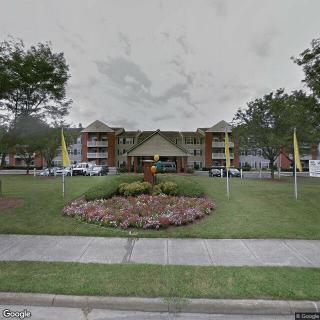
  • pro The grounds are very good and well-kept.
  • pro It is topnotch.
  • pro Everybody is so friendly and very helpful.
  • pro The place is very clean.
  • pro The residents are all happy.

Cons

  • pro The facility smelled like urine all the time.
  • pro The food wasn't good.
  • pro The staff wasn't the same caliber as at the facility she is currently at.
  • pro The facility could go months without a director or a secretary.
  • pro Bingo was only once a week, and the gym was never open during the stay.
  • pro The bathrooms were so tiny, like closets, that a wheelchair couldn't fit.
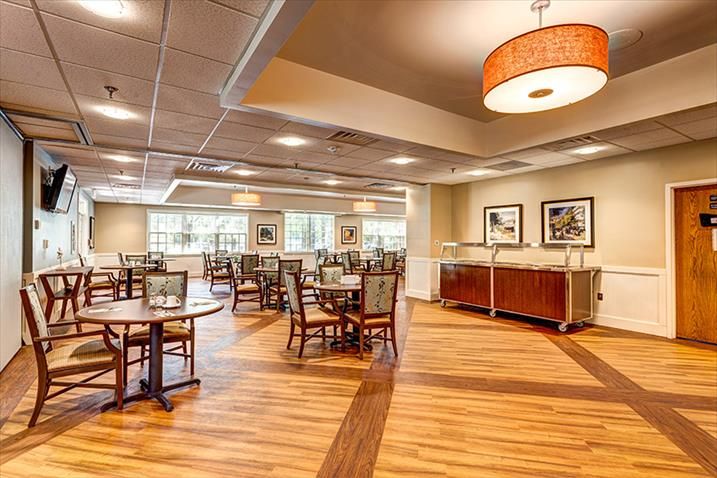
  • pro There was only one cafeteria where everyone sat at once.
  • pro One should never send a loved one here.

Review

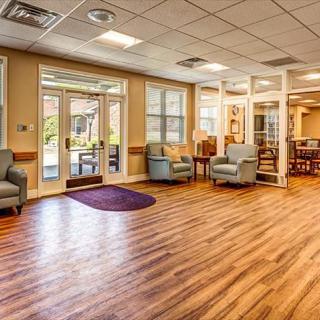
Sentara Village at Norfolk is best suited for families seeking an all-in-one campus where assisted living sits alongside rehab and a nursing home option, preserving continuity of care without forcing transitions. This community tends to appeal to households that value a clean, home-like atmosphere, courteous staff, and dependable meals, along with a walkable campus and the comfort of knowing future care stages are nearby. It is especially compatible for couples or families who want loved ones to stay connected across care levels, with the option to move between assisted living and longer-term care along a short, familiar path. Those who prioritize a consistently smooth day-to-day operation, a wide variety of daily activities, and robust on-site amenities beyond an occasional gym likely will want to consider alternatives.

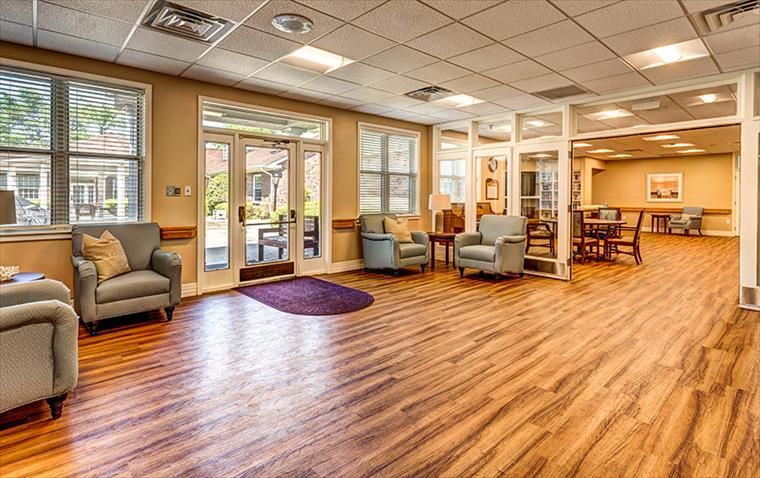
The strongest positives consistently cited are the staff's professionalism and warmth, the quality of the meals, and the overall upkeep of the grounds. Several residents describe the environment as bright, well-kept, and welcoming, with friendly neighbors and attentive aides. Rooms are frequently praised for being spacious and home-like, reinforcing a sense of independence within a supportive setting. The proximity to the adjacent nursing and rehabilitation buildings is a practical plus, enabling families to keep a loved one within a familiar ecosystem while still accessing higher levels of care when needed. The abundance of common areas - libraries and sitting rooms - contributes to a feeling of community and belonging, counterbalancing the sense of institutional formality that some families worry about.

Yet the experience is not uniformly positive, and several reviewers flag meaningful drawbacks. A persistent concern is odor and cleanliness in certain moments, suggesting that maintenance and environmental control can fluctuate. Perceptions of the food aren't uniformly glowing, with some accounts describing meals as excellent and others noting room for improvement; this inconsistency matters because dining quality is a daily touchpoint for residents and families. Staffing stability also surfaces as a risk: reports of long gaps without a director or administrative gaps can undermine consistent communication and quick problem resolution. Activity levels can feel sparse for some, with bingo or other programming appearing infrequent, and the gym sometimes described as underused or inaccessible. Tiny bathrooms and a single, shared dining space can amplify practical frustrations for residents who require mobility aids or more individualized dining options.

These contrasts matter in how the pros offset the cons. When a campus delivers genuine warmth from staff, consistently clean spaces, generous rooms, and a true home vibe, the allure of adjacent care options and routine is powerful. For families prioritizing continuity of care, the ability to walk a loved one between assisted living and rehab without a long commute or new introductions can reduce stress and disruption. In such cases, the positives - home-like rooms, reliable meals, and strong interpersonal connections - can meaningfully outweigh occasional management gaps or limited program schedules. The facility's layout also helps families stay involved and reassured, a nontrivial factor when weighing long-term plans.

Prospective movers should vet several practical points before committing. Inquire about the current leadership structure and how stable it is day-to-day, especially given past gaps; observe whether the gym is actually open and whether a more robust activity calendar exists beyond weekly bingo. Inspect bathrooms and doorway access to confirm wheelchair compatibility and ease of maneuvering. Confirm dining arrangements: is there more than one dining venue or more flexible meal options? Ask about the status of odor and odor-control practices in common areas and resident rooms. Finally, seek candid feedback from current residents and families about what changed recently and what to expect in the near term, particularly regarding maintenance responsiveness and staff continuity.

Taken together, Sentara Village at Norfolk presents a pragmatic blend of comfort, community, and integrated care that works best for families prioritizing continuity, cleanliness, and a welcoming, homey environment. It is not the right choice for those who demand a consistently high-energy activity program, unwavering daily operations, or ultra-modern on-site amenities that rival standalone senior living campuses. For the right situation, this community can feel like a well-supported second home, with the convenience of adjacent care services and plenty of personal touches that make aging in place feel natural and secure.

Features

Housing

  • 96 resident community capacity 96 resident community capacity

Types of Care

  • Assisted Living Assisted LivingAssisted living facilities provide crucial support and care for seniors who may need help with daily tasks such as medication management, bathing, and meal preparation. These communities offer a safe and comfortable environment where seniors can maintain their independence while receiving the assistance they need to thrive in their golden years.

Amenities

  • Air-conditioning Air-conditioningAir conditioning is important for seniors as they are more vulnerable to heat-related illnesses and may have underlying health conditions that make it difficult for them to regulate their body temperature. It helps to keep them comfortable, safe, and healthy in hot weather.
  • Beauty salon Beauty salonBeauty salons are important for seniors because they provide a space for them to feel pampered, socialize, and maintain their personal grooming and hygiene. Regular visits to a beauty salon can help boost seniors' self-esteem and overall well-being.
  • Cable or satellite TV Cable or satellite TVCable or satellite TV is important for seniors because it provides entertainment, news, and companionship, helping to combat loneliness and boredom. It also offers a wide range of programming options tailored to different interests and preferences.
  • Computer center Computer centerA computer center is essential for seniors as it provides access to technology, communication tools, and resources that can enhance their daily lives. It allows them to stay connected with loved ones, engage in online activities, and learn new skills, ultimately promoting socialization and mental stimulation.
  • Dining room Dining roomDining rooms are important for seniors as they provide a space for socialization, connection, and nutritious meals. They offer opportunities for residents to bond over shared meals, foster a sense of community, and promote healthy eating habits. Dining rooms also ensure that seniors have access to well-balanced meals tailored to their dietary needs and preferences.
  • Fitness room Fitness roomHaving a fitness room in a senior living community is essential for seniors to stay active, maintain their physical health, and improve their overall well-being. Regular exercise can help prevent falls, reduce the risk of chronic diseases, and promote mental sharpness. It also provides social opportunities for residents to connect with others and enjoy a sense of community.
  • Fully furnished Fully furnishedFully furnished senior living communities are important for seniors because they provide convenience, comfort, and a hassle-free moving experience. Seniors can easily settle into their new living space without the stress of having to buy and move furniture. This allows them to focus on enjoying their new home and community.
  • Gaming room Gaming roomGaming rooms are important for seniors as they provide a fun and engaging environment for socializing, cognitive stimulation, and physical activity. Games can improve memory, problem-solving skills, and overall mental well-being while fostering friendships and reducing feelings of isolation.
  • Garden GardenGardens are important for seniors as they provide a peaceful and therapeutic environment for relaxation, physical activity, and socialization. Being in nature has been shown to reduce stress, improve mood, and promote overall well-being. Gardens also offer opportunities for seniors to engage in gardening activities, which can improve mobility, flexibility, and cognitive function. Additionally, gardens create a sense of community and connection with others who share a passion for plants and outdoor spaces.
  • Housekeeping services Housekeeping servicesHousekeeping services are important for seniors because they help maintain a clean and safe living environment, promote independence, and reduce the risk of accidents or illnesses. Additionally, having assistance with household chores can alleviate physical strain and allow seniors to focus on other aspects of their well-being.
  • Kitchenette KitchenetteKitchenettes are important for seniors living in senior living communities because they provide the convenience and independence of being able to prepare simple meals and snacks in the comfort of their own living space. This can help promote a sense of autonomy and well-being for seniors, allowing them to maintain some level of control over their dietary choices and daily routines.
  • Move-in coordination Move-in coordinationMove-in coordination is important for seniors because it helps ease the transition into their new living environment. It ensures that all logistics, such as packing, organizing movers, and setting up utilities are taken care of, allowing seniors to focus on settling in and adjusting to their new home. Having a smooth move-in process can alleviate stress and anxiety, making the transition smoother and more enjoyable for seniors.
  • Outdoor space Outdoor spaceOutdoor spaces are important for seniors as they provide opportunities for physical activity, social interaction, exposure to natural light and fresh air, and a sense of connection to nature. Having access to outdoor spaces can improve overall well-being and quality of life for older adults living in senior communities.
  • Private bathrooms Private bathroomsPrivate bathrooms are important for seniors in senior living communities because they provide independence, dignity, and comfort. Having a private bathroom allows seniors to maintain their personal hygiene routines without the need for assistance, promoting a sense of autonomy and privacy. Additionally, private bathrooms help prevent the spread of infections and provide a safe and clean environment for seniors to navigate safely.
  • Restaurant-style dining Restaurant-style diningRestaurant-style dining is important for seniors because it allows them to enjoy delicious, nutritious meals in a social and upscale setting. This enhances their dining experience, promotes healthy eating habits, and fosters socialization with fellow residents, ultimately contributing to their overall well-being and quality of life.
  • Small library Small librarySmall libraries are important for seniors as they provide access to a variety of reading materials, including books, newspapers, and magazines. This can help stimulate their minds, keep them engaged, and provide a sense of community through book clubs and other social activities. Additionally, reading has been shown to improve cognitive function and overall mental well-being in older adults.
  • Telephone TelephoneTelephones are important for seniors as they provide a lifeline for communication with loved ones, emergency services, and healthcare providers. They offer a sense of security and independence, enabling seniors to stay connected and access assistance when needed.
  • Wellness center Wellness centerWellness centers are important for seniors because they offer a variety of programs and services that promote physical, mental, and emotional well-being. These centers provide opportunities for exercise, socialization, education, and relaxation, helping seniors maintain their overall health and quality of life.
  • Wi-Fi/high-speed internet available Wi-Fi/high-speed internet availableWi-Fi/high-speed internet is important for seniors to stay connected with loved ones, access online resources, and participate in virtual activities to combat feelings of loneliness and isolation. It also allows them to easily manage healthcare needs, access entertainment, and engage in lifelong learning opportunities.

Transportation

  • Norfolk International (4 miles away) Norfolk International (4 miles away)
  • Community operated transportation Community operated transportationCommunity operated transportation is crucial for seniors as it provides them with the means to access essential services, social activities, and medical appointments. It allows seniors to maintain their independence and quality of life by ensuring they can participate in activities outside of their homes. Additionally, community-operated transportation services offer a safe and reliable way for seniors to travel without having to rely on family or friends for assistance.
  • Transportation arrangement Transportation arrangementTransportation arrangements are crucial for seniors as they may face challenges with driving, mobility, or access to public transportation. Having reliable transportation services ensures that seniors can easily attend appointments, social activities, and maintain their independence and quality of life.
  • Transportation arrangement (non-medical) Transportation arrangement (non-medical)Transportation arrangements are essential for seniors as they provide access to essential services, activities, and social interactions outside the home. This service helps maintain independence, mobility, and overall well-being for seniors who may have limited transportation options.
  • Transportation to doctors appointments Transportation to doctors appointmentsTransportation to doctors appointments is crucial for seniors as it ensures they have access to necessary medical care and support, promoting their health and well-being. It allows them to receive timely treatment, monitor existing conditions, and address any new health concerns efficiently. Additionally, transportation services can help seniors maintain their independence and quality of life by enabling them to stay connected with their healthcare providers.

Care Services

  • 12-16 hour nursing 12-16 hour nursing12-16 hour nursing care is crucial for seniors in order to ensure around-the-clock monitoring, timely medication administration, and prompt response to any health concerns or emergencies. This level of care helps to promote the overall well-being and safety of seniors living in senior living communities.
  • 24-hour call system 24-hour call system24-hour call systems are important for seniors because they provide peace of mind and immediate assistance in case of emergencies. This technology ensures that help is always available, promoting safety and security for elderly individuals living alone or in assisted living facilities.
  • 24-hour supervision 24-hour supervision24-hour supervision is important for seniors to ensure their safety, well-being, and access to immediate assistance in case of emergencies or health issues. This constant support provides peace of mind for both seniors and their loved ones, allowing them to age in place with dignity and security.
  • Activities of daily living assistance Activities of daily living assistanceActivities of daily living assistance are important for seniors because they provide essential support with tasks such as eating, bathing, dressing, and mobility. This assistance helps seniors maintain their independence, dignity, and overall quality of life as they age.
  • Assistance with bathing Assistance with bathingAssistance with bathing is crucial for seniors as it helps maintain personal hygiene, prevents infections, and ensures their overall well-being and comfort. It also provides a sense of dignity and independence for seniors who may struggle with this task on their own.
  • Assistance with dressing Assistance with dressingAssistance with dressing is important for seniors because it helps maintain their independence, promotes personal hygiene, prevents accidents and injuries, and improves overall quality of life. This service ensures that seniors can continue to dress comfortably and confidently, despite any physical limitations they may have.
  • Assistance with transfers Assistance with transfersAssistance with transfers is crucial for seniors as it helps prevent falls and injuries, maintains their independence, and ensures they can safely navigate their living environment. It also provides peace of mind for both seniors and their loved ones.
  • Diabetes diet Diabetes dietA diabetes diet is crucial for seniors as it helps manage blood sugar levels, reduce risks of complications, and improve overall health and well-being. By following a balanced and nutritious diet tailored to their specific needs, seniors can better control their diabetes and enhance their quality of life.
  • Meal preparation and service Meal preparation and serviceMeal preparation and service are crucial for seniors as they may have limited mobility or energy to cook nutritious meals. Having access to healthy and convenient food options can ensure they are getting the proper nutrition needed to maintain their overall health and well-being.
  • Medication management Medication managementMedication management is crucial for seniors to ensure they are taking the right medications at the correct dosages and times. This helps prevent adverse drug interactions, reduces the risk of medication errors, and promotes overall health and well-being. Proactive management also allows for adjustments as needed based on changing health conditions or new prescriptions.
  • Mental wellness program Mental wellness programMental wellness programs are essential for seniors as they promote cognitive stimulation, emotional support, and social engagement. These programs help prevent isolation, depression, and cognitive decline, ultimately enhancing the overall quality of life for older adults.
  • Special dietary restrictions Special dietary restrictionsSpecial dietary restrictions are important for seniors because age-related changes in metabolism and health conditions can make it difficult for their bodies to process certain foods. By following a diet tailored to their specific needs, seniors can maintain their overall health and well-being, manage chronic conditions, and reduce the risk of complications such as malnutrition or food interactions with medications.

Dining

  • Diabetes diet Diabetes dietA diabetes diet is crucial for seniors as it helps manage blood sugar levels, reduce risks of complications, and improve overall health and well-being. By following a balanced and nutritious diet tailored to their specific needs, seniors can better control their diabetes and enhance their quality of life.
  • Special dietary restrictions Special dietary restrictionsSpecial dietary restrictions are important for seniors because age-related changes in metabolism and health conditions can make it difficult for their bodies to process certain foods. By following a diet tailored to their specific needs, seniors can maintain their overall health and well-being, manage chronic conditions, and reduce the risk of complications such as malnutrition or food interactions with medications.

Activities

  • Community-sponsored activities Community-sponsored activitiesCommunity-sponsored activities are important for seniors as they provide opportunities for social interaction, mental stimulation, and physical activity. These activities can help improve overall well-being, combat loneliness and isolation, and promote a sense of belonging and purpose among older adults.
  • Concierge services Concierge servicesConcierge services are essential for seniors as they provide assistance with daily tasks and errands, enhance their quality of life by offering convenience and personalized care, and promote a sense of safety and security.
  • Fitness programs Fitness programsFitness programs are crucial for seniors as they help improve strength, flexibility, balance, and overall well-being. Staying active can reduce the risk of chronic diseases, improve mental health, and enhance quality of life in older adults.
  • Planned day trips Planned day tripsPlanned day trips are important for seniors because they offer opportunities for socialization, mental stimulation, and physical activity. They provide a change of scenery and help seniors stay engaged and connected to their community, promoting overall well-being and quality of life.
  • Resident-run activities Resident-run activitiesResident-run activities are important for seniors as they encourage social interaction, creativity, and a sense of autonomy. These activities empower seniors to stay engaged and active in their community while fostering meaningful connections with their peers.
  • Scheduled daily activities Scheduled daily activitiesScheduled daily activities are important for seniors because they provide structure, socialization, mental stimulation, and physical activity. Engaging in regular activities can improve overall well-being and quality of life for seniors living in a community setting.

Description

Sentara Village At Norfolk, located in Norfolk, VA, is a premier assisted living community that offers a wide range of amenities and care services to ensure the comfort and well-being of its residents.

The community features a beauty salon where residents can enjoy professional salon services without leaving the premises. Residents also have access to cable or satellite TV for their entertainment needs. Community-operated transportation is available for easy access to nearby destinations.

For residents who want to stay connected and engaged with technology, there is a computer center with Wi-Fi/high-speed internet. A fully furnished environment allows residents to move in seamlessly and feel at home right away.

Sentara Village At Norfolk provides various recreational options for its residents. The fitness room is equipped with exercise equipment to promote an active lifestyle. There is also a gaming room where residents can enjoy playing games with their peers.

Outdoor space and a garden are available for those who want to spend time outdoors and enjoy nature. For quiet relaxation, there is a small library where residents can read or engage in personal interests.

Dining at Sentara Village At Norfolk is top-notch, offering restaurant-style dining experiences. Special dietary restrictions are accommodated to ensure that every resident's nutritional needs are met.

Care services provided include 24-hour call system and supervision to ensure the safety and security of all residents. Assistance with activities of daily living such as bathing, dressing, and transfers is readily available. Medication management ensures that all medications are taken correctly and on time.

The community offers transportation arrangements for non-medical needs as well as scheduled transportation to doctors' appointments. Move-in coordination services assist new residents in settling into their new homes smoothly.

To promote mental wellness, Sentara Village At Norfolk has a mental wellness program in place that focuses on the emotional health of the residents.

Concierge services are available to cater to individual needs and preferences. Fitness programs help maintain physical health while planned day trips provide opportunities for exploration and socialization. Resident-run activities and scheduled daily activities ensure a vibrant lifestyle within the community.

Sentara Village At Norfolk is conveniently located with several cafes, parks, pharmacies, restaurants, and physicians nearby. Multiple transportation options make it easy for residents to access these amenities and services.

With its comprehensive amenities, care services, and convenient location, Sentara Village At Norfolk is an ideal assisted living community for seniors seeking a comfortable and fulfilling lifestyle.

Nearby Places of Interest

Pharmacies

  • Rite Aid (0.5 miles)
  • Grifols (1.2 miles)
  • CVS Pharmacy (1.2 miles)
  • Walgreens (1.8 miles)
  • Walgreens (2 miles)
  • Irwin's Pharmacy (2.1 miles)
  • Walgreens (2.7 miles)

Physicians

  • Sentara Comprehensive Weight Loss Solutions (0.8 miles)
  • Austin Warren Md Norfolk (1 miles)
  • Pariser Dermatology Specialists (1 miles)
  • Virginia Eye Consultants (1.1 miles)
  • Virginia Ophthalmology Associates (1.1 miles)
  • Gastroenterology Associates of Tidewater (1.2 miles)
  • Patient First (1.2 miles)

Transportation

  • The Tide-Newtown Road Station (1.1 miles)
  • American Airlines Ticket Counter (4.3 miles)
  • Norfolk International Airport (ORF) (4.3 miles)
  • Norfolk Airport USO (4.4 miles)
  • The Tide MacArthur Square Station (5.3 miles)

Restaurants

  • Olive Garden (1.4 miles)
  • Hardee's (1.8 miles)
  • Hooters (1.9 miles)
  • McDonald's (2.1 miles)
  • Park Lane Tavern (2.7 miles)
  • Sonic Drive-In (2.7 miles)
  • Chick-Fil-A (2.8 miles)

Cafes

  • Panera Bread (1.8 miles)
  • Starbucks (2.1 miles)
  • Starbucks (3.1 miles)
  • Starbucks (3.2 miles)
  • Starbucks (3.4 miles)
  • Panera Bread (4.6 miles)
  • Metro Diner (4.8 miles)

Theaters

  • Regal Entertainment Group (3.6 miles)

Parks

  • Mount Trashmore Park (3.8 miles)
  • Kings Grant Park (5.3 miles)

Hospitals

  • Chkd (5.5 miles)

Frequently Asked Questions

Where is Sentara Village At Norfolk?
What photos are available for Sentara Village At Norfolk in Norfolk, Virginia?

Nearby Communities

  • Waterside Health & Rehab Center

    Waterside Health & Rehab Center

    Norfolk, VA


    pro Wide range of on-site amenities and 24/7 care

  • ResCare

    ResCare

    Norfolk, VA


    pro Excellent proximity to cafes, parks, dining, healthcare, and transportation.

  • Commonwealth Senior Living at Leigh Hall

    Commonwealth Senior Living at Leigh Hall

    Norfolk, VA

    4.4 from 169 reviews
    $3,450 to $5,040 / month

    pro Warm staff, welcoming atmosphere, and well-maintained facilities with engaging activities.

  • Marian Manor

    Marian Manor

    Virginia Beach, VA

    4.6 from 57 reviews
    $3,200 to $5,400 / month

    pro Caring, attentive staff in a clean, appealing setting.

  • Home Helpers

    Home Helpers

    Virginia Beach, VA


    pro Personalized care and companionship with easy access to nearby amenities

  • Hand 'n Heart Home Health Care

    Hand 'n Heart Home Health Care

    Virginia Beach, VA

    3 from 93 reviews
     

    pro Responsive, compassionate care with quick start and affordable pricing.

  • Jamestown Commons

    Jamestown Commons

    Virginia Beach, VA

    3.7 from 96 reviews
    $620 to $890 / month

    pro Friendly, helpful staff and an active social community with organized activities.

  • Kempsville Health & Rehab Center

    Kempsville Health & Rehab Center

    Virginia Beach, VA

    4 from 102 reviews
     

    pro Clean facility with friendly staff and well-equipped rehab spaces

  • The Waterford at Virginia Beach

    The Waterford at Virginia Beach

    Virginia Beach, VA

    4.3 from 315 reviews
    $3,095 to $4,495 / month

    pro Caring staff, clean environment, and engaging amenities/activities.

Related Resources

  • activities of daily livingComprehensive Insights into Activities of Daily Living (ADLs) and Their Assessment

    Activities of Daily Living (ADLs) are fundamental tasks vital for an individual's independence, particularly in older adults over 85, and include functions like bathing and dressing; assessing ADLs alongside Instrumental Activities of Daily Living (IADLs) helps determine the level of required assistance due to age-related health challenges. Tailored support plans, involving family and community resources, are essential for maintaining dignity and autonomy in assisted living environments.

  • does medicare pay for assisted livingMedicare Coverage for Assisted Living: An In-Depth Exploration

    Medicare does not cover assisted living costs, as it focuses on acute medical needs and short-term care, with exceptions for certain medically necessary services like physical therapy. Individuals must explore other options such as Medicaid, veterans' benefits, or long-term care insurance to manage these expenses effectively.

  • assisted living vs nursing homeChoosing the Right Senior Care: A Detailed Exploration of Assisted Living and Nursing Homes

    Choosing between assisted living and nursing homes involves evaluating emotional and financial factors, with assisted living offering independence and support for daily activities at a lower cost, while nursing homes provide intensive medical care for individuals with significant health needs. The decision is influenced by personal preferences, health status, cognitive function, and varying Medicaid coverage across states.