
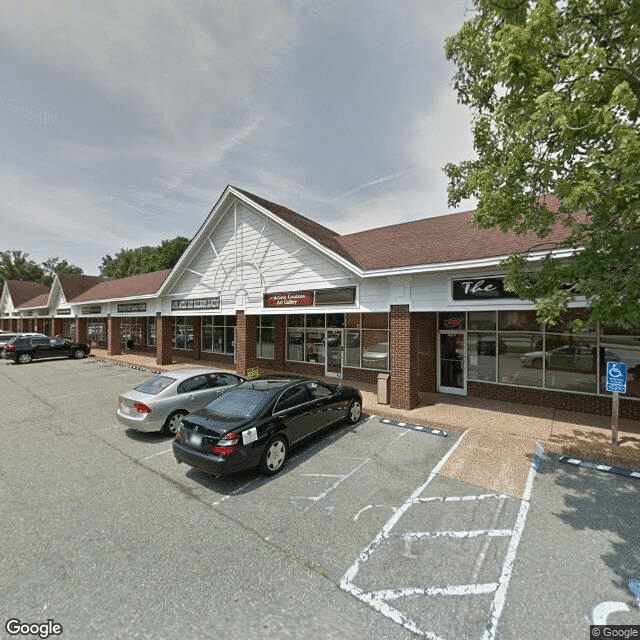
1405-H Kiln Creek Parkway, Newport News, VA 23602
To contact a resident: (757) 426-4038
For more information about senior living options: (866) 208-4318
Overall Review of Nurse Next Door Home Care Services-Hampton Roads
Pros
 Nurse Next Door did an excellent job caring for a father in hospice care.
- Phyllis has been a frequent caretaker for the mother and is caring, dependable, proactive, and pleasant.
- Phyllis has experience with dementia patients.
- Phyllis Wesley is compassionate and caring.
- Phyllis Wesley's compassion is evident in how she treats her father.
- All caretakers have been good, and Phyllis is especially appreciated.
- Phyllis provides attention and engagement that has improved the mother's overall health.
- The service is described as quality home care.
Cons
 The Newport News office has no Nurse Next Door services and is unresponsive.
- The Newport News office did not call at the scheduled time despite multiple attempts.
- The HQ and Newport News Nurse Next Door provided a poor response, leading the reviewer to question their legitimacy.
- The area is unprofessional and communication is very poor.
- They would not be recommended at all.
- One of the company’s drivers was described as crazy, tailgating in a 35 mph zone and weaving between lanes aggressively.
- That experience caused the reviewer to stop considering using the company.
Review
This community is best suited for families seeking in-home senior care in the Newport News area who prize deeply personal, dementia- and Parkinson’s-focused support delivered by capable, compassionate caregivers. When a trusted caregiver can anchor daily life, the positive impact is tangible: improved routines, better nutrition, calmer evenings, and greater peace of mind for relatives. The standout caregivers, demonstrating experience with dementia, proactive problem-solving, and steady, reassuring presence, often become the decisive factor in whether a senior’s home life feels orderly and humane. For households able to line up and maintain a steady caregiving relationship, this option can deliver meaningful, practical benefits.
At the same time, this provider carries a clear caveat for families that require consistently reliable office operations and easy, timely communication. Several reviews describe a Newport News office that is hard to reach, with reports suggesting the local operation may be closing and callbacks that fail to materialize. Such instability translates into real-world risk: missed schedules, unclear lines of escalation, and uncertainty about who is coordinating care. Add to that reports of unprofessional behavior in public spaces and a driver who exhibited unsafe driving, and the broader organizational picture becomes a legitimate concern for families counting on dependable support.
The strongest caregiving advantages can substantially offset these drawbacks for clients fortunate enough to align with a trusted caregiver. When Phyllis Wesley, or other highly skilled caregivers with dementia experience, takes charge, patients respond to routines, engagement, and attentive supervision in ways that improve mood and daily function. Families repeatedly note reduced stress and greater confidence in daily care. Yet the offset has its limits: without dependable scheduling, robust back-up coverage, and consistent, responsive communication, the positive caregiving dynamic risks being eroded by administrative gaps, turnover, or delays in addressing urgent needs.
In concrete terms, the real-world mix is two-sided. On the upside, caregivers who connect well with the senior deliver measurable welfare gains: better eating habits, improved activity levels, and a sense that someone is truly watching over the elder’s day-to-day well-being. On the downside, the organization’s communication lapses and occasional public-unprofessional impressions create anxiety about continuity and accountability. Families who prioritize a steady point of contact and a predictable schedule may find these inconsistencies unacceptable, even if they admire the caregiving that is provided when the right match is secured.
For families weighing options, a disciplined evaluation helps separate value from risk. Confirm the current status of the Newport News operation and whether a stable local office remains available, and request caregiver profiles that detail dementia or other specialty training. Insist on a clear, written care plan with defined backup coverage and escalation steps. Seek a defined trial period to test scheduling reliability and caregiver fit, and ask about policies for caregiver changes, sick days, and urgent responsiveness. Check references for both individual caregivers and the agency’s overall reliability and communication track record.
Bottom line: this agency can be a strong, genuinely caring option for dementia- and Parkinson’s-focused home care when a single, compatible caregiver is consistently available and communication is strong. The decisive factor, however, is reliability, continuity of caregivers and a stable, responsive office operation. If those elements feel uncertain, it is prudent to explore alternatives that offer steadier local management and clearer communication channels. For families that can secure a trusted caregiver and demand dependable coordination, the rewards, reliable daily routines, reduced stress, and sustained quality of life at home, can justify proceeding with confidence.
 Newport News Williamsburg International (2 miles away)





 Navigating Medicare Coverage for In-Home Care Services
 In-Home Care Costs in 2025: A Detailed State-by-State Exploration
 Understanding Home Health Care: A Comprehensive Guide