2100 Brandermill Parkway, Midlothian, VA 23112
For more information about senior living options: (866) 208-4318
Overall Review of Brandermill Woods
Pros
 The tour at Brandermill Woods was good, and the salesperson was knowledgeable.
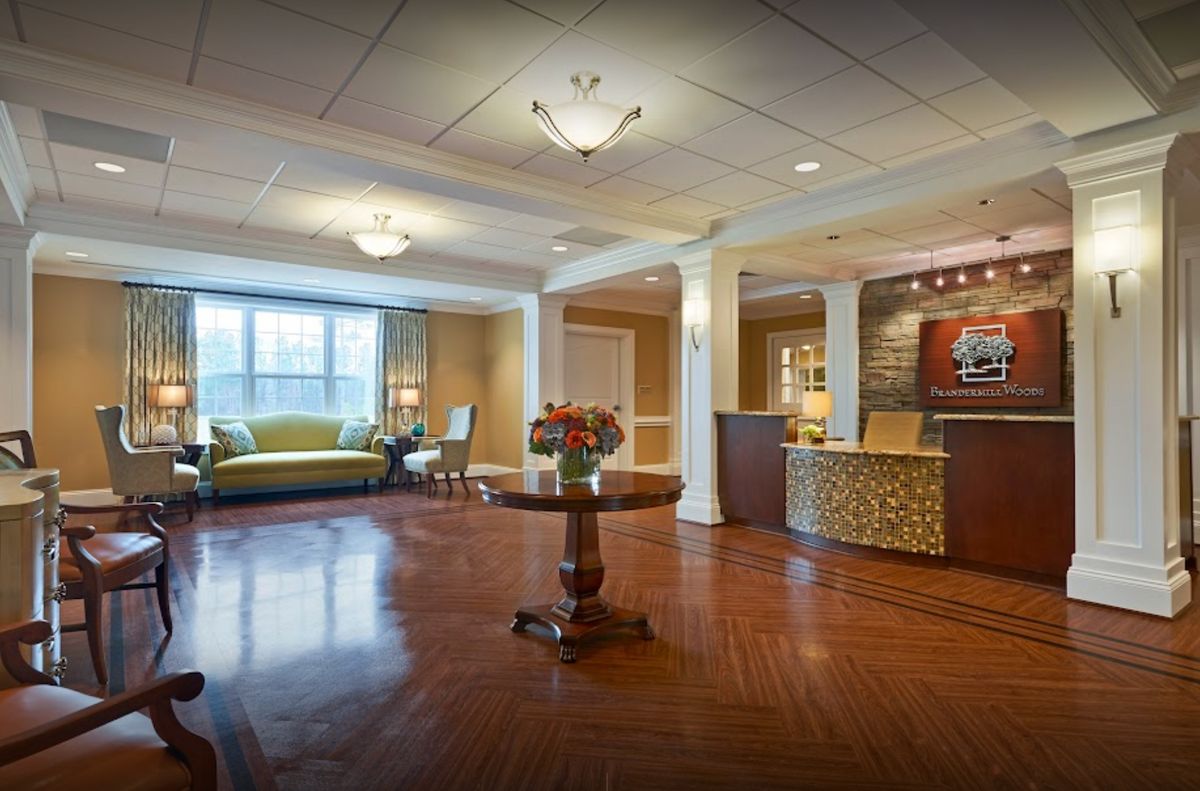
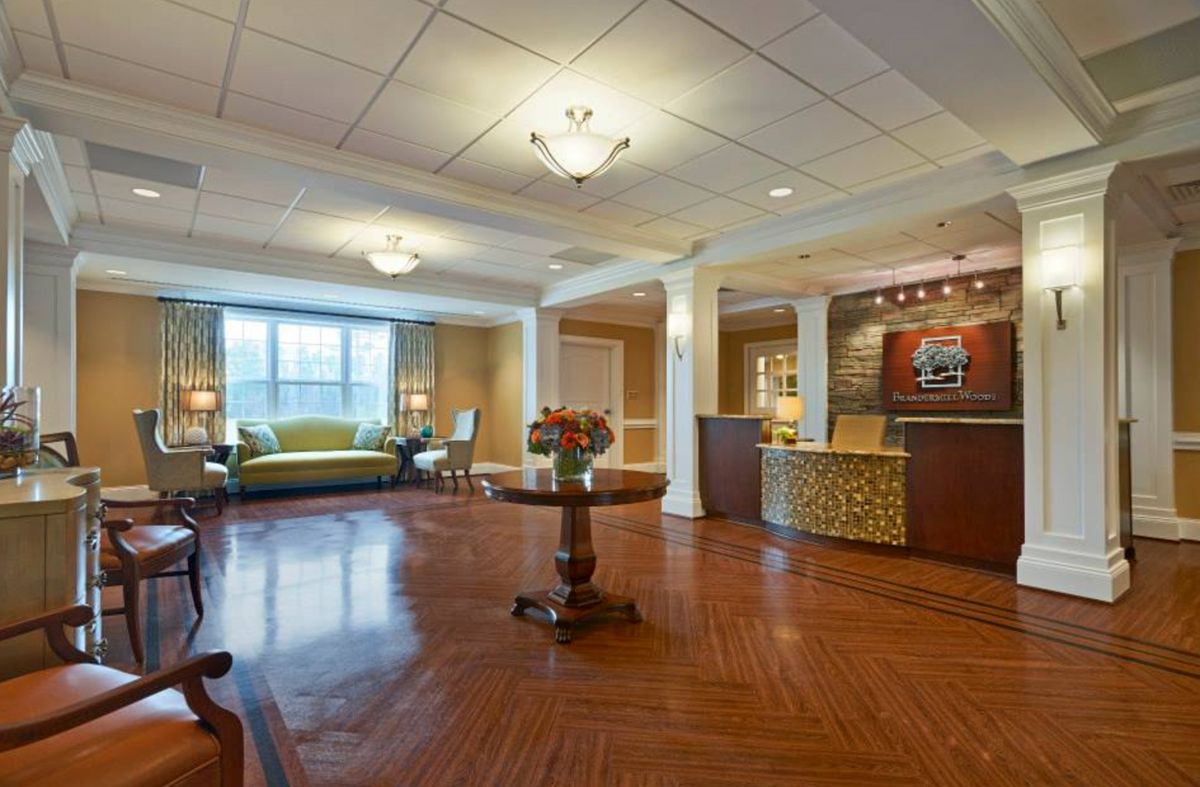
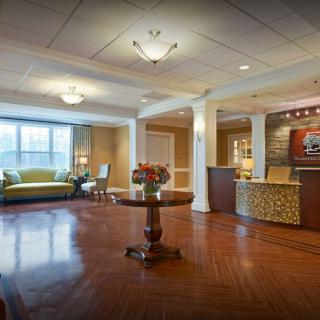
- The facility is clean, well-kept, and well-maintained.
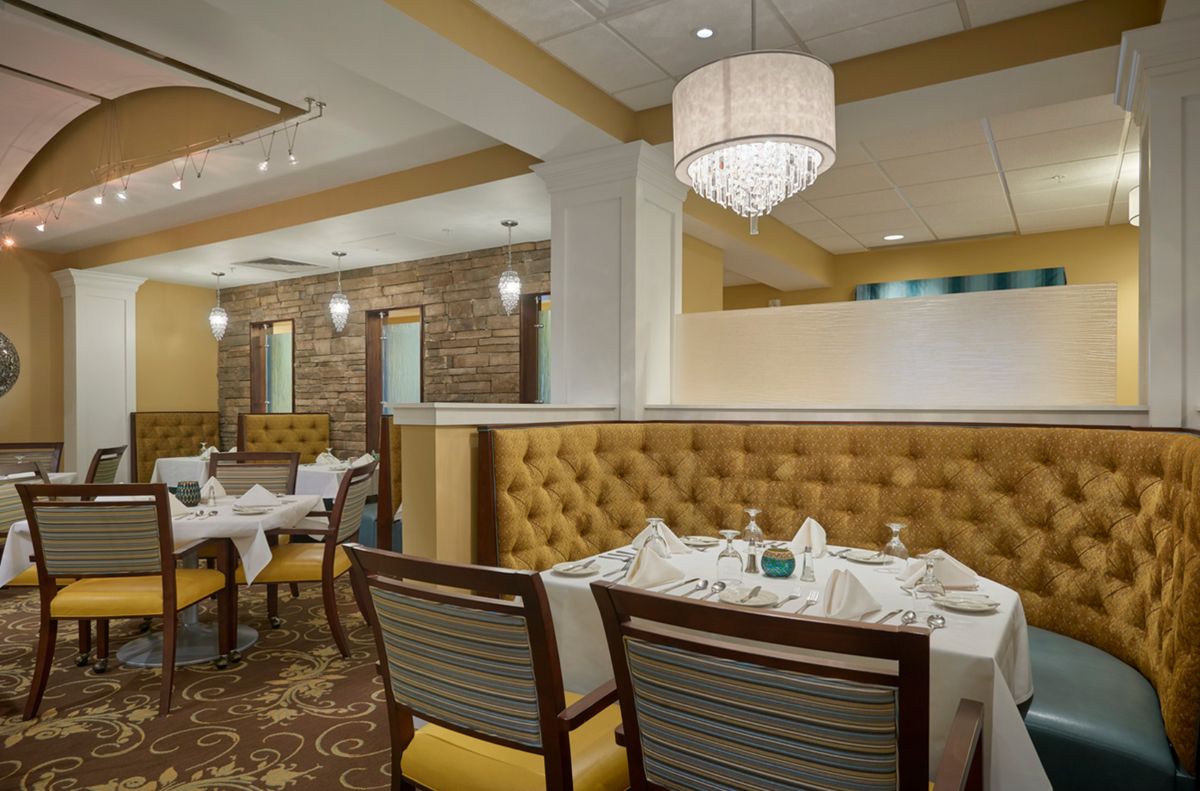
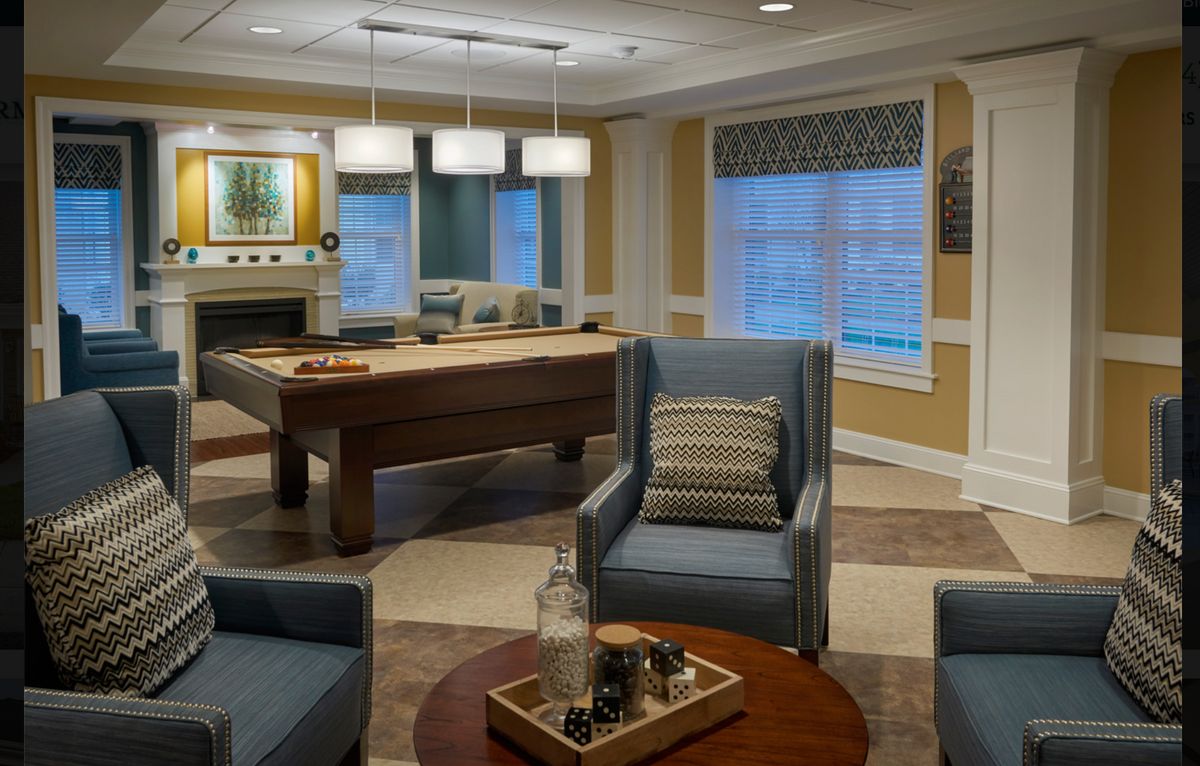
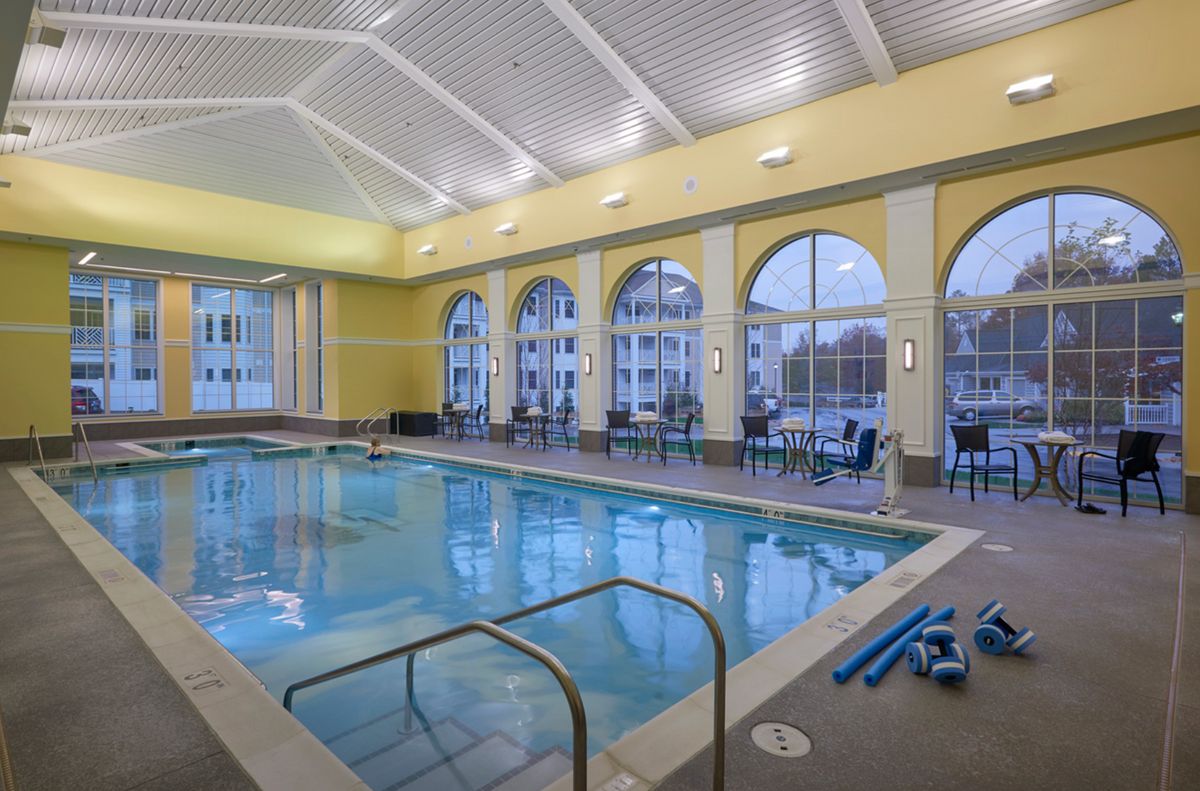
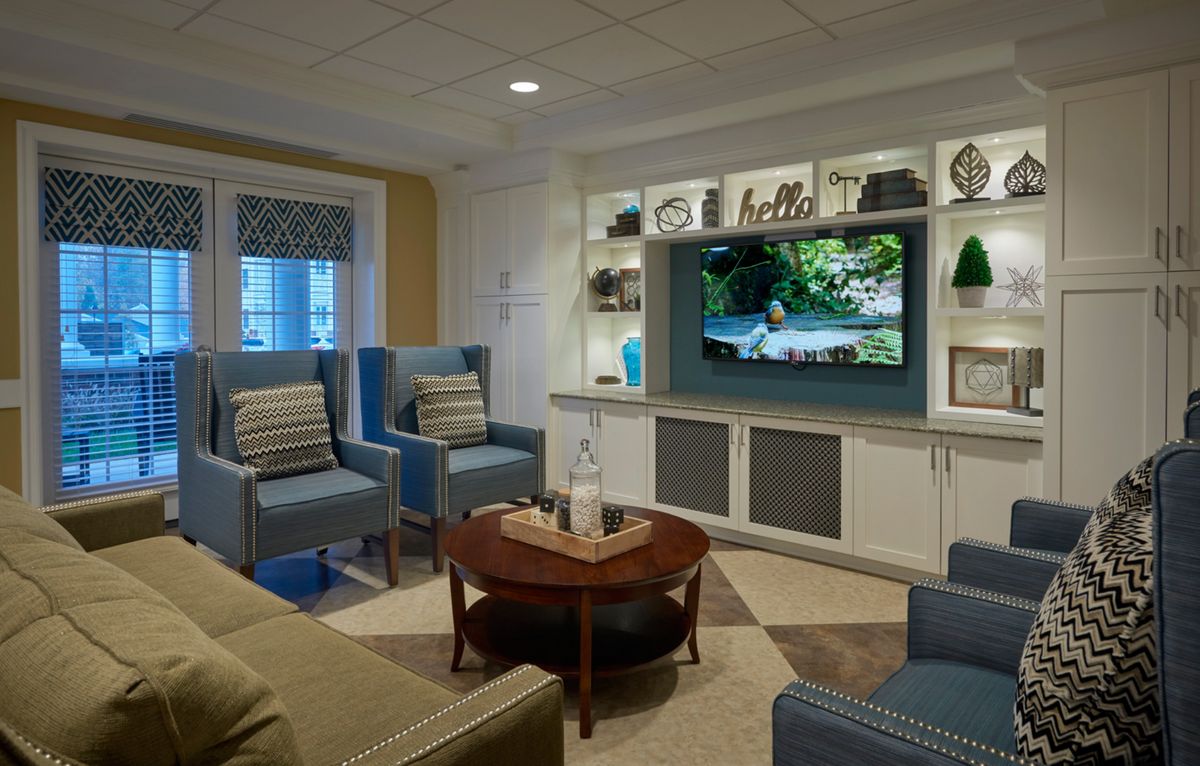
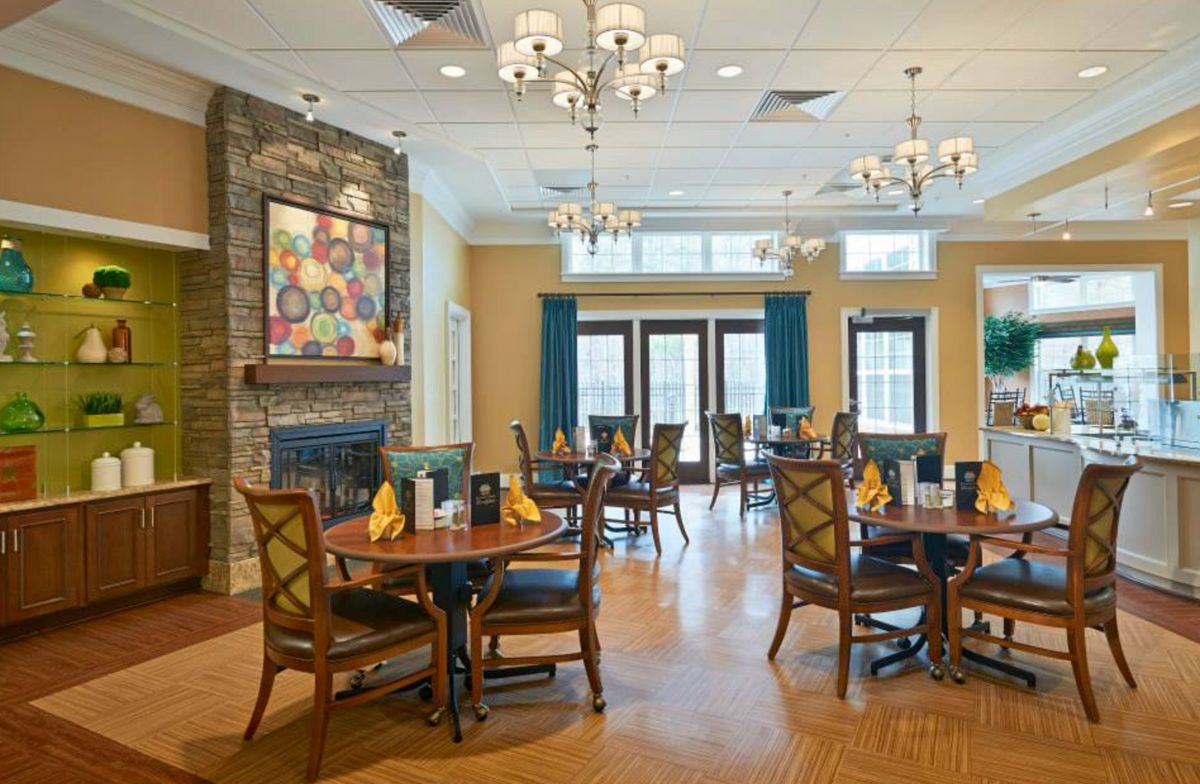
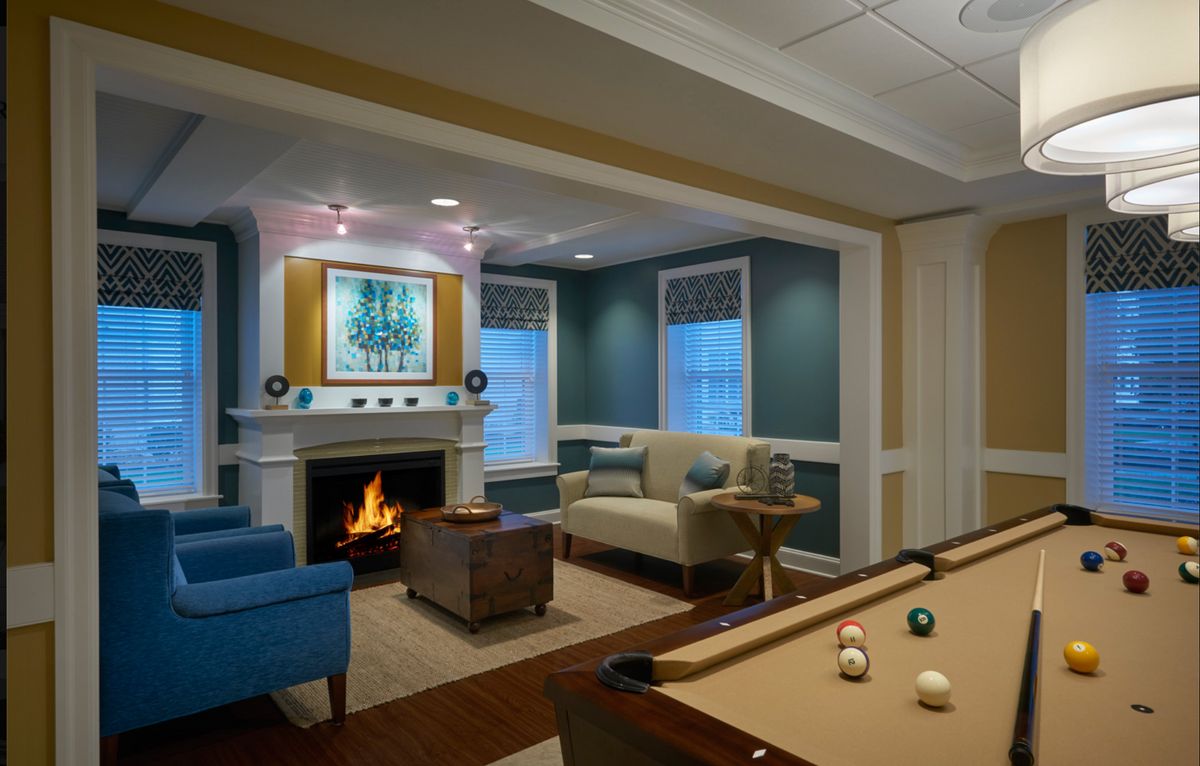
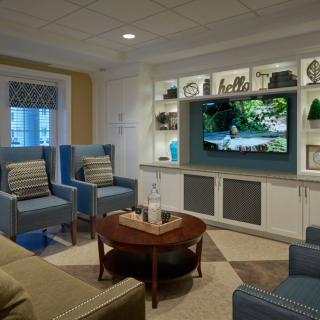
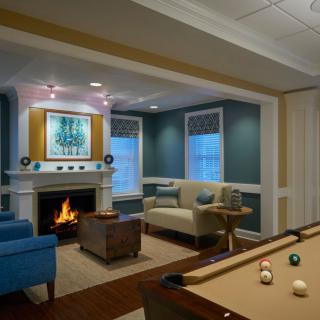
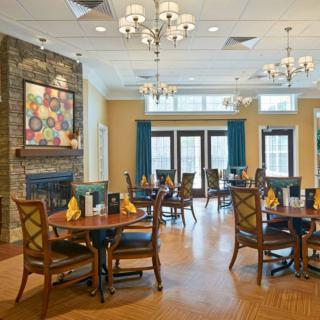
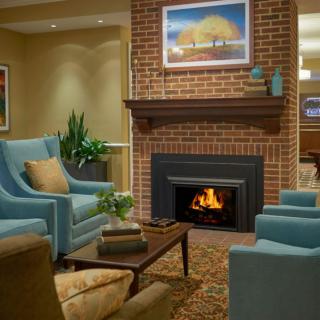
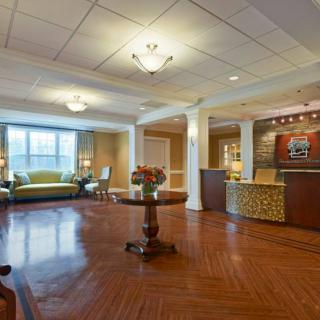
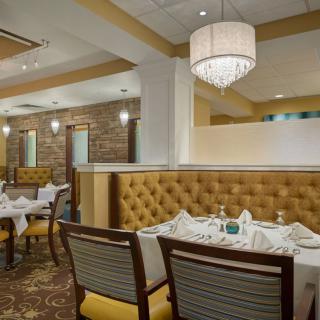
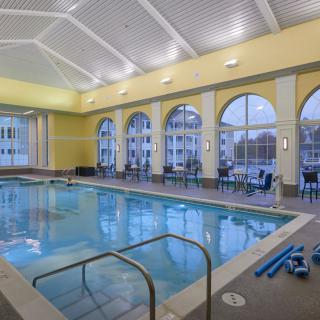
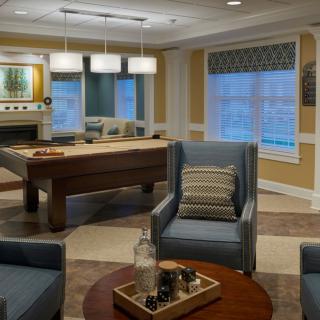
- The community offers ample amenities, including a bar, a pool, an exercise room, a media room, and two dining rooms.
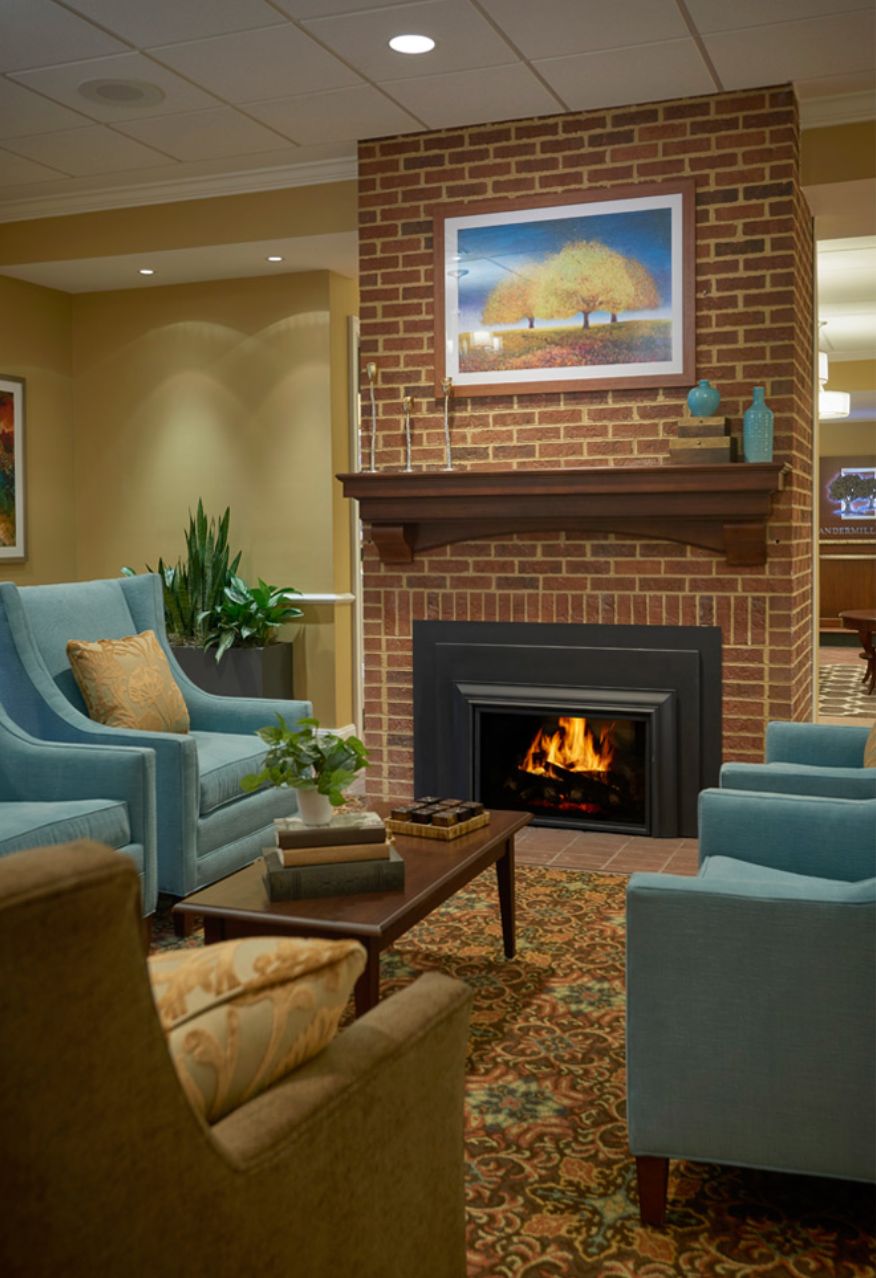
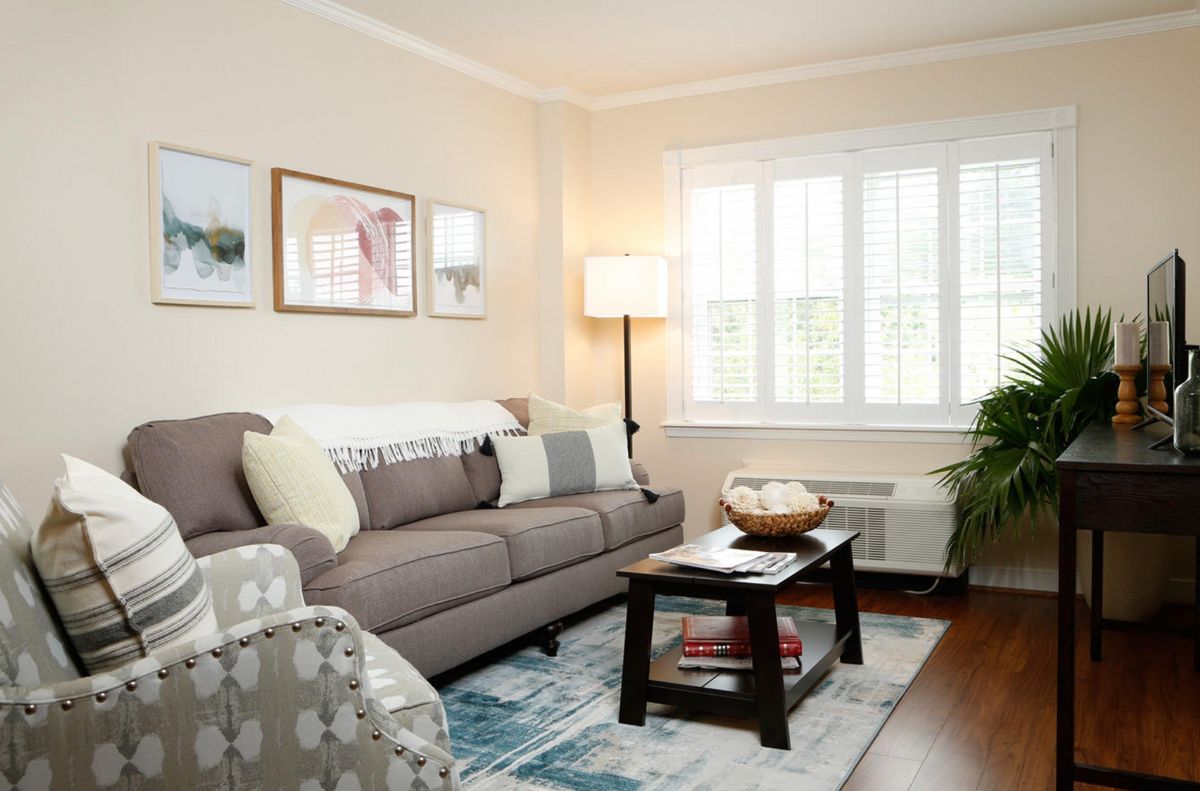
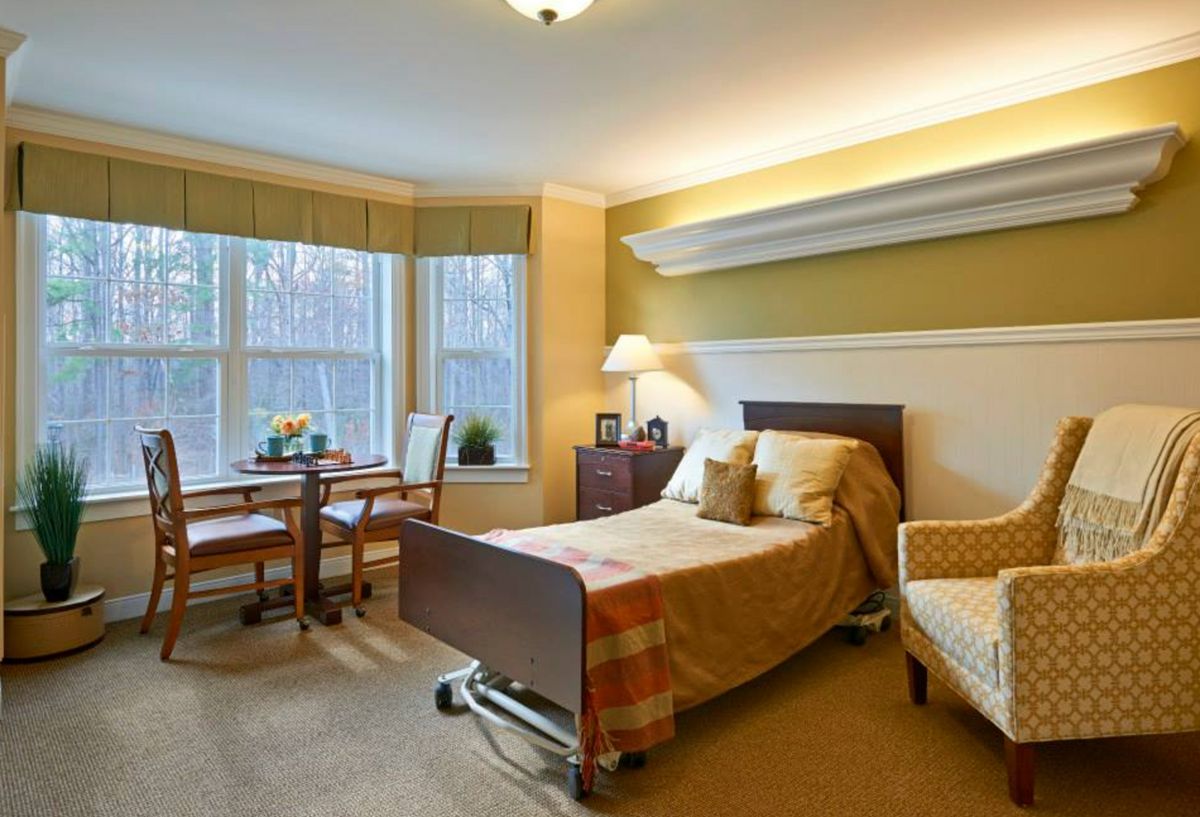
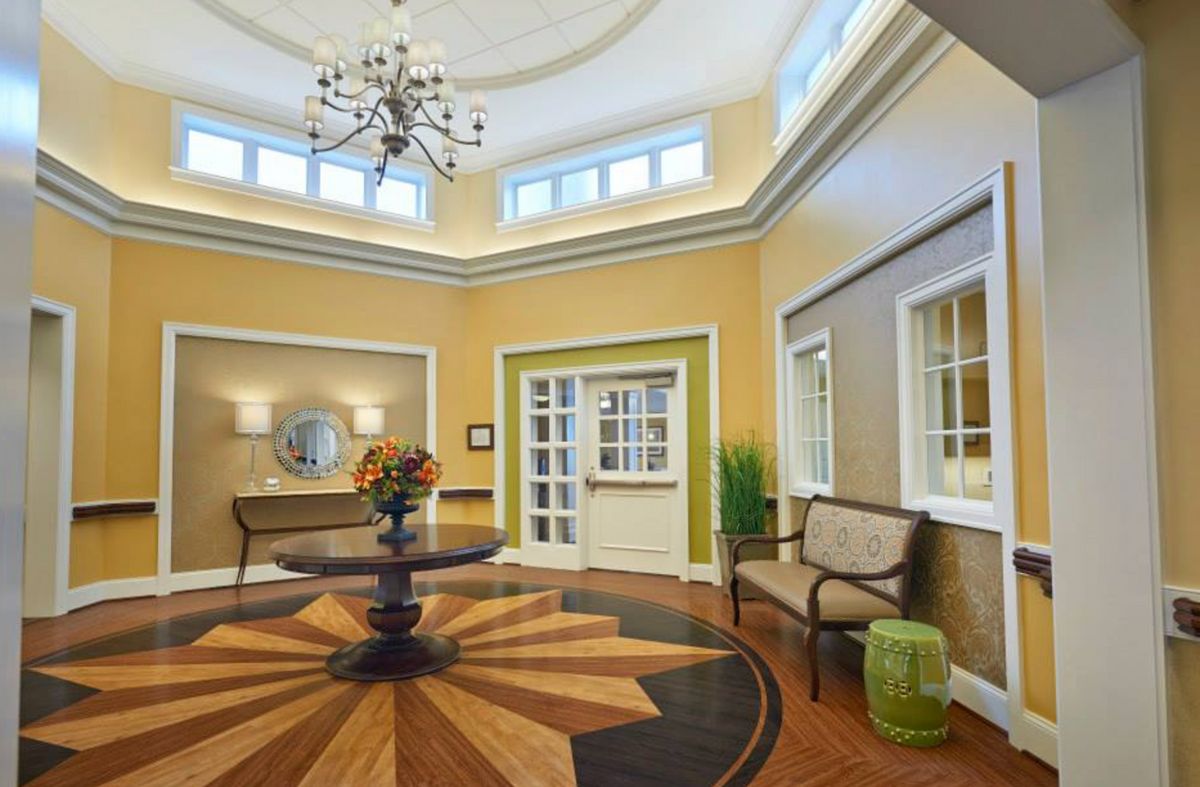
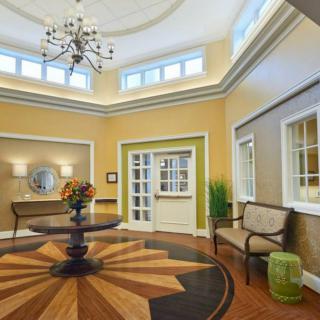
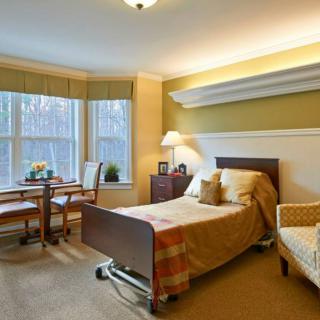
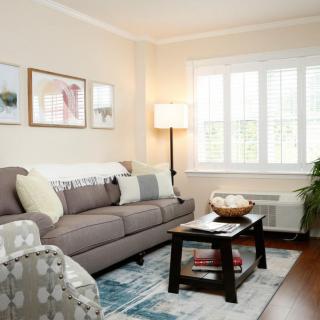
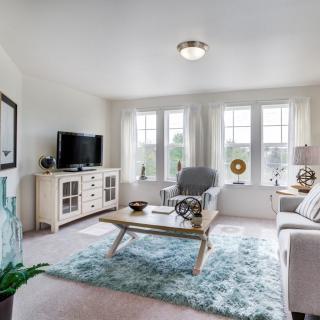
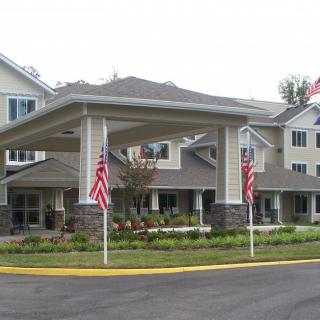
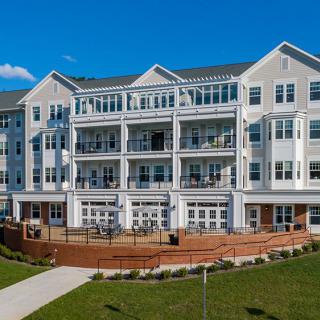
- The on-site cottages and apartments are beautifully maintained and feel bright with ample natural light.
- The staff are friendly, courteous, and top-notch.
- The memory care and assisted living areas include outdoor spaces and opportunities for interaction during events.
- The facility provides a range of engaging activities, such as exercise groups, shopping, and movies.
- The on-site safety device is easy to use and provides peace of mind.
- The community fosters socialization, with residents enjoying dinners out and clubs.
Cons
 The problem with Brandermill was its dining facility, which wasn’t open due to COVID and required residents to pick up meals.
- The wait to move in is a downside, at one to two years.
- In the memory care area, residents were described as bedridden and very ill.
- The memory care unit is not very large.
- The memory care layout is an L shape, which was noted as a downside.
Review
Brandermill Woods in Midlothian is best suited for families seeking a campus-style retirement option with a home-like cottage environment plus on-site assisted living and memory care, all on the same property. It appeals to seniors who want independent living in single-story patio homes or cottages while retaining straightforward transitions to care as needs evolve. The grounds are well-kept and scenic, and the campus includes a clubhouse, two dining venues, a bar, pool, gym, and media room that encourage social life without forcing residents into a single, enclosed wing. For families prioritizing proximity to relatives and a continuum of care that stays conveniently nearby, Brandermill Woods offers a practical, reassuring fit.
That said, there are clear reasons someone might want to consider alternatives. Dining service is a noticeable limitation for some: meals are currently being prepared and distributed rather than served in a sit-down dining room. For families who prize an open dining room experience as a daily social anchor, this can be a meaningful drawback. Memory care, while present on site, occupies a smaller footprint and is laid out in an L-shaped configuration, which can complicate wayfinding and limit the sense of a unified memory-care wing. Those prioritizing a single-building, expansive memory-care environment or a more seamless, all-in-one-feature experience may find other campuses better aligned with those expectations. Price structures and entrance-fee considerations also vary across communities, making direct comparisons essential.
The strongest positives of Brandermill Woods offset these concerns in meaningful ways. The property presents a high standard of maintenance: bright, sunny interiors, well-tended exteriors, and a general sense of freshness that reinforces residents’ comfort. The cottages provide genuine home-like living, with independent options that preserve autonomy while still tying residents to a broad social fabric. Staff across the campus are described as friendly, responsive, and capable, contributing to a hospitable environment and a favorable staff-to-resident ratio. The breadth of amenities, two dining rooms, a clubhouse, bar, pool, exercise room, and media space, supports a vibrant schedule of activities. The campus also benefits from a true continuum of care: independent living nearby, assisted living and memory care on the same site, and a nursing facility just across the street, which can simplify planning for longer-term needs and transitions.
Layout and design nuance matter here, and Brandermill Woods handles them with practical strengths and a few compromises. The hilltop setting uses an elevator to navigate between levels rather than stairs, which can ease mobility challenges and make daily movement smoother for residents with limited endurance. Outdoor areas for both memory care and assisted living invite outdoor activity and potential cross-pollination during events, a meaningful social bridge that often reduces isolation. The memory-care space itself, while modern and neat, remains relatively compact; this makes it easier to supervise but can limit large-group programming within memory care exclusively. The overall impression is one of deliberate efficiency rather than expansive, single-building immersion.
From a decision-making standpoint, the visitor experience should emphasize two things: the quality of daily life and the clarity of the care trajectory. Tours should probe not only floor plans and room sizes but also how activity teams coordinate between memory care and assisted living during typical days and special events. Investigate current dining logistics, whether residents can dine in a restaurant-style setting, the timing, and how meals are distributed, and quantify the impact on daily social rhythms. Confirm the exact costs, including any entrance-fee scenario, and compare them against peers offering similar continua of care. Also verify how transportation, accessibility, and emergency safety features integrate with the on-site safety devices that families appreciate for peace of mind.
In sum, Brandermill Woods delivers a capable, comforting package for families seeking a diverse continuum of care on a single campus without surrendering the sense of home. It is particularly well-suited for those who value well-maintained cottages, active programming, and the option to transition smoothly between independent living and care, all while staying connected to family nearby. It is less ideal for residents whose top priority is a large, open, sit-down dining culture or a memory-care environment of substantial scale and single-building cohesion. For these buyers, careful comparison with alternatives that emphasize dining experiences or broader memory-care footprints will be worthwhile. The next step is to visit, review floor plans, assess actual dining arrangements, and weigh long-term costs against the anticipated care trajectory to determine whether Brandermill Woods aligns with the specific senior’s goals and the family’s expectations.
 91 resident community capacity
 1-bedroom apartments
 Assisted Living
 Independent Living
 Memory Care
 Skilled Nursing Facility
 Air-conditioning
 Beautician on-site
 Cable or satellite TV
 Computer center
 Dining room
 Financial aid
 Fitness room
 Fully furnished
 Gaming room
 Garden
 Housekeeping services
 Kitchenette
 Laundry
 Move-in coordination
 Outdoor space
 Party space
 Private bathrooms
 Restaurant-style dining
 Small library
 Telephone
 Wellness center
 Wi-Fi/high-speed internet available
 Richmond International (19 miles away)
 Community operated transportation
 12-16 hour nursing
 24-hour call system
 Activities of daily living assistance
 Assistance with bathing
 Assistance with dressing
 Assistance with transfers
 Diabetes diet
 Medication management
 Mental wellness program
 Physical therapy
 Special dietary restrictions
 Arts and crafts
 Concierge services
 Games
Games Live musical performances
 Planned day trips
 Religious services
 English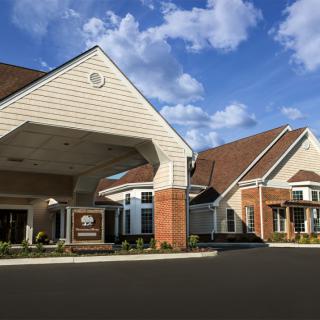



 Dementia, Paranoia, and Caregiver Guidance: Understanding the Connection
 Engaging Memory Care Activities That Enhance Quality of Life
 When to Transition from Assisted Living to Memory Care: Key Indicators, Steps, and Finding the Right Community