




13800 Bon Secours Drive, Midlothian, VA 23114
For more information about senior living options: (866) 208-4318
Overall Review of The Memory Center Richmond
Pros
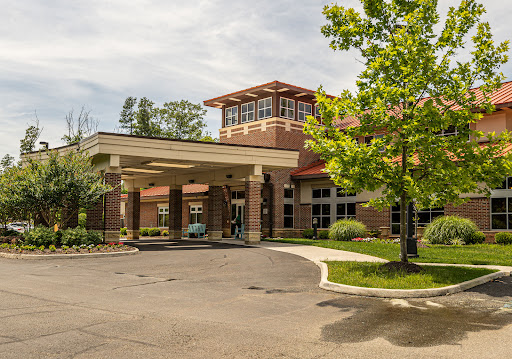
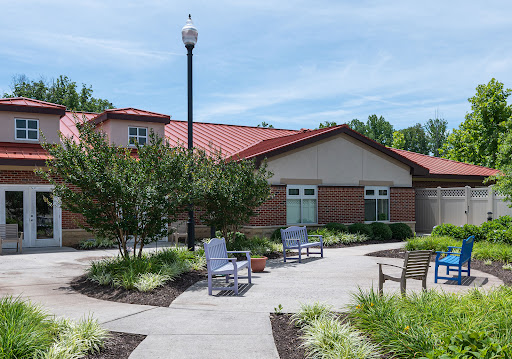
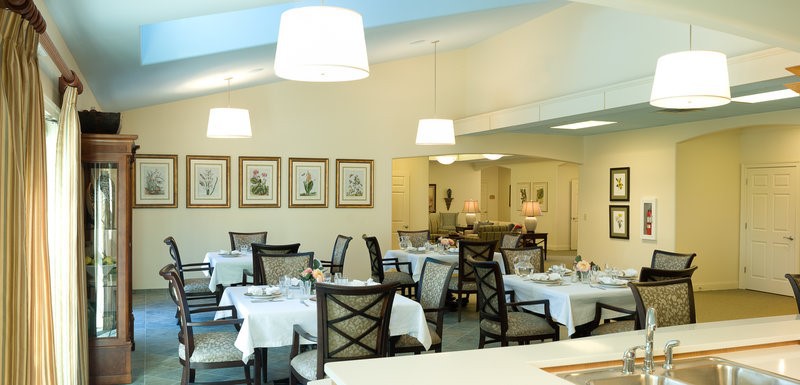
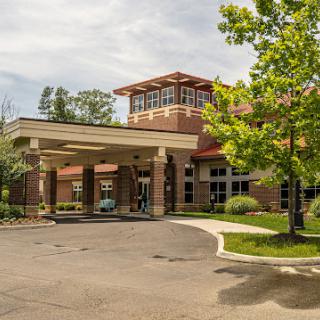
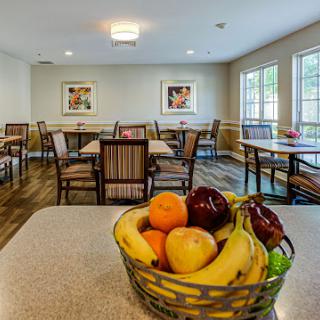
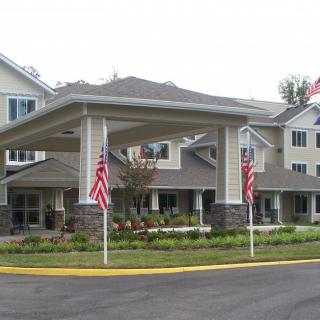
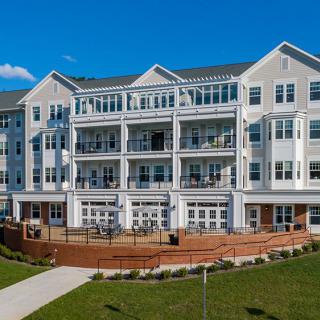
 The facility is truly beautiful.
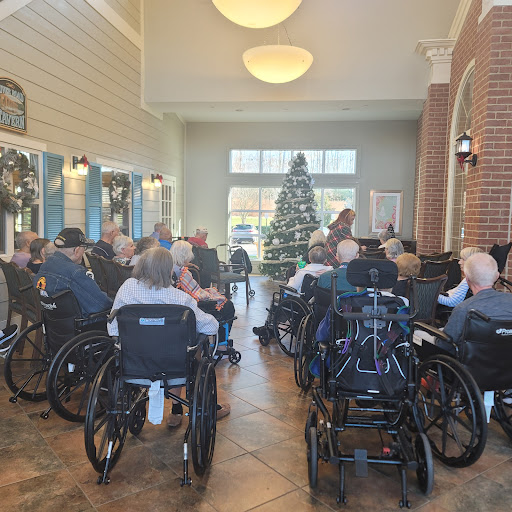
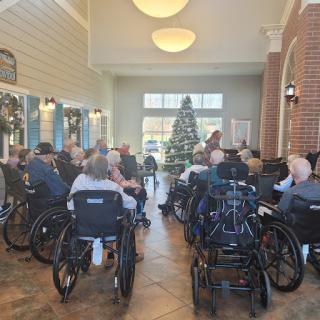
- It offers a full day of activities for residents.
- It provides 24/7 care with nurses on staff.
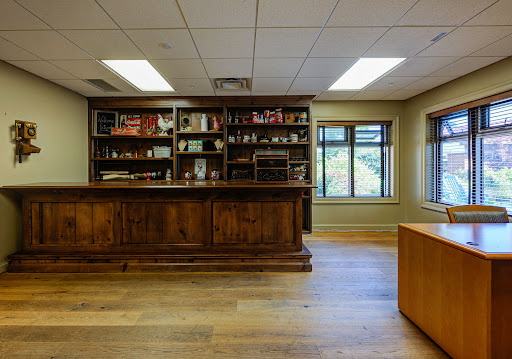
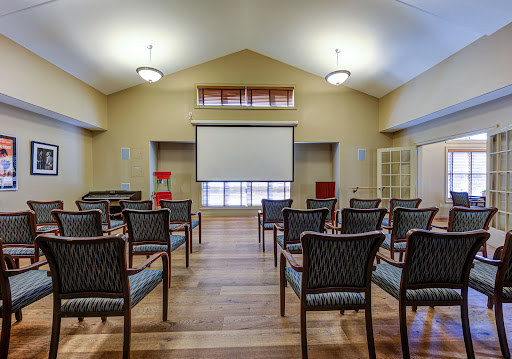
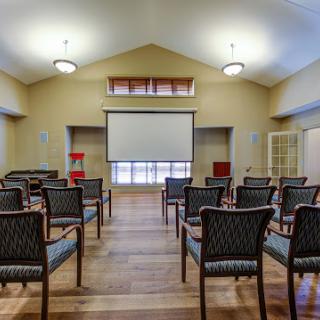
- It features amenities such as a movie theatre, tavern, general store, and ice cream shop.
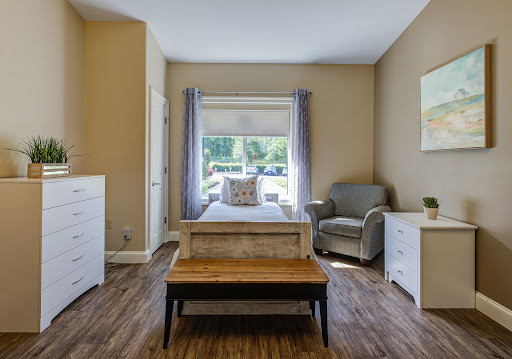
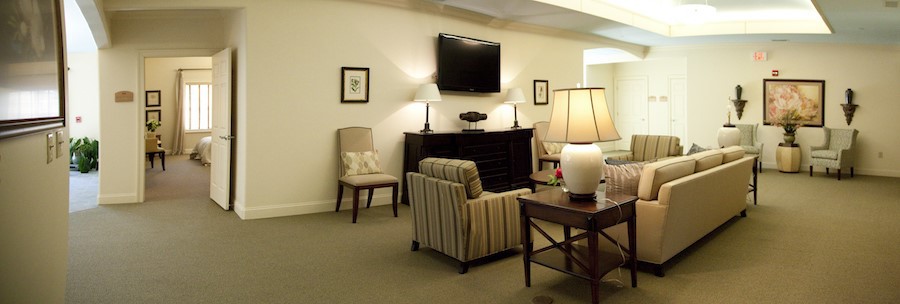
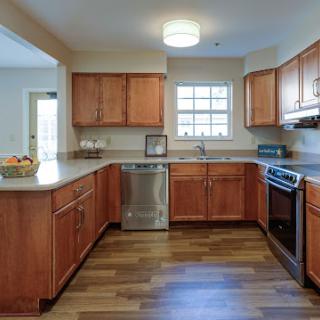
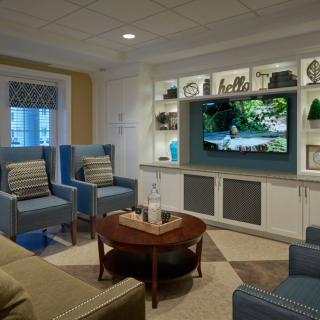
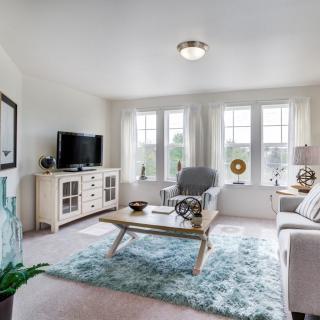
- Private rooms are beautifully appointed.
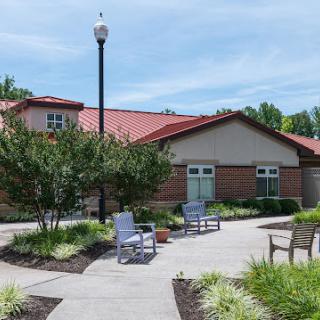
- Open spaces allow residents to walk around.
- The dementia town keeps residents happy and engaged.
- The place feels like a big family.
Cons
 There were bugs in her mother's room.
- The food was standard institutional fare or worse.
- The current Executive Director is terrible.
- On the day a resident's mother died at the facility, the Director never came out of her office or offered condolences as the family removed their personal belongings.
Review
The Memory Center Richmond is best suited for seniors who have Alzheimer’s or dementia and want a highly immersive, activity-rich environment that feels like a close-knit community. The campus centers on dementia-specific care, with features designed to engage residents through structured programming and social interaction. The setting includes a dementia town, a movie theatre, a tavern, a general store, an ice cream shop, and private rooms, all arranged to foster independence within a supportive, social framework. For families prioritizing meaningful daily activity and the feeling of “being in a big family,” this facility offers a compelling, destination-like experience that can help residents thrive in a purposeful routine.
Those considering alternatives should note the contrast between the strong dementia-focused culture here and facilities that handle a broader mix of senior care needs. If a resident requires medical acuity beyond what dementia care typically provisions, if a family places the highest priority on pristine housekeeping, gourmet dining, or a consistently warm, proactive leadership presence, other communities may be a better fit. The Memory Center Richmond has clear strengths in engagement and environment, but the concerns raised by some reviews about cleanliness, dining quality, and leadership responsiveness are not trivial, and they carry real weight for families weighing peace of mind as much as resident happiness.
The core advantages, rich activity calendars, open spaces for walking, and a genuinely engaging atmosphere, do offset some operational rough edges, but not uniformly. On the positive side, residents appear happy and engaged in a thoughtfully designed memory-care setting. The ability to offer open tours and the scale of on-site amenities create tangible opportunities for daily enjoyment and social interaction. The 24/7 care and on-site nursing staff reinforce a sense of safety and continuous oversight, which is a critical factor for families navigating dementia care. For families who prioritize stimulation and a celebratory sense of community, these elements can loom large in the overall value proposition.
From a practical standpoint, the physical and social environment stands out. The dementia town concept, the on-site bistro, ice cream shop, theatre, and general store contribute to a lived-in, comforting landscape where residents can move freely and participate in structured activities. The open-space layout supports mobility and exploration, which are important for residents with dementia who benefit from predictable, walkable surroundings. However, the reality of daily life at the center is also colored by the less favorable reports: bugs in rooms and meals described as standard or less appealing. These issues undermine the otherwise appealing environment and can affect overall satisfaction as well as perceived quality of care.
Leadership and responsiveness emerge as a pivotal fault line in these assessments. One review singles out the current Executive Director as terrible, and another recounts a moment when a director did not come out to offer condolences during a loved one’s death. In dementia care, leadership matters deeply: families need visible accountability, timely communication, and compassionate handling of crises and transitions. The absence of warmth or advocacy at critical moments can nullify many of the positive impressions created by programming and amenities. Prospective residents should insist on contemporary leadership accountability: ask for problem-solving histories, staff retention rates, and concrete steps taken to address prior concerns. Demand open lines of communication and a clear process for escalating issues.
Bottom line: The Memory Center Richmond delivers a compelling, dementia-centric living experience with strong social programming, abundant on-site amenities, and a walkable, open environment that can empower residents to thrive in daily life. The meaningful caveats, the cleanliness lapses, questioned dining quality, and disputed leadership issues, are not minor blemishes. For families who can prioritize the dementia-focused culture and robust activity framework while seeking assurance that housekeeping, nutrition, and leadership responsiveness will improve or are already being addressed, this community remains a solid option. For those who cannot tolerate recurring cleanliness problems or a leader perceived as unresponsive, exploring alternatives with stronger emphasis on these dimensions is a prudent move.
 96 resident community capacity
 Studio apartments
 Assisted Living
 Memory Care
 Air-conditioning
 Beautician on-site
 Cable or satellite TV
 Computer center
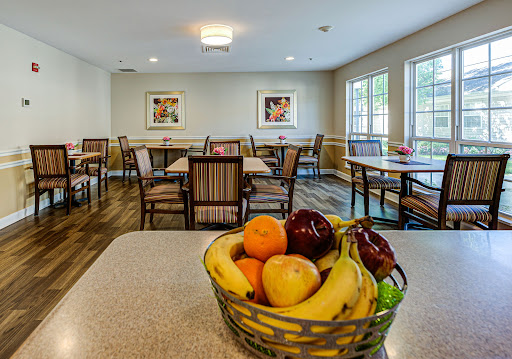
 Dining room
 Fitness room
 Fully furnished
 Gaming room
 Garden
 Housekeeping services
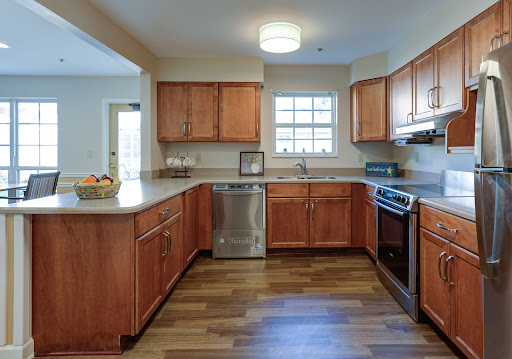
 Kitchenette
 Laundry
 Move-in coordination
 Outdoor space
 Private bathrooms
 Respite or short term stays offered
 Restaurant-style dining
 Small library
 Telephone
 Wellness center
 Wi-Fi/high-speed internet available
 Richmond International (19 miles away)
 Community operated transportation
 12-16 hour nursing
 24-hour call system
 Activities of daily living assistance
 Assistance with bathing
 Assistance with dressing
 Assistance with transfers
 Diabetes diet
 Medication management
 Mental wellness program
 Special dietary restrictions
 Arts and crafts
 Concierge services
 Games
Games Live musical performances
 Planned day trips
 Religious services
 Stories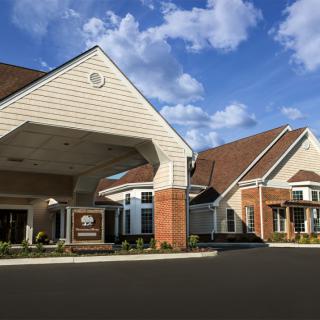


 Estimating the Expenses of At-Home Dementia Care: A Detailed Exploration
 Comprehensive Insights on the Late Stages of Dementia: What to Expect and How to Provide Care
 Medications Associated with Dementia Risk: A Comprehensive Overview