For more information about senior living options: (866) 208-4318
4 from 114 reviews
5 stars
73
4 stars
13
3 stars
4
2 stars
5
1 stars
19
Overall Review of The Crossings At Hanover
common
Activities and daily engagement stand out
Residents and families describe a full schedule of activities and events.
Many reviewers talk about staying busy with on-site programming and group events, including music and recurring social gatherings. Several mention trips/outings and an activities calendar they found engaging. A few reviewers also describe more limited engagement in memory care, with more passive activities like television.
common
Meals are a frequent point of contrast
Dining draws both praise and complaints from reviewers.
Some reviewers describe meals as delicious or enjoyable and say their loved ones eat well. Others report problems like food running out, inconsistent portioning, and meals not matching preferences or doctor-ordered prep. The community is positioned as offering restaurant-style dining, which aligns with the positive comments but doesn’t prevent service complaints from appearing in reviews.
common
Staff friendliness and attentiveness are mentioned often
Across many reviews, people describe staff as friendly, welcoming, and responsive to questions or concerns. Several also point to specific team members for attentive care or for organizing resident experiences. At the same time, a smaller set of reviews describe breakdowns in follow-through and communication, especially during periods of higher care needs.
caveat
Communication and follow-through concerns recur
Some reviewers say it can be hard to reach the team and get issues resolved.
Several reviews describe difficulty getting return calls or answers by phone, including situations where families say they were waiting on responses. Others mention promises that were not followed through after the move or after particular requests. A few concerns are framed as leadership and management related, with reviewers describing a lack of urgency or accountability.
caveat
Memory care staffing and hygiene are criticized
A number of negative reviews focus on memory care support and cleanliness.
Some reviewers describe memory care as lacking in meaningful engagement and routine, including reports of residents spending much of the day watching television. Others cite hygiene and care delivery concerns, such as reports of urine odor, dirty diapers, and missed or inconsistent incontinence care. Separate negative reviews also mention delayed help after pressing for assistance and problems coordinating medication support.
common
Nearby medical options are close
The community sits near multiple physician and medical options.
Reviewers mention convenience for getting to appointments, and the nearby area includes physician offices within a short drive. For day-to-day needs, the listing area also includes pharmacy options not far away. This supports the idea that medical access is straightforward for families visiting regularly.
How we summarize
We summarize when many written reviews mention each theme; a review can touch several themes, and only frequently mentioned themes are displayed.
Features
Housing
113 resident community capacity
1-bedroom apartments
2-bedroom apartments
Studio apartments
Types of Care
Assisted Living
Memory Care
Respite Care
Amenities
Air-conditioning
Beautician on-site
Beauty salon
Cable or satellite TV
Computer center
Dining room
Fitness room
Full kitchen
Fully furnished
Gaming room
Garden
Housekeeping services
Kitchenette
Laundry
Move-in coordination
Outdoor space
Private bathrooms
Respite or short term stays offered
Restaurant-style dining
Small library
Telephone
Wellness center
Wi-Fi/high-speed internet available
Transportation
Richmond International (9 miles away)
Community operated transportation
Transportation & parking
Transportation arrangement
Transportation arrangement (non-medical)
Transportation to doctors appointments
Care Services
12-16 hour nursing
24-hour call system
24-hour supervision
Activities of daily living assistance
Assistance with bathing
Assistance with dressing
Assistance with transfers
Diabetes diet
Meal preparation and service
Medication management
Mental wellness program
Mild cognitive impairment
Special dietary restrictions
Specialized memory care programming
Dining
Diabetes diet
Special dietary restrictions
Activities
Activities off-site
Community-sponsored activities
Concierge services
Fitness programs
Planned day trips
Resident-run activities
Scheduled daily activities
Languages Spoken
English
Nearby Places of Interest
Physicians
Laburnum Medical Center (0.1 miles)
Carl Barton Weiss, MD (0.1 miles)
Ortho Virginia (0.2 miles)
P&A Associates ENT, PC (0.2 miles)
Atlee Family Physicians (0.5 miles)
Virginia Women's Center (1.7 miles)
Virginia Oral & Facial Surgery (1.8 miles)
Restaurants
Chick-fil-A (1.8 miles)
Pizza & Beer of Richmond (1.9 miles)
Chick-Fil-A (2 miles)
Jersey Mike's (2 miles)
Cracker Barrel (2.1 miles)
Chipotle Mexican Grill (2.3 miles)
Cook Out (2.5 miles)
Pharmacies
CVS Pharmacy (2.7 miles)
Walgreens (2.7 miles)
Walgreens (3.5 miles)
CVS Pharmacy (4.6 miles)
Walgreens (4.9 miles)
Walgreens (5 miles)
CVS Pharmacy (5.3 miles)
Places of Worship
The Carson Building At New Hanover Presbyterian Church (3.3 miles)
31st Street Baptist Church (6.6 miles)
Remnant Church (6.8 miles)
Cafes
Starbucks (3.9 miles)
The Smoky Mug (4.6 miles)
Stir Crazy (4.8 miles)
Starbucks (6.4 miles)
Starbucks (6.4 miles)
Blanchard’s Café (6.5 miles)
Union Market (6.6 miles)
Parks
Battery Park (5.1 miles)
Brown's Island (6.5 miles)
Lombardy Park Playground (6.6 miles)
Byrd Park (6.6 miles)
Monroe Park (6.6 miles)
Theaters
Bow Tie Movieland at Boulevard Square (6.1 miles)
Henrico Theatre (6.6 miles)
Hospitals
Bon Secours Richmond Community Hospital (6.1 miles)
VCU Medical Center Emergency Department (6.3 miles)
Hospital Hospitality House (6.4 miles)
VCU Critical Care Hospital (6.4 miles)
Children's Hospital of Richmond at VCU (6.4 miles)
The Crossings At Hanover offers a comprehensive suite of features designed to support residents with dementia and Alzheimer's disease, fostering both safety and engagement in daily life. With 24-hour supervision, residents receive constant oversight, ensuring their security and peace of mind. Assistance with activities of daily living--such as bathing and dressing--empowers residents while preserving their dignity, allowing them to maintain routines that can enhance their quality of life. Customized meal preparation caters to dietary needs, promoting nourishment in a familiar setting. Medication management reduces the risk of errors, which is crucial for individuals who may struggle with complex medication regimens. Moreover, specialized memory care programming and mental wellness initiatives provide targeted cognitive stimulation and social interaction, helping to enhance cognitive function and emotional well-being. Collectively, these features create an environment that supports both the physical and mental health needs of residents at various stages of cognitive decline.
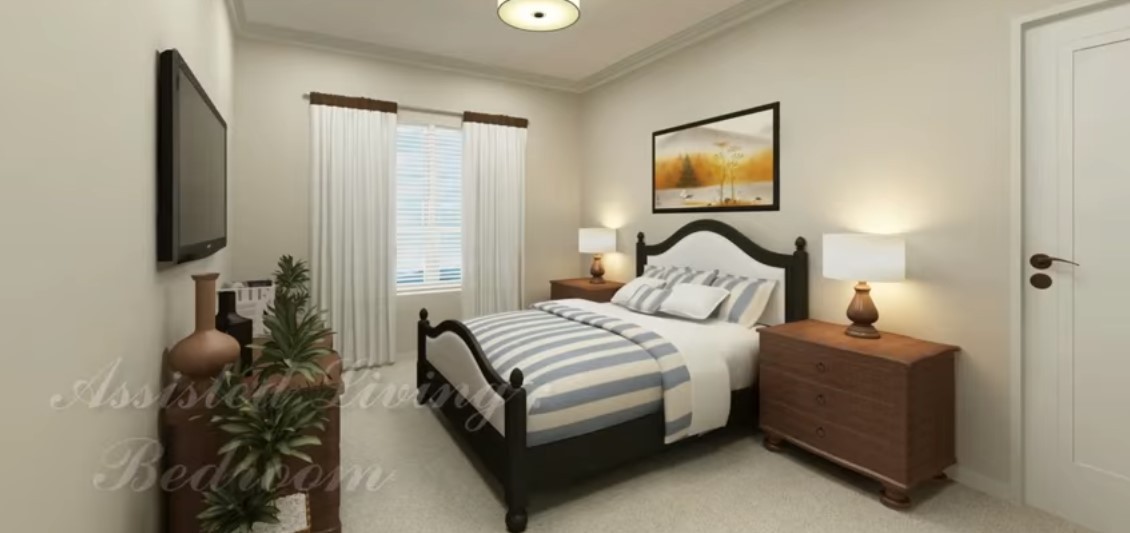
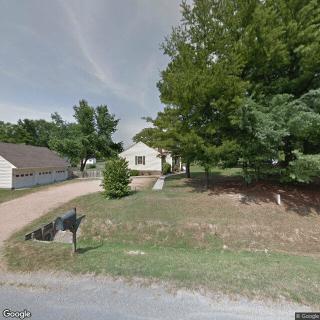
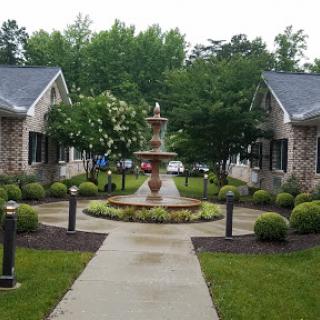
The Crossings At Hanover on seniors.fyi includes 3 photos including images showing dining, interior, bedroom, decor, painting, building, architecture, landscaping, and more.
Nearby Communities
The Harmony Collection at Hanover Assisted Living and Memory Care
Mechanicsville, VA
3.7 from 121 reviews
$4,550 to $5,895 / month
Friendly front-line staff in a bright, well-kept facility with engaging activities.
The Harmony Collection at Hanover
Mechanicsville, VA
3.9 from 122 reviews
$3,295 to $5,395 / month
Friendly staff and quality of care in an attractive, clean setting.
I Care Assisted Living - The Haven
Mechanicsville, VA
Small, home-like setting with personalized, comprehensive care.
The Haven Assisted Living @ Mayfield
Mechanicsville, VA
4 from 4 reviews
$3,850 to $5,750 / month
Attentive caregivers, clean environment, and engaging activities with appealing meals.
CoolWell
Mechanicsville, VA
Convenient access to nearby cafes, pharmacies, physicians, and places of worship, with meal preparation and medication management.
The Haven Assisted Living @ Eleanor
Mechanicsville, VA
4.1 from 7 reviews
$3,850 to $5,500 / month
Low resident-to-caregiver ratio with 24-hour live-in care in a clean, home-like setting.
Autumn Care Of Mechanicsville
Mechanicsville, VA
4.4 from 120 reviews
Extensive amenities and comprehensive on-site care (transportation, dining, wellness, activities).
Hanover Health And Rehabilitation Center
Mechanicsville, VA
4.1 from 140 reviews
Clean facility with friendly staff and engaging activities.
The Bluffs at Bell Creek
Mechanicsville, VA
Small, personalized assisted living with comprehensive care (meal preparation, medication management, dietary options) and nearby services (pharmacies, physicians, worship, dining).
Reminiscence therapy is a structured method for older adults, especially those with dementia, to share life stories using prompts and sensory cues, fostering emotional well-being, social engagement, and self-identity. It aims to improve quality of life by enhancing interpersonal connections and cognitive stimulation while requiring careful facilitation to avoid distressing memories.
Dementia, particularly Lewy body dementia, often involves hallucinations that can significantly distress both patients and caregivers due to disruptions in sensory processing and neurotransmitter imbalances. Effective management includes compassionate communication, environmental adjustments, and a multidisciplinary approach to care while addressing the emotional needs of caregivers.
Alzheimer’s disease is a progressive neurological disorder that significantly impacts memory and cognitive functions, accounting for 60-80% of dementia cases, with early diagnosis being crucial yet challenging. It involves brain changes like beta-amyloid plaques and tau tangles, influenced by genetic and lifestyle factors, and while there is no cure, symptom management and support for caregivers are essential.
Get PricingAsk A QuestionSchedule A TourContact Senior Advisor
By clicking submit, you agree to our Partner's Terms of Use. You
also consent to receive calls and texts, which may be autodialed, from our Partner. Your consent is not a condition to
using our Partner's service. Please visit our Partner's Privacy Policy for information about their privacy practices.




 113 resident community capacity
 1-bedroom apartments
 Assisted Living
 Memory Care
 Respite Care
 Air-conditioning
 Beautician on-site
 Cable or satellite TV
 Computer center
 Dining room
 Fitness room
 Full kitchen
 Fully furnished
 Gaming room
 Garden
 Housekeeping services
 Laundry
 Move-in coordination
 Outdoor space
 Private bathrooms
 Restaurant-style dining
 Small library
 Telephone
 Wellness center
 Wi-Fi/high-speed internet available
 Richmond International (9 miles away)
 Community operated transportation
 12-16 hour nursing
 24-hour call system
 Activities of daily living assistance
 Assistance with bathing
 Assistance with dressing
 Assistance with transfers
 Diabetes diet
 Medication management
 Mental wellness program
 Special dietary restrictions
 Concierge services
 Planned day trips
 English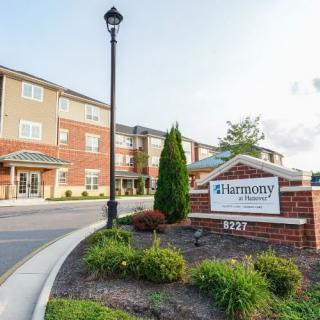
 Friendly front-line staff in a bright, well-kept facility with engaging activities.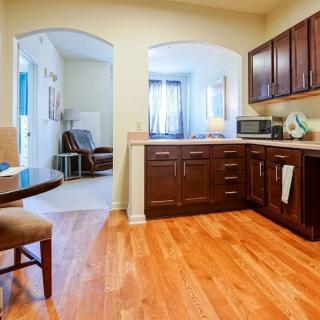


 An In-Depth Look at Reminiscence Therapy in Dementia Care
 Dementia-Related Hallucinations: Causes, Experiences, and Practical Approaches
 Illuminating Insights About Alzheimer's Disease: Ten Crucial Realities