
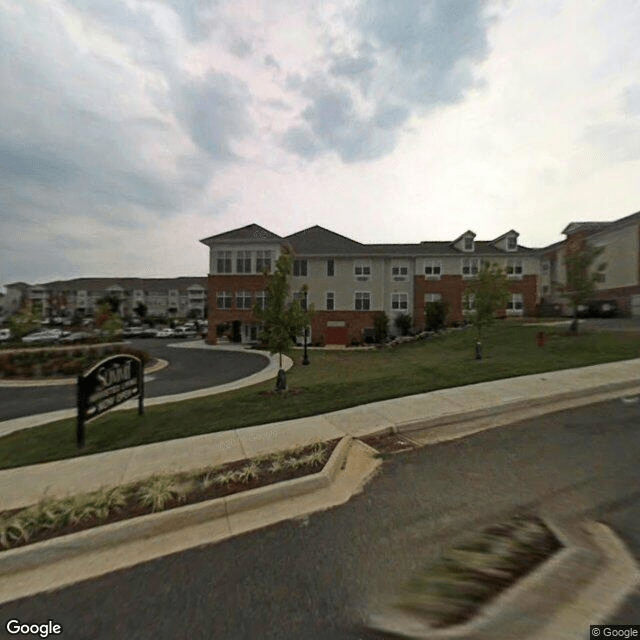
1320 Enterprise Drive, Lynchburg, VA 24502
For more information about senior living options: (866) 208-4318
Overall Review of Summit Assisted Living
Pros
 The Summit is described as an excellent facility with good food, care, and plenty of activities for residents.
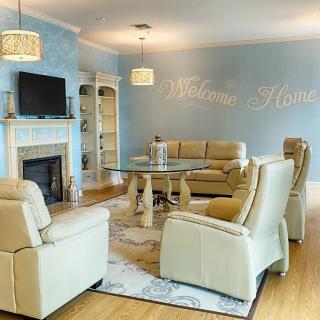
- It is noted for a clean, home-like environment with no odd smells.
- Families report peace of mind due to 24-hour assistance and nearby higher levels of care when needed.
- The staff are described as kind, patient, and attentive to residents.
- The food is described as excellent, with choices available to meet dietary needs.
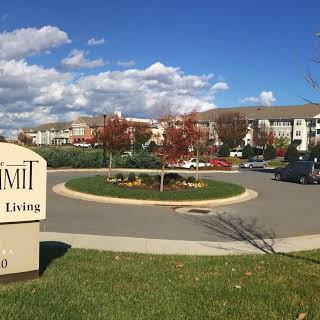
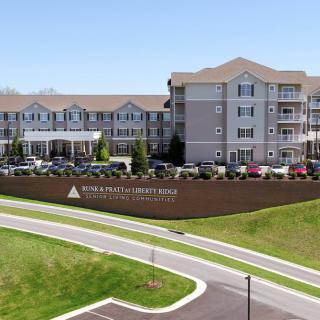
- The cottages and overall layout provide attractive, comfortable living spaces.
- The Summit offers excellent value compared to other facilities.
- The campus hosts a variety of activities (movies, bingo, holidays) that engage residents.
Cons
 It lacks tiered levels of care, making it less flexible than other facilities.
 - Scheduled care, such as baths, was not provided as planned on several occasions.
- A nurse at the nurses’ station ignored a family member requesting updates.
- It appears that without daily check-ins, residents may not be receiving the care and attention they pay for.
- There were few or no activities observed for residents at times.
- The medical care was described as non-existent or insufficient in interactions with residents.
- The activity program was limited (e.g., bingo only on Saturdays) and did not promote broad resident engagement.
- Some families noted a lack of private rooms and preferred more private, personalized spaces.
Review
Summit Assisted Living in Lynchburg is best suited for seniors who want a genuine continuum of care on one campus and a residence that feels more like home than a clinical setting. The community combines independent living, assisted living, and health services in a single location, with a not-for-profit governance structure that reinforces steady access to care and a long-term support model. Families drawn to a campus where medical support is tied to a major health system (Centra Health) will appreciate the reliability this arrangement offers, especially for aging in place. The grounds and housing options reinforce a residential vibe: well-maintained cottages, private rooms, and a campus atmosphere that supports everyday routines, social connection, and familiar rituals.
Those who should consider alternatives are clear in the trade-offs. Summit does not operate with four or more formal levels of care the way some peers do, which can limit how precisely care can escalate as needs intensify. For families needing highly structured, stepwise escalation, especially in the late stages of illness or in highly specialized dementia care, other communities with clearly delineated levels may feel more predictable. Additionally, while the staff generally delivers attentive care, a few reviews point to inconsistent daily responsiveness and occasional lapses in routine medical attention, which can be a deal-breaker for families prioritizing proactive, tightly managed daily care. For residents who crave a busier activity calendar or more intensive clinical oversight, alternatives may offer a closer fit.
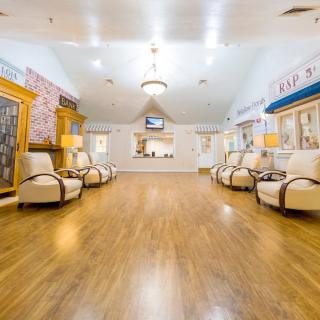
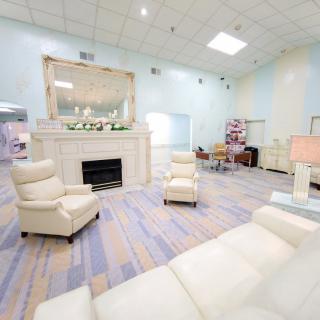
The core advantages of Summit, the dependable care core, the home-like environment, and the value attached to a campus that can grow with a resident, can offset many of these drawbacks. The facility earns praise for cleanliness, comfortable common spaces, and a sense of normalcy that reduces the anxieties of leaving home. Families consistently note warm, patient nurses and CNAs, plus caregivers who remember specific routines and preferences. Food is regularly highlighted as good, with everyday choices that accommodate dietary needs, even if some meals are described as bland by a few. Most importantly, the continuum of care on one site means fewer dislocating moves if health declines, and the presence of closeby rehab and medical support can translate into quicker, safer transitions without abandoning the familiar surroundings residents already know.
From a family perspective, Summit often delivers meaningful peace of mind. Residents commonly enjoy quiet time in private rooms, participate in a range of activities, and benefit from the activities director’s efforts to maintain variety and engagement. The not-for-profit, fee-for-service model is repeatedly cited as a strength, especially when comparing overall cost to external memory or long-term care options that can be substantially more expensive. The campus layout, indoor and outdoor spaces, a small-town feel, and a setting that encourages casual visits and gentle mobility, supports both independence and safety. In addition, the proximity to a town center and the on-site continuity of care create a practical balance between life opportunities and security, which many families value deeply.
Practical decision-making should be guided by targeted questions during tours and a careful accounting of personal priorities. Prospective residents should verify that the level of assistance available aligns with expected needs now and in the near term, and clarify how quickly the staff responds to routine and emergent requests. Request a concrete look at care plans, wound care protocols, and the process for escalating care, especially if a decline occurs. Tour cottages or apartments to gauge personal space and privacy, and ask about the availability of truly private rooms or personalized configurations. Confirm what is included in monthly fees versus add-ons, and compare with other reputable options in the area that explicitly separate levels of care. Finally, assess whether the spiritual component, community life, and family engagement opportunities match the senior's values and daily preferences.
In the end, Summit stands out for families seeking a dependable, home-forward community with a real continuum of care and affordable value within a hospital-backed network. It serves best those who want a stable, compassionate environment where health needs can be managed on site, where everyday life remains dignified and familiar, and where long-term planning and peace of mind matter as much as immediate comfort. It may be less ideal for families needing aggressive medical management, highly specialized dementia programming, or strict adherence to multiple distinct care levels. For those priorities, exploring alternatives with clearer gradations of care and more intensive clinical oversight will be worthwhile.
 50 resident community capacity
 1-bedroom apartments
 Detached homes
 Assisted Living
 Independent Living
 Memory Care
 Skilled Nursing Facility
 Activities on-site
 Beauty salon
 Cable or satellite TV
 Devotional services off-site
 Dining room
 Full kitchen
 Fully furnished
 Garden
 General store
 Hiking trails
 Housekeeping services
 Indoor common areas
 Laundry
 Move-in coordination
 Outdoor space
 Resident parking
 Respite or short term stays offered
 Restaurant-style dining
 Small library
 Spa
Spa Telephone
 Wi-Fi/high-speed internet available
 Lynchburg Municipal-Preston Glenn (3 miles away)
 Transportation & parking
 24-hour call system
 Ambulatory care
 Assistance with bathing
 Assistance with dressing
 Assistance with transfers
 Diabetes diet
 Diabetic care
 High acuity care
 Medication management
 Mental wellness program
 Physical therapy
 Special dietary restrictions
 Arts and crafts
 Book club
 Cooking club
 Fitness programs
 Games
Games Live musical performances
 Wii bowling
 English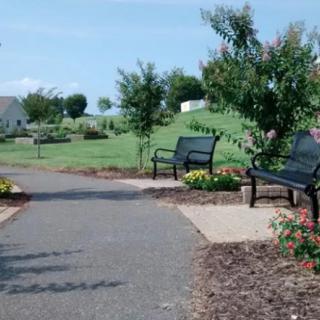

 A Detailed Exploration of Assisted Living Medicaid Waivers Across the United States
 Exploring the Contrasts Between Assisted Living and Skilled Nursing
 Vibrant Senior Living: A Comprehensive Guide for Active Older Adults