
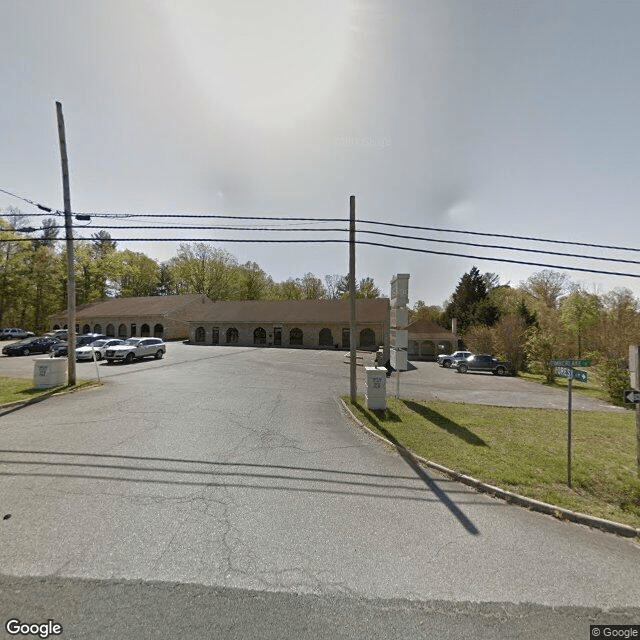
22634 Timberlake Rd Ste E, Lynchburg, VA 24502
To contact a resident: (866) 576-7479
For more information about senior living options: (866) 208-4318
Overall Review of Care Advantage of Lynchburg, VA
Pros
 The nurses and aides are described as the most caring and compassionate they have ever worked with.
- Administrative intervention leads to a quick replacement aide and a prompt response.
- The aides are generally nice.
- Carol is praised for her quick response that resulted in a rapid replacement.
Cons
 Care Advantage did not pay the worker for the work done and was rude.
- The service had trouble providing a replacement aide when needed, leaving the client stuck in bed for many hours.
- The aides’ communication was piss-poor.
- Team Nurse is described as the worst; the office is run helter-skelter with poor coordination.
- The company failed to have an aide show up after school, despite numerous school contacts indicating the child was dropped off.
- The office supervisor claimed aides were "behavioral therapists" while most had no more than a high school education, and the provider stopped staffing with an aide after 24 hours’ notice without follow-up.
Review
Care Advantage of Lynchburg is best suited for families that want in-home nursing and aide support with a strong emphasis on the frontline caregivers’ humanity and warmth. This agency tends to deliver staff who are genuinely caring and compassionate, with many reports praising the bedside manner, attentiveness, and genuine concern shown by nurses and aides. It suits households that value personal connection, responsiveness when a supervisor gets involved, and the comfort of allowing a trusted caregiver to come to the home rather than moving a loved one into a facility. Those prioritizing formal, consistently flawless scheduling or airtight administrative processes should approach with eyes open, since reliability of the office operations can vary.
On the pro side, the core asset is the people delivering care. Multiple reviews highlight aides who are generally nice, respectful, and engaged with the client’s well-being. When administration intervenes, problems in scheduling or staffing can be resolved quickly, suggesting an effective if sometimes fragile, point of accountability at the leadership level. The strongest moments hinge on the human connection: caregivers who demonstrate patience, empathy, and real concern for the person receiving care. For families seeking warmth and personal attention, these caregiver traits can meaningfully offset some logistical frictions.
Yet the pattern of cons runs deeper and more frequent than the best-case impressions. A recurrent brush with payroll or billing disputes, described as not paying for work performed or being rude in handling those financial matters, undermines trust and raises concerns about the financial and ethical consistency of the operation. Scheduling gaps also loom large: trouble obtaining a replacement aide when needed, or long periods stuck in bed without assistance for basic needs, point to fragility in continuity of care. The most troubling misses involve no-shows or delayed responses to planned visits, which can put vulnerable seniors at risk and force families to repeatedly chase solutions.
Communication inconsistencies compound the scheduling challenges. When messages do get through, the guidance can feel reactive rather than proactive, with staff and families left uncertain about who is in charge and how quickly issues will be resolved. In at least one critique, the office culture is described as helter-skelter, suggesting that day-to-day operations may lack a dependable system for coordinating staff, scheduling, and escalation. While care quality from individual aides remains a bright spot in many encounters, these administrative friction points can erode overall confidence and make it harder to rely on consistent, predictable care.
For families weighing options, the trade-off is clear. The pros, compassionate, dependable caregivers and the possibility of rapid administrative intervention, are significant when the home care relationship is well-medicated by a strong, responsive point of contact. The cons, billing disputes, communication gaps, and inconsistent staffing, can rapidly derail a plan if not actively managed. The key is to secure an arrangement that minimizes the risk of no-shows and ensures clear, written guidelines for scheduling, payroll, and escalation. A dedicated case manager, explicit recovery protocols, and a clearly outlined staffing backup plan become essential anchors in any decision to proceed with Care Advantage.
Ultimately, Care Advantage is a practical fit for families that tolerate some administrative risk in exchange for genuinely caring front-line staff and the option of in-home support without relocation. It’s less suitable for those who demand near-perfect reliability, transparent billing with zero friction, and consistently coordinated scheduling. If choosing this provider, insist on a written service plan, defined response times, and guaranteed backup coverage; verify who your primary point of contact will be and how disputes will be resolved. For those who cannot tolerate regular administrative bumps, exploring other reputable home-care agencies or considering facility-based options that emphasize structured scheduling and formal care coordination may yield a more predictable, peace-of-m mind.
 Lynchburg Municipal-Preston Glenn (3 miles away)





 Nurturing Our Loved Ones: A Daughter's Journey in Caring for Her Mother
 Nurturing Our Elders: Linda's Journey of Supporting Her Mother
 A Comprehensive Exploration of Common Misunderstandings about Powers of Attorney