
709 River Ridge Road, Danville, VA 24541
For more information about senior living options: (866) 208-4318
Overall Review of Pinecrest Adult Home
Pros
 The facility is wonderful.
- The staff are dedicated, patient, and friendly.
- The facility is clean, private, and thoughtfully designed.
- The care provided is great with a loving staff.
Cons
 The place is infested with roaches and bedbugs.
- The facility is infested with bugs, and management knows it and does nothing about it.
- The advertising is false.
- The reviewer would choose a better facility for their elderly family members.
Review
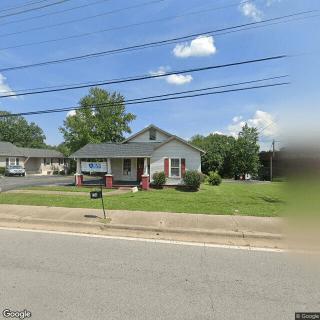
Pinecrest Adult Home in Danville is best suited for seniors who want a small, home-like setting where caregivers know residents by name and care feels personal. The environment is described as clean, private, and thoughtfully designed, with staff who come across as dedicated, patient, and genuinely caring. Families prioritizing a intimate, low-key atmosphere, where attention is frequent and relationships with caregivers matter, will find the day-to-day experience approachable. This is not presented as a large, clinical campus; it’s a more intimate option that can feel comfortable for residents who do well with close staff-resident interactions and predictable routines. It is important to note that this setting is best matched to those who can thrive with less emphasis on high-intensity medical services.
That said, there are clear reasons to consider alternatives. Families whose top priority is airtight cleanliness and proactive pest control should look elsewhere, or demand immediate, verifiable improvements. The most serious red flag in the current landscape is persistent pest activity, roaches and bedbugs, that some residents’ families believe administrators know about yet fail to address promptly. In addition, any impression of false advertising around conditions or quality signals a risk that the facility’s promises won’t translate into ongoing realities. For seniors with significant medical needs, complex care requirements, or cognitive challenges that demand rapid escalation of services, other communities with stronger clinical oversight may provide more consistent peace of mind.
On the positive side, the strongest pro is the staffing ethos. When care is delivered with warmth and patience, residents experience stability, routine, and a sense of being genuinely looked after. The staff’s dedication translates into reliable companionship, which can significantly improve quality of life for those who value daily human connection. Practically, a clean and private setting enhances dignity and personal space, allowing residents to enjoy private rooms, personal belongings, and a predictable day structure. These elements matter for long-term well-being and for families who want to see consistent, compassionate interactions as a resident settles into daily life.
Another favorable thread is the observed caring culture in practice. Reviews describe “great care with a loving staff,” suggesting that behind the facility’s walls there is a team that prioritizes resident comfort, emotional support, and attentive daily monitoring. For some families, this relational focus can offset the challenges of living in a smaller community, where staff-to-resident ratios may not match those in larger complexes. When families witness genuine kindness, they may be more willing to accept occasional gaps in other services, provided they trust the people delivering care and feel confident in the day-to-day warmth those caregivers bring to the resident’s life.
However, the cons carry substantial weight. Pest problems are not a trivial nuisance in an elders’ home; roaches and bedbugs raise serious health and comfort concerns and can undermine sleep, skin integrity, and overall well-being. The perception that management is aware of the infestation and does little to remedy it compounds these risks, eroding trust and prompting questions about accountability. The consequence is not only an immediate discomfort but also a lingering doubt about whether the facility can maintain a safe, sanitary environment over time. In decision-making terms, this risk often outweighs even strong relational care when families balance safety, health maintenance, and peace of mind.
The bottom-line guidance is practical and clear. For families who prioritize intimate, person-centered care and are willing to actively verify and monitor a facility’s pest control and maintenance practices, Pinecrest can still be a reasonable option, especially if a visit demonstrates clean interiors, functional private rooms, and responsive staff. For others, particularly those with heightened sensitivity to pest activity, or those seeking rigorous, consistently documented cleanliness and health standards, alternative communities with a proven track record in pest management and transparent operations should be pursued. In either case, prospective residents or their families should insist on a current, detailed pest-control plan, review service logs, request a tour of recent housekeeping records, and speak with multiple residents about day-to-day experiences before making a commitment. This approach protects the core aim: securing a safe, supportive home where care feels trustworthy and enduring.
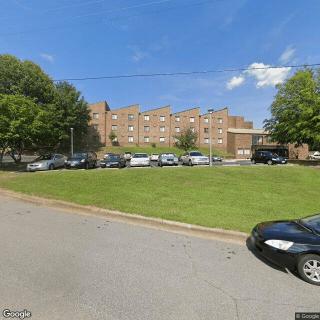
 54 resident community capacity
 Assisted Living
 Board and Care Home
 Air-conditioning
 Beauty salon
 Cable or satellite TV
 Computer center
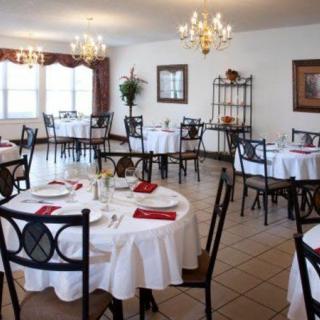
 Dining room
 Fitness room
 Fully furnished
 Gaming room
 Garden
 Housekeeping services
 Kitchenette
 Move-in coordination
 Outdoor space
 Private bathrooms
 Restaurant-style dining
 Small library
 Telephone
 Wellness center
 Wi-Fi/high-speed internet available
 Community operated transportation
 12-16 hour nursing
 24-hour call system
 Activities of daily living assistance
 Assistance with bathing
 Assistance with dressing
 Assistance with transfers
 Diabetes diet
 Medication management
 Mental wellness program
 Special dietary restrictions
 Concierge services
 Planned day trips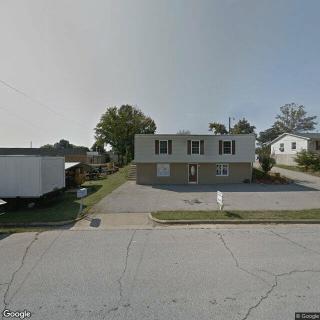





 Comprehensive Insights into Activities of Daily Living (ADLs) and Their Assessment
 Guiding Elderly Parents Who Refuse Assisted Living: 6 Practical Steps
 Your Comprehensive Guide to Luxury Assisted Living: Elevated Facilities, Amenities, and Costs