

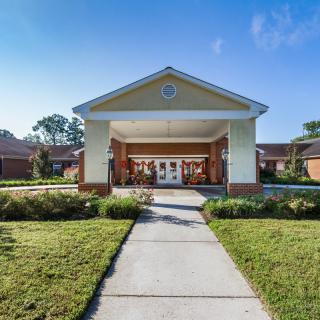
11901 Reedy Branch Road, Chesterfield, VA 23832
For more information about senior living options: (866) 208-4318
Overall Review of Gateway Homes of Greater Richmond, Inc.
Pros
 It is pretty nice.
- They treated her like family.
- They instilled independence and much needed support.
- They made mental health a little easier.
- Many of the staff spend more time with residents than with their own families.
- They are extremely dedicated and love them beyond judgment.
- They give them the opportunity to still be independent and supported.
- The food was fresh and tasty.
Cons
 The agency is corrupt and takes the patient's money without proper treatment.
- Its employees are uncaring, unprofessional, and incompetent.
- They do not abide by any Code of Ethics.
- The patient rooms are dirty.
- A loved one was housed with a roommate who continually played loud music all night and left the door unlocked.
- A male campus resident entered unannounced, scaring and frightening the relative.
- There was medical neglect and fiscal corruption at the facility, and the loved one did not receive medical treatment, resulting in trauma.
Review
Gateway Homes of Greater Richmond is best suited for adults with mental-health challenges who still want to preserve independence while receiving steady, compassionate staff support. Families consistently praise caregivers who treat residents as if they were family, investing meaningful time with individuals and helping them pursue everyday autonomy. The setting feels intimate and relationship-driven, with meals, routines, and daily activities that cultivate inclusion and a sense of stability. For residents who respond well to personal attention, steady supervision, and a calm, predictable environment, Gateway can translate into real gains in day-to-day functioning and mood, while maintaining a level of self-sufficiency that matters to loved ones.
That said, alternatives should be on the radar for anyone with care needs that extend beyond supportive housing. A notable cluster of reviews voices concerns about medical oversight, ethics, and treatment consistency, from claims of neglect and misaligned priorities to allegations of financial impropriety. These observations are not universal verdicts, but they signal that Gateway may not deliver the depth of clinical rigor or the level of transparency some families require. For residents needing intensive therapy, rigorous psychiatric monitoring, or programs with clearly defined, independently verifiable oversight, options with stronger clinical protocols are prudent considerations.
When weighing the positives against the negatives, the strong points here often offset shortcomings for the right resident. The dedication of staff, the warmth of interactions, and the ability to preserve independence through practical support form a durable, supportive fabric. Good, fresh meals and a welcoming community atmosphere reinforce daily well-being, while testimonies that programs can “put someone on their feet” or provide steady progress suggest meaningful growth in self-care and social participation. Those gains, however, hinge on consistent, personalized treatment plans and regular therapeutic input; without robust clinical engagement, benefits can wane.
Program design and management present a nuanced profile. The day-to-day care appears deeply relationship-focused, delivering warmth and stability that families value highly. Yet one review argues the program has shifted toward moving people through the system at a faster pace, which raises the risk that individualized treatment could be deprioritized in favor of throughput. This potential mismatch between pace and personalized care matters: without careful attention to assessments and ongoing progress documentation, therapeutic gains may be uneven. The overall environment remains buoyant and community-centered, but incoming residents should verify that the pace and priorities align with their specific mental-health objectives.
Resident fit hinges on match quality. The ideal candidate is someone who thrives in a family-like setting, benefits from reliable staff availability, and can function within a structured daily routine that includes social engagement and nutritious meals. This environment is less well-suited for individuals requiring high-intensity clinical services, strict medication-management oversight, or complex care coordination that demands rigorous medical protocols. Prospective families should demand clear, written care plans, regular progress reviews, and access to independent evaluations. They should also inquire about room cleanliness and safety records, and seek transparent evidence of timely medical evaluations and consistent therapeutic involvement.
The practical path to a confident decision is clear. Visit Gateway Homes with a focused checklist, speaking directly to current residents and family members about daily responsiveness and the consistency of staff support. Request sample care plans, verify staff qualifications, and obtain a transparent financial outline with a right to review billing practices. Seek a written commitment to regular progress updates and a defined escalation process for concerns. If warmth, dependable routines, and a supportive, family-like atmosphere are paramount, and if clinical oversight can tolerate some variability, Gateway presents a credible, compassionate option. For guardians prioritizing rigorous, consistently documented clinical care, however, exploring alternatives that emphasize stronger medical oversight and accountability remains essential.
 Board and Care Home
 Richmond International (21 miles away)



 Comprehensive Look at Senior Blood Pressure Charts: Normal and Elevated Levels by Age
 Top Canine Companions for Older Adults
 Comprehensive Guide to Blood Pressure Charts for Older Adults: Understanding Normal and High Readings by Age