Warm Hearth Village in Blacksburg, VA

Save
Warm Hearth Village Warm Hearth Village

Warm Hearth Village in Blacksburg, VA

2387 Warm Hearth Drive, Blacksburg, VA 24060

For more information about senior living options: (844) 490-3973

4.4 from 109 reviews
5 stars
77
4 stars
17
3 stars
6
2 stars
0
1 stars
9

Assisted Living Continuing Care Retirement Community (CCRC) Independent Living Memory Care Respite Care

Overall Review of Warm Hearth Village

Pros

  • pro Warm Hearth Village is described as an excellent place with well-maintained facilities.
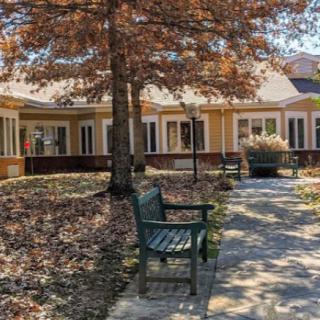
  • pro The campus and surroundings are beautiful, peaceful, and inviting.
  • pro The staff are knowledgeable, caring, and attentive to residents.
  • pro It feels like a big family, with loving and friendly residents and staff.
  • pro There are extensive activities and high-quality amenities, including an indoor pool and fitness areas.
  • pro The dining services are well organized, with a welcoming cafe and affordable prices.
  • pro The community offers comprehensive levels of care and a professional, empathetic staff.

Cons

  • pro The reviews claim a cockroach infestation throughout the building, including in the food and under dishes.
  • pro It is alleged that staff pressured a resident to sign away a large deposit, taking advantage of the elderly.
  • pro A reviewer states that at least one employee works without licensing and has faked credentials.
  • pro Reviewers warn that residents can end up living in squalor amid hoarded junk with minimal care or oversight.
  • pro There are concerns about insufficient caregiver-to-patient ratios and inadequate personal care (e.g., a resident's hair not being washed regularly).
  • pro The facility is described as having safety lapses during a Covid outbreak, with staff not consistently wearing masks.
  • pro Some comments criticize the financial model, suggesting resident investments erode over time and that the non-profit village prioritizes profits.
  • pro Accounts mention filth, hoarding, and potential fire hazards inside units.

Review

Warm Hearth Village in Blacksburg is best suited for active seniors who want a broad continuum of care on a single, scenic campus and who are comfortable with a nonprofit governance model and a lively resident culture. It serves families who prize a resort-like setting with abundant amenities, a robust activity calendar, and proximity to Virginia Tech. The community is ideal for those prepared for a longer-term commitment and who can tolerate the real-world dynamics of a large, multi-level campus where independent living, assisted living, memory care, and skilled nursing coexist, allowing transitions without relocating.

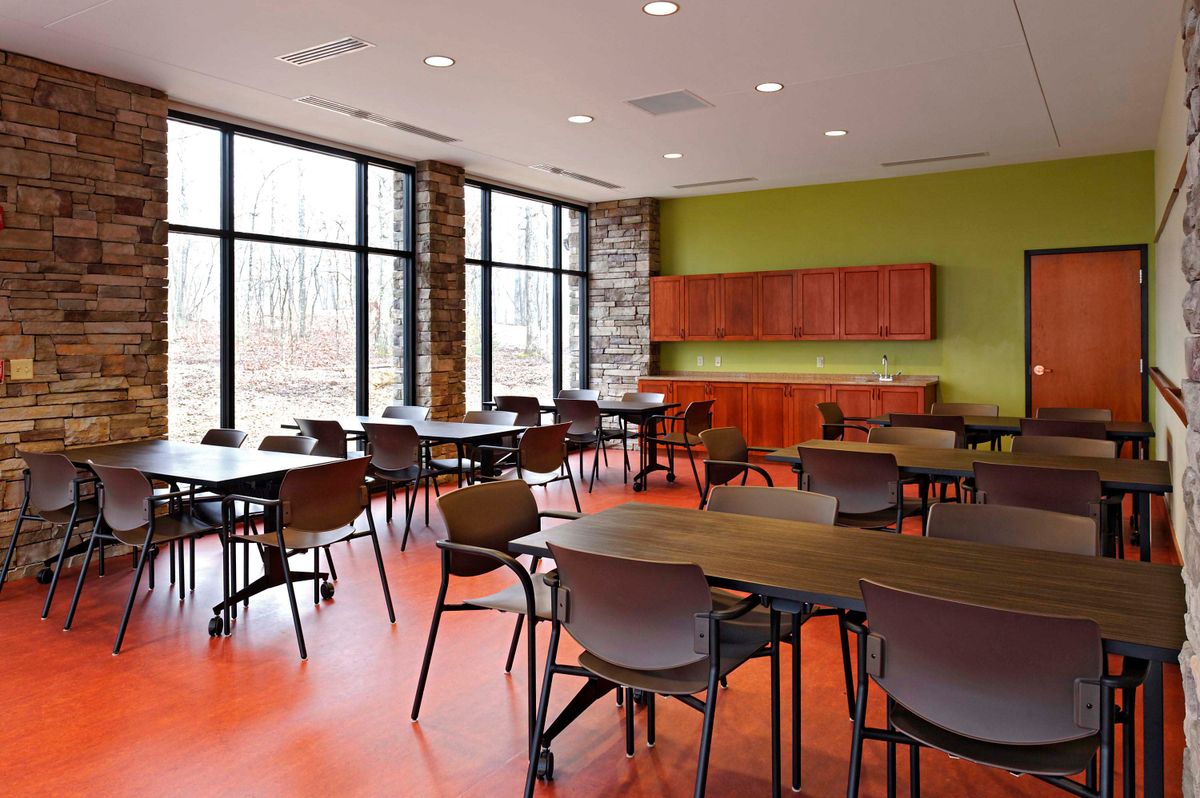
The strongest positives center on scale, amenities, and social purpose. With 220 acres and a wooded, tranquil setting, Warm Hearth Village offers an indoor pool, a well-equipped fitness area, and a broad slate of class options and organized activities. Residents can choose among independent living cottages or condo-like apartments, an assisted living wing, a memory care unit, and long-term care options, all within a single campus. The onsite cafe and varied venues give the sense of a self-contained, social resort, while the nonprofit structure is cited by many as a guardian of resident-focused priorities rather than profit motives. Staff are frequently described as knowledgeable and caring, contributing to a warm, family-like atmosphere where neighbors form friendships, participate in performances, trips, and fitness activities, and feel supported by a program that emphasizes growth and engagement.

Yet the picture is far from flawless. A number of reviews raise red flags that cannot be ignored. Roach sightings in food service spaces and the broader building cast a shadow over routine operations and raise questions about pest control and dining hygiene. Staffing concerns recur as well: notes about insufficient caregiver ratios in some settings and gaps in daily personal care point to real risk if a health decline occurs. On the financial side, deposits and long-term finance issues surface in observers' comments, including a sense that an invested amount may erode over time or that move-in incentives are not as straightforward as expected. Space quality varies, with some one-bedroom layouts described as small and dated, HVAC systems that feel antiquated, and at least one account of musty odors in a common area. Waiting lists compound the frustration, making it hard for families to secure a suitable unit when needed. A few posts touch on licensing or oversight questions, suggesting that some staff or practices may lack the credentialing rigor that cautious families expect.

These drawbacks do not erase Warm Hearth Village's core strengths, but they do demand a candid weighing of trade-offs. The continuum of care remains highly compelling for families who want a stable, long-haul plan: fewer moves, clearer signals for progression, and a built-in community that can adapt as needs change. The campus atmosphere - beautiful, peaceful, and community-oriented - helps preserve autonomy and purpose for residents who want an active social calendar and a broad menu of enrichment options. For many families, the combination of a nurturing staff culture and extensive amenities offsets the practical drawbacks, especially when a move-in happens with realistic expectations about timing, unit selection, and long-range costs.

Alternative options should be on the radar for anyone who prioritizes immediacy, intimate scale, or absolute pricing transparency. Those needing quick access to space or a resident-to-caregiver ratio that feels consistently robust may favor smaller, more tightly staffed communities. Some families are especially wary of the alleged maintenance and cleanliness gaps, the potential for disputes over deposits, and governance questions tied to the nonprofit model. Prospects who want a simpler, more predictable financial footprint - without the erosion concerns described in some reviews - may want to compare privately run or smaller nonprofit settings that operate on clearer, flatter fee structures and more straightforward resident agreements. In short, Warm Hearth Village excels for those who value a robust, social, campus-style continuum, while others may find alignment elsewhere if immediacy, unit size, or transparent pricing is non-negotiable.

The closing judgment is practical and assertive: Warm Hearth Village stands out as a compelling, capable continuum-of-care option for seniors who want an active, social, and spacious environment and can tolerate the occasional pest concern, space limitation, or governance question. Prospective movers should verify current pest control practices, confirm space availability, and obtain up-to-date staffing ratios for the specific level of care desired. Insist on a transparent, current overview of financing and entrance terms, and demand candid conversations with residents and front-line staff about daily care quality. A thorough tour, frank discussions with current residents, and a concrete plan for potential health transitions will reveal whether this community remains the right fit or if a different setting better matches the family's practical needs and long-term expectations.

Features

Housing

  • 22 resident community capacity 22 resident community capacity

Types of Care

  • Assisted Living Assisted LivingAssisted living facilities provide crucial support and care for seniors who may need help with daily tasks such as medication management, bathing, and meal preparation. These communities offer a safe and comfortable environment where seniors can maintain their independence while receiving the assistance they need to thrive in their golden years.
  • Continuing Care Retirement Community (CCRC) Continuing Care Retirement Community (CCRC)Continuing Care Retirement Communities (CCRCs) are important for seniors because they provide a range of housing options and care services all in one location. This allows seniors to age in place and receive the level of care they need as their health changes, without having to move to a new facility. CCRCs provide a sense of security and peace of mind for seniors and their families, knowing that they will be taken care of no matter what the future holds.
  • Independent Living Independent LivingIndependent living communities are important for seniors because they offer a safe and supportive environment where older adults can live independently while still having access to amenities and services that enhance their quality of life. These communities provide social opportunities, recreational activities, and assistance with daily tasks, promoting overall well-being and allowing seniors to maintain their independence for as long as possible.
  • Memory Care Memory CareMemory care is crucial for seniors as it provides specialized support and services for individuals with dementia or Alzheimer's disease. These programs offer a safe and secure environment where residents receive personalized care, cognitive stimulation, and help with daily activities. Memory care helps seniors maintain their independence, quality of life, and dignity while also providing peace of mind for their families.
  • Respite Care Respite CareRespite care provides temporary relief for caregivers, allowing them to recharge and attend to their own needs. It also gives seniors the opportunity to socialize, receive professional care, and experience a change of scenery, promoting overall well-being and reducing feelings of isolation.

Amenities

  • Beauty salon Beauty salonBeauty salons are important for seniors because they provide a space for them to feel pampered, socialize, and maintain their personal grooming and hygiene. Regular visits to a beauty salon can help boost seniors' self-esteem and overall well-being.
  • Cable or satellite TV Cable or satellite TVCable or satellite TV is important for seniors because it provides entertainment, news, and companionship, helping to combat loneliness and boredom. It also offers a wide range of programming options tailored to different interests and preferences.
  • Fully furnished Fully furnishedFully furnished senior living communities are important for seniors because they provide convenience, comfort, and a hassle-free moving experience. Seniors can easily settle into their new living space without the stress of having to buy and move furniture. This allows them to focus on enjoying their new home and community.
  • Garden GardenGardens are important for seniors as they provide a peaceful and therapeutic environment for relaxation, physical activity, and socialization. Being in nature has been shown to reduce stress, improve mood, and promote overall well-being. Gardens also offer opportunities for seniors to engage in gardening activities, which can improve mobility, flexibility, and cognitive function. Additionally, gardens create a sense of community and connection with others who share a passion for plants and outdoor spaces.
  • Housekeeping services Housekeeping servicesHousekeeping services are important for seniors because they help maintain a clean and safe living environment, promote independence, and reduce the risk of accidents or illnesses. Additionally, having assistance with household chores can alleviate physical strain and allow seniors to focus on other aspects of their well-being.
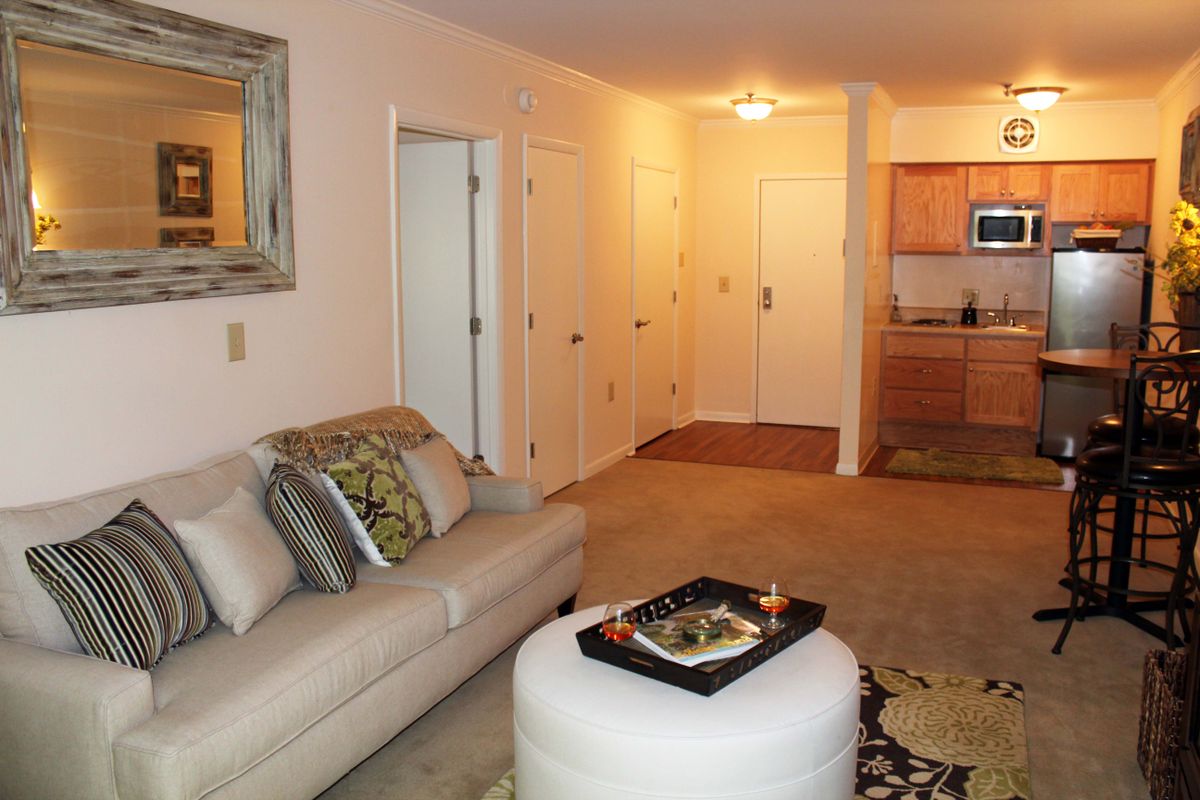
  • Kitchenette KitchenetteKitchenettes are important for seniors living in senior living communities because they provide the convenience and independence of being able to prepare simple meals and snacks in the comfort of their own living space. This can help promote a sense of autonomy and well-being for seniors, allowing them to maintain some level of control over their dietary choices and daily routines.
  • Move-in coordination Move-in coordinationMove-in coordination is important for seniors because it helps ease the transition into their new living environment. It ensures that all logistics, such as packing, organizing movers, and setting up utilities are taken care of, allowing seniors to focus on settling in and adjusting to their new home. Having a smooth move-in process can alleviate stress and anxiety, making the transition smoother and more enjoyable for seniors.
  • Outdoor space Outdoor spaceOutdoor spaces are important for seniors as they provide opportunities for physical activity, social interaction, exposure to natural light and fresh air, and a sense of connection to nature. Having access to outdoor spaces can improve overall well-being and quality of life for older adults living in senior communities.
  • Private bathrooms Private bathroomsPrivate bathrooms are important for seniors in senior living communities because they provide independence, dignity, and comfort. Having a private bathroom allows seniors to maintain their personal hygiene routines without the need for assistance, promoting a sense of autonomy and privacy. Additionally, private bathrooms help prevent the spread of infections and provide a safe and clean environment for seniors to navigate safely.
  • Wi-Fi/high-speed internet available Wi-Fi/high-speed internet availableWi-Fi/high-speed internet is important for seniors to stay connected with loved ones, access online resources, and participate in virtual activities to combat feelings of loneliness and isolation. It also allows them to easily manage healthcare needs, access entertainment, and engage in lifelong learning opportunities.

Transportation

  • Community operated transportation Community operated transportationCommunity operated transportation is crucial for seniors as it provides them with the means to access essential services, social activities, and medical appointments. It allows seniors to maintain their independence and quality of life by ensuring they can participate in activities outside of their homes. Additionally, community-operated transportation services offer a safe and reliable way for seniors to travel without having to rely on family or friends for assistance.
  • Transportation arrangement Transportation arrangementTransportation arrangements are crucial for seniors as they may face challenges with driving, mobility, or access to public transportation. Having reliable transportation services ensures that seniors can easily attend appointments, social activities, and maintain their independence and quality of life.
  • Transportation arrangement (non-medical) Transportation arrangement (non-medical)Transportation arrangements are essential for seniors as they provide access to essential services, activities, and social interactions outside the home. This service helps maintain independence, mobility, and overall well-being for seniors who may have limited transportation options.

Care Services

  • 24-hour call system 24-hour call system24-hour call systems are important for seniors because they provide peace of mind and immediate assistance in case of emergencies. This technology ensures that help is always available, promoting safety and security for elderly individuals living alone or in assisted living facilities.
  • 24-hour supervision 24-hour supervision24-hour supervision is important for seniors to ensure their safety, well-being, and access to immediate assistance in case of emergencies or health issues. This constant support provides peace of mind for both seniors and their loved ones, allowing them to age in place with dignity and security.
  • Activities of daily living assistance Activities of daily living assistanceActivities of daily living assistance are important for seniors because they provide essential support with tasks such as eating, bathing, dressing, and mobility. This assistance helps seniors maintain their independence, dignity, and overall quality of life as they age.
  • Assistance with bathing Assistance with bathingAssistance with bathing is crucial for seniors as it helps maintain personal hygiene, prevents infections, and ensures their overall well-being and comfort. It also provides a sense of dignity and independence for seniors who may struggle with this task on their own.
  • Assistance with dressing Assistance with dressingAssistance with dressing is important for seniors because it helps maintain their independence, promotes personal hygiene, prevents accidents and injuries, and improves overall quality of life. This service ensures that seniors can continue to dress comfortably and confidently, despite any physical limitations they may have.
  • Assistance with transfers Assistance with transfersAssistance with transfers is crucial for seniors as it helps prevent falls and injuries, maintains their independence, and ensures they can safely navigate their living environment. It also provides peace of mind for both seniors and their loved ones.
  • Diabetes diet Diabetes dietA diabetes diet is crucial for seniors as it helps manage blood sugar levels, reduce risks of complications, and improve overall health and well-being. By following a balanced and nutritious diet tailored to their specific needs, seniors can better control their diabetes and enhance their quality of life.
  • Meal preparation and service Meal preparation and serviceMeal preparation and service are crucial for seniors as they may have limited mobility or energy to cook nutritious meals. Having access to healthy and convenient food options can ensure they are getting the proper nutrition needed to maintain their overall health and well-being.
  • Medication management Medication managementMedication management is crucial for seniors to ensure they are taking the right medications at the correct dosages and times. This helps prevent adverse drug interactions, reduces the risk of medication errors, and promotes overall health and well-being. Proactive management also allows for adjustments as needed based on changing health conditions or new prescriptions.
  • Special dietary restrictions Special dietary restrictionsSpecial dietary restrictions are important for seniors because age-related changes in metabolism and health conditions can make it difficult for their bodies to process certain foods. By following a diet tailored to their specific needs, seniors can maintain their overall health and well-being, manage chronic conditions, and reduce the risk of complications such as malnutrition or food interactions with medications.

Dining

  • Diabetes diet Diabetes dietA diabetes diet is crucial for seniors as it helps manage blood sugar levels, reduce risks of complications, and improve overall health and well-being. By following a balanced and nutritious diet tailored to their specific needs, seniors can better control their diabetes and enhance their quality of life.
  • Special dietary restrictions Special dietary restrictionsSpecial dietary restrictions are important for seniors because age-related changes in metabolism and health conditions can make it difficult for their bodies to process certain foods. By following a diet tailored to their specific needs, seniors can maintain their overall health and well-being, manage chronic conditions, and reduce the risk of complications such as malnutrition or food interactions with medications.

Activities

  • Community-sponsored activities Community-sponsored activitiesCommunity-sponsored activities are important for seniors as they provide opportunities for social interaction, mental stimulation, and physical activity. These activities can help improve overall well-being, combat loneliness and isolation, and promote a sense of belonging and purpose among older adults.
  • Fitness programs Fitness programsFitness programs are crucial for seniors as they help improve strength, flexibility, balance, and overall well-being. Staying active can reduce the risk of chronic diseases, improve mental health, and enhance quality of life in older adults.
  • Resident-run activities Resident-run activitiesResident-run activities are important for seniors as they encourage social interaction, creativity, and a sense of autonomy. These activities empower seniors to stay engaged and active in their community while fostering meaningful connections with their peers.
  • Scheduled daily activities Scheduled daily activitiesScheduled daily activities are important for seniors because they provide structure, socialization, mental stimulation, and physical activity. Engaging in regular activities can improve overall well-being and quality of life for seniors living in a community setting.

Description

Warm Hearth Village in Blacksburg, VA is a vibrant and inclusive assisted living community offering a range of care services to cater to individual needs. As a Continuing Care Retirement Community (CCRC), residents can transition seamlessly through different levels of care as their needs change over time. The community also provides Independent Living, Memory Care, and Respite Care options.

Residents at Warm Hearth Village enjoy numerous amenities designed to enhance their quality of life. With access to cable or satellite TV, high-speed internet, and community-operated transportation, they can stay connected and engaged with the world outside. The fully furnished accommodations provide comfort and convenience, while the inclusion of private bathrooms and kitchenettes allow for personalization and independence. Housekeeping services ensure a clean and tidy living environment for all residents.

At Warm Hearth Village, the wellbeing of residents is paramount. The highly trained staff offers 24-hour supervision and assistance with activities of daily living such as bathing, dressing, and transfers. Medication management ensures that medications are properly administered according to each individual's needs. Special dietary restrictions are accommodated to promote optimal health, including diabetes diets.

Socialization and engagement are key aspects of life at Warm Hearth Village. Fitness programs help residents maintain an active lifestyle, while resident-run activities encourage creativity and camaraderie among peers. Scheduled daily activities ensure there is always something exciting happening within the community.

The location of Warm Hearth Village also boasts convenient access to various amenities nearby. With multiple cafes, parks, restaurants, pharmacies, physicians' offices, places of worship, theaters, and hospitals in close proximity to the community, residents have plenty of opportunities for recreation and easy access to medical services.

Overall, Warm Hearth Village in Blacksburg, VA offers a warm and supportive environment where individuals can receive personalized care while enjoying an active lifestyle within a thriving community setting.

Nearby Places of Interest

Physicians

  • Christiansburg Internal Medicine (0.7 miles)
  • Montgomery OBGYN (0.7 miles)
  • Per Gunnar Brolinson DO (0.7 miles)
  • Southwest Virginia Orthopedic & Joint Specialist (0.7 miles)
  • Plastic Surgery Center of Virginia (0.8 miles)
  • Carilion Clinic Plastic And Reconstructive Surgery Blacksburg Blacksburg (0.8 miles)
  • LewisGale Physicians - Pediatrics (0.8 miles)

Pharmacies

  • Revivicor (0.7 miles)
  • Walgreens (2.4 miles)
  • Walmart Pharmacy (2.6 miles)
  • CVS Pharmacy (2.7 miles)

Hospitals

  • Respiratory Care Service (0.8 miles)
  • Montgomery Regional Hospital (0.8 miles)

Restaurants

  • El Mariachi (1 miles)
  • Bojangles' Famous Chicken 'n Biscuits (1.2 miles)
  • Frank Theatres CineBowl & Grille (1.4 miles)
  • Bull & Bones Brewhaus & Grill (1.5 miles)
  • Wendy's (1.5 miles)
  • Zoe's Kitchen (1.5 miles)
  • Lefty's Main Street Grille (1.6 miles)

Cafes

  • Starbucks (1.5 miles)
  • Cafe Mekong (1.7 miles)
  • Our Daily Bread (1.7 miles)
  • Panera Bread (2.1 miles)
  • Starbucks (2.1 miles)
  • Idego Coffee (2.2 miles)
  • Mill Mountain Coffee and Tea (2.6 miles)

Parks

  • Nellies Cave Park (1.7 miles)
  • Wong Park (2.6 miles)
  • Hand In Hand Park (3.1 miles)
  • Caboose Park (3.1 miles)

Theaters

  • Regal New River Valley & RPX (2.4 miles)

Places of Worship

  • Unitarian Universalist Congregation (2.9 miles)
  • Belmont Christian Church (3.1 miles)

Frequently Asked Questions

Where is Warm Hearth Village?
Does Warm Hearth Village provide care for residents with dementia or Alzheimer's disease?

Nearby Communities

  • Trolinger-New River House Apts

    Trolinger-New River House Apts

    Blacksburg, VA

    5 from 3 reviews
     

    pro Strong nearby amenities: dining, parks, pharmacies, doctors, and hospitals.
  • Warm Hearth Health Care Ctr

    Warm Hearth Health Care Ctr

    Blacksburg, VA

    4.6 from 11 reviews
     

    pro Abundant nearby amenities and medical access.

  • The Wybe & Marietje Kroontje Health Care Center

    The Wybe & Marietje Kroontje Health Care Center

    Blacksburg, VA

    3.5 from 10 reviews
     

    pro Convenient location for family visits with on-site rehab and attentive staff.

  • Showalter Center

    Showalter Center

    Blacksburg, VA

    3.6 from 5 reviews
     

    pro Comprehensive multi-level care on a single campus with extensive on-site amenities.

  • Heritage House

    Heritage House

    Blacksburg, VA


    pro Excellent access to nearby amenities and a peaceful setting.

  • The Crossings at Blacksburg

    The Crossings at Blacksburg

    Blacksburg, VA

    4.2 from 35 reviews
    $2,699 to $5,090 / month

    pro Clean, attractive environment with caring staff and engaging activities/dining.

  • Heritage Hall Blacksburg

    Heritage Hall Blacksburg

    Blacksburg, VA

    3.7 from 81 reviews
    $2,595 to $5,395 / month

    pro Caring staff with strong rehabilitation services.

  • Radford Health And Rehab Center

    Radford Health And Rehab Center

    Radford, VA

    4.1 from 119 reviews
     

    pro Caring staff, clean facility, proactive safety, and engaging rehab.

  • Snyder Nursing Home

    Snyder Nursing Home

    Salem, VA

    4.7 from 45 reviews
     

    pro Small, intimate facility enabling personalized, compassionate care.

Assisted Living in Nearby Cities

Related Resources

  • dementia stagesUnderstanding Dementia Through Its Seven Stages: A Comprehensive Look at Progression and Expectations

    Dementia encompasses a range of cognitive impairments characterized by types such as Alzheimer's and vascular dementia, and follows a seven-stage progression model known as the Global Deterioration Scale (GDS), highlighting varying symptoms and decline timelines. Early detection allows for lifestyle adjustments to potentially slow progression, while caregivers need support and resources to manage the challenges involved in caring for affected individuals.

  • dementia careA Holistic Dementia Care Guide: Effective Strategies for Memory Support
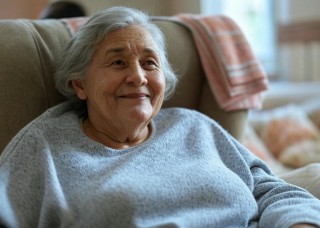
    The guide on holistic dementia care outlines the complexity of dementia and stresses the need for individualized caregiver strategies that include medical treatment, psychological support, and environmental adaptations, while emphasizing early detection, various therapeutic options, and caregiver support to enhance quality of life and maintain dignity.

  • dementia careMemory Care Pathways: A Holistic Guide to Dementia Support
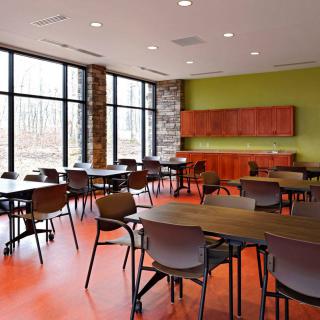
    "Memory Care Pathways: A Holistic Guide to Dementia Support" outlines the complexities of dementia and its various types, emphasizing early detection, patient-centered care strategies, caregiver support, and long-term care options while addressing legal and financial considerations to enhance the quality of life for individuals with dementia and their families.