

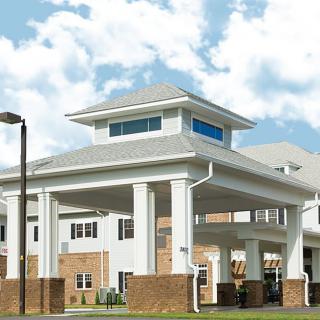
1060 Showalter Drive, Blacksburg, VA 24060
For more information about senior living options: (866) 208-4318
Overall Review of Showalter Center
Pros
 The nursing staff under Larissa DON were very good.
- The nurses were extremely supportive and talked her through her sadness.
- The restaurant staff at Showalter knew her name and were very kind.
- The family felt blessed to have had such thoughtful care for their mom.
- English Meadows staff were extremely helpful, warm, and supportive.
- They did backflips to ensure a smooth process for the family.
- The staff at English Meadows were immediately responsive to calls or messages and always pleasant and positive in their interactions.
- Warm Hearth has a great reputation in town.
- The staff were very helpful and welcoming.
- They provided meals to her room when she couldn't get to the dining facility.
- They assisted her with showering, tidying her apartment, installing TV and art on the walls, taking her on errands, and providing hair care and pedicure services.
Cons
 The facility is not really an assisted living facility; it is more like independent living with an onsite restaurant/dining room.
- The staff were not very helpful and were rather rude to the family.
- They could not get clear information about when the lease would begin or when the mother could move in.
- The administrator was not responsive to messages.
- The room was still under construction upon arrival for move-in.
- The administrator claimed the renovation situation was out of her hands and that she had no control over it.
- Belongings had to sit on the street for several days waiting for the room to be ready.
- They were told the lease would begin weeks before the date the deposit had been paid.
- Warm Hearth did not appear to be the best place for their elders, despite its reputation.
Review
Showalter Center in Blacksburg is best suited for families that want solid nursing oversight and a warm, dining-forward living environment within a setting that leans toward independent living rather than a strict, all-inclusive assisted-living model. The core strength is clinical stability paired with genuine, day-to-day kindness. The nursing staff, led by Larissa DON, earned steady praise for patience, clear explanations, and steady emotional support as a loved one faced growing challenges. The on-site dining team reinforces a homey feel, servers know residents by name and meals are delivered with consistent warmth. For families navigating a difficult rehab-to-home transition, this combination can be a real anchor. But the model assumes a largely independent resident who will request or accept assistance rather than expect it as a given, which means administrative gaps and onboarding hiccups can complicate an already stressful process.
Who may want to consider alternatives? Those prioritizing a true, all-inclusive assisted-living experience with proactive onboarding, transparent lease terms, and consistently responsive management may want to look elsewhere. The most frequently cited red flags involve communication and logistics: slow or missing responses from leadership, uncertain move-in dates, and a move-in process that left belongings sitting outside while renovations finished. In practice, families report smoother onboarding and more hands-on support at other communities. English Meadows is repeatedly praised for warmth, rapid coordination, and a seamless transition, while Warm Hearth carries a strong, locally trusted reputation. If the priority is a friction-free transition and clearly defined service levels, Showalter’s current operating gaps are a legitimate reason to shop around.
On balance, the tangible benefits, empathetic nursing care, a welcoming dining environment, and staff warmth, offset many concerns, but not all. The nursing team’s steadiness can ease anxiety for families when a loved one’s mood or cognition shifts, and the dining atmosphere provides daily social value that reinforces dignity and routine. Several reviewers captured the human side well, describing the facility as awesome and the staff as helpful and welcoming in moments of need. Yet, the administrative gaps and unclear timelines color the overall impression. For households where a loved one can benefit from stable clinical attention while managing most daily tasks, the net value remains favorable, but it is not a guarantee and it is not immune to organizational misfires.
An important nuance is the facility’s orientation toward independence. Showalter is not pitched as a full-service campus; it operates with more independent living dynamics, supplemented by an onsite dining room. That matters because practical day-to-day supports may require proactive requests rather than automatic provisioning. The reviews reflect a mixed picture: when staff steps in, they provide meaningful ADL assistance, meals delivered to rooms when mobility is limited, help with showering, tidying the apartment, even installations of TV and artwork, and occasional errands or personal care services. But this level of help is uneven and often depends on the day or the particular staff member. For a resident who values social dining and knows how to navigate channels for support, the arrangement can work; for someone who needs predictable, built-in daily care, it raises questions about consistency.
Move-in logistics emerge as the most destabilizing fault line. The strongest negative experiences center on an administrator who seemed hard to reach, with unclear lease timing and a sense that renovations delayed readiness. Families paid a deposit only to discover the room was not yet ready, and the move-in date stretched beyond expectations. Such episodes erode trust and create immediate practical headaches during an already stressful transition. Prospective residents should insist on a firm, written move-in date, a detailed service plan, and a single point of contact who will be accountable for timelines. Verifying commitments in writing and aligning them with the actual move-in is essential before signing. Bring a copy of the renovation timeline and require a concrete definition of “ready” to avoid a repeat of the disruption seen in past experiences.
In summary, Showalter Center offers a credible option for families prioritizing compassionate nursing care, a warm dining culture, and a staff capable of meaningful daily support within a setting that emphasizes independence. The major caveat is operational reliability: administrative responsiveness and onboarding clarity can sag, and for households needing robust daily assistance, alternatives with stronger move-in processes and more explicit care packages may be preferable. The prudent path is a thorough campus visit, conversations with the nursing leadership and dining team, and careful reference checking, especially with families who recently navigated a move-in. When care needs are moderate and the value of a homey, restaurant-inflected environment matters, Showalter can be a strategic fit. If guaranteed onboarding and comprehensive ADL support are non-negotiable, benchmark against other local options and let those comparisons drive the final decision.
 90 resident community capacity
 Assisted Living
 Independent Living
 Skilled Nursing Facility
 Activities on-site
 Air-conditioning
 Beauty salon
 Cable or satellite TV
 Computer center
 Devotional services off-site
 Dining room
 Fitness room
 Fully furnished
 Gaming room
 Garden
 Housekeeping services
 Indoor common areas
 Kitchenette
 Move-in coordination
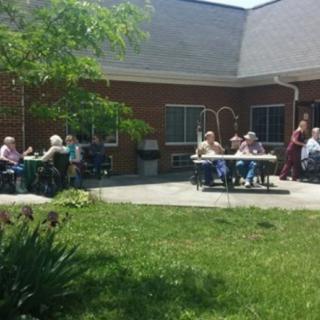
 Outdoor space
 Private bathrooms
 Restaurant-style dining
 Small library
 Telephone
 Wellness center
 Wi-Fi/high-speed internet available
 Community operated transportation
 12-16 hour nursing
 24-hour call system
 Ambulatory care
 Assistance with bathing
 Assistance with dressing
 Assistance with transfers
 Diabetes diet
 Diabetic care
 High acuity care
 Medication management
 Mental wellness program
 Special dietary restrictions
 Concierge services
 Planned day trips





 Social Security Benefits and Assisted Living: Navigating Options Across the U.S.
 An Extensive Exploration of the VA Aid and Attendance Benefit
 Senior Transition Services: Understanding Their Role, Cost, and Importance