The Crossings at Blacksburg

Save

  • Interior

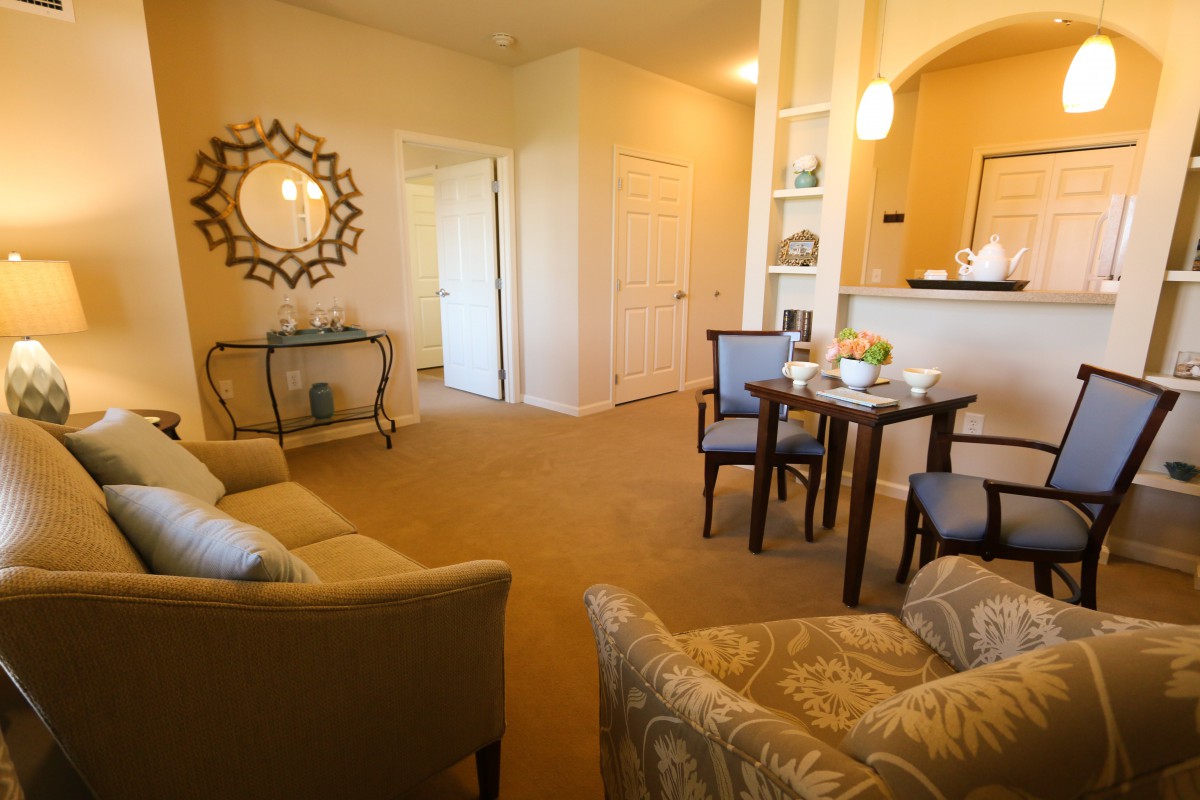
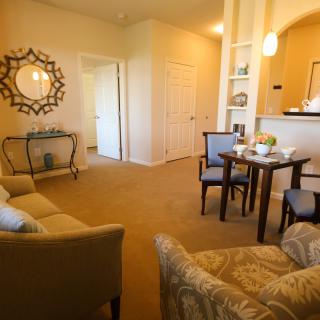
    Cozy living and dining area with elegant furniture and decor.
  • Outdoors

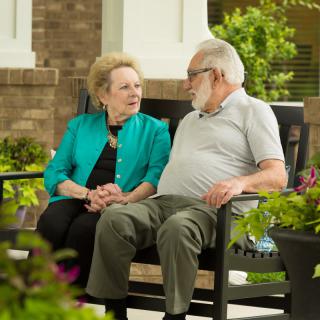
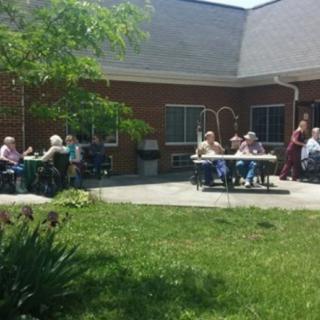
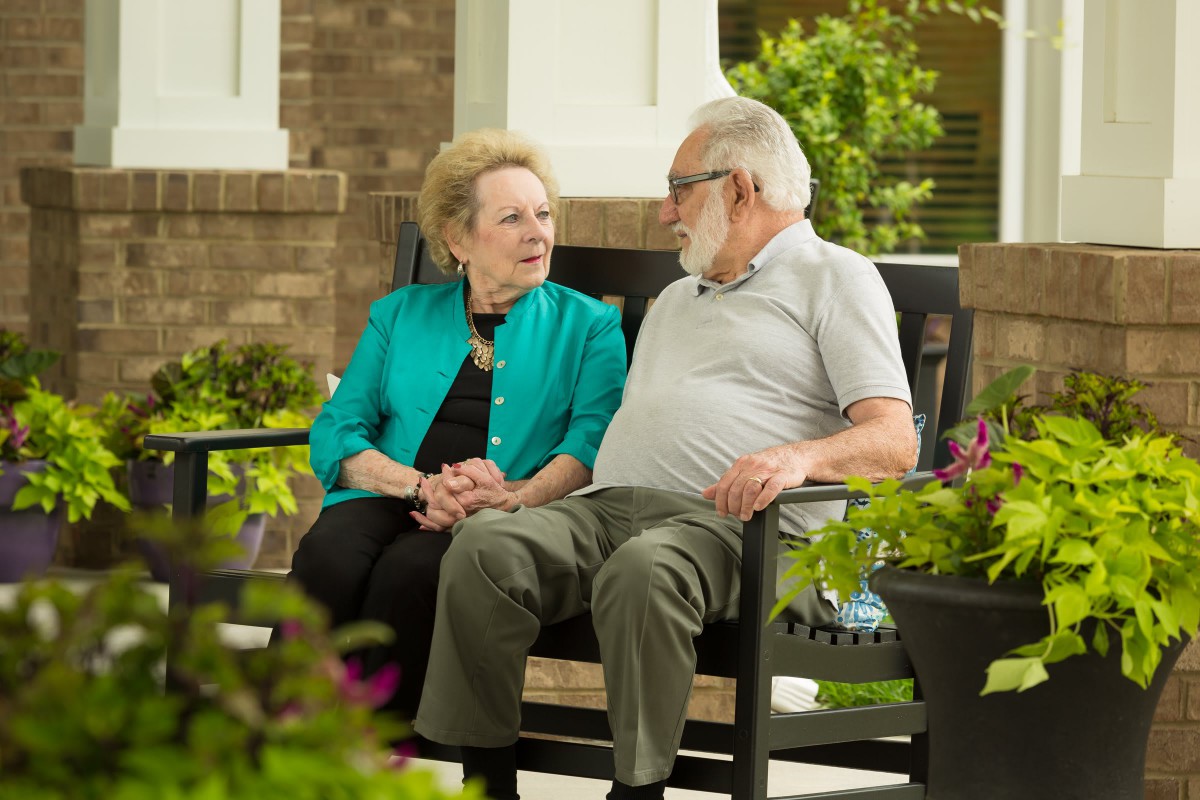
    An elderly couple sitting on a bench having a conversation in a garden setting.
  • Decor

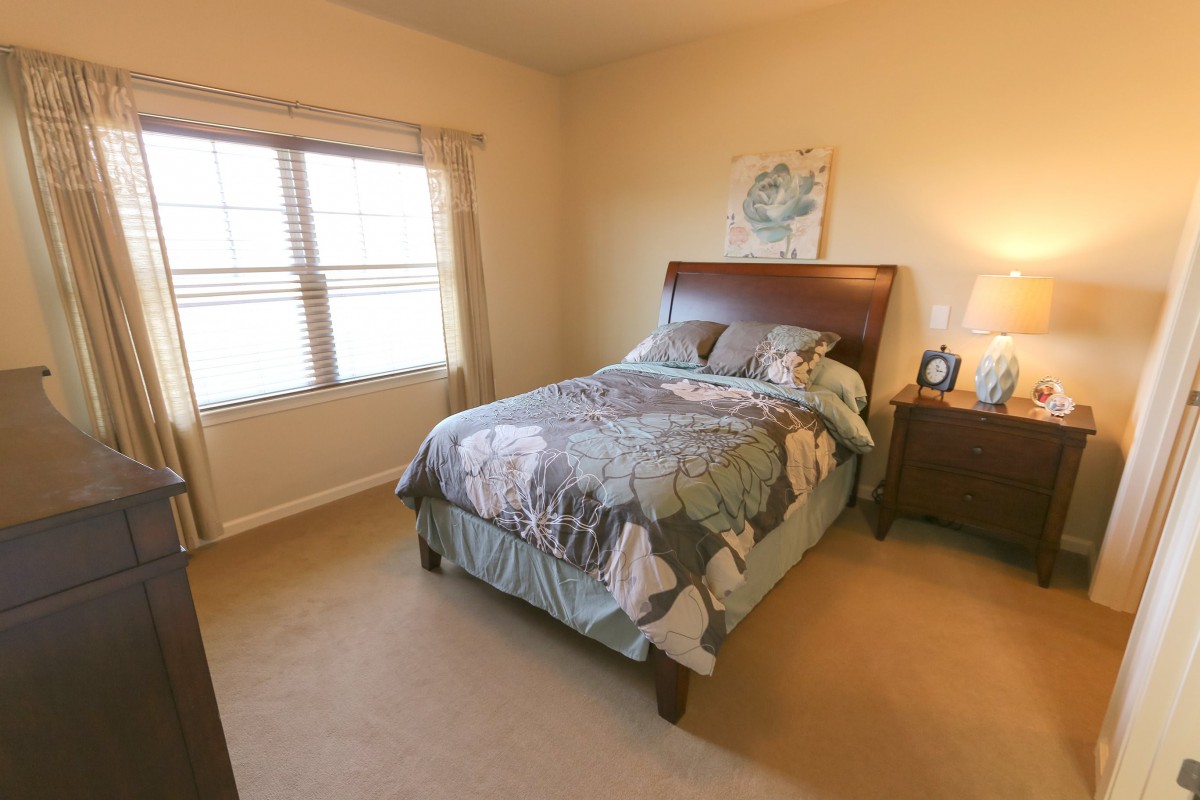
    A cozy bedroom with a neatly made bed and natural light from the window.
  • Living Room

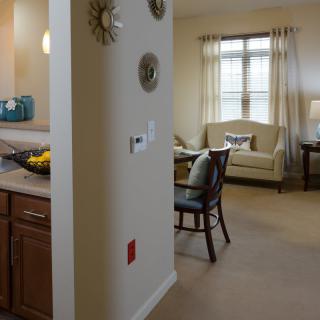
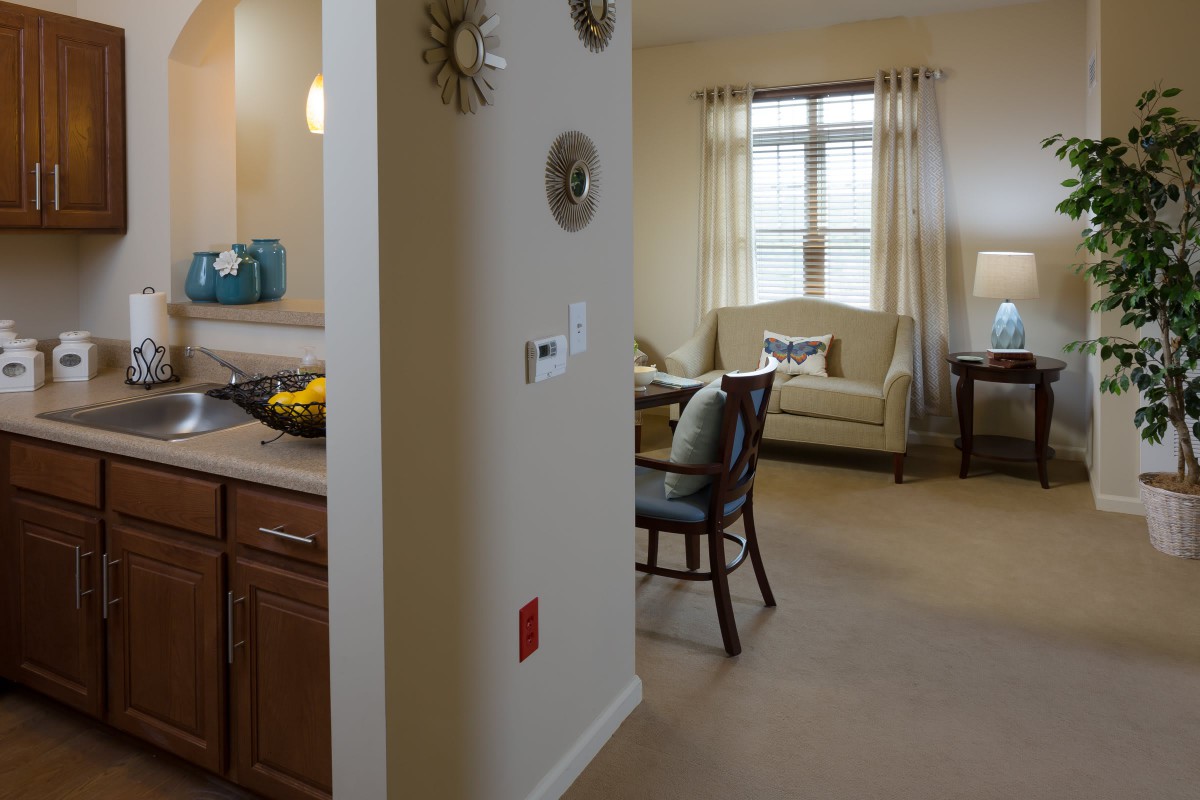
    A modern apartment interior featuring an open kitchen and cozy living room with stylish decor.
  • Building

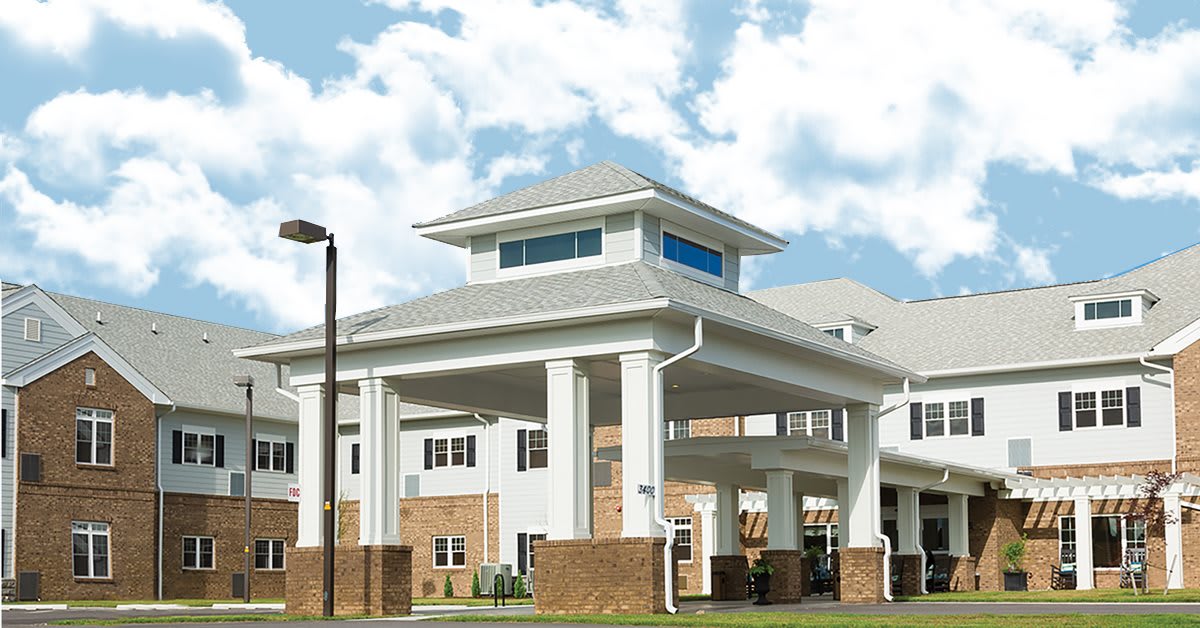
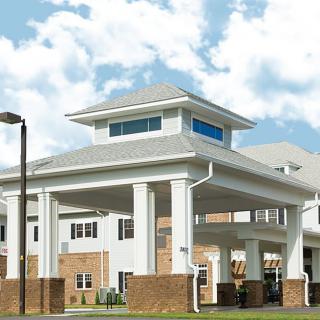
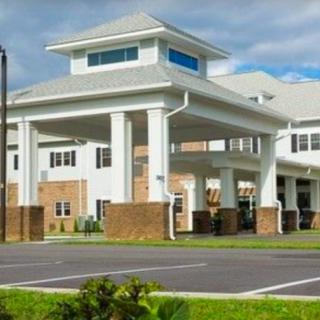
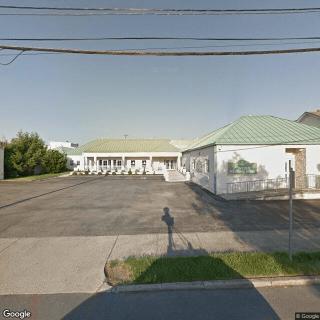
    A modern residential building with a large covered entrance and a clear blue sky.
  • Bedroom

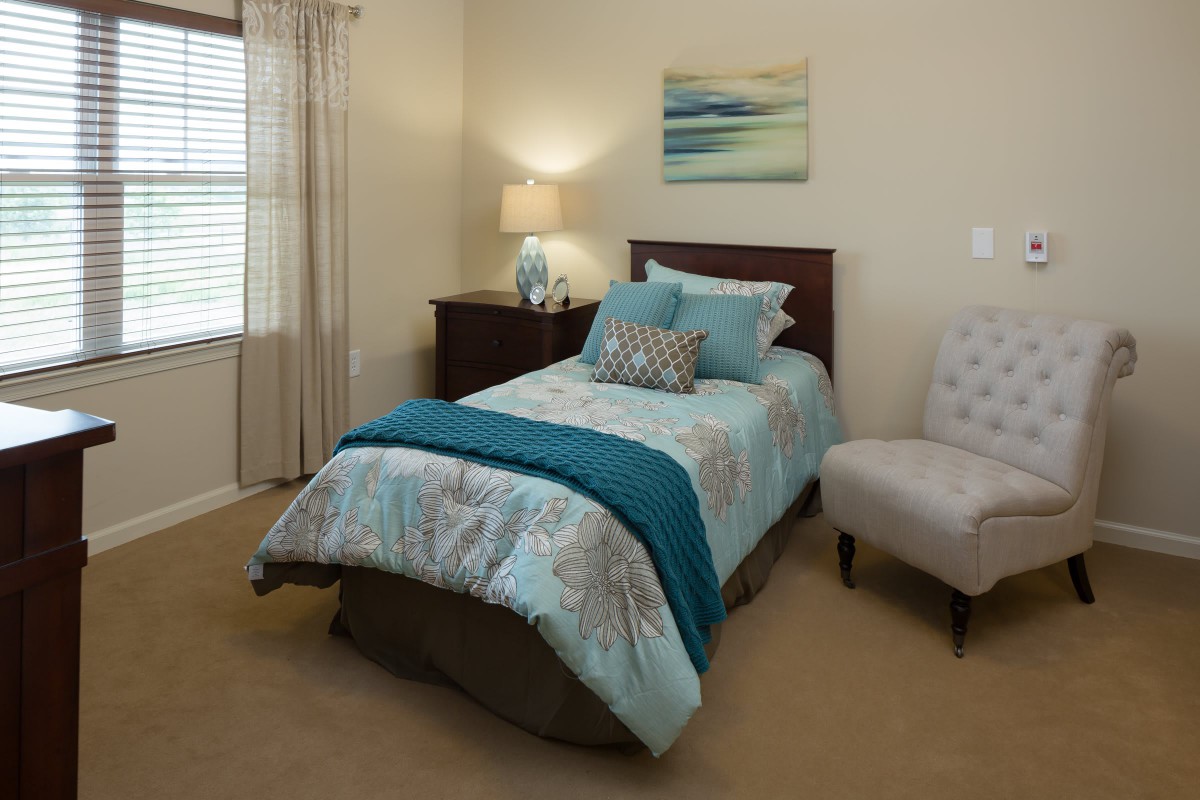
    A cozy bedroom with a single bed, decorative bedding, and soft lighting.
  • Dining

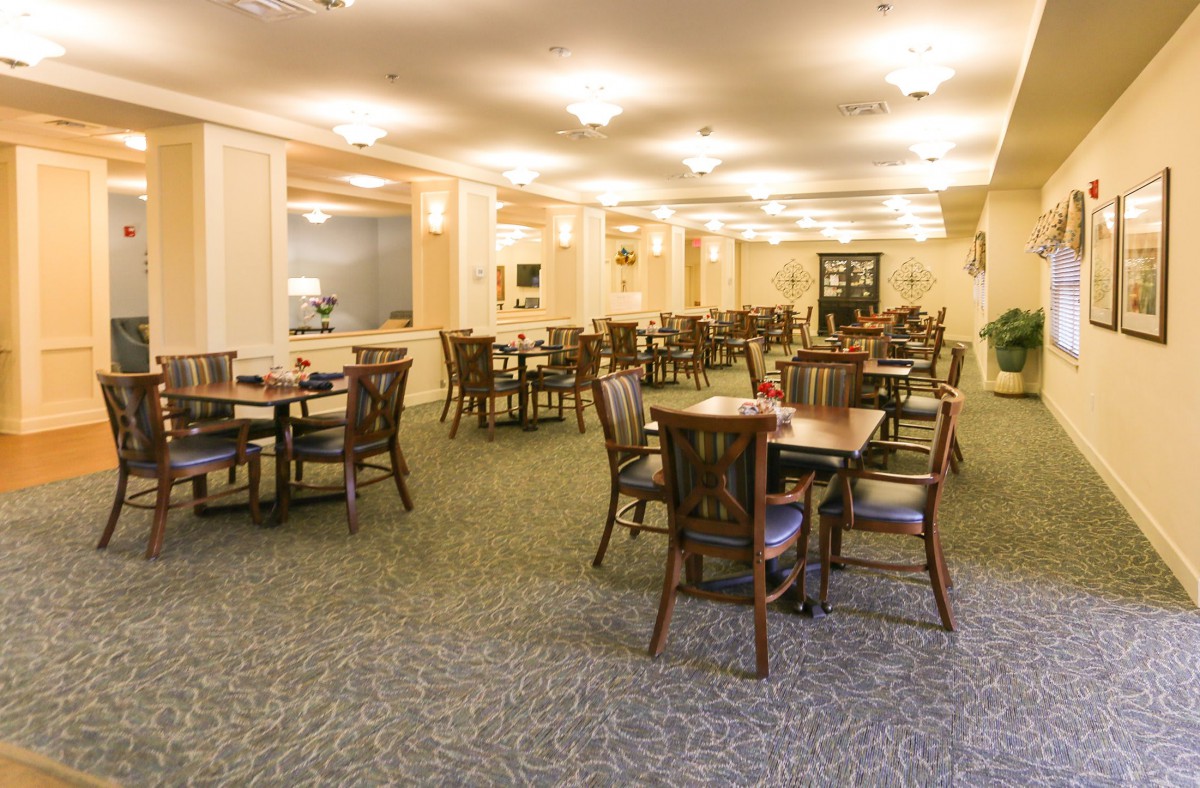
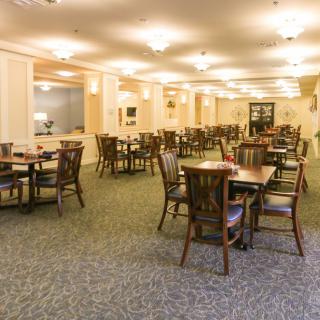
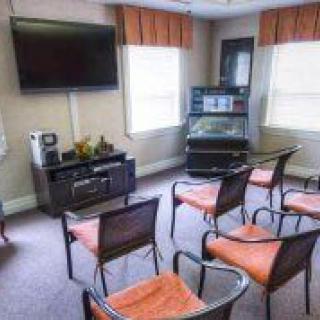
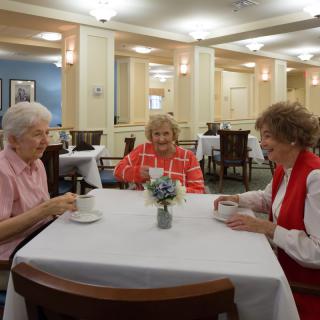
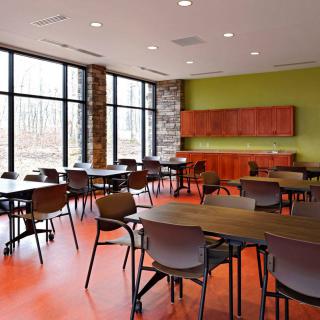
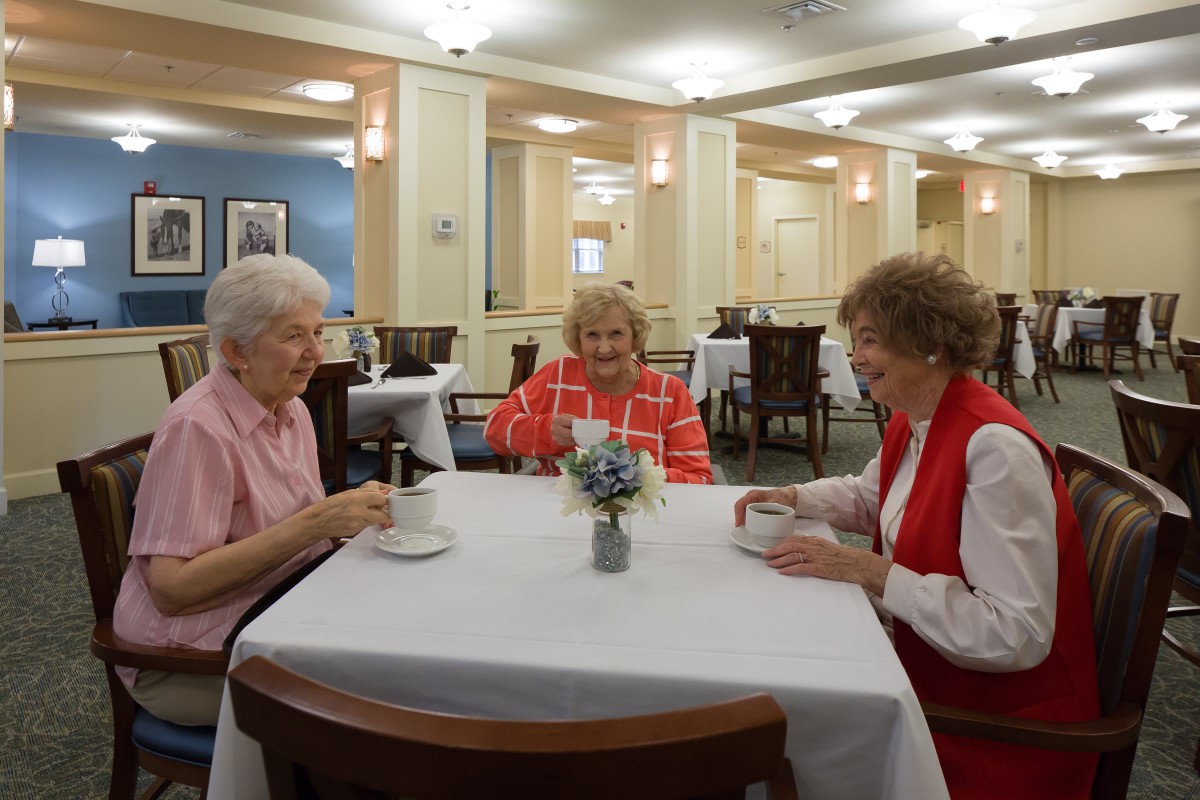
    A spacious dining area with multiple tables and chairs arranged neatly, featuring carpeted flooring and warm indoor lighting.
  • Fireplace

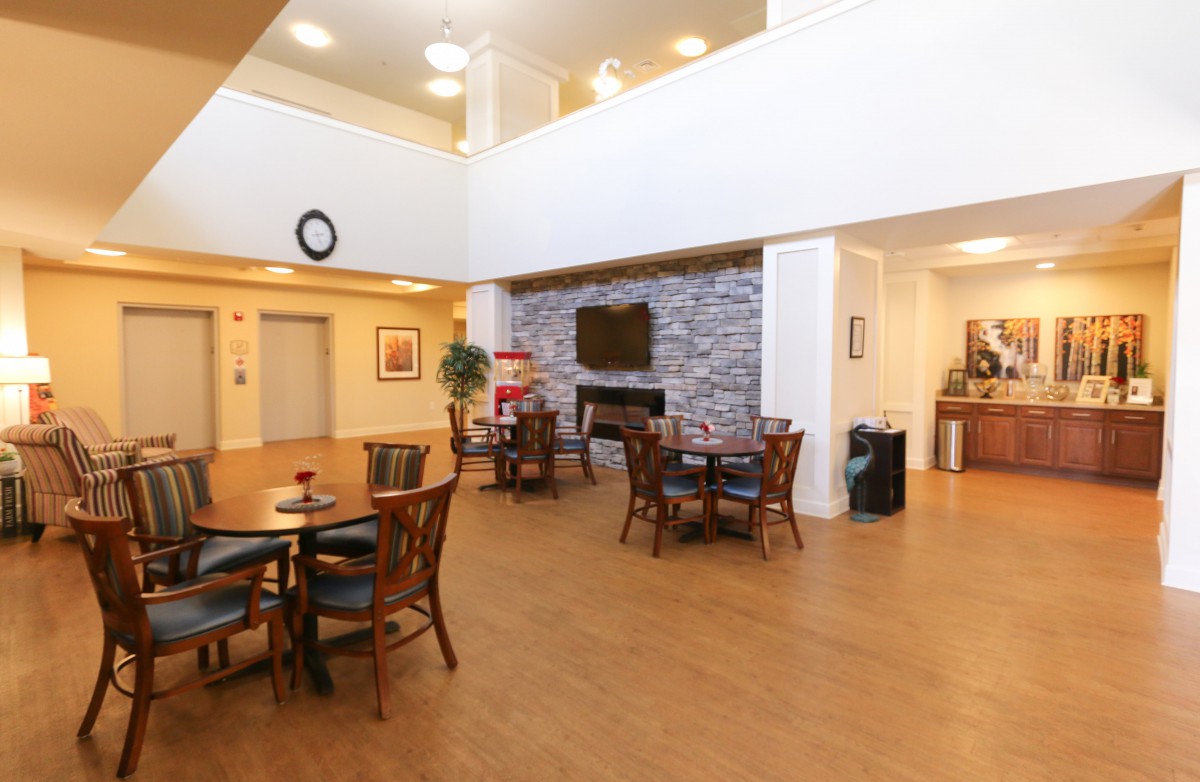
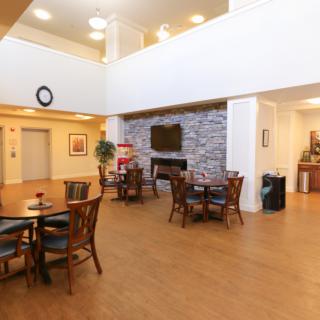
    Spacious lobby area with seating and a fireplace.
  • Exercise Equipment

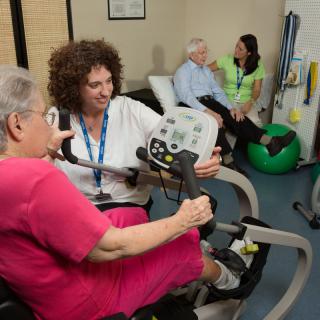
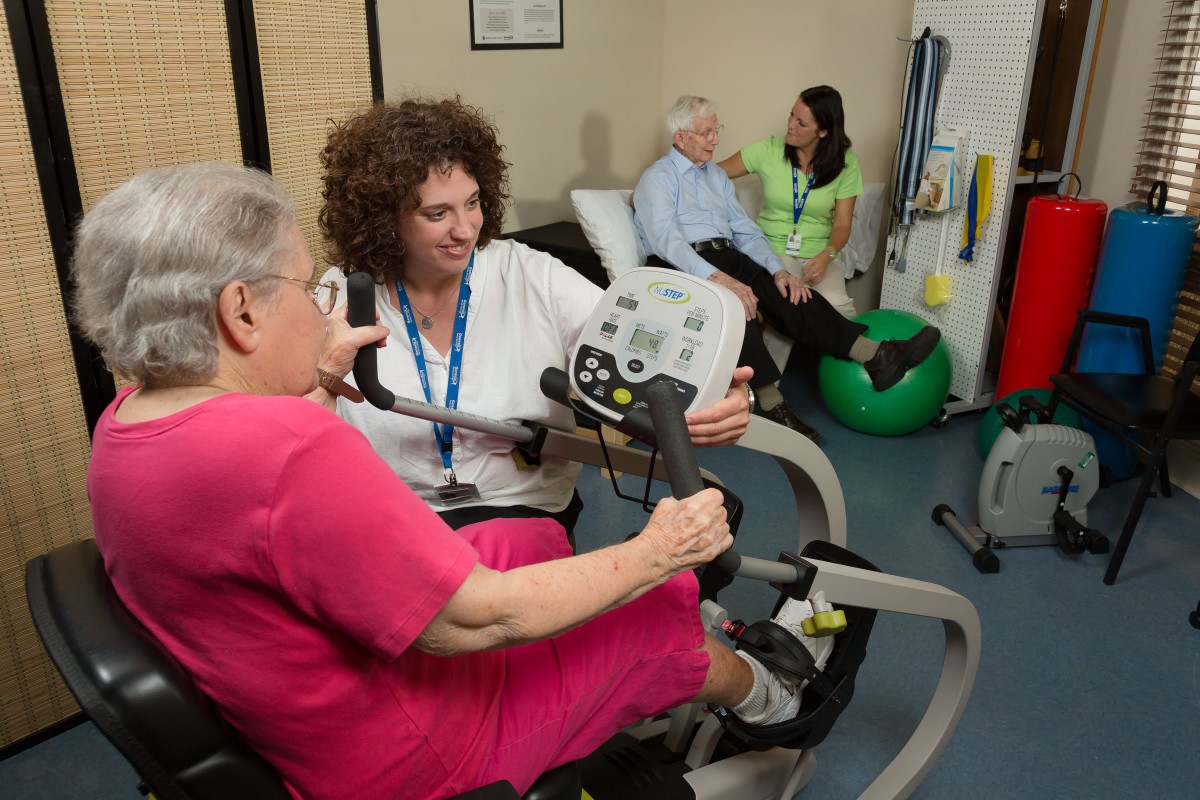
    A healthcare professional assists a senior woman with exercise equipment in a therapy session, while another pair engages in conversation in the background.

The Crossings at Blacksburg

3400 S Pointe Dr, Blacksburg, VA 24060

For more information about senior living options: (844) 490-3973

4.2 from 35 reviews
5 stars
27
4 stars
0
3 stars
1
2 stars
1
1 stars
6

Assisted Living Memory Care

The Crossings at Blacksburg Costs & Pricing

The Crossings at Blacksburg offers competitive pricing for its residential options, reflecting the local and state market conditions. For instance, their studio apartments are priced at $2,699 per month, which is slightly above Montgomery County's average of $2,647 but significantly lower than the state average of $4,436. Similarly, their semi-private rooms are aligned with Montgomery County at $3,320 yet still more affordable than the average cost of $3,991 in Virginia. The one-bedroom units are offered at $3,900, closely mirroring the county's rate of $3,898 while remaining lower than the state's average of $4,257. Finally, for those seeking more space, two-bedroom accommodations at The Crossings are set at $5,090 - matching Montgomery County's pricing but exceeding Virginia's average of $4,602. Overall, The Crossings provides a range of options that cater to varying budgets while maintaining an appealing balance between affordability and quality care within the local context.

Floor plansThe Crossings at BlacksburgMontgomery CountyVirginia
Studio$2,699$2,647$4,436
Semi-Private$3,320$3,320$3,991
1 Bedroom$3,900$3,898$4,257
2 Bedrooms$5,090$5,090$4,602

What level of care are you interested in?

Assisted Living

Memory Care

Independent Living

Skilled Nursing Facility

Continuing Care Retirement Community (CCRC)CCRC

Other


Request a tour at The Crossings at Blacksburg

    Overall Review of The Crossings at Blacksburg

    Pros

    • pro The staff at English Meadows are wonderfully friendly, warm, and welcoming.
    • pro The administrator Matt is sincere and hard-working to ensure all residents are well cared for.
    • pro Lea, the ADON, is amazing and truly keeps residents' needs in mind.
    • pro Blacksburg Campus feels like family and is warm and welcoming.
    • pro The environment is great, with smiling faces and staff who are always willing to help.
    • pro Memory care residents are cherished and well cared for.
    • pro The staff are friendly, empathetic, and caring.
    • pro The facility is well kept, clean, and the residents seem happy.
    • pro The Crossings' care team works well together and is dedicated to serving every resident.
    • pro The Crossings offers a team-focused approach, delivering exceptional care 24/7.
    • pro The atmosphere at The Crossings is relaxing and inviting, with a warm welcome at the door.
    • pro Farm-to-table dining is a valued feature of the community.

    Cons

    • pro The facility suffers from terrible management and obvious stress on staff, with children running around throwing toys and yelling, undermining peace and quiet.
    • pro Residents are being overcharged with monthly random charges and threats of late fees, tied to an opaque corporate accounting department.
    • pro A respite stay ended poorly, with a resident left injured and unattended.
    • pro The Crossings at Blacksburg experiences extremely poor healthcare service, chronic CNA shortages, and long call-light wait times (40?75 minutes).
    • pro Management turnover is high and there are allegations of favoritism, with leaders prioritizing family members over other staff and providing uneven support across shifts.
    • pro Chronic understaffing leads to insufficient care for residents and concerns about pay and retention.
    • pro The facility's layout may not be optimal for some residents, hindering immediate social contact.
    • pro One reviewer described The Crossings as being on an extreme downhill fall, signaling overall decline.

    Review

    The Crossings at Blacksburg is best suited for families seeking a warm, village-like assisted living experience where a cohesive, hands-on care team and welcoming atmosphere are the core strengths. Residents who benefit from visible staff engagement, robust social and activity programming, and a sense of community will likely feel at home here. The facility's memory-care emphasis and emphasis on a team approach to daily care also make it attractive for families with a loved one who benefits from consistent, personable interaction and a dining culture described as "farm to table." For buyers who want a newer-looking environment with clean, inviting spaces and a proactive staff, this community checks many practical boxes.

    That said, some families may want to consider alternatives if certain realities become deciding factors. Those who require predictable, frictionless billing and a transparent financial process will want to scrutinize the billing experience closely. Several reviews recount monthly charges, disputes, and management turnover that can create anxiety around the bill after move-in. If quiet, low-stress surroundings are paramount, or if a residents' environment needs to be consistently peaceful with minimal interruptions, the presence of children in common areas and occasional claims of staff stress may be a deterrent. Prospective residents should also weigh the risk of management shifts and the associated impact on day-to-day operations.

    The strongest pros center on the personal qualities of the care team and the culture of the building. Staff are repeatedly described as caring, friendly, and genuinely engaged with residents, and the leadership is noted as down-to-earth and responsive to residents' needs. Families praise the sense of belonging - a real feeling of "village" where residents imagine themselves among friends who know their names. The care philosophy - team-based, 24/7 attention - helps ensure that residents receive daily assistance and companionship, which often translates into improved mobility and mood for those who respond to active, staff-driven programming. Clean facilities, welcoming common spaces, and well-executed dining contribute to a generally positive living experience that many reviewers highlight as a standout factor.

    Even with these strengths, several consequential cons recur in the reviews and cannot be ignored in a decision. Understaffing and high turnover in some shifts can strain caregivers and affect response times, with one account describing call-light responses stretching into tens of minutes. Management inconsistencies and reports of favoritism or drastic leadership changes generate uncertainty about long-term stability. Billing concerns, including disputed charges and complaints about the accuracy and responsiveness of corporate accounting, create real friction for families paying for care. Food quality, while praised in some visits, is criticized in others, signaling that culinary consistency may vary by day and shift. Finally, a troubling incident during respite care and comments about noise and less-than-ideal quiet may matter to families seeking a calmer environment.

    For families evaluating options, approach this decision with a practical, evidence-driven checklist. Plan a candid meeting with the administrator to discuss staffing models, turnover rates, and how care plans are monitored and updated. Request current staffing ratios by shift for memory care and non-memory-care units, and ask for examples of how call-light delays are managed. Review the billing workflow, request a written explanation of fees, and obtain recent examples of monthly statements. Talk to several families with loved ones in different levels of care to gauge consistency across shifts. Finally, tour the dining areas, observe meal quality over several days, and ask to sample menus. If these factors align with a family's tolerance for variability, The Crossings at Blacksburg remains a credible option worth strong consideration.

    In the end, The Crossings at Blacksburg delivers genuine warmth, a strong community feel, and a care team that appears deeply invested in residents' well-being. It works best for families who can overlook occasional management turbulence and billing quirks in exchange for a lively, engaged environment where staff know residents well and daily life feels deliberately social and supportive. Those prioritizing steadier leadership, transparent, error-free billing, and near-perfect quiet may find more consistent alignment elsewhere. The right decision hinges on the weight given to personal connection and activity-rich living versus the importance of financial clarity and absolute consistency in care delivery.

    Features

    Housing

    • 110 resident community capacity 110 resident community capacity

    Types of Care

    • Assisted Living Assisted LivingAssisted living facilities provide crucial support and care for seniors who may need help with daily tasks such as medication management, bathing, and meal preparation. These communities offer a safe and comfortable environment where seniors can maintain their independence while receiving the assistance they need to thrive in their golden years.
    • Memory Care Memory CareMemory care is crucial for seniors as it provides specialized support and services for individuals with dementia or Alzheimer's disease. These programs offer a safe and secure environment where residents receive personalized care, cognitive stimulation, and help with daily activities. Memory care helps seniors maintain their independence, quality of life, and dignity while also providing peace of mind for their families.

    Amenities

    • Activities off-site Activities off-siteEngaging in off-site activities is crucial for seniors to maintain social connections, stay active, and stimulate their minds. It promotes overall well-being and helps combat feelings of isolation and loneliness.
    • Activities on-site Activities on-siteActivities on-site are important for seniors because they provide opportunities for socialization, mental stimulation, physical activity, and overall well-being. Engaging in activities can help seniors stay active, maintain their independence, and improve their quality of life.
    • Air-conditioning Air-conditioningAir conditioning is important for seniors as they are more vulnerable to heat-related illnesses and may have underlying health conditions that make it difficult for them to regulate their body temperature. It helps to keep them comfortable, safe, and healthy in hot weather.
    • Beautician on-site Beautician on-siteHaving a beautician on-site at a senior living community is important for seniors as it allows them to easily access grooming and personal care services, boosting their self-esteem and overall well-being. It also provides convenience and helps seniors maintain their sense of independence and personal style.
    • Beauty salon Beauty salonBeauty salons are important for seniors because they provide a space for them to feel pampered, socialize, and maintain their personal grooming and hygiene. Regular visits to a beauty salon can help boost seniors' self-esteem and overall well-being.
    • Cable or satellite TV Cable or satellite TVCable or satellite TV is important for seniors because it provides entertainment, news, and companionship, helping to combat loneliness and boredom. It also offers a wide range of programming options tailored to different interests and preferences.
    • Computer center Computer centerA computer center is essential for seniors as it provides access to technology, communication tools, and resources that can enhance their daily lives. It allows them to stay connected with loved ones, engage in online activities, and learn new skills, ultimately promoting socialization and mental stimulation.
    • Devotional services off-site Devotional services off-siteDevotional services off-site are important for seniors as they provide spiritual nourishment, social engagement, and a sense of community outside of the senior living facility. This can enhance overall well-being and help combat feelings of isolation and loneliness often experienced by older adults.
    • Devotional services on-site Devotional services on-siteDevotional services on-site provide seniors with spiritual support and a sense of community, as well as an opportunity for reflection and guidance during their senior living experience. This can promote emotional well-being and connection to others, leading to a more fulfilling and enriching lifestyle in their later years.
    • Dining room Dining roomDining rooms are important for seniors as they provide a space for socialization, connection, and nutritious meals. They offer opportunities for residents to bond over shared meals, foster a sense of community, and promote healthy eating habits. Dining rooms also ensure that seniors have access to well-balanced meals tailored to their dietary needs and preferences.
    • Fitness room Fitness roomHaving a fitness room in a senior living community is essential for seniors to stay active, maintain their physical health, and improve their overall well-being. Regular exercise can help prevent falls, reduce the risk of chronic diseases, and promote mental sharpness. It also provides social opportunities for residents to connect with others and enjoy a sense of community.
    • Fully furnished Fully furnishedFully furnished senior living communities are important for seniors because they provide convenience, comfort, and a hassle-free moving experience. Seniors can easily settle into their new living space without the stress of having to buy and move furniture. This allows them to focus on enjoying their new home and community.
    • Gaming room Gaming roomGaming rooms are important for seniors as they provide a fun and engaging environment for socializing, cognitive stimulation, and physical activity. Games can improve memory, problem-solving skills, and overall mental well-being while fostering friendships and reducing feelings of isolation.
    • Garden GardenGardens are important for seniors as they provide a peaceful and therapeutic environment for relaxation, physical activity, and socialization. Being in nature has been shown to reduce stress, improve mood, and promote overall well-being. Gardens also offer opportunities for seniors to engage in gardening activities, which can improve mobility, flexibility, and cognitive function. Additionally, gardens create a sense of community and connection with others who share a passion for plants and outdoor spaces.
    • Ground floor units Ground floor unitsGround floor units are important for seniors because they provide easy accessibility, reduced risk of falls and injuries, and convenience for those with mobility issues. Seniors can avoid climbing stairs or using elevators, making daily tasks and activities more manageable and enjoyable.
    • Handicap accessible Handicap accessible"Handicap accessible" amenities are crucial for seniors to ensure they can easily navigate and access facilities, services, and activities without barriers or limitations due to physical impairments. This promotes independence, safety, and inclusivity for seniors in senior living communities.
    • Housekeeping services Housekeeping servicesHousekeeping services are important for seniors because they help maintain a clean and safe living environment, promote independence, and reduce the risk of accidents or illnesses. Additionally, having assistance with household chores can alleviate physical strain and allow seniors to focus on other aspects of their well-being.
    • Indoor common areas Indoor common areasIndoor common areas are crucial for seniors as they provide a space for socialization, recreation, and community engagement, promoting overall well-being and reducing feelings of isolation and loneliness.
    • Kitchenette KitchenetteKitchenettes are important for seniors living in senior living communities because they provide the convenience and independence of being able to prepare simple meals and snacks in the comfort of their own living space. This can help promote a sense of autonomy and well-being for seniors, allowing them to maintain some level of control over their dietary choices and daily routines.
    • Move-in coordination Move-in coordinationMove-in coordination is important for seniors because it helps ease the transition into their new living environment. It ensures that all logistics, such as packing, organizing movers, and setting up utilities are taken care of, allowing seniors to focus on settling in and adjusting to their new home. Having a smooth move-in process can alleviate stress and anxiety, making the transition smoother and more enjoyable for seniors.
    • Outdoor common areas Outdoor common areasOutdoor common areas are important for seniors as they provide a space for socialization, physical activity, and relaxation. Being outside in nature can improve mood and overall well-being, while also encouraging movement and engagement with others. These spaces can help combat feelings of isolation and promote a sense of community among residents.
    • Outdoor space Outdoor spaceOutdoor spaces are important for seniors as they provide opportunities for physical activity, social interaction, exposure to natural light and fresh air, and a sense of connection to nature. Having access to outdoor spaces can improve overall well-being and quality of life for older adults living in senior communities.
    • Private bathrooms Private bathroomsPrivate bathrooms are important for seniors in senior living communities because they provide independence, dignity, and comfort. Having a private bathroom allows seniors to maintain their personal hygiene routines without the need for assistance, promoting a sense of autonomy and privacy. Additionally, private bathrooms help prevent the spread of infections and provide a safe and clean environment for seniors to navigate safely.
    • Respite or short term stays offered Respite or short term stays offeredRespite or short term stays provide seniors with a temporary solution when their regular caregiver is unavailable, offering them the opportunity to receive additional care and support during times of need, while also giving caregivers a chance to rest and recharge.
    • Restaurant-style dining Restaurant-style diningRestaurant-style dining is important for seniors because it allows them to enjoy delicious, nutritious meals in a social and upscale setting. This enhances their dining experience, promotes healthy eating habits, and fosters socialization with fellow residents, ultimately contributing to their overall well-being and quality of life.
    • Small library Small librarySmall libraries are important for seniors as they provide access to a variety of reading materials, including books, newspapers, and magazines. This can help stimulate their minds, keep them engaged, and provide a sense of community through book clubs and other social activities. Additionally, reading has been shown to improve cognitive function and overall mental well-being in older adults.
    • Telephone TelephoneTelephones are important for seniors as they provide a lifeline for communication with loved ones, emergency services, and healthcare providers. They offer a sense of security and independence, enabling seniors to stay connected and access assistance when needed.
    • Wellness center Wellness centerWellness centers are important for seniors because they offer a variety of programs and services that promote physical, mental, and emotional well-being. These centers provide opportunities for exercise, socialization, education, and relaxation, helping seniors maintain their overall health and quality of life.
    • Wheelchair accessible showers Wheelchair accessible showersWheelchair accessible showers are crucial for seniors as they provide a safe and independent bathing option for those with mobility challenges. These showers help prevent falls and allow seniors to maintain their dignity and autonomy while ensuring they can bathe comfortably.
    • Wi-Fi/high-speed internet available Wi-Fi/high-speed internet availableWi-Fi/high-speed internet is important for seniors to stay connected with loved ones, access online resources, and participate in virtual activities to combat feelings of loneliness and isolation. It also allows them to easily manage healthcare needs, access entertainment, and engage in lifelong learning opportunities.

    Transportation

    • Community operated transportation Community operated transportationCommunity operated transportation is crucial for seniors as it provides them with the means to access essential services, social activities, and medical appointments. It allows seniors to maintain their independence and quality of life by ensuring they can participate in activities outside of their homes. Additionally, community-operated transportation services offer a safe and reliable way for seniors to travel without having to rely on family or friends for assistance.
    • Transportation arrangement Transportation arrangementTransportation arrangements are crucial for seniors as they may face challenges with driving, mobility, or access to public transportation. Having reliable transportation services ensures that seniors can easily attend appointments, social activities, and maintain their independence and quality of life.
    • Transportation arrangement (non-medical) Transportation arrangement (non-medical)Transportation arrangements are essential for seniors as they provide access to essential services, activities, and social interactions outside the home. This service helps maintain independence, mobility, and overall well-being for seniors who may have limited transportation options.
    • Transportation to doctors appointments Transportation to doctors appointmentsTransportation to doctors appointments is crucial for seniors as it ensures they have access to necessary medical care and support, promoting their health and well-being. It allows them to receive timely treatment, monitor existing conditions, and address any new health concerns efficiently. Additionally, transportation services can help seniors maintain their independence and quality of life by enabling them to stay connected with their healthcare providers.

    Care Services

    • 12-16 hour nursing 12-16 hour nursing12-16 hour nursing care is crucial for seniors in order to ensure around-the-clock monitoring, timely medication administration, and prompt response to any health concerns or emergencies. This level of care helps to promote the overall well-being and safety of seniors living in senior living communities.
    • 24-hour call system 24-hour call system24-hour call systems are important for seniors because they provide peace of mind and immediate assistance in case of emergencies. This technology ensures that help is always available, promoting safety and security for elderly individuals living alone or in assisted living facilities.
    • 24-hour supervision 24-hour supervision24-hour supervision is important for seniors to ensure their safety, well-being, and access to immediate assistance in case of emergencies or health issues. This constant support provides peace of mind for both seniors and their loved ones, allowing them to age in place with dignity and security.
    • Activities of daily living assistance Activities of daily living assistanceActivities of daily living assistance are important for seniors because they provide essential support with tasks such as eating, bathing, dressing, and mobility. This assistance helps seniors maintain their independence, dignity, and overall quality of life as they age.
    • Ambulatory care Ambulatory care"Ambulatory care services provide essential medical support and treatment to seniors without requiring hospitalization, allowing them to maintain their independence and quality of life while managing chronic conditions or receiving routine medical care."
    • Assistance with bathing Assistance with bathingAssistance with bathing is crucial for seniors as it helps maintain personal hygiene, prevents infections, and ensures their overall well-being and comfort. It also provides a sense of dignity and independence for seniors who may struggle with this task on their own.
    • Assistance with dressing Assistance with dressingAssistance with dressing is important for seniors because it helps maintain their independence, promotes personal hygiene, prevents accidents and injuries, and improves overall quality of life. This service ensures that seniors can continue to dress comfortably and confidently, despite any physical limitations they may have.
    • Assistance with transfers Assistance with transfersAssistance with transfers is crucial for seniors as it helps prevent falls and injuries, maintains their independence, and ensures they can safely navigate their living environment. It also provides peace of mind for both seniors and their loved ones.
    • Diabetes diet Diabetes dietA diabetes diet is crucial for seniors as it helps manage blood sugar levels, reduce risks of complications, and improve overall health and well-being. By following a balanced and nutritious diet tailored to their specific needs, seniors can better control their diabetes and enhance their quality of life.
    • Diabetic care Diabetic careDiabetic care is crucial for seniors as they are more susceptible to developing diabetes due to aging and other health conditions. Proper management of diabetes can help prevent complications such as heart disease, vision loss, and nerve damage, improving the overall quality of life for seniors in senior living communities.
    • Incontinence care Incontinence careIncontinence care is essential for seniors to maintain their dignity, hygiene, and overall quality of life. By addressing incontinence issues promptly and effectively, seniors can enjoy a sense of independence and comfort in their daily activities.
    • Meal preparation and service Meal preparation and serviceMeal preparation and service are crucial for seniors as they may have limited mobility or energy to cook nutritious meals. Having access to healthy and convenient food options can ensure they are getting the proper nutrition needed to maintain their overall health and well-being.
    • Medication management Medication managementMedication management is crucial for seniors to ensure they are taking the right medications at the correct dosages and times. This helps prevent adverse drug interactions, reduces the risk of medication errors, and promotes overall health and well-being. Proactive management also allows for adjustments as needed based on changing health conditions or new prescriptions.
    • Mental wellness program Mental wellness programMental wellness programs are essential for seniors as they promote cognitive stimulation, emotional support, and social engagement. These programs help prevent isolation, depression, and cognitive decline, ultimately enhancing the overall quality of life for older adults.
    • Mild cognitive impairment Mild cognitive impairment"Mild cognitive impairment" is important for seniors because it is an early stage of cognitive decline that can potentially progress to more severe conditions such as dementia. Recognizing and addressing mild cognitive impairment can help seniors receive appropriate care and support to maintain their quality of life and independence for as long as possible.
    • Special dietary restrictions Special dietary restrictionsSpecial dietary restrictions are important for seniors because age-related changes in metabolism and health conditions can make it difficult for their bodies to process certain foods. By following a diet tailored to their specific needs, seniors can maintain their overall health and well-being, manage chronic conditions, and reduce the risk of complications such as malnutrition or food interactions with medications.
    • Specialized memory care programming Specialized memory care programmingSpecialized memory care programming is crucial for seniors with cognitive impairments such as dementia or Alzheimer's disease. These programs provide a safe and supportive environment tailored to the unique needs of individuals with memory loss, helping them maintain their independence, dignity, and quality of life.

    Dining

    • Diabetes diet Diabetes dietA diabetes diet is crucial for seniors as it helps manage blood sugar levels, reduce risks of complications, and improve overall health and well-being. By following a balanced and nutritious diet tailored to their specific needs, seniors can better control their diabetes and enhance their quality of life.
    • Guest meals Guest mealsGuest meals are important for seniors living in senior living communities because they provide an opportunity for socialization and companionship. Sharing a meal with friends, family, or new acquaintances can help combat feelings of loneliness and isolation, promote a sense of community, and enhance overall well-being. Additionally, guest meals allow seniors to enjoy delicious food in a comfortable setting without the hassle of cooking or cleaning up, making dining a pleasurable and stress-free experience.
    • Low / no sodium Low / no sodiumLow/no sodium options are important for seniors because excessive sodium intake can lead to high blood pressure, heart disease, and other health issues commonly experienced by older adults. By choosing low/no sodium foods, seniors can better manage their health and reduce their risk of developing these conditions.
    • Meals provided Meals provided"Meals provided" are crucial for seniors in assisted living communities as it ensures they have access to nutritious, balanced meals without the stress of meal planning and preparation. This can help promote overall health and well-being for seniors who may have limited mobility or cognitive abilities.
    • Organic OrganicOrganic foods are important for seniors because they contain fewer chemicals and pesticides, which can be harmful to aging bodies. Additionally, organic foods often have higher nutrient levels, making them a healthier choice for maintaining overall well-being in older adults.
    • Professional chef Professional chefProfessional chefs are important for seniors living in senior living communities because they provide nutritious and delicious meals that cater to their dietary needs and preferences. A professional chef can ensure that seniors are receiving balanced, flavorful meals that support their overall health and well-being.
    • Restaurant style dining Restaurant style diningRestaurant style dining is important for seniors as it offers them a social and enjoyable dining experience, promotes healthy eating habits, and provides personalized menu options to cater to their dietary needs and preferences. This type of dining setting can enhance their overall quality of life and create a sense of community within the senior living facility.
    • Room service Room serviceRoom service is important for seniors in a senior living community because it provides convenience and allows them to have their meals delivered directly to their room. This can be especially beneficial for seniors who may have mobility issues or difficulty accessing the dining area. Room service ensures that seniors are able to receive nutritious meals without having to navigate through the facility, allowing them to maintain their independence and overall well-being.
    • Special dietary restrictions Special dietary restrictionsSpecial dietary restrictions are important for seniors because age-related changes in metabolism and health conditions can make it difficult for their bodies to process certain foods. By following a diet tailored to their specific needs, seniors can maintain their overall health and well-being, manage chronic conditions, and reduce the risk of complications such as malnutrition or food interactions with medications.
    • Vegetarian VegetarianA vegetarian diet is important for seniors because it can help lower the risk of chronic diseases, maintain a healthy weight, and provide essential nutrients needed for aging bodies. Additionally, plant-based diets are often easier on digestive systems and can contribute to overall well-being in older adults.

    Activities

    • Art classes Art classesArt classes are important for seniors because they provide a creative outlet, improve cognitive function, reduce stress and anxiety, promote socialization, and enhance overall well-being and quality of life.
    • Community-sponsored activities Community-sponsored activitiesCommunity-sponsored activities are important for seniors as they provide opportunities for social interaction, mental stimulation, and physical activity. These activities can help improve overall well-being, combat loneliness and isolation, and promote a sense of belonging and purpose among older adults.
    • Concierge services Concierge servicesConcierge services are essential for seniors as they provide assistance with daily tasks and errands, enhance their quality of life by offering convenience and personalized care, and promote a sense of safety and security.
    • Day trips and outings Day trips and outingsDay trips and outings are important for seniors as they provide opportunities for socialization, mental stimulation, physical activity, and a break from daily routines. These experiences can enhance overall well-being and quality of life for older adults living in senior communities.
    • Devotional activities offsite Devotional activities offsiteDevotional activities offsite are important for seniors because they provide social engagement, spiritual growth, and a sense of community outside of their living environment. This can improve overall well-being, mental health, and combat feelings of isolation or loneliness.
    • Devotional activities on-site Devotional activities on-siteDevotional activities on-site provide seniors with a sense of community, spiritual fulfillment, and emotional support, promoting overall well-being and a positive sense of purpose in their lives.
    • Educational speakers / life long learning Educational speakers / life long learningEducational speakers and lifelong learning opportunities are crucial for seniors as they provide mental stimulation, promote social engagement, and contribute to overall well-being. Continuous learning helps seniors stay mentally sharp, build new skills, and maintain a sense of purpose and fulfillment in their lives. It also allows them to stay connected to the world around them and fosters a sense of community within senior living facilities.
    • Fitness programs Fitness programsFitness programs are crucial for seniors as they help improve strength, flexibility, balance, and overall well-being. Staying active can reduce the risk of chronic diseases, improve mental health, and enhance quality of life in older adults.
    • Happy hour Happy hourHappy hour is important for seniors as it provides a social activity that promotes camaraderie and reduces feelings of loneliness or isolation. It also offers an opportunity for older adults to relax, unwind, and enjoy some drinks or snacks in a fun and welcoming atmosphere.
    • Live dance or theater performances Live dance or theater performancesLive dance or theater performances are important for seniors because they provide opportunities for socialization, mental stimulation, and emotional engagement. These performances can help combat feelings of isolation and loneliness, while also offering a sense of connection to the arts and culture. Additionally, watching live performances can bring joy and create lasting memories for seniors in their later years.
    • Live musical performances Live musical performancesLive musical performances can provide seniors with a sense of joy, nostalgia, and connection. Music has the power to evoke emotions and memories, improve mood and cognitive function, and foster social interaction among seniors. It can also serve as a form of therapy and stress relief for older adults, making it an important activity to include in senior living communities.
    • Live well programs Live well programs"Live well programs are essential for seniors as they provide opportunities for physical activity, social engagement, and mental stimulation, ultimately promoting overall health and well-being in later years."
    • Planned day trips Planned day tripsPlanned day trips are important for seniors because they offer opportunities for socialization, mental stimulation, and physical activity. They provide a change of scenery and help seniors stay engaged and connected to their community, promoting overall well-being and quality of life.
    • Resident-run activities Resident-run activitiesResident-run activities are important for seniors as they encourage social interaction, creativity, and a sense of autonomy. These activities empower seniors to stay engaged and active in their community while fostering meaningful connections with their peers.
    • Scheduled daily activities Scheduled daily activitiesScheduled daily activities are important for seniors because they provide structure, socialization, mental stimulation, and physical activity. Engaging in regular activities can improve overall well-being and quality of life for seniors living in a community setting.
    • Stretching classes Stretching classesStretching classes are important for seniors because they help improve flexibility, reduce the risk of injury, and promote overall health and well-being. Regular stretching can also help alleviate joint pain and stiffness, enhance balance and coordination, and increase range of motion.
    • Wine tasting Wine tastingWine tasting can be a fun and social activity for seniors, allowing them to engage their senses, learn about different varieties of wine, and potentially meet new friends. It also offers health benefits such as improved cognitive function and reduced risk of heart disease when consumed in moderation.

    Description

    The Crossings at Blacksburg in Blacksburg, VA is a premier assisted living community specializing in memory care. Our dedicated team of caregivers provides personalized support and attention to residents with memory impairments, ensuring their comfort and safety.

    Our community offers a range of amenities to enhance the daily lives of our residents. They can participate in various activities right on-site, such as socializing with fellow residents or engaging in stimulating group exercises. The entire community is air-conditioned, providing a comfortable environment for all. We also have a beautician on-site, allowing residents to conveniently pamper themselves without leaving the premises. Additionally, we offer devotional services both on-site and off-site for those seeking spiritual nourishment.

    The Crossings at Blacksburg prioritizes accessibility and convenience for our residents. We have ground floor units available that are handicap accessible, enabling easy movement within the community. Indoor common areas provide spaces for relaxation and interaction while well-designed outdoor common areas allow residents to enjoy fresh air and nature. For those seeking short-term stays or respite care, we offer flexible options to accommodate individual needs.

    Our dedicated healthcare staff is trained to provide specialized care options such as diabetic management, incontinence care, and medication management. Residents with specific dietary requirements will appreciate our dining services which include low/no sodium options, organic choices, vegetarian meals, and restaurant-style dining prepared by our professional chef. Room service is also available for added convenience.

    At The Crossings at Blacksburg, we believe staying active and engaged is essential for overall well-being. Our diverse range of activities includes day trips and outings to explore the local area as well as devotional activities both on-site and off-site. Educational speakers provide opportunities for lifelong learning while happy hours foster social connections among residents. Live dance or theater performances as well as live musical performances add entertainment value to our community. Our residents can take advantage of our Live Well programs designed to promote physical fitness through stretching classes and even indulge in wine tasting experiences.

    Close proximity to various amenities ensures that our residents have easy access to services they may need. We have numerous cafes, parks, pharmacies, physicians, restaurants, places of worship, theaters, and hospitals nearby, providing convenience and peace of mind.

    At The Crossings at Blacksburg, we provide a vibrant and caring community where residents can live comfortably while receiving the support they require.

    Nearby Places of Interest

    This part of Blacksburg, Virginia, offers a convenient and diverse range of amenities for seniors considering the area for living. With several medical facilities nearby such as Blacksburg Internal Medicine And Cardiology, River Ridge Dermatology, and New Beginnings Pediatrics, residents can easily access healthcare services. In addition, there are various dining options including El Mariachi and Bojangles' Famous Chicken 'n Biscuits within a short distance. For recreational activities, Nellies Cave Park and Wong Park provide opportunities for outdoor enjoyment. The presence of pharmacies like Revivicor ensures easy access to medication, while cafes like Starbucks and Panera Bread offer cozy places for socializing. Overall, this area of Blacksburg provides a well-rounded community with essential services catering to the needs of seniors.

    Physicians

    • Blacksburg Internal Medicine And Cardiology (0.3 miles)
    • River Ridge Dermatology (0.3 miles)
    • Internal Medicine of Blacksburg (0.3 miles)
    • Academic Primary Care Associates (0.4 miles)
    • New Beginnings Pediatrics (0.4 miles)
    • Keith, Sabrina, Do - Apca (0.4 miles)
    • Lewis Gale Physicians - South Main Internal Medicine (0.4 miles)

    Hospitals

    • Respiratory Care Service (0.4 miles)
    • Montgomery Regional Hospital (0.4 miles)

    Restaurants

    • El Mariachi (0.4 miles)
    • Bojangles' Famous Chicken 'n Biscuits (0.8 miles)
    • Eastern Divide (0.8 miles)
    • Wendy's (1.4 miles)
    • Frank Theatres CineBowl & Grille (1.5 miles)
    • Bull & Bones Brewhaus & Grill (1.5 miles)
    • Zoe's Kitchen (1.6 miles)

    Pharmacies

    • Revivicor (1 miles)
    • Walgreens (2.2 miles)
    • Walmart Pharmacy (2.4 miles)
    • CVS Pharmacy (3.4 miles)

    Parks

    • Nellies Cave Park (1.5 miles)
    • Wong Park (3 miles)
    • Hand In Hand Park (3.5 miles)
    • Caboose Park (3.5 miles)

    Cafes

    • Starbucks (1.6 miles)
    • Cafe Mekong (1.8 miles)
    • Our Daily Bread (1.8 miles)
    • Starbucks (1.9 miles)
    • Panera Bread (1.9 miles)
    • Idego Coffee (2.7 miles)
    • Mill Mountain Coffee and Tea (3.1 miles)

    Theaters

    • Regal New River Valley & RPX (2.3 miles)

    Places of Worship

    • Belmont Christian Church (3.4 miles)

    Frequently Asked Questions

    How much does it cost to live at The Crossings at Blacksburg in Blacksburg, VA?
    Where is The Crossings at Blacksburg?
    Does The Crossings at Blacksburg provide care for residents with dementia or Alzheimer's disease?
    What photos are available for The Crossings at Blacksburg in Blacksburg, Virginia?

    Nearby Communities

    • English Meadows Blacksburg Campus

      English Meadows Blacksburg Campus

      Blacksburg, VA

      4.3 from 36 reviews
       

      pro Engaging activities with friendly staff in a clean, modern setting.

    • Heritage Hall Blacksburg

      Heritage Hall Blacksburg

      Blacksburg, VA

      3.7 from 81 reviews
      $2,595 to $5,395 / month

      pro Caring staff with strong rehabilitation services.

    • Heritage Hall Nursing Home

      Heritage Hall Nursing Home

      Blacksburg, VA

      3.8 from 77 reviews
       

      pro Compassionate, attentive nursing staff that goes above and beyond.

    • Heritage House

      Heritage House

      Blacksburg, VA


      pro Excellent access to nearby amenities and a peaceful setting.

    • Warm Hearth Village

      Warm Hearth Village

      Blacksburg, VA

      4.4 from 109 reviews
       

      pro Diverse continuum of care (independent living to memory care) with active programs, strong, caring staff, and a scenic wooded setting.

    • Warm Hearth Health Care Ctr

      Warm Hearth Health Care Ctr

      Blacksburg, VA


      pro Abundant nearby amenities and medical access.

    • Radford Health And Rehab Center

      Radford Health And Rehab Center

      Radford, VA

      4.1 from 119 reviews
       

      pro Caring staff, clean facility, proactive safety, and engaging rehab.

    • Snyder Nursing Home

      Snyder Nursing Home

      Salem, VA

      4.7 from 45 reviews
       

      pro Small, intimate facility enabling personalized, compassionate care.

    • The Park Oak Grove

      The Park Oak Grove

      Roanoke, VA

      4.7 from 53 reviews
      $3,525 to $4,050 / month

      pro Friendly staff, quality meals, clean environment, and spacious apartments.

    Assisted Living in Nearby Cities

    Related Resources

    • when should someone with dementia go into a care home8 Important Indicators That Memory Care May Be Necessary

      The article highlights eight indicators that a loved one with dementia may require specialized memory care, emphasizing the emotional and logistical challenges families encounter in this decision. It discusses signs such as difficulties with daily tasks, safety concerns, and caregiver burnout, suggesting that memory care facilities can provide the necessary support and structured environments for those experiencing cognitive decline.

    • what do dementia patients think aboutDelving into the Inner World of Dementia: Insights into Thoughts and Awareness

      Dementia, primarily caused by Alzheimer's disease but also linked to other conditions, leads to cognitive decline impacting memory and daily functioning, with individuals experiencing varied awareness of their impairments. Despite memory loss, emotional connections persist, enabling responses to familiar stimuli, highlighting the need for caregivers to provide compassionate support that recognizes both limitations and retained emotional depth.

    • does my mom have dementia quizFive Subtle Dementia Indicators to Observe: An In-Depth Guide to Understanding “Does My Mom Have Dementia?”
      The article presents five subtle indicators of dementia, such as memory lapses and mood swings, to help families assess cognitive decline in loved ones. It emphasizes early detection, open communication, and seeking professional help while providing practical support steps.


    Get Pricing Ask A Question Schedule A Tour Contact Senior Advisor