For more information about senior living options: (866) 208-4318
3.8 from 77 reviews
5 stars
44
4 stars
10
3 stars
5
2 stars
3
1 stars
15
Carriage Hill Retirement Costs & Pricing
Carriage Hill Retirement offers a range of pricing options that reflect the quality and services provided, which may vary significantly compared to the broader market in Bedford County and across Virginia. For semi-private rooms, residents can expect to pay between $3,060 and $4,500, which is competitive relative to Bedford County's average of $2,703 but notably higher than the state average of $3,991. The cost for a studio apartment stands at $4,320 - higher than both Bedford County's average of $3,029 and slightly below Virginia's average of $4,436. Those seeking private accommodations will encounter a flat rate of $6,000 at Carriage Hill Retirement; interestingly this aligns with Bedford County's pricing but surpasses the state's average of $4,684. Overall, while Carriage Hill Retirement's costs are enhanced compared to local averages for certain room types, they reflect the premium experience that residents can anticipate at this facility.
Floor plans
Carriage Hill Retirement
Bedford County
Virginia
Semi-Private
$3,060 to $4,500
$2,703
$3,991
Studio
$4,320
$3,029
$4,436
Private
$6,000
$6,000
$4,684
Memory care communities with a similar price nearby
Memory care is described with open space and scenic views.
Several residents and families mention the memory care building feeling wide open, with rooms that allow residents to wander. More than one reviewer also highlights the view of the Peaks of Otter and the surrounding scenery as part of what makes the setting feel pleasant. The community also presents this area as part of what residents can enjoy day to day, not just on tours.
common11 reviews mention this
Facility upkeep and upgrades stand out
Residents and families frequently describe the community as very clean.
Across many reviews, people describe the building as clean, well kept, and freshly updated, including new furnishings or paint. Multiple reviewers also comment on how the facility smelled when they toured, and others say there were no unpleasant odors during visits. Even some reviewers who were critical overall still point to cleanliness and presentation as a mixed part of their experience.
caveat5 reviews mention this
Dining quality and choice vary
Food reviews include both praise and complaints about quality and choice.
Some families say meals were good, with accommodating kitchen staff and examples like holidays and portion sizes. Others describe food they felt was inconsistent, including comments that residents have limited choices and meals that are not great quality. There are also sharp negative remarks about specific food quality issues.
caveat3 reviews mention this
Memory care activities can feel limited
Memory care activity programming is described as limited.
Several reviewers say memory care has fewer activity options than assisted living, and that residents in memory care do not always have activities that support memory. One family specifically notes limited memory care amenities and says there were no activities there, despite family gatherings and holiday meals. Another reviewer also expresses disappointment that they did not see programming aimed at memory skills.
caveat2 reviews mention this
Understaffing concerns affect daily care
Some residents and families report understaffing concerns.
Two reviews describe staffing shortfalls that affected care and attention, with one mention of falls and poor hygiene. Another reviewer says the staff are friendly and doing their best, but the facility is very understaffed and residents may feel abandoned or not receive the needed care focus. These accounts contrast with other reviews that describe caregivers as responsive.
How we summarize
Counts show how many written reviews mention each theme; a review can touch several themes, and only frequently mentioned themes are displayed.
Features
Housing
140 resident community capacity
1-bedroom apartments
2-bedroom apartments
Studio apartments
Types of Care
Assisted Living
Memory Care
Amenities
Activities off-site
Activities on-site
Air-conditioning
Bath tubs
Beauty salon
Cable or satellite TV
Computer center
Dining room
Fitness room
Fully furnished
Gaming room
Garden
Ground floor units
Handicap accessible
Housekeeping services
Indoor common areas
Kitchenette
Move-in coordination
Outdoor common areas
Outdoor space
Private bathrooms
Respite or short term stays offered
Restaurant-style dining
Small library
Telephone
Wellness center
Wheelchair accessible showers
Wi-Fi/high-speed internet available
Transportation
Lynchburg Municipal-Preston Glenn (19 miles away)
Roanoke Regional Woodrum (24 miles away)
Community operated transportation
Transportation arrangement
Transportation arrangement (non-medical)
Transportation to doctors appointments
Care Services
12-16 hour nursing
24-hour call system
24-hour supervision
Activities of daily living assistance
Ambulatory care
Assistance with bathing
Assistance with dressing
Assistance with transfers
Diabetes diet
Diabetic care
High acuity care
Incontinence care
Meal preparation and service
Medication management
Mental wellness program
Mild cognitive impairment
Special dietary restrictions
Specialized memory care programming
Dining
Diabetes diet
Guest meals
Kosher
Low / no sodium
Meals provided
No Sugar
Restaurant style dining
Room service
Special dietary restrictions
Special dining programs
Vegetarian
Activities
Activities off-site
Activities on-site
Art classes
BBQs or picnics
Birthday parties
Community-sponsored activities
Concierge services
Day trips and outings
Fitness programs
Gardening club
Holiday parties
Karaoke
Planned day trips
Resident-run activities
Scheduled daily activities
Stretching classes
Yoga / chair yoga
Nearby Places of Interest
This part of Bedford, Virginia offers convenient access to a variety of transportation options including Alamo, Enterprise Rent-A-Car, and U-Haul facilities for any travel needs. There are several reputable physicians and medical centers nearby such as Vistar Eye Center and Bedford Medical, ensuring quality healthcare services are easily accessible. In addition, there are numerous places of worship for spiritual fulfillment, including House Of Hope Comm Youth Center and Liberating Ministries For Christ International. A variety of dining options can be found in the area such as Clam Diggers Seafood and Frank's Place, providing ample choices for enjoying meals out with friends or family. The proximity to parks like Falling Creek Park and Peaks of Otter Recreation Area allows for relaxing outdoor activities surrounded by nature. Overall, this area of Bedford offers a well-rounded community with amenities that cater to a comfortable senior living experience.
Transportation
Alamo (1 miles)
Enterprise Rent-A-Car (1 miles)
U-Haul (1.1 miles)
U-Haul Neighborhood Dealer (1.3 miles)
U-Haul (4.9 miles)
U-Haul International (6.6 miles)
U-Haul Neighborhood Dealer (6.9 miles)
Physicians
Vistar Eye Center (1 miles)
Bedford Medical (1.3 miles)
Blue Ridge Cancer Care - Bedford (2.3 miles)
Physician Associates of Bedford (2.4 miles)
Bedford Family Urgent Care (2.4 miles)
Joshua Morales, MD (2.4 miles)
Village Family Physicians (10.2 miles)
Places of Worship
House Of Hope Comm Youth Center (1.2 miles)
Bedrock Community Church (1.3 miles)
Liberating Ministries For Christ International (1.3 miles)
Carriage Hill Retirement offers a range of pricing options that reflect the quality and services provided, which may vary significantly compared to the broader market in Bedford County and across Virginia. For semi-private rooms, residents can expect to pay between $3,060 and $4,500, which is competitive relative to Bedford County's average of $2,703 but notably higher than the state average of $3,991. The cost for a studio apartment stands at $4,320 - higher than both Bedford County's average of $3,029 and slightly below Virginia's average of $4,436. Those seeking private accommodations will encounter a flat rate of $6,000 at Carriage Hill Retirement; interestingly this aligns with Bedford County's pricing but surpasses the state's average of $4,684. Overall, while Carriage Hill Retirement's costs are enhanced compared to local averages for certain room types, they reflect the premium experience that residents can anticipate at this facility.
The range of services provided by Carriage Hill Retirement is specifically designed to support residents with dementia or Alzheimer's disease, ensuring their safety and enhancing their quality of life. Round-the-clock supervision offers a secure environment for individuals who may experience disorientation or wandering, while assistance with activities of daily living--such as bathing, dressing, and transfers--promotes dignity and independence. Incontinence care addresses both hygiene and comfort, vital for those in advanced stages of cognitive decline. Meal preparation and service ensures residents receive nutritious meals tailored to their needs, while medication management mitigates the risks associated with mismanagement of prescriptions. The inclusion of a mental wellness program and specialized memory care programming engages residents cognitively, fostering social interaction and mental stimulation that can slow cognitive decline. This comprehensive approach not only meets the immediate physical requirements but also nurtures emotional health, essential for individuals navigating the challenges of dementia.
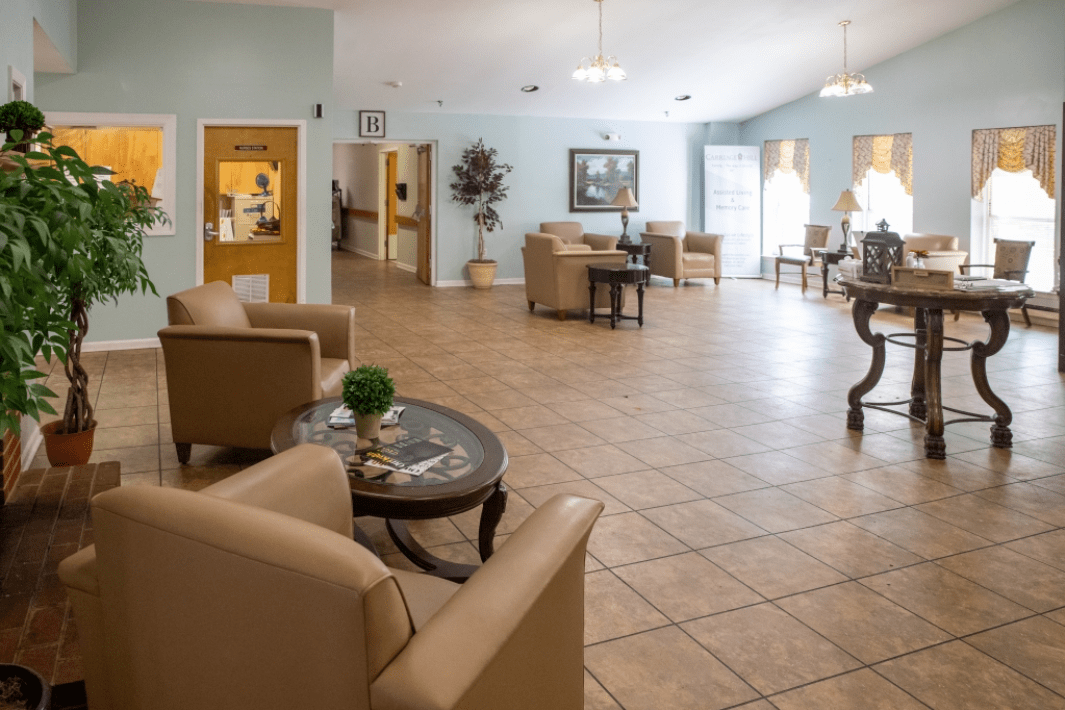
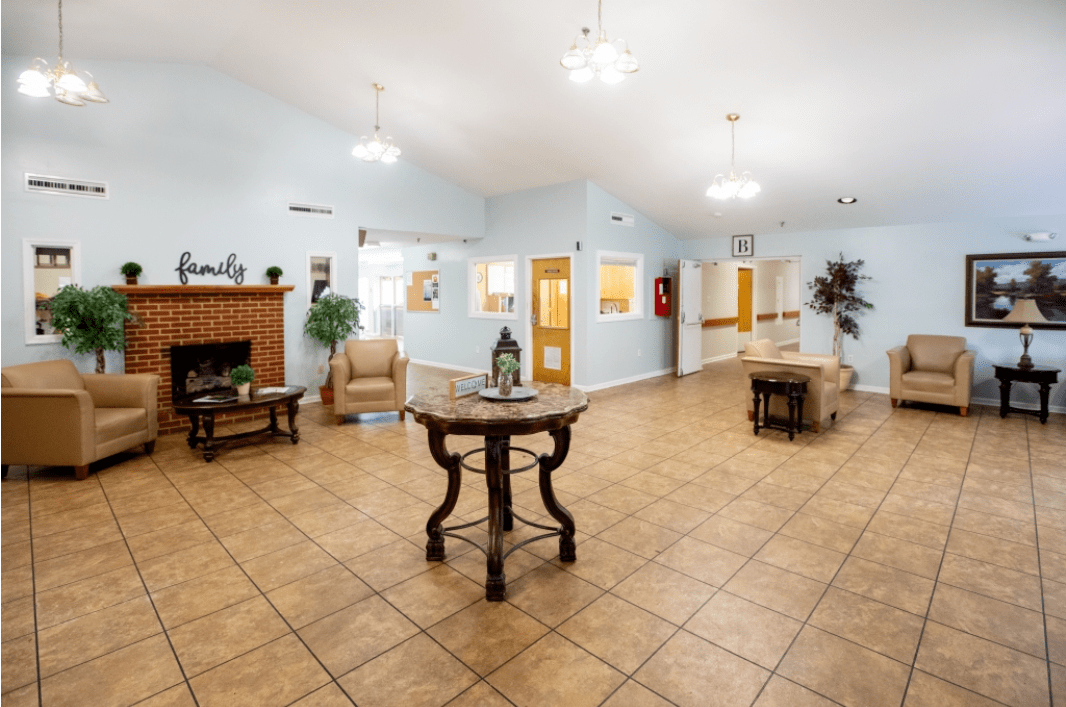
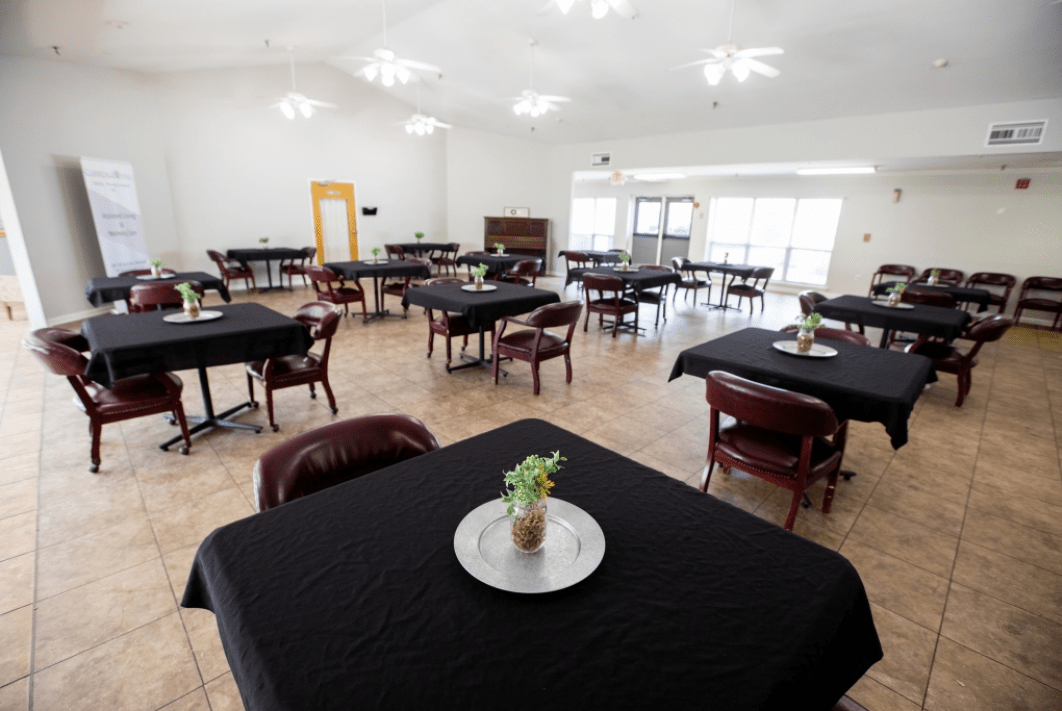
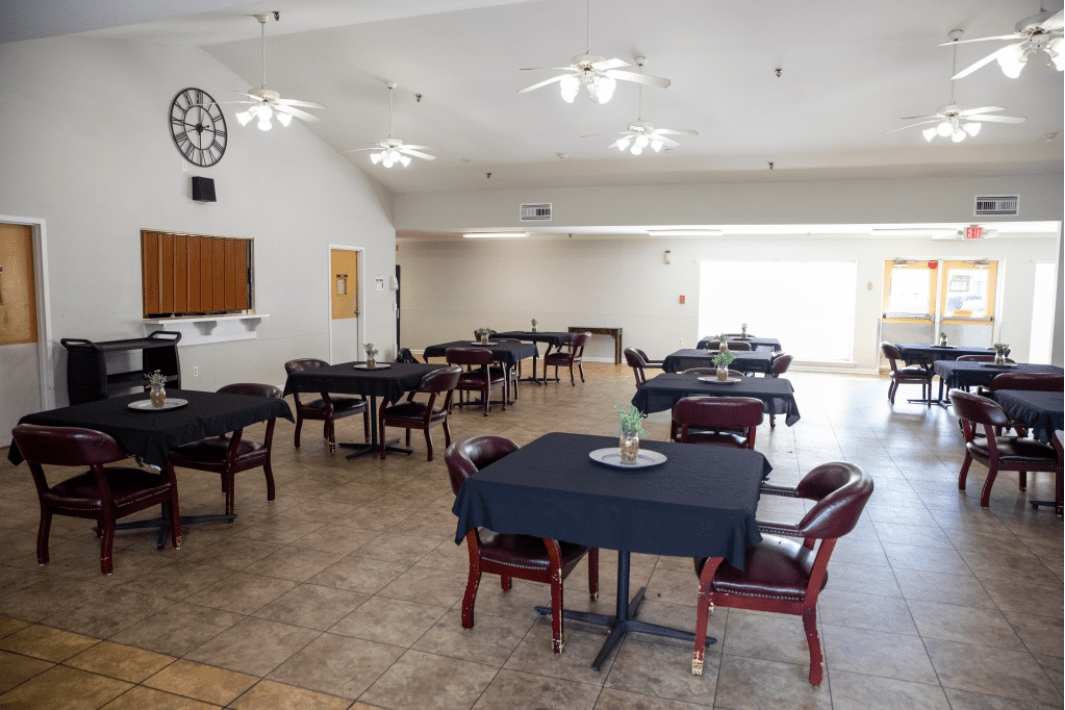
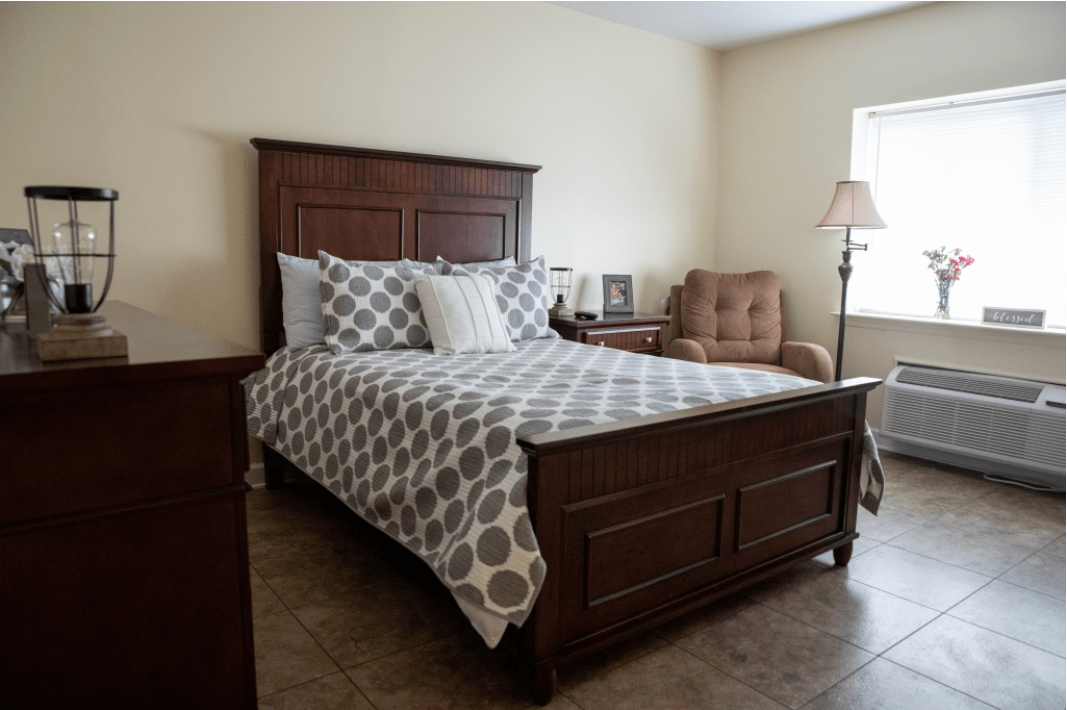
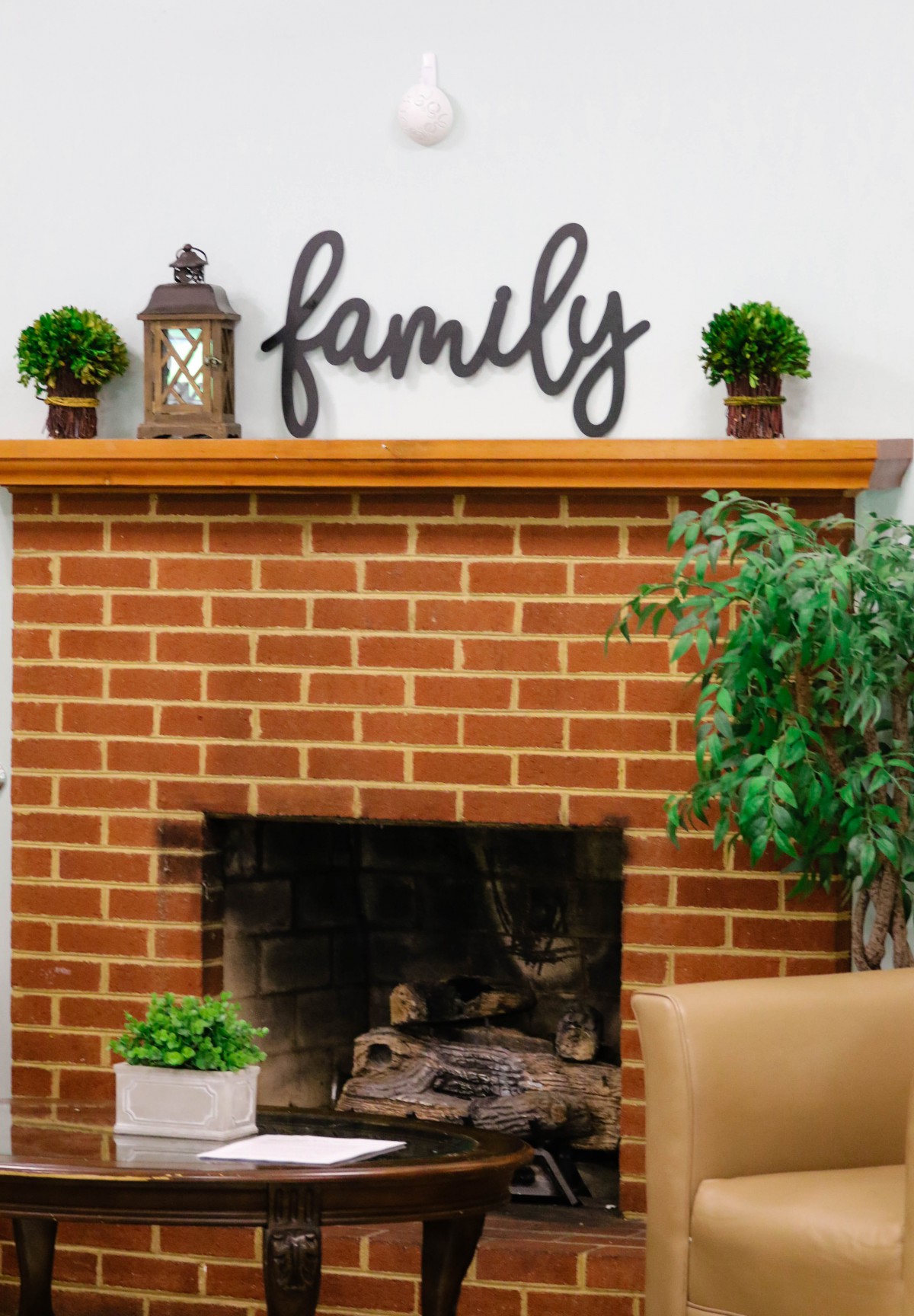
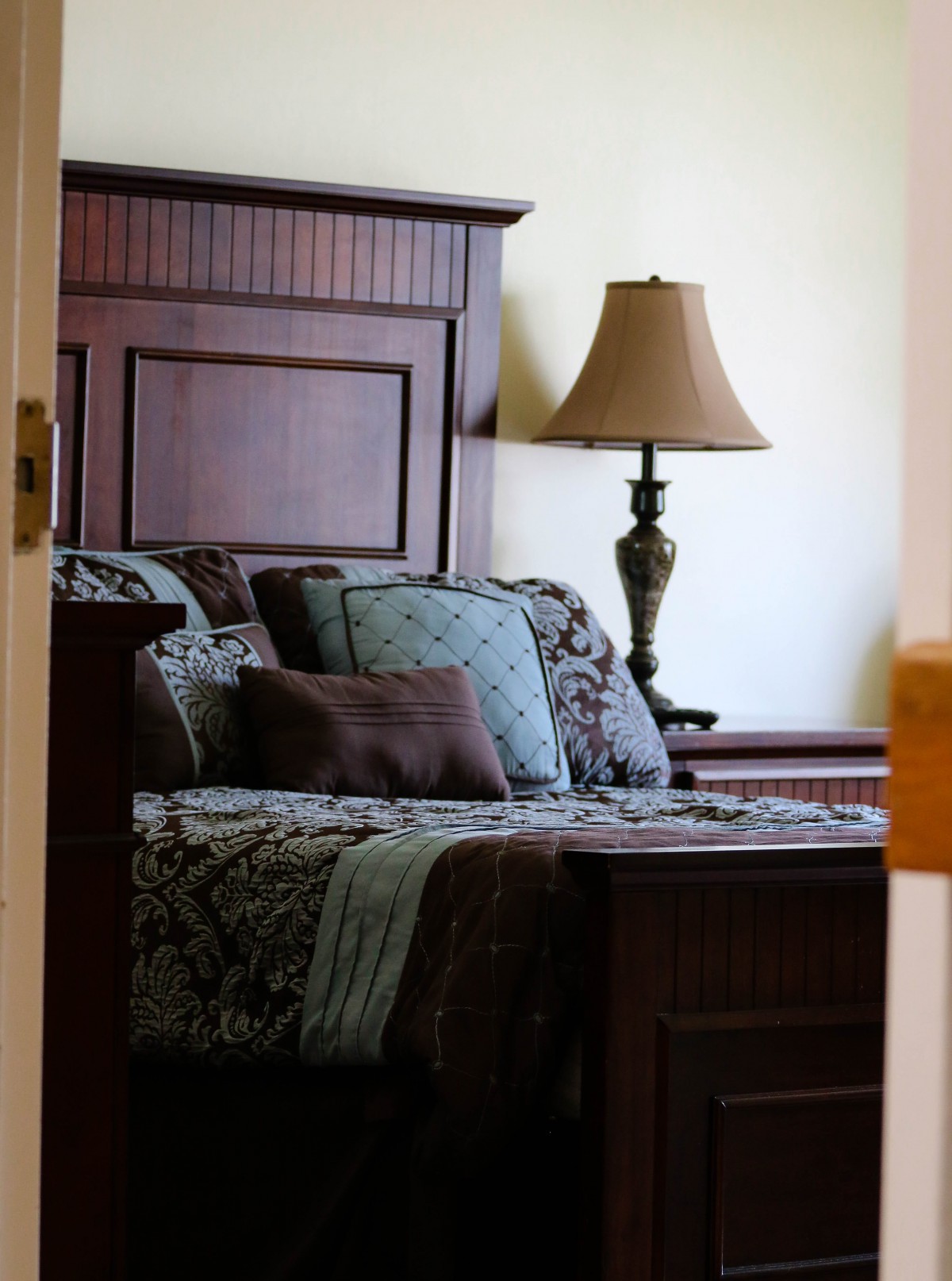
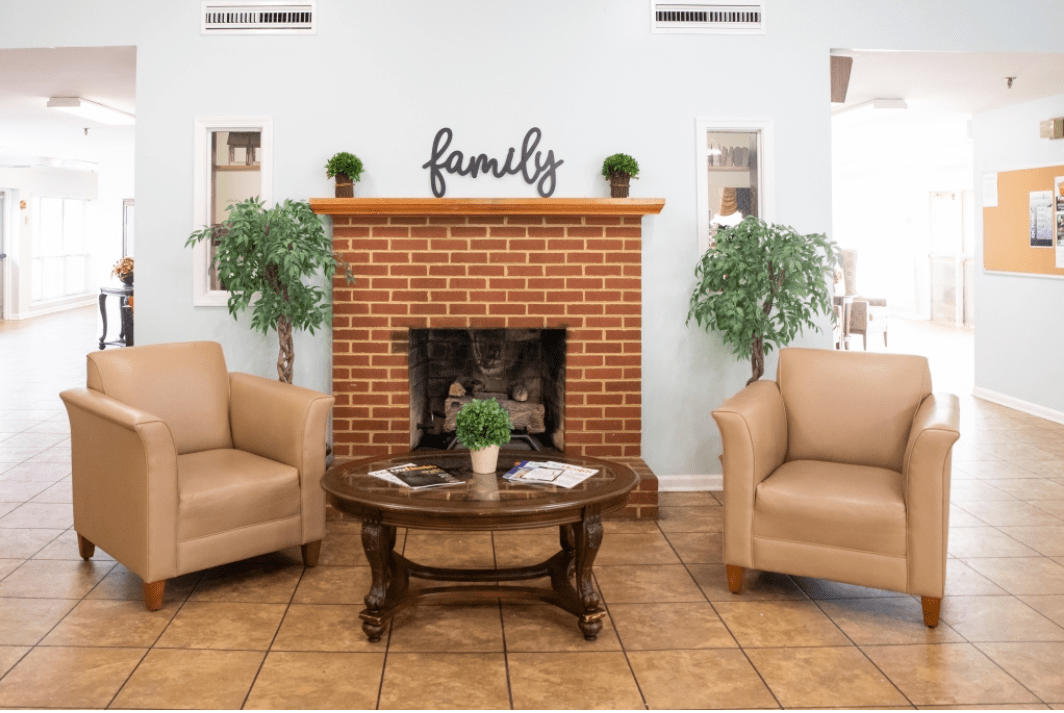
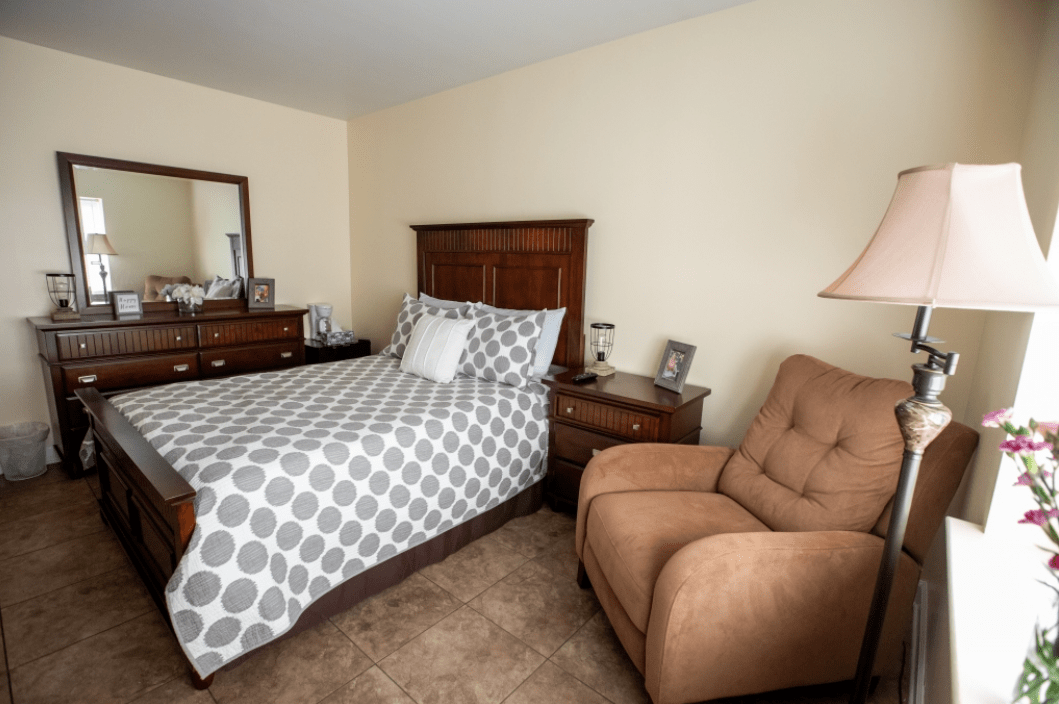
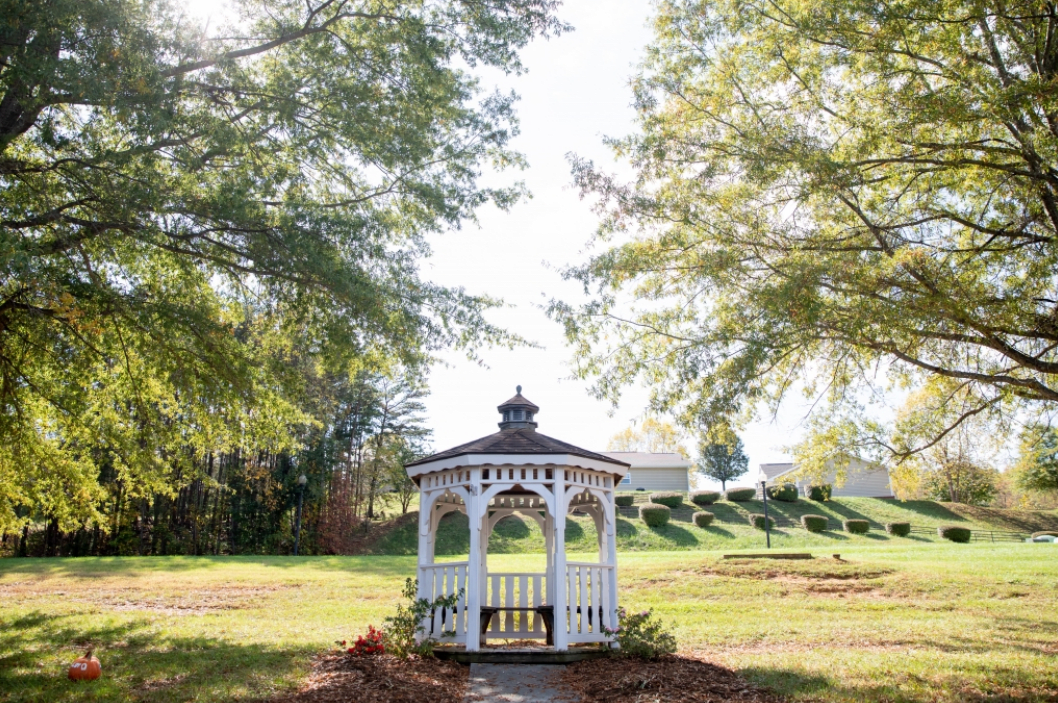
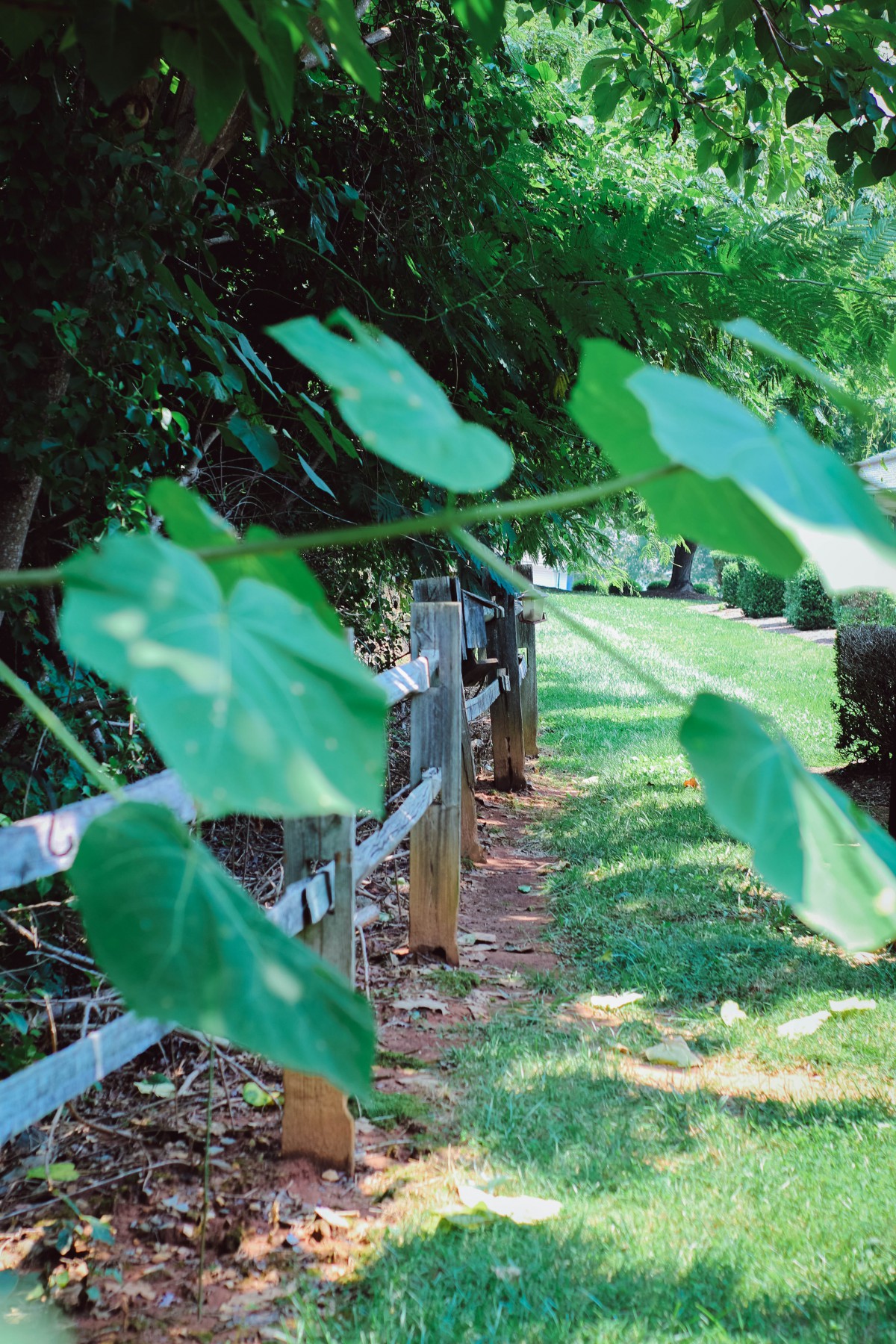
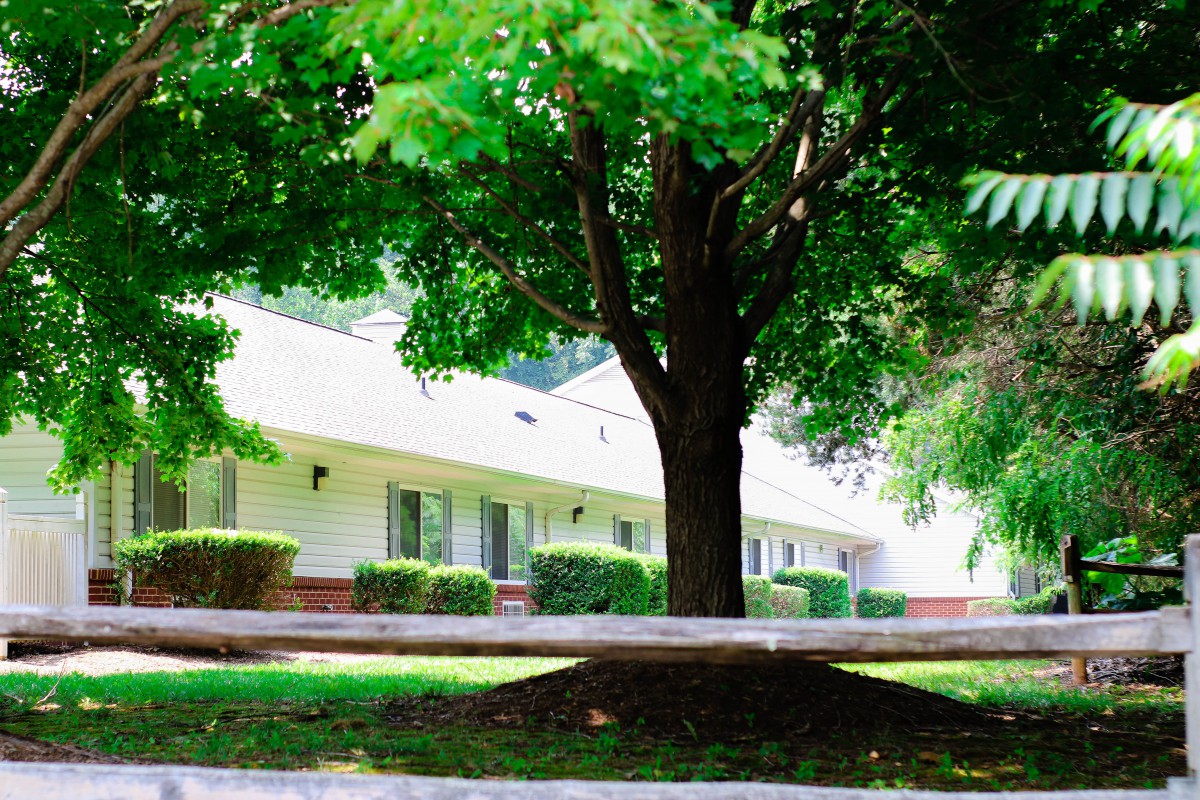
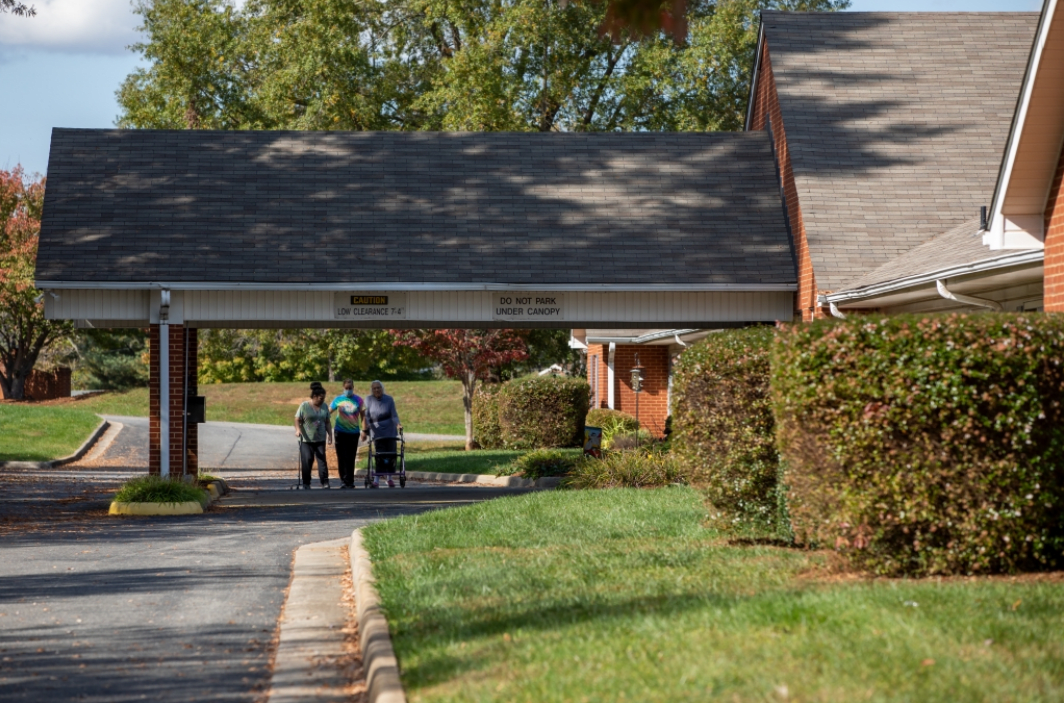
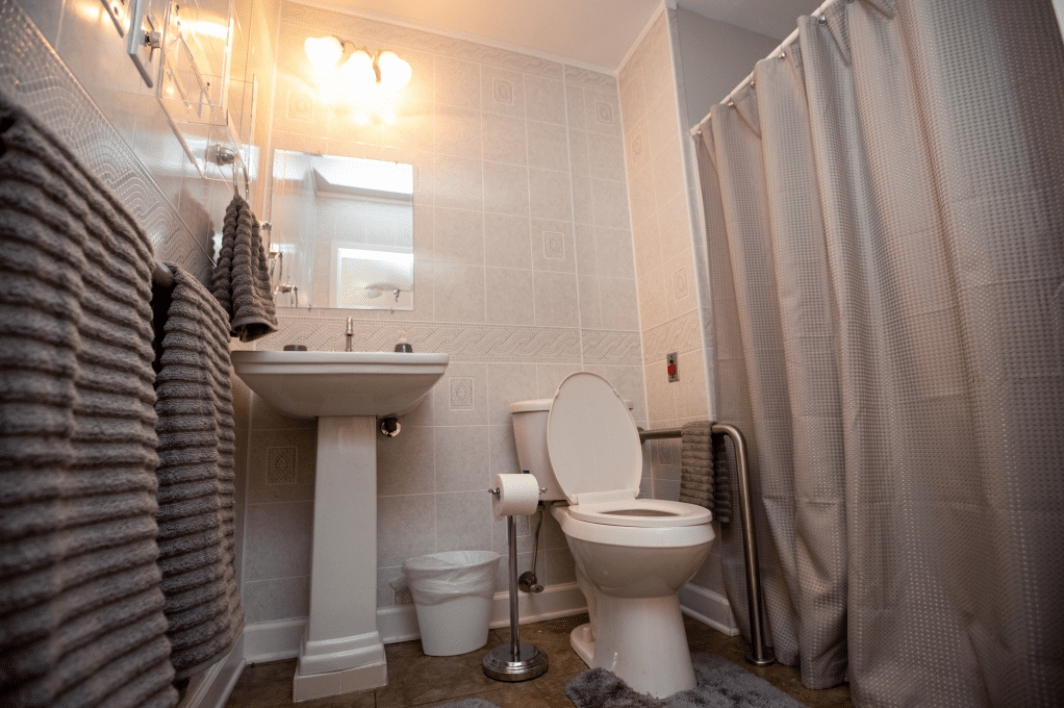
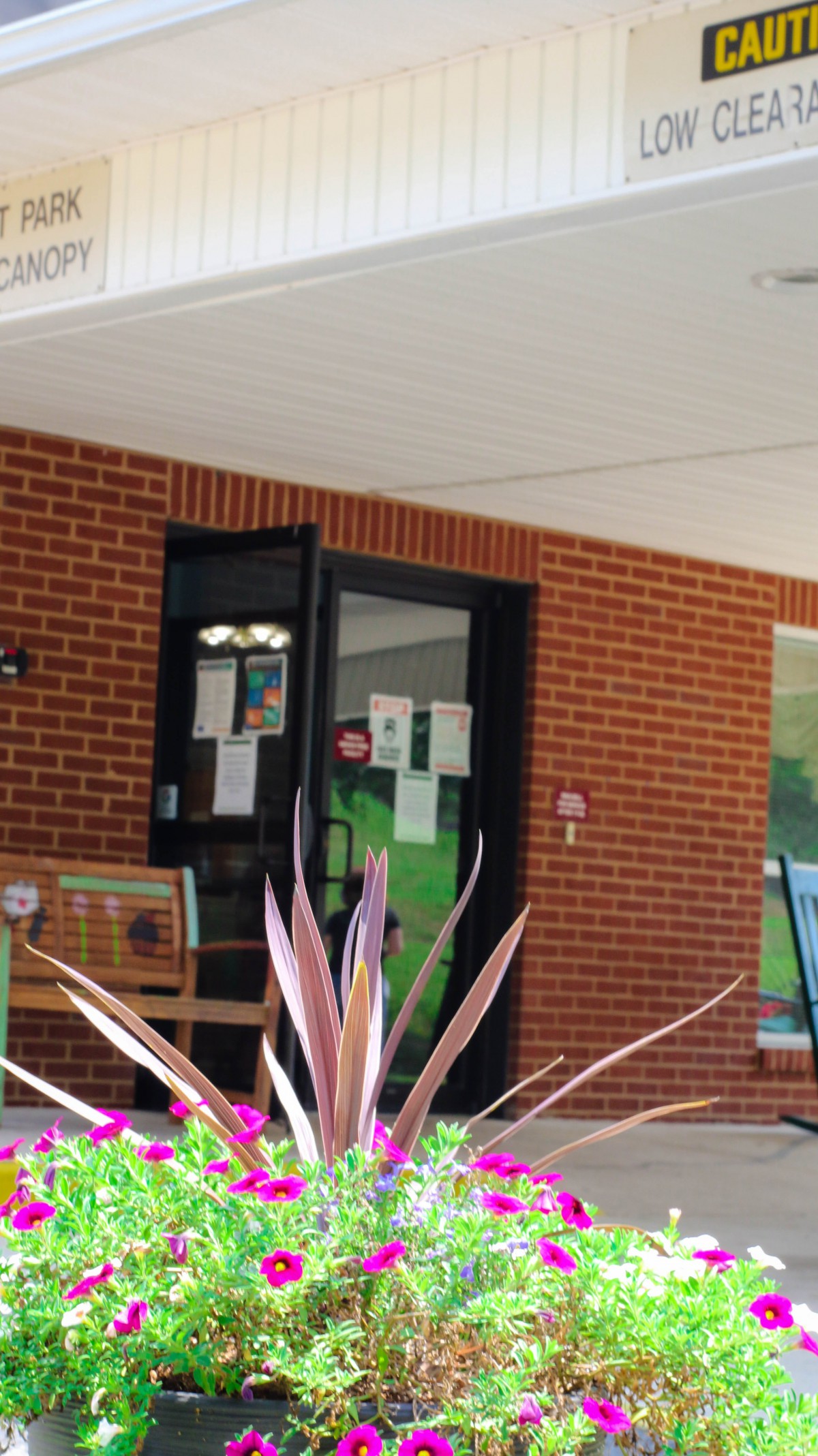
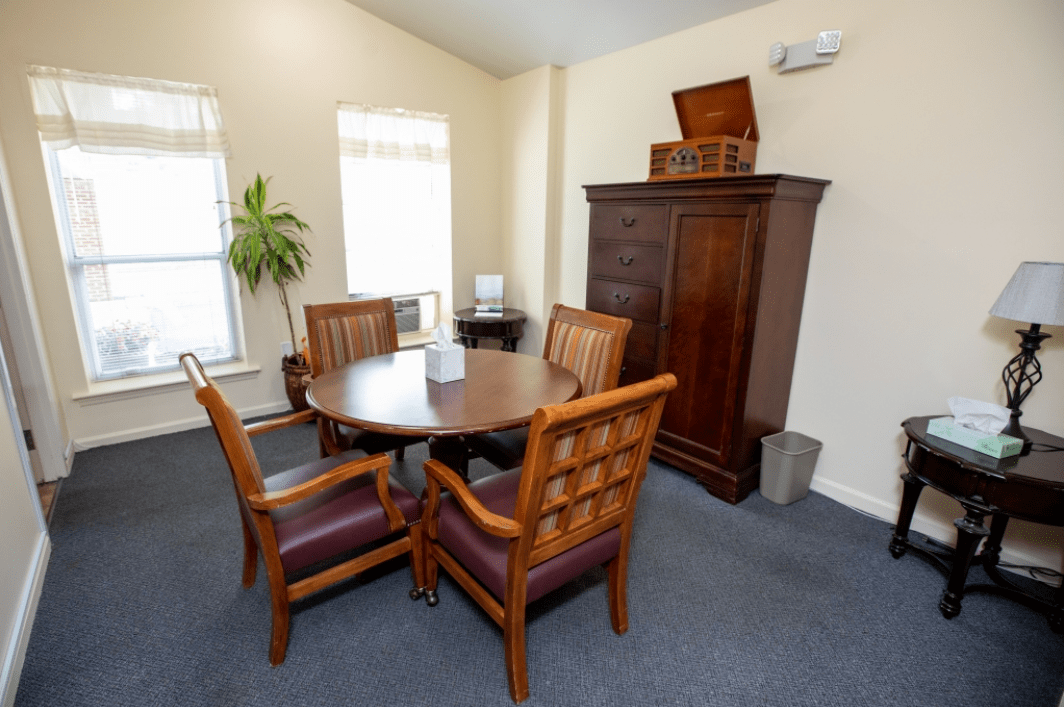
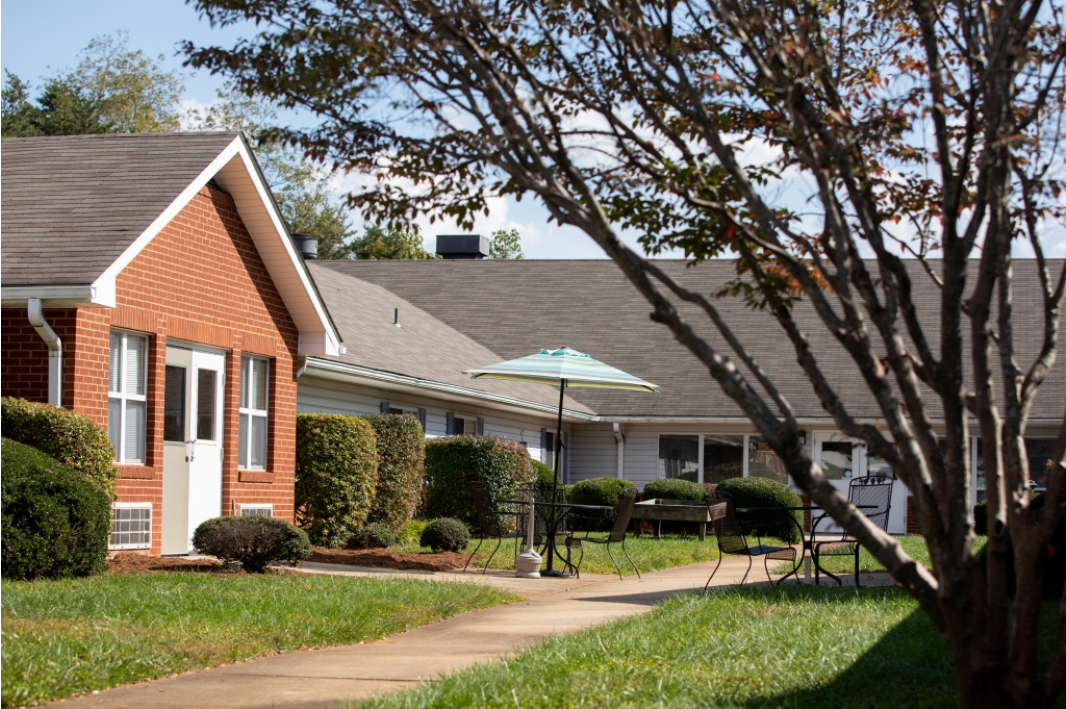
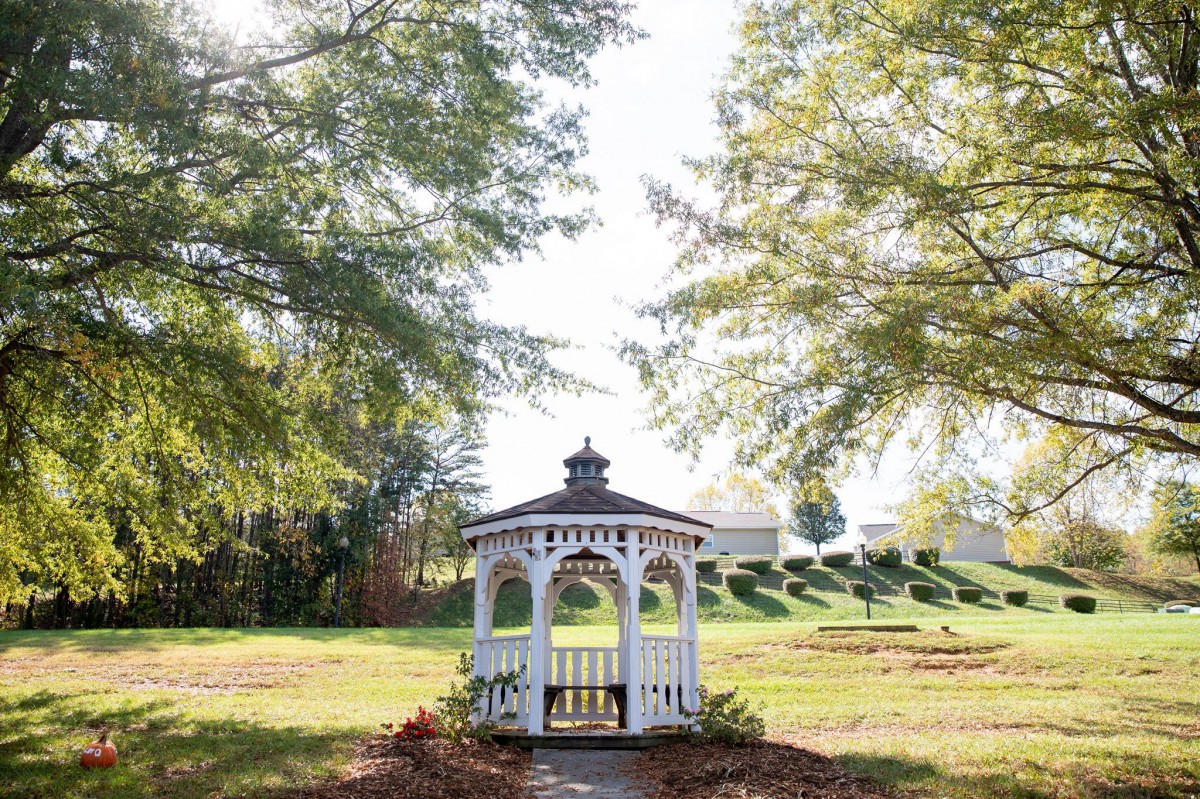
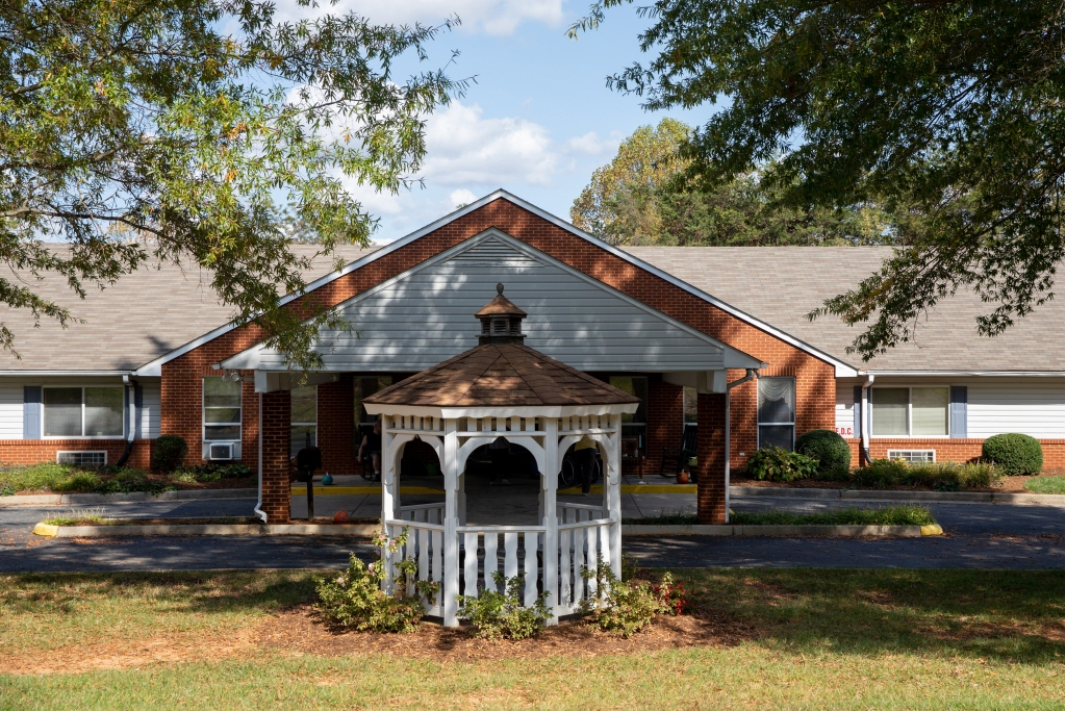
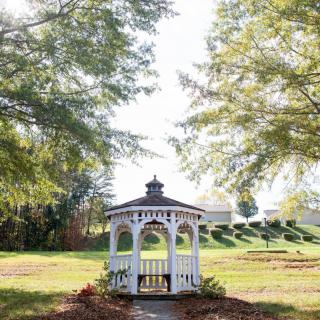
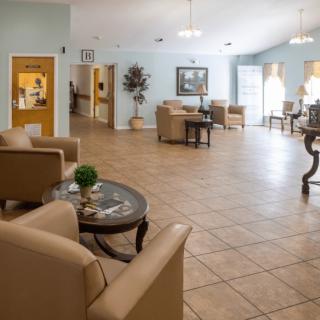
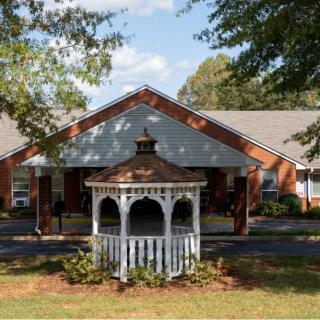
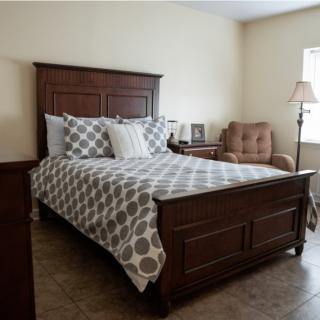
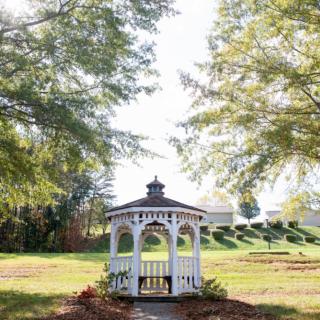
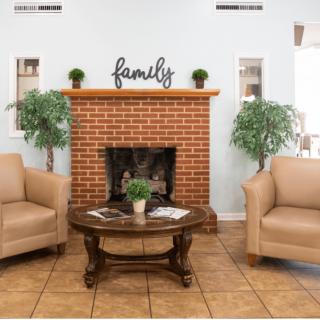
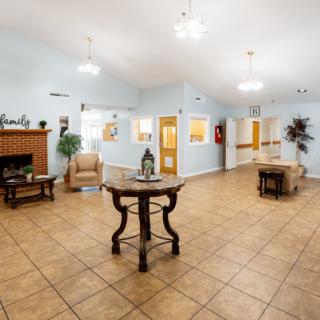
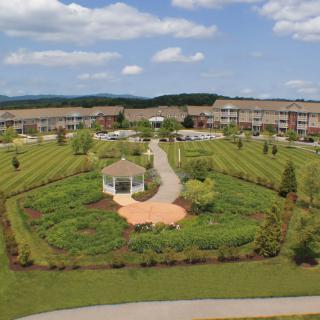
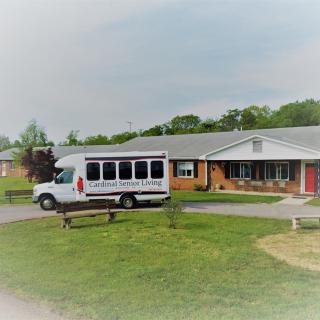
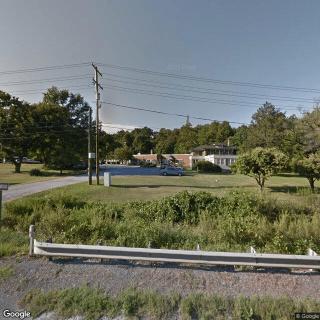
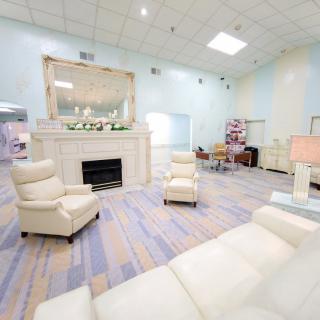
Carriage Hill Retirement on seniors.fyi includes 26 photos including images showing interior, landscaping, decor, outdoors, trees, bedroom, nature, dining, and more.
Nearby Communities
The Elks - A Noble Senior Living Community
Bedford, VA
3.5 from 64 reviews
$3,495 to $4,695 / month
Caring staff with engaging activities in a peaceful setting.
English Meadows Elks Home Campus
Bedford, VA
3.6 from 34 reviews
Extensive amenities and comprehensive care
Otterburn Inn Home For the Age
Bedford, VA
5 from 105 reviews
Cozy assisted-living with extensive nearby amenities.
Oakwood Manor Bedford Mem
Bedford, VA
4.5 from 107 reviews
Comprehensive on-site care and amenities (24/7 supervision, ADL support, medication management, transport, dining, fitness, social activities).
Cardinal Senior Communities
Bedford, VA
4.5 from 59 reviews
Strong memory-care program with 24/7 supervision and ample amenities.
Cardinal Senior Living
Bedford, VA
4.4 from 73 reviews
$1,900 to $2,600 / month
Clean, well-maintained environment with attentive staff and engaging activities.
Woodhaven Nursing Home
Montvale, VA
4 from 8 reviews
$1,700 / month
Caring, friendly staff in a clean, small facility that accepted a resident with aggressive behavior.
Heritage Green and Daybreak
Lynchburg, VA
4.5 from 80 reviews
$4,100 to $7,551 / month
Compassionate staff with a warm, home-like atmosphere and engaging activities.
Runk and Pratt at Leesville Road
Lynchburg, VA
4.4 from 34 reviews
$2,995 to $3,395 / month
Beautiful, clean, and welcoming environment with attentive staff and engaging activities.
Dementia, particularly Lewy body dementia, often involves hallucinations that can significantly distress both patients and caregivers due to disruptions in sensory processing and neurotransmitter imbalances. Effective management includes compassionate communication, environmental adjustments, and a multidisciplinary approach to care while addressing the emotional needs of caregivers.
Alzheimer’s disease is a progressive neurological disorder that significantly impacts memory and cognitive functions, accounting for 60-80% of dementia cases, with early diagnosis being crucial yet challenging. It involves brain changes like beta-amyloid plaques and tau tangles, influenced by genetic and lifestyle factors, and while there is no cure, symptom management and support for caregivers are essential.
Dementia, influenced by aging and certain medications, may be exacerbated by drug classes such as anticholinergics, benzodiazepines, and antipsychotics, which are associated with cognitive impairment. Regular medication reviews by healthcare professionals are crucial for older adults to manage risks and optimize cognitive health.
Get PricingAsk A QuestionSchedule A TourContact Senior Advisor
By clicking submit, you agree to our Partner's Terms of Use. You
also consent to receive calls and texts, which may be autodialed, from our Partner. Your consent is not a condition to
using our Partner's service. Please visit our Partner's Privacy Policy for information about their privacy practices.












 140 resident community capacity
 1-bedroom apartments
 Assisted Living
 Memory Care
 Activities off-site
 Air-conditioning
 Bath tubs
 Beauty salon
 Cable or satellite TV
 Computer center
 Dining room
 Fitness room
 Fully furnished
 Gaming room
 Garden
 Ground floor units
 Handicap accessible
 Housekeeping services
 Indoor common areas
 Kitchenette
 Move-in coordination
 Outdoor common areas
 Private bathrooms
 Respite or short term stays offered
 Restaurant-style dining
 Small library
 Telephone
 Wellness center
 Wheelchair accessible showers
 Wi-Fi/high-speed internet available
 Lynchburg Municipal-Preston Glenn (19 miles away)
 Community operated transportation
 12-16 hour nursing
 24-hour call system
 Ambulatory care
 Assistance with bathing
 Assistance with dressing
 Assistance with transfers
 Diabetes diet
 Diabetic care
 High acuity care
 Incontinence care
 Medication management
 Mental wellness program
 Special dietary restrictions
 Art classes
 BBQs or picnics
 Birthday parties
 Concierge services
 Day trips and outings
 Karaoke
 Caring staff with engaging activities in a peaceful setting.




 Dementia-Related Hallucinations: Causes, Experiences, and Practical Approaches
 Illuminating Insights About Alzheimer's Disease: Ten Crucial Realities
 A Thorough Discussion of Medications Potentially Linked to Dementia Risk