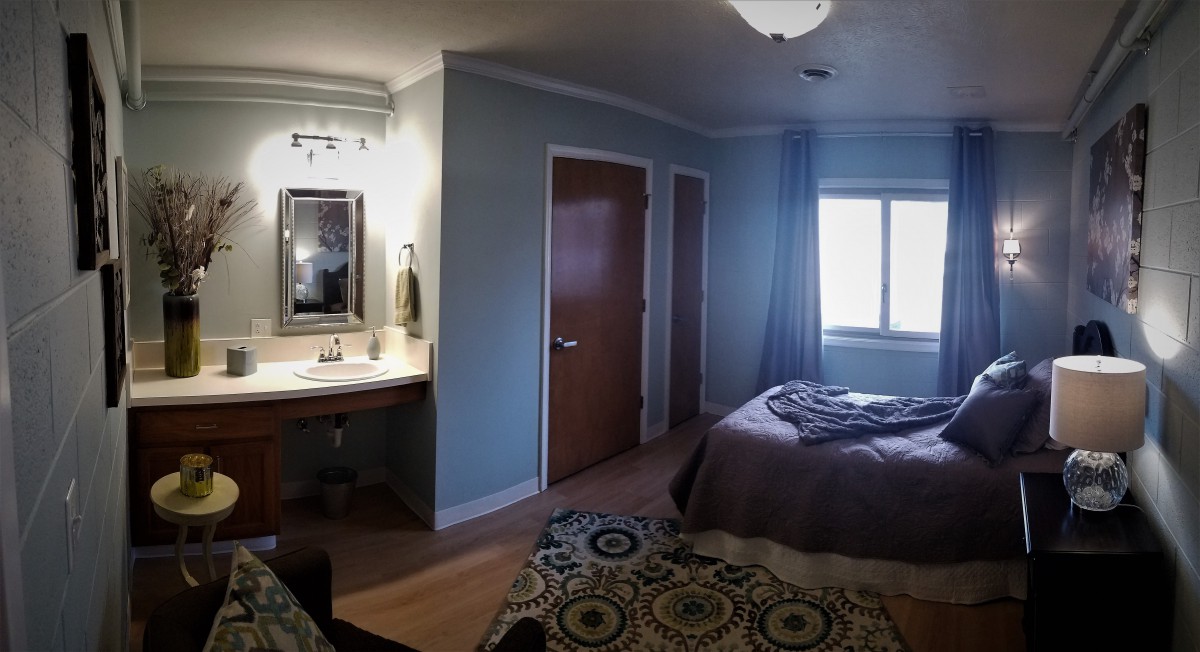
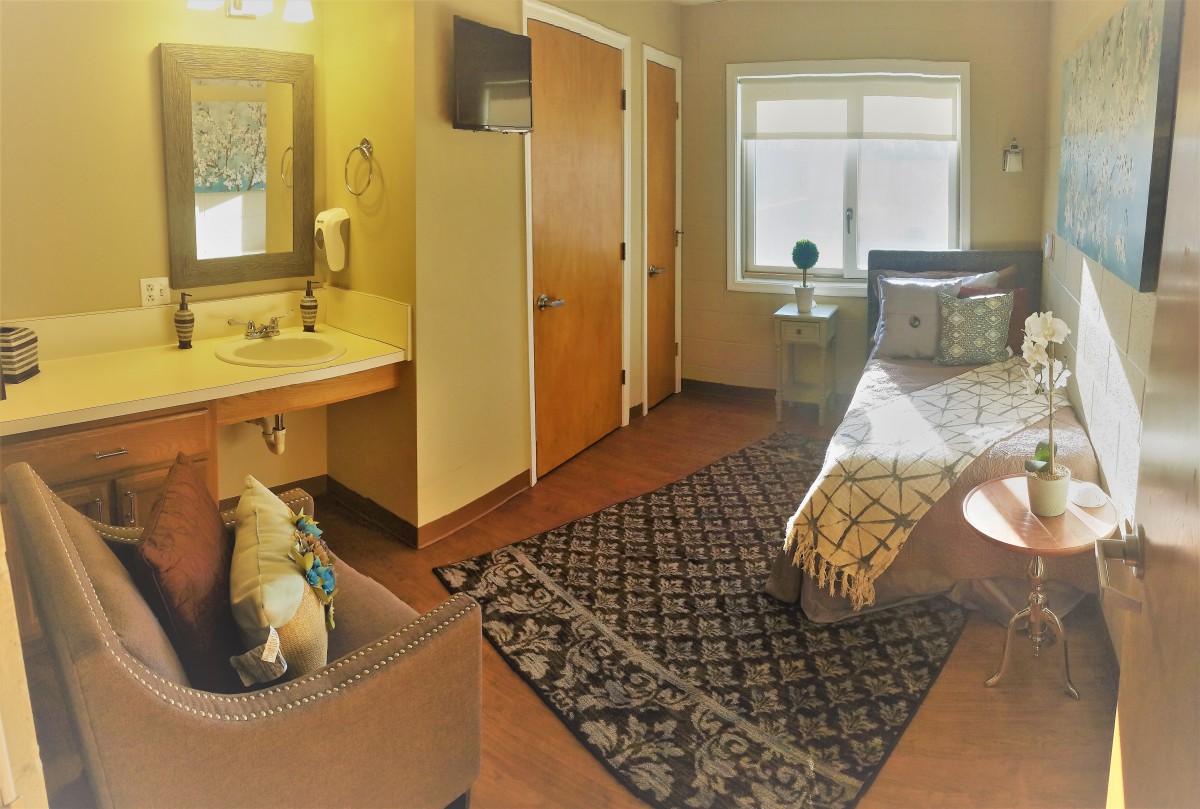
Campbell Rest Home Costs & Pricing
Campbell Rest Home offers competitive pricing for its residents, particularly when compared to the broader market trends in Bedford County and throughout Virginia. For a semi-private room, the cost at Campbell Rest Home is $1,350 per month, which is significantly lower than the county average of $2,703 and the state average of $3,991. Similarly, for a one-bedroom accommodation, residents pay $2,800 monthly - again more affordable than the county's average of $3,498 and Virginia's state average of $4,257. This pricing structure not only makes Campbell Rest Home an attractive option for potential residents but also reflects a commitment to providing quality care at accessible rates.
| Floor plans | Campbell Rest Home | Bedford County | Virginia |
|---|
| Semi-Private | $1,350 | $2,703 | $3,991 |
| 1 Bedroom | $2,800 | $3,498 | $4,257 |
Overall Review of Campbell Rest Home
differentiator
2 reviews mention this
Nursing support feels consistent
Residents describe getting help quickly and having a consistent nursing presence.
One resident’s family member said staff respond when they push the call button and that a nurse stays with them all the time. Another review also points to dedicated staff coverage in a more difficult-care area. The care-services list also includes medication management and personal care assistance, aligning with why families focused on hands-on support.
common
15 reviews mention this
Staff attention stands out
Reviews repeatedly describe welcoming, caring staff who stay involved with residents.
Across multiple reviews, families and visitors describe staff as friendly, caring, knowledgeable, and professional. Several mention residents looking happy and well taken care of, and one reviewer highlights personal attention and responsiveness. Others describe frequent help during transitions and ongoing check-ins with family members, including sending notes after COVID-related restrictions.
common
7 reviews mention this
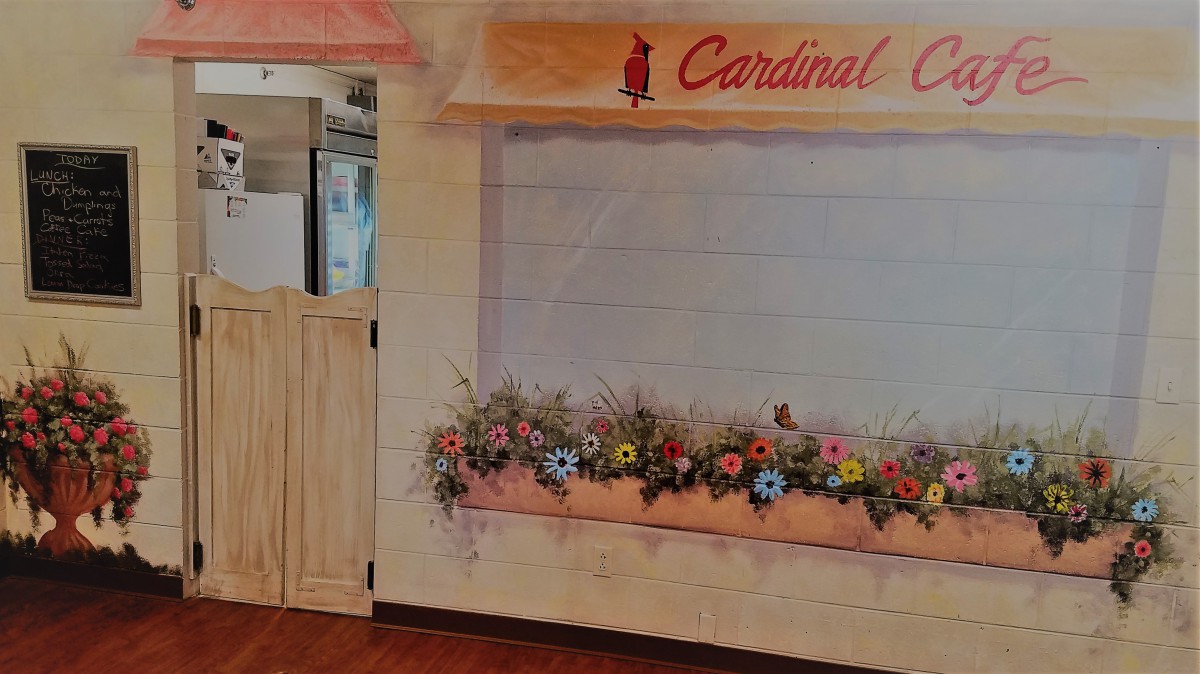
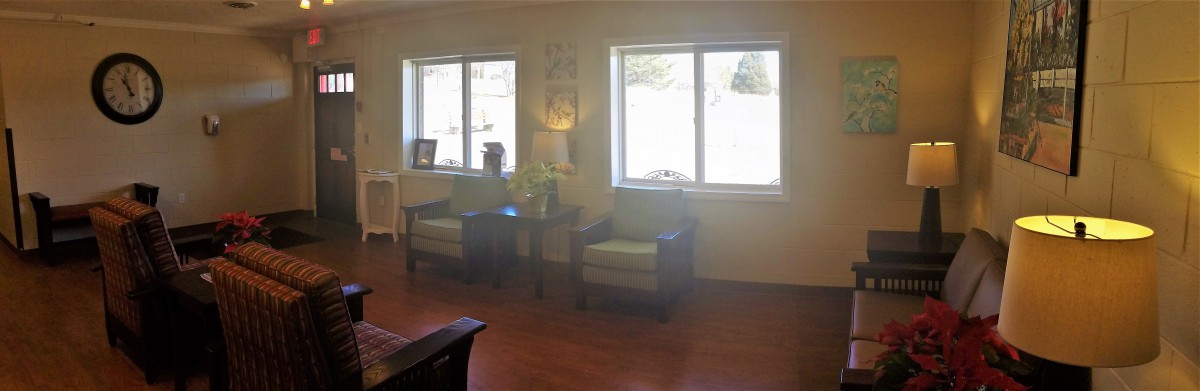
Clean, well-kept facility
Residents and visitors describe the community as consistently clean and well maintained.
Multiple reviewers call out cleanliness, with one describing it as the cleanest facility they’ve seen. Others mention the facility looks good, has no unpleasant hallway odors, and appears clean and bright during visits. A few also connect cleanliness with an overall impression that the community is organized and comfortable.
common
5 reviews mention this
Meals are a recurring bright spot
Residents and visitors describe the food as good and enjoyable.
Several reviews mention that dining looks appealing and that residents eat well there. One family member said they haven’t yet eaten there but the food looked good and their loved one seems to like it, while another describes family-style eating as good. At the same time, one reviewer felt the dining area needed upgrading, so experiences around the dining space aren’t uniform.
caveat
3 reviews mention this
Pricing feels mixed with add-ons
Some families say the base cost can feel reasonable, but add-on fees change the picture.
One review describes the community as lower priced than others the family had looked at, and another says the value is really good. However, a separate tour review reports extra fees for items like laundry, cable, and a telephone, which is why they couldn’t afford it. With pricing varying by unit type, the overall cost experience depends on what services and add-ons are needed.
caveat
4 reviews mention this
Small spaces can feel confining
Reviews describe a small, home-like setup that may limit how much residents can get out.
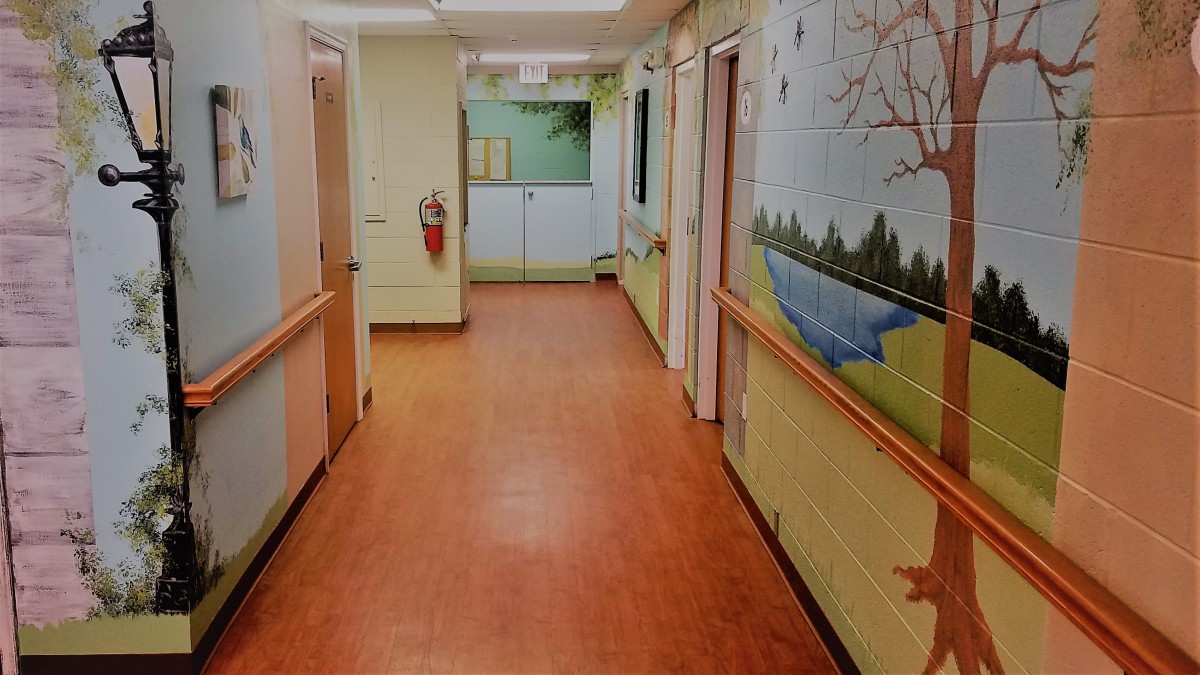
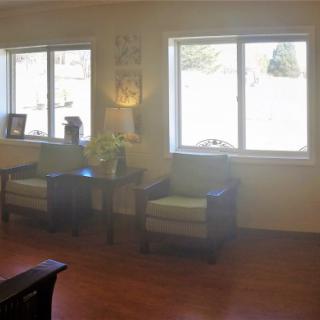
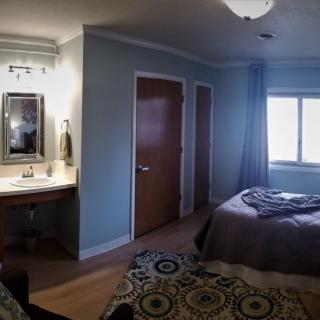
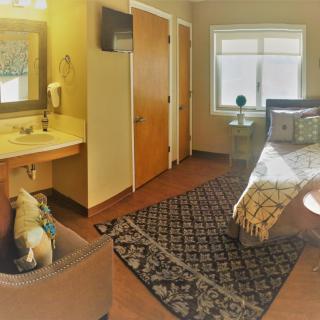
More than one tour or visit notes the community is small, with limited room sizes and a more house-like layout. One reviewer expressed concern that dark gathering areas, narrow hallways, and smaller spaces would keep their loved one from being out as much as usual. Another review also describes it as having fewer patients and being smaller than larger communities, which appears to be a trade-off some families weighed.
common
5 reviews mention this
Activities include outings and games
Residents and visitors describe regular activities, including outings and games.
Families mention residents joining activities like bowling and games before COVID-related limits. Others describe occasional outings such as ice cream runs and activities where staff come in to play games and do crafts. The activities list also reflects a mix of on-site and off-site options, which matches why reviewers focused on what residents can do during the day.
How we summarize
Counts show how many written reviews mention each theme; a review can touch several themes, and only frequently mentioned themes are displayed.

 Studio apartments
 Assisted Living
 Skilled Nursing Facility
 Activities on-site
 Air-conditioning
 Beautician on-site
 Devotional services off-site
 Dining room
 Ground floor units
 Housekeeping services
 Indoor common areas
 Laundry
 Outdoor common areas
 Respite or short term stays offered
 Wheelchair accessible showers
 Wi-Fi/high-speed internet available
 Lynchburg Municipal-Preston Glenn (17 miles away)
 Transportation & parking
 Diabetic care
 Incontinence care
 Medication management
 Diabetes diet
 Guest meals
 Birthday parties
 Catholic services
 Gardening club
 Live dance or theater performances
 Stretching classes
 Wii bowling
 English
 Strong memory-care program with 24/7 supervision and ample amenities.





 Choosing the Right Senior Care: A Detailed Exploration of Assisted Living and Nursing Homes
 Understanding the True Cost of Assisted Living in 2025: A Comprehensive Guide
 Understanding Medicaid Coverage for Assisted Living: A Comprehensive Guide