
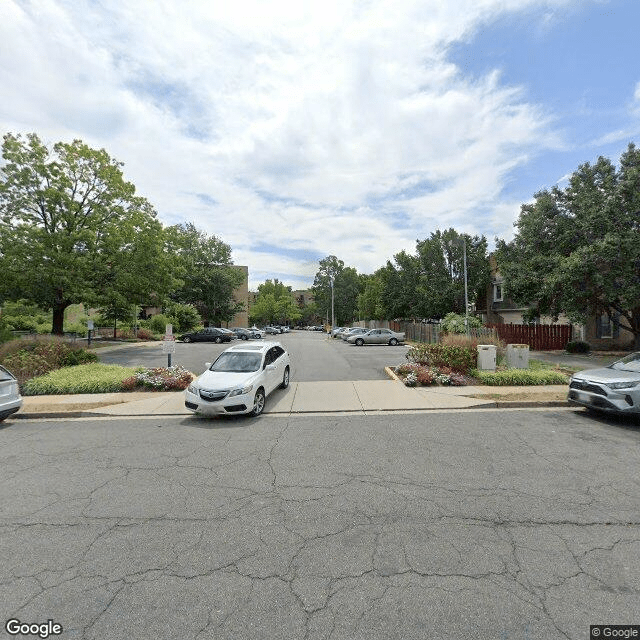
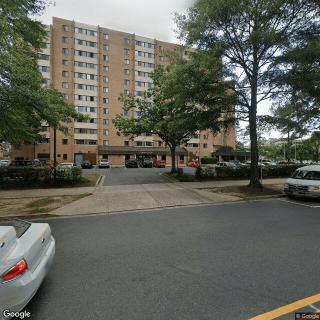
610 S Carlin Springs Rd, Arlington, VA 22204
To contact a resident: (703) 931-5700
For more information about senior living options: (866) 208-4318
Woodland Hill Costs & Pricing
Woodland Hill offers competitive pricing for its private rooms at $3,200 per month, significantly lower than the average rates in both Fairfax County and the broader state of Virginia. In Fairfax County, the cost for a similar private room averages around $5,449, while statewide averages sit at approximately $4,684. This positions Woodland Hill as an attractive option for those seeking quality care without the financial strain often associated with senior living facilities in more expensive markets. The value provided at Woodland Hill not only reflects a commitment to affordability but also ensures residents receive excellent service in a welcoming environment.
| Floor plans | Woodland Hill | Fairfax County | Virginia |
|---|---|---|---|
| Private | $3,200 | $5,449 | $4,684 |
Senior living communities with a similar price nearby
-
from +$300 / mo
Best Home for Mom and Dad
$3,500 to $4,500 / month18.6 miles away -
from -$200 / mo
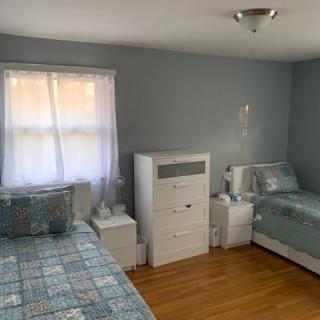
Hands & Hearts Assisted Living Silver Springs
$3,000 to $3,500 / month16.2 miles away -
from -$500 / mo
Lifesprings Eldercare II
$2,700 to $3,100 / month11.9 miles away -
from +$600 / mo
Montgomery Eldercare II
$3,800 to $5,000 / month17.2 miles away -
from +$600 / mo
A C E
$3,800 / month22.7 miles away
Overall Review of Woodland Hill
Pros
 They love their grandmother.
- Their affection for their grandmother is evident.
Cons
 The staff and security are rude, and they do nothing.
- The staff treat residents horribly.
- Advance Towing is an abhorrent company.
Review
Woodland Hill in Arlington, VA is best suited for budget-conscious seniors who need straightforward, no-fr fluff housing and for families prepared to take an active, hands-on role in overseeing care. The setting appears to deliver basic occupancy and affordability, but it relies on families to push for attention to daily needs and safety. For anyone who expects consistently respectful treatment, highly responsive staff, and a security framework that reliably protects residents, another option is a wiser choice. The reality reflected in the mix of reviews is that this community rewards vigilance and proactive involvement more than it rewards passive reliance.
The strongest, recurring positive signal is the personal warmth some families feel toward the facility through their loved ones. A sentiment like “Love our grandmother” hints at moments when staff and neighbors can create meaningful connections and a sense of belonging. That fragment of praise matters for families who prioritize emotional comfort and the idea that a familiar face may surface during challenging moments. It also underscores the possibility that, when operations cooperate with attentive family engagement, residents can experience moments of genuine care amidst the broader challenges. Still, warmth in isolated instances does not counterbalance the recurrent concerns voiced by other residents and families.
The most consequential drawbacks center on day-to-day interactions and safety controls. Descriptions of rude staff and a security presence that does not intervene create a troubling picture of resident experience. When staff conduct and attitude feel dismissive, residents may delay seeking help, which can compound health or mobility issues over time. The security shortfall compounds that risk by signaling that boundaries and safety protocols aren’t consistently enforced. Layered on top is the involvement of an external towing contractor described as abhorrent, a troubling flag about vendor oversight and the handling of resident property. Taken together, these factors produce a climate where fear or anxiety around daily life can overshadow any potential comfort from having a relative nearby.
Do the few bright moments or potential cost advantages offset these downsides? In practice, they do not fully offset the core concerns. The warmth and occasional familial appreciation can soften the blow for some families, but not when basic civility, reliable assistance, and predictable safety are routinely questioned. The financial appeal of lower rates can be alluring, yet it is counterbalanced by the emotional and logistical costs of constant advocacy, escalations, and the need to scrub policies for transparency. For families prepared to battle through service gaps and to spend time coaching staff and monitoring care, Woodland Hill can be workable, but it is not a set-it-and-forget-it solution.
Anyone who cannot accept inconsistent staff behavior, uneven security, and opaque vendor relationships should consider alternatives. Look for communities in Arlington with stronger reputations for professional, respectful caregiving, clearly defined response protocols, and proactive safety measures. Seek facilities that publish staffing norms, offer transparent grievance processes, and maintain tight oversight of contractors and third-party services. The bar should be higher for families requiring dependable routine support, prompt assistance, and a consistently respectful environment.
In practical terms, the recommended course is to treat Woodland Hill as a potential option only after a rigorous, hands-on evaluation. Schedule multiple visits at different times of day, speak privately with residents, and probe the staff’s willingness to listen and respond. Verify what is included in the monthly rate, understand any extra charges, and request a written plan detailing how complaints are addressed and what accountability looks like. If the facility cannot provide clear, credible answers and demonstrate tangible improvements in staff interactions and security responsiveness, the prudent choice is to move on and invest the effort in communities with demonstrably higher standards. The aim is a living arrangement where dignity, safety, and dependable daily support are not negotiable. Woodland Hill can work for some, but only for families prepared to stay actively involved and to press for ongoing improvement.
 Active Adult Communities (55+)
 Ronald Reagan Washington National (5 miles away)

 Understanding the Sandwich Generation: Stress and Responsibilities for Multigenerational Caregivers
 8 Essential Assistive Devices for Older Adults
 Navigating the Financial Road to Nursing Home Care: In-Depth Guidance and Resources