The chef and food quality are a clear point of contention in reviews.
Some residents and visitors speak positively about the food and highlight the chef. Others criticize the chef’s professionalism and describe the food as part of broader quality issues after management changes. Overall, dining is not mentioned in a consistently positive way.
caveat3 reviews mention this
Staffing and management concerns recur
Several reviews raise concerns about staffing levels and leadership effectiveness.
A recurring criticism is that staffing is insufficient, including reports of delays getting help. There are also complaints about management and leadership after ownership changes, with reviewers saying issues were not resolved. A few reviews are more upbeat about the care team, but the negative staffing and leadership comments show up more than once.
common3 reviews mention this
Activities and concierge support stand out
Residents describe staying engaged through activities and on-site support.
Multiple reviews mention daily activities that keep residents mentally engaged, along with an active, supportive community feel. Several residents also highlight concierge staff and resident leadership involvement, describing it as part of what keeps them involved. Visitors and families also point to signature programs and a variety of activities when discussing what the community offers.
How we summarize
Counts show how many written reviews mention each theme; a review can touch several themes, and only frequently mentioned themes are displayed.
Features
Housing
1-bedroom apartments
2-bedroom apartments
Studio apartments
Types of Care
Assisted Living
Memory Care
Amenities
Air-conditioning
Beauty salon
Cable or satellite TV
Computer center
Continuing learning programs
Dining room
Family education and support services
Family private dining rooms
Fitness room
Fully furnished
Gaming room
Garden
Housekeeping services
Kitchenette
Located close to restaurants
Located close to shopping centers
Move-in coordination
Outdoor patio
Outdoor space
Private bathrooms
Religious/meditation center
Restaurant-style dining
Small library
Swimming pool
Telephone
Wellness center
Wi-Fi/high-speed internet available
Transportation
Ronald Reagan Washington National (3 miles away)
Washington Dulles International (24 miles away)
Community operated transportation
Transportation arrangement
Transportation arrangement (non-medical)
Care Services
24-hour call system
24-hour supervision
Activities of daily living assistance
Assistance with bathing
Assistance with dressing
Assistance with transfers
Coordination with health care providers
Dementia waiver
Diabetes diet
Diabetic care
Meal preparation and service
Medication management
Mental wellness program
Mild cognitive impairment
Respite program
Special dietary restrictions
Specialized memory care programming
Transportation arrangement (medical)
Transportation to doctors appointments
Dining
Diabetes diet
Special dietary restrictions
Activities
Community-sponsored activities
Concierge services
Fitness programs
Planned day trips
Resident-run activities
Scheduled daily activities
Languages Spoken
English
Nearby Places of Interest
Restaurants
Taco Bell (0.3 miles)
Jeni S Splendid I (0.3 miles)
Vola’s Dockside Grill and Hi-Tide Lounge (0.5 miles)
Blackwall Hitch (0.5 miles)
Virtue Feed and Grain (0.5 miles)
Union Street Public House (0.5 miles)
Ada's on the River (0.6 miles)
Cafes
Mae's Market and Cafe (0.4 miles)
For Five Coffee (0.8 miles)
Junction Bakery & Bistro (1 miles)
Starbucks (2.1 miles)
Starbucks (2.3 miles)
Starbucks (4.7 miles)
Philz Coffee (5.2 miles)
Transportation
Braddock Road Metro Station (0.5 miles)
King Street - Old Town Metro Station (0.8 miles)
Amtrak (0.9 miles)
Eisenhower Avenue Metro Station (1.5 miles)
TSA PreCheck (2.7 miles)
Terminal A (2.8 miles)
Delta Sky Club (3 miles)
Parks
Waterfront Park (0.5 miles)
Huntley Meadows Park (2.2 miles)
Gravelly Point Park (3.9 miles)
Long Bridge Park (4 miles)
East Potomac Park (4.9 miles)
Southwest Duck Pond (5.1 miles)
The Yards Park (5.1 miles)
Pharmacies
CVS Pharmacy (0.6 miles)
Walgreens (1 miles)
CVS Pharmacy (1.4 miles)
CVS Pharmacy (2.4 miles)
Walgreens (2.5 miles)
CVS Pharmacy (2.5 miles)
Walgreens (2.7 miles)
Theaters
AMC Hoffman Center 22 (1.4 miles)
Physicians
Telegraph Corner Family Medicine (2.4 miles)
Patient First - Alexandria (2.6 miles)
Diagnostic Radiology (5.2 miles)
American College of Obstetricians & Gynecologists (5.3 miles)
Hospitals
St Elizabeths Hospital (4.1 miles)
Inova Mount Vernon Hospital (4.9 miles)
Inova Mount Vernon Hospital Emergency Room (5 miles)
Sunrise of Old Town's comprehensive features are designed to support residents with dementia or Alzheimer's disease effectively. Assistance with dressing, bathing, and transfers ensures that residents maintain dignity while receiving the help they need for personal care. Medication management is crucial in preventing missed doses and managing side effects, promoting overall health. Meal preparation tailored to dietary needs not only enhances nutrition but also provides a sense of routine and familiar comfort. Transportation arrangements for medical appointments remove logistical barriers, allowing residents to access necessary healthcare services seamlessly. Coordinating with healthcare providers ensures a cohesive approach to each resident's care plan, while 24-hour supervision provides safety and security in an environment where cognitive impairments may pose challenges. Activities of daily living assistance fosters independence and engagement, while specialized memory care programming and mental wellness initiatives cater specifically to cognitive needs, helping to stimulate memory retention and enhance emotional well-being. Finally, the dementia waiver accommodates individual requirements, ensuring that care is personalized and effective across varying stages of memory decline.
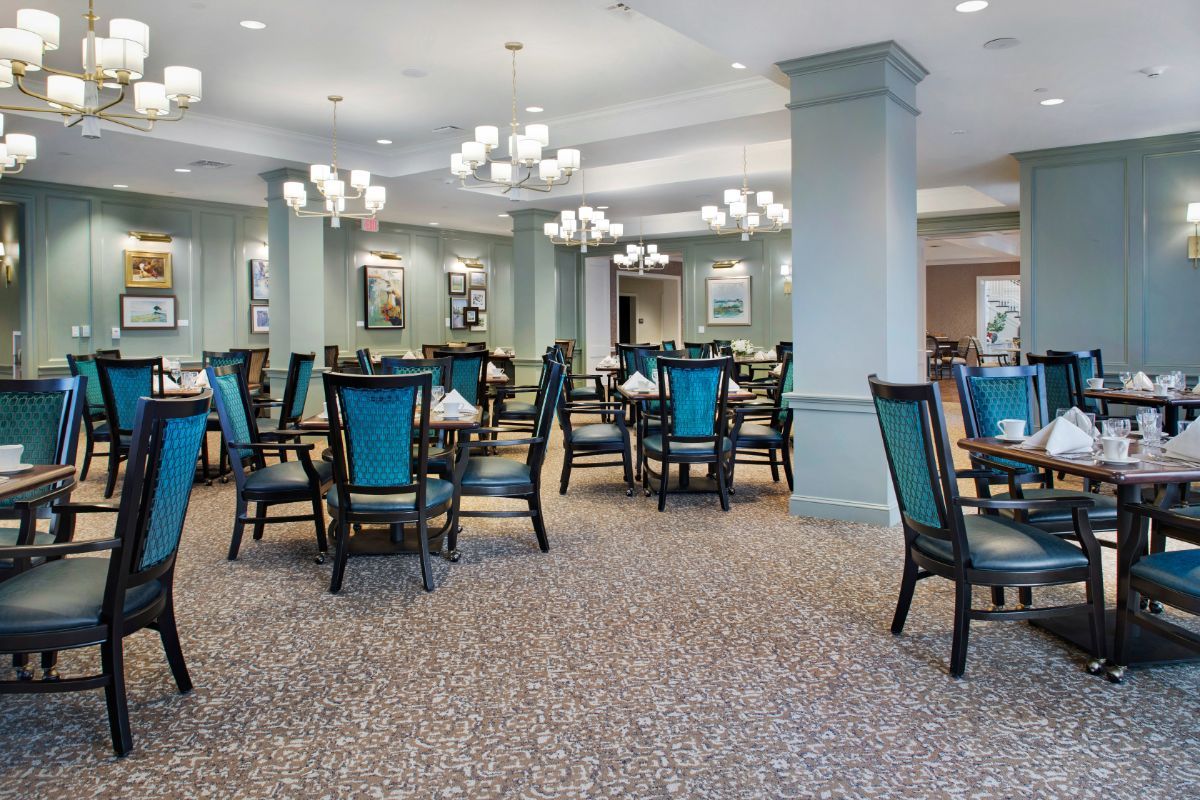
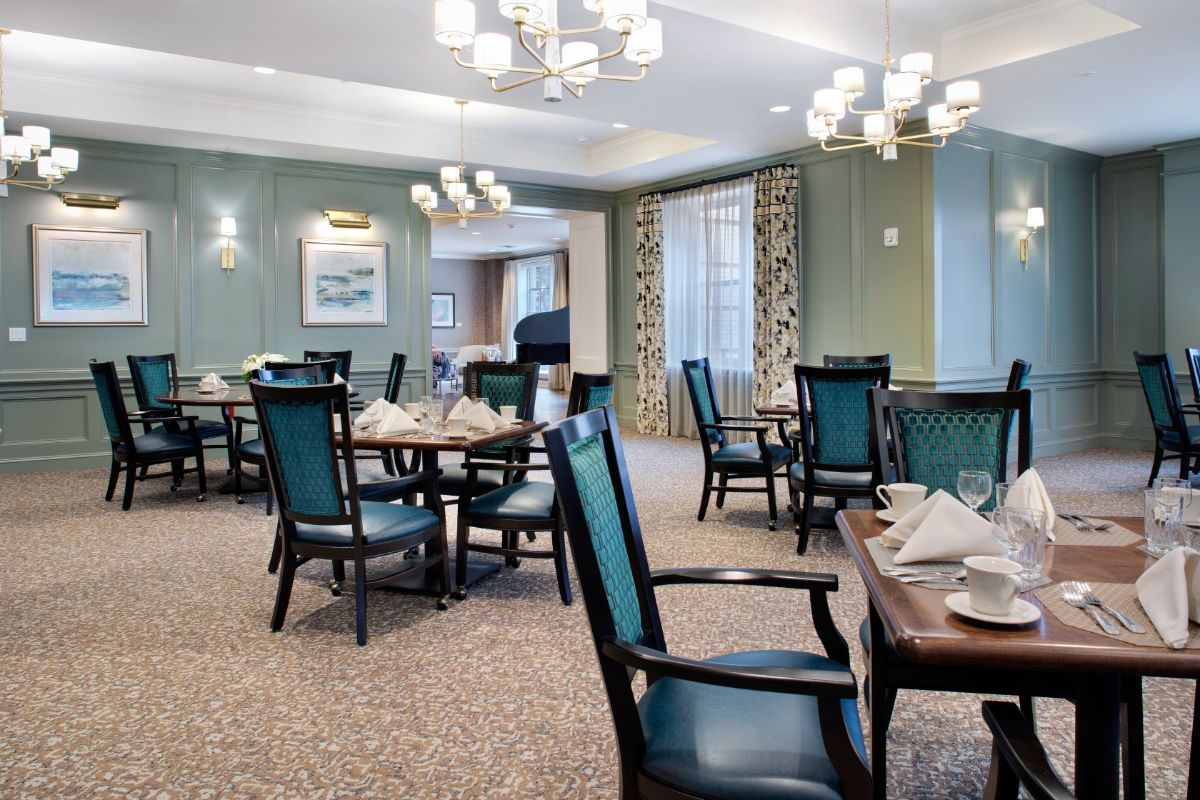
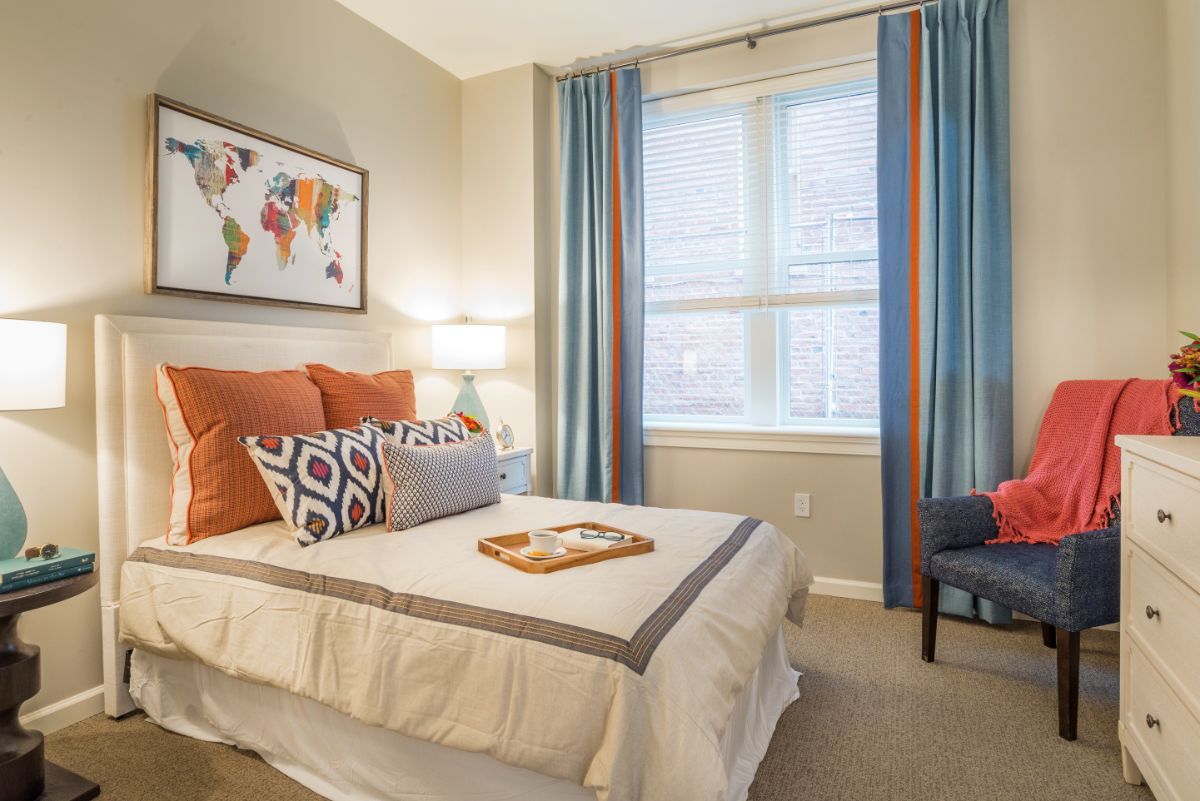
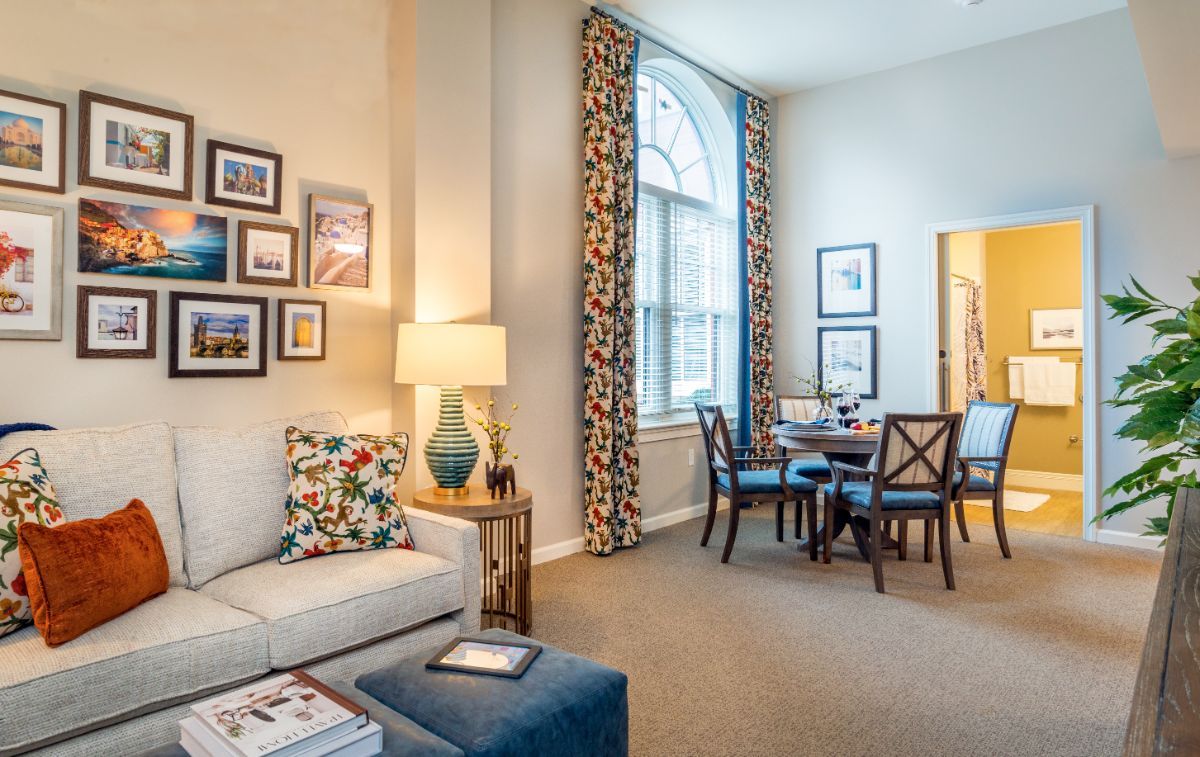
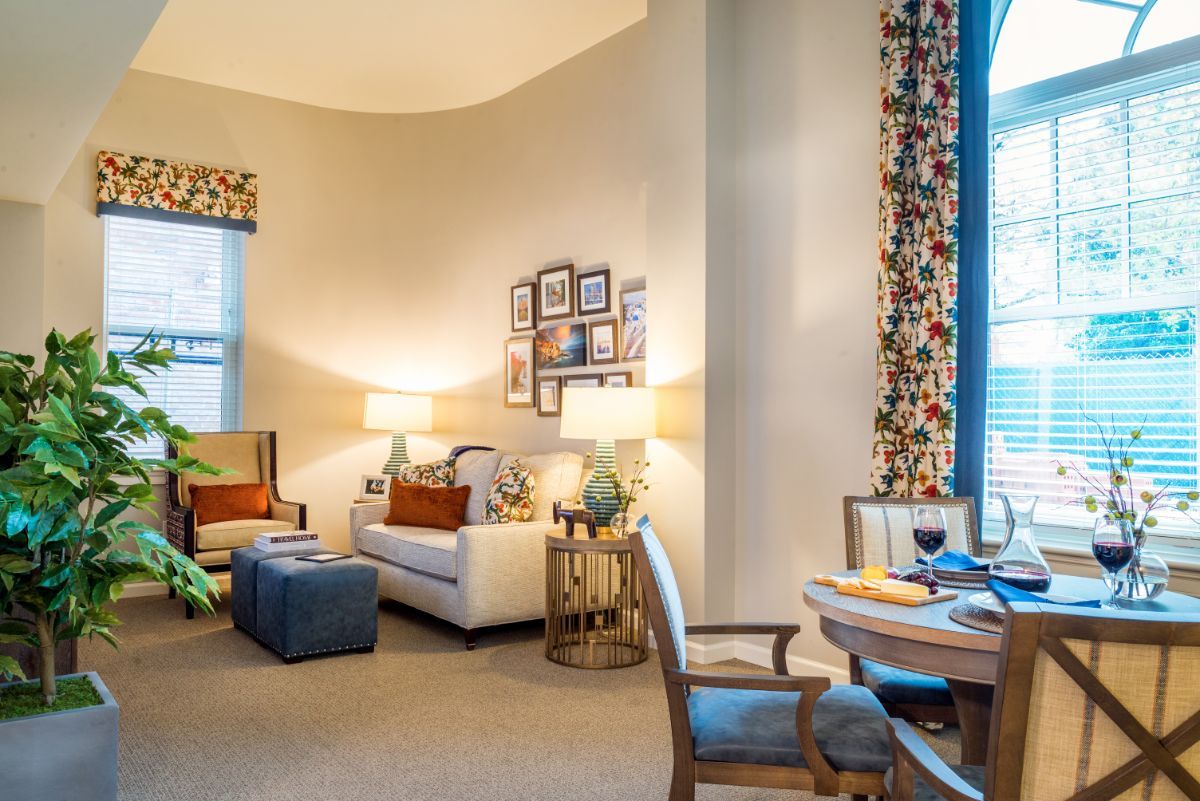
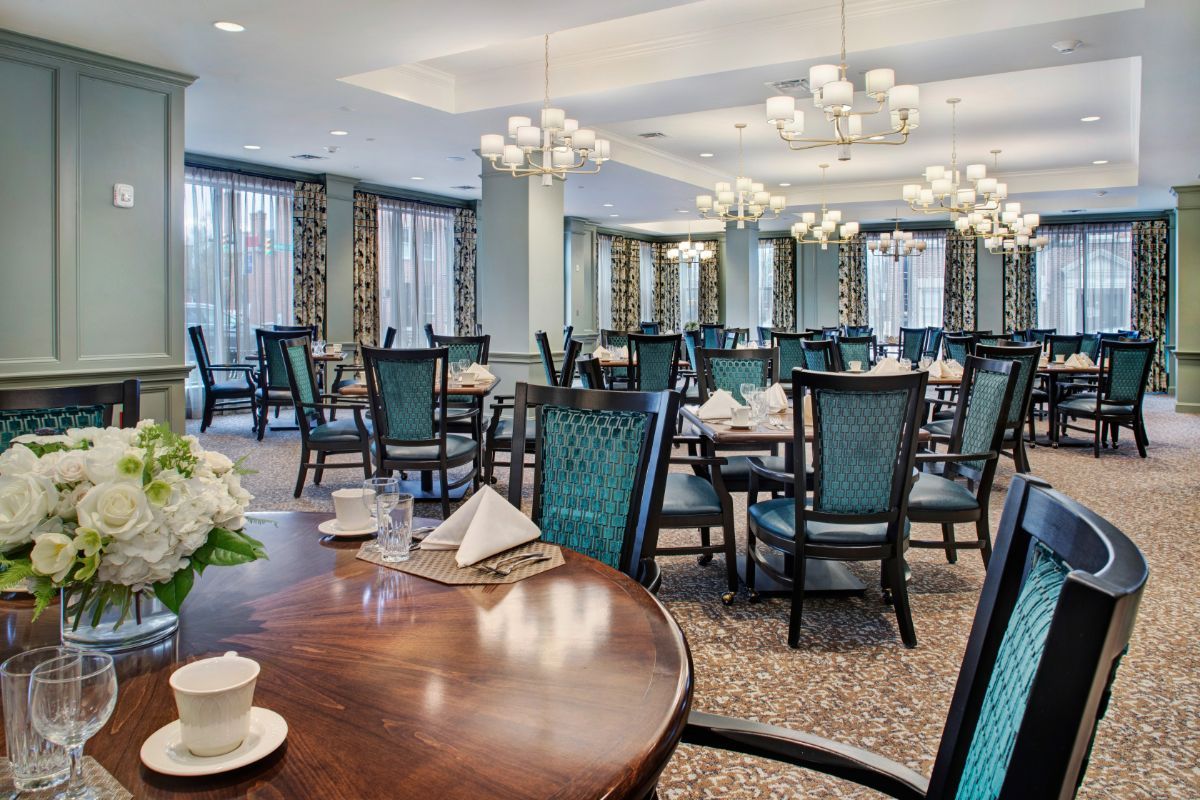
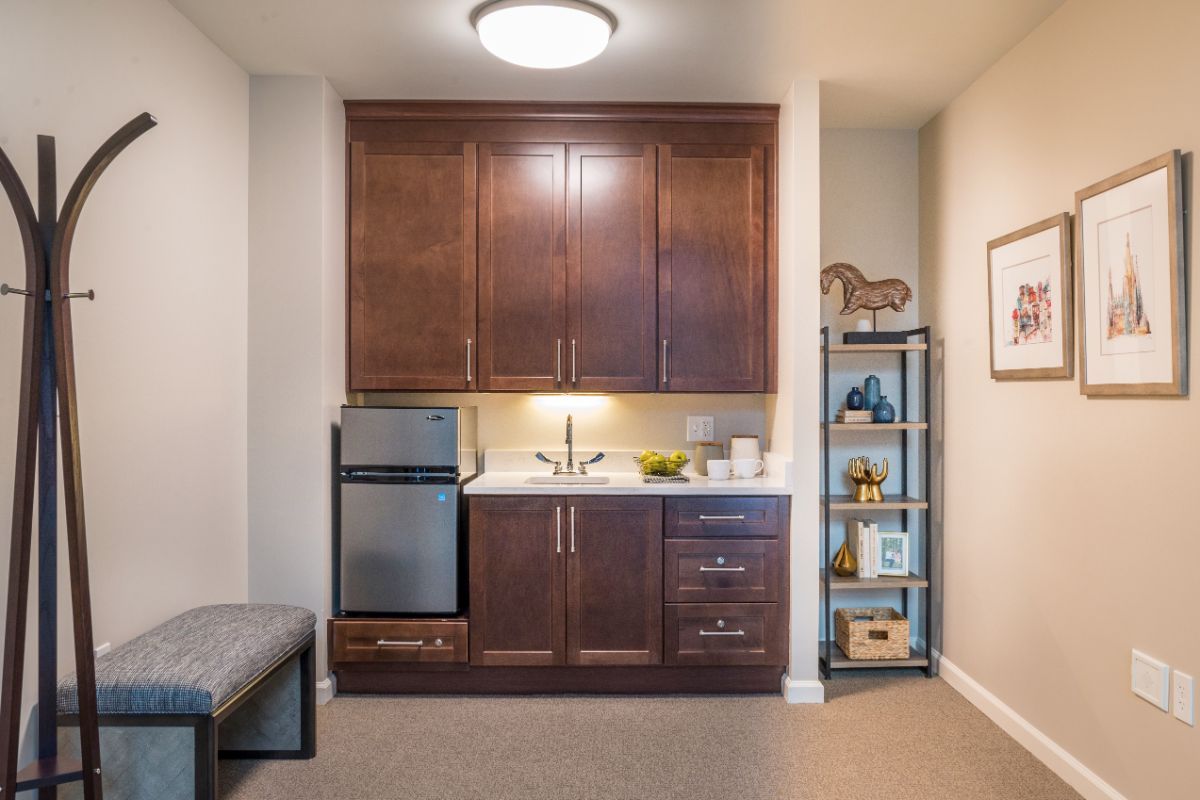
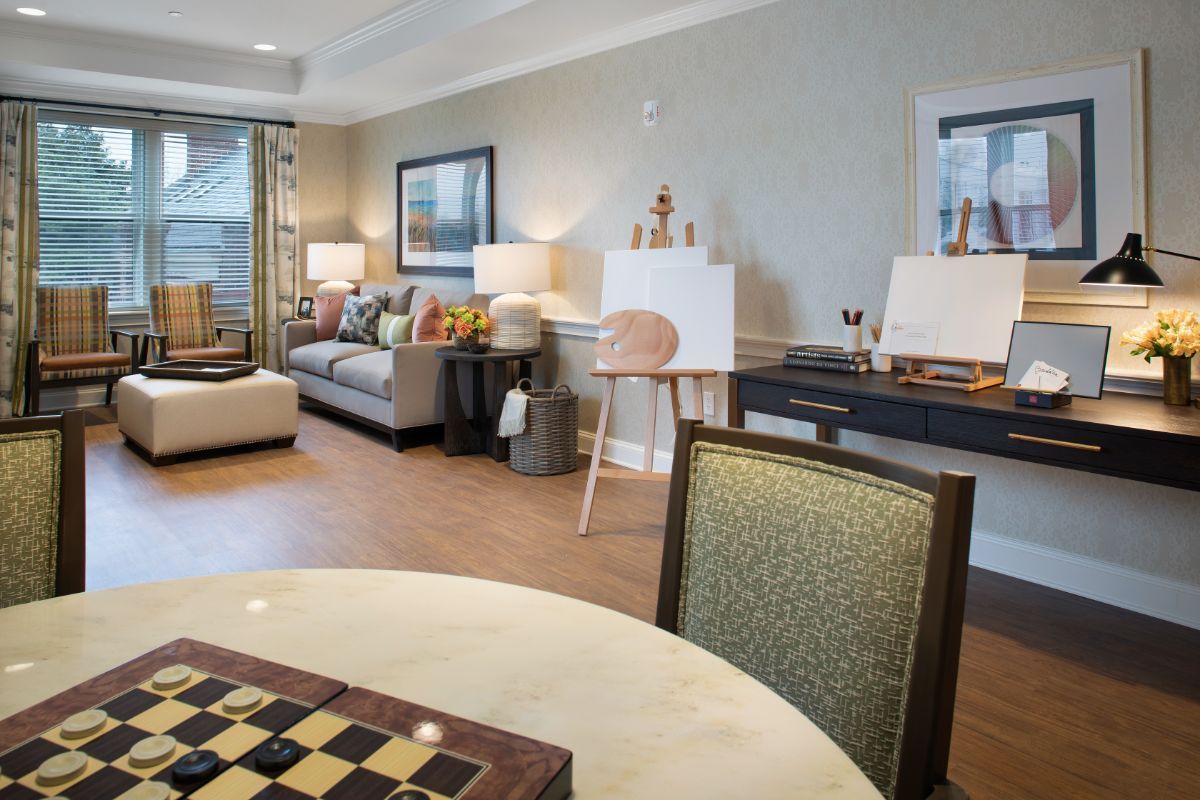
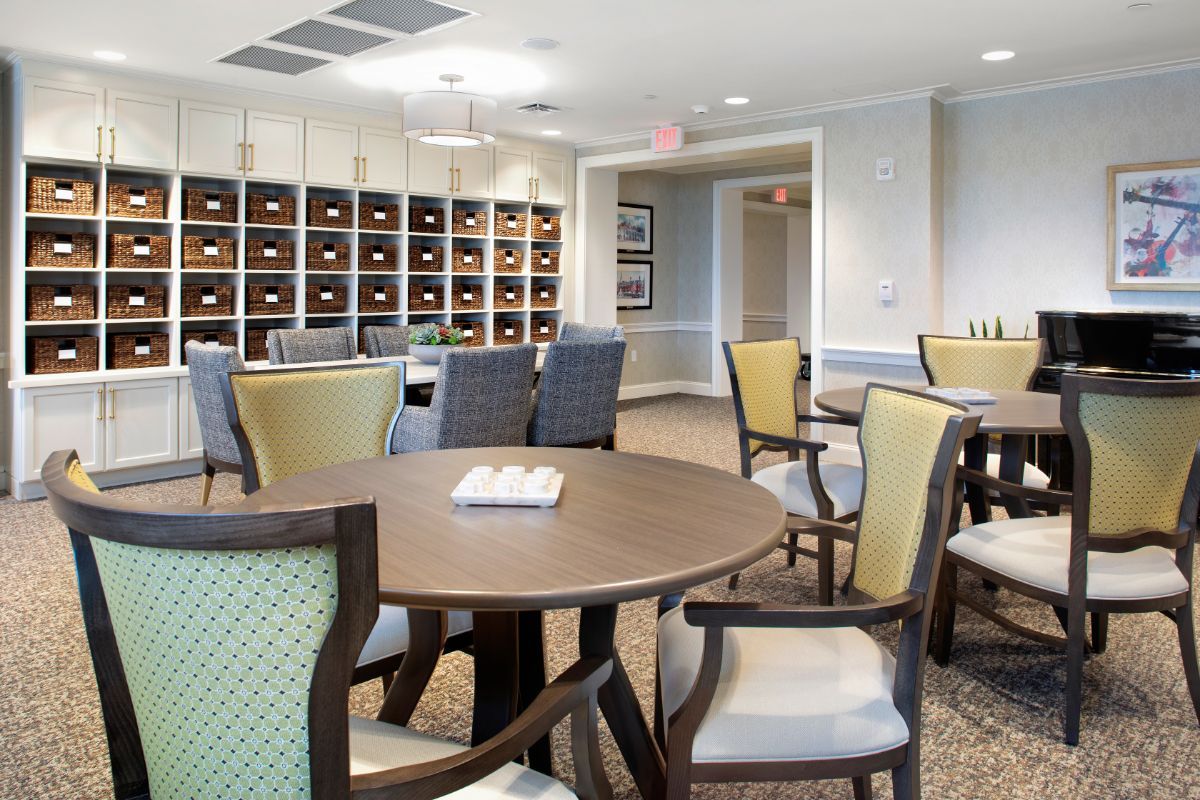
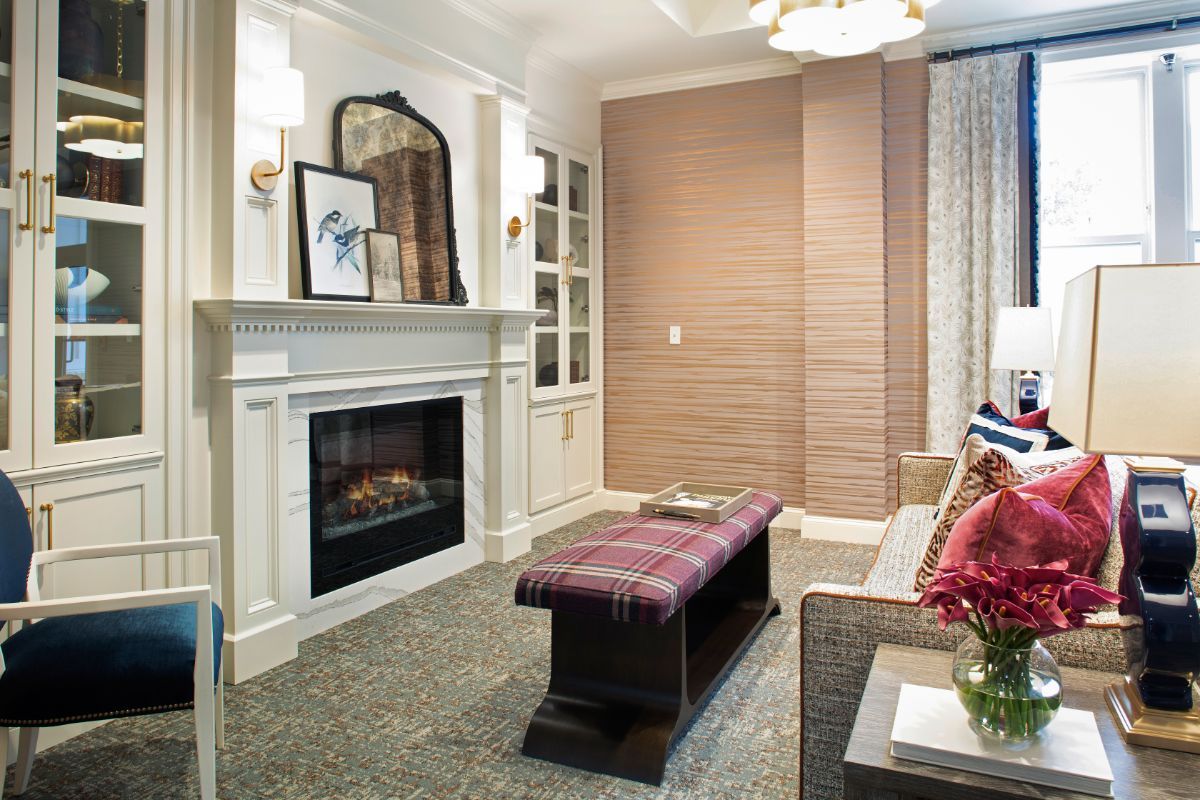
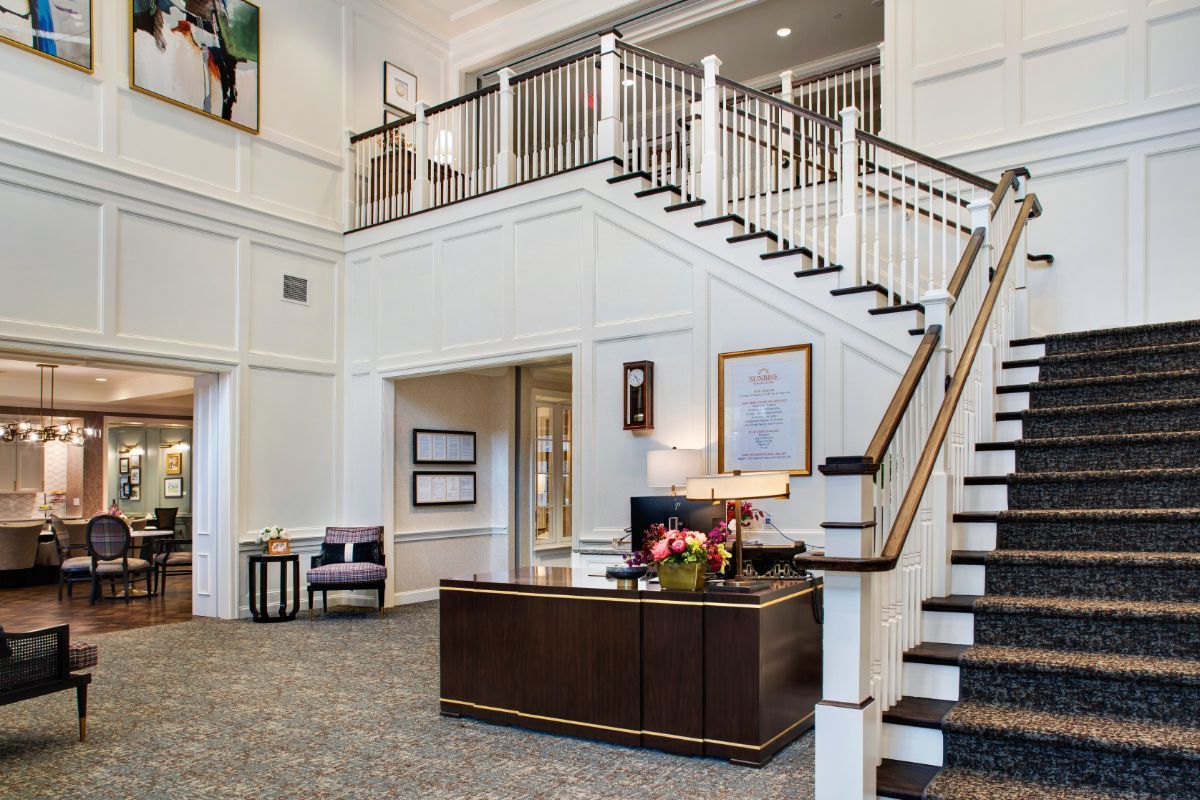
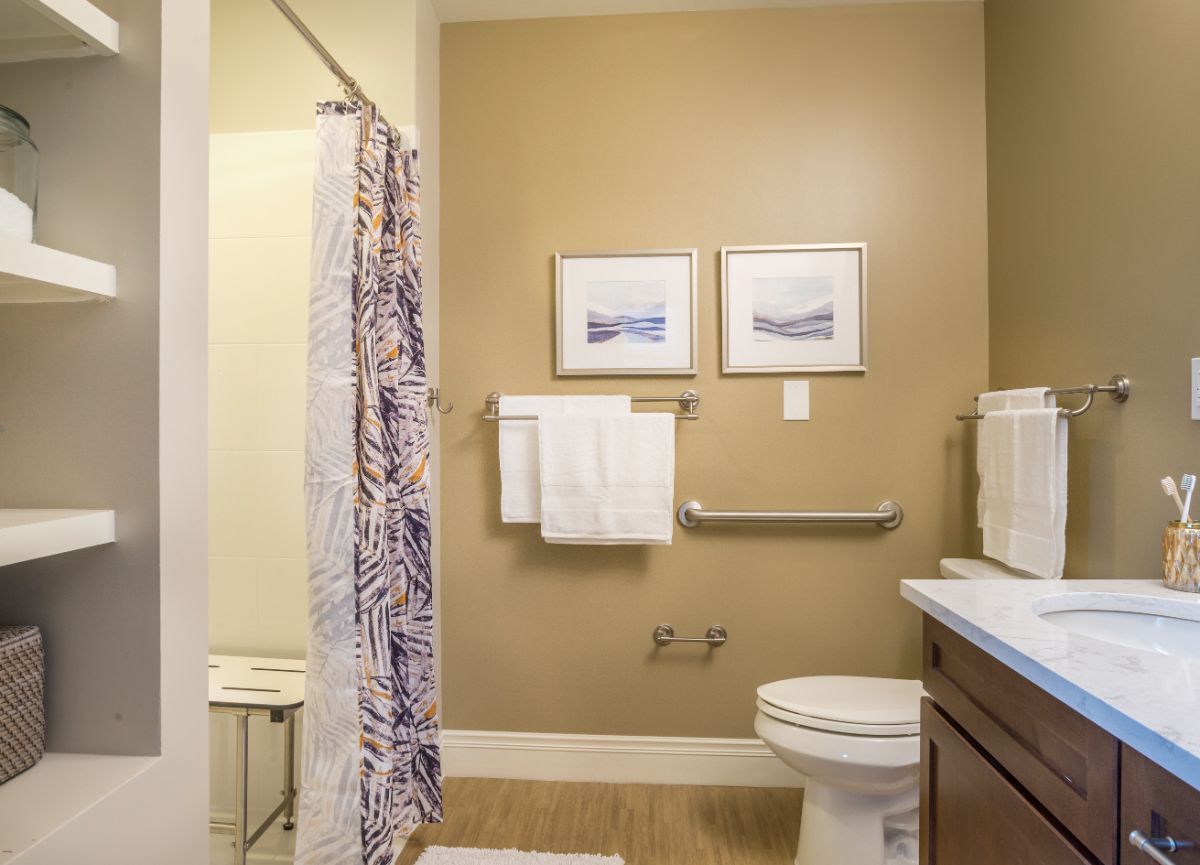
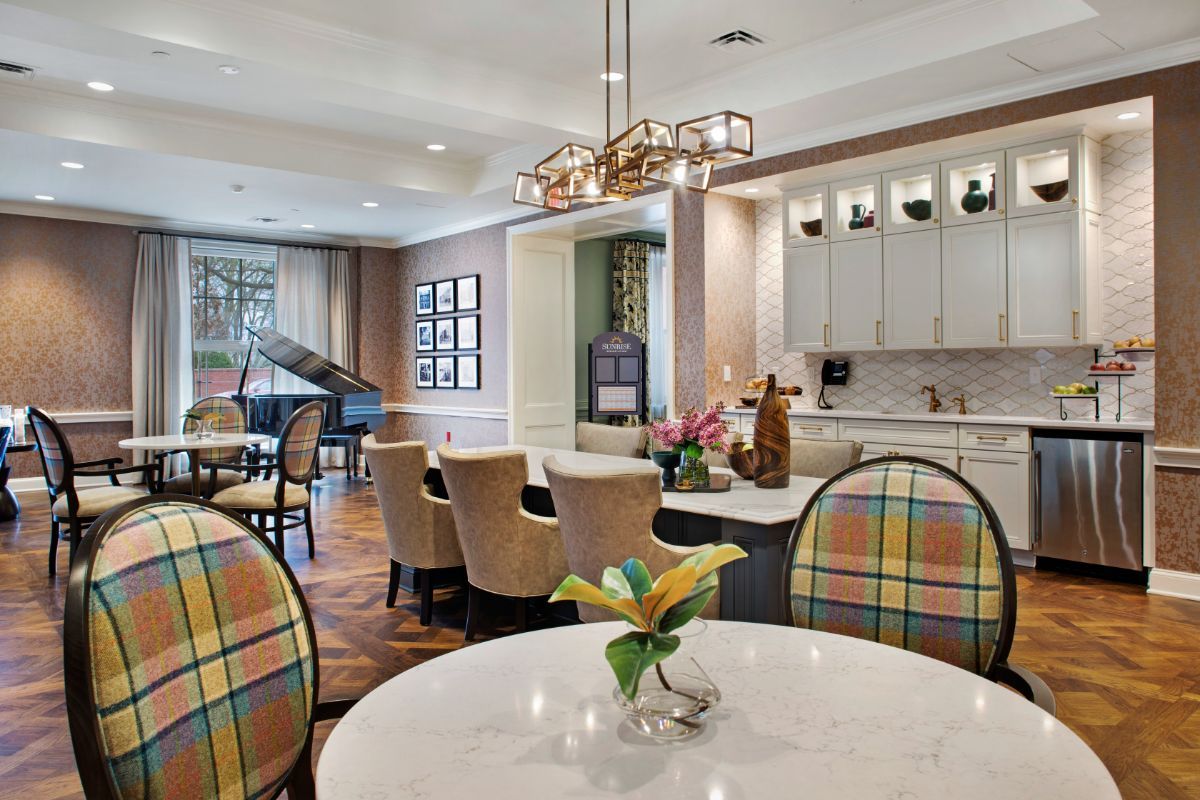
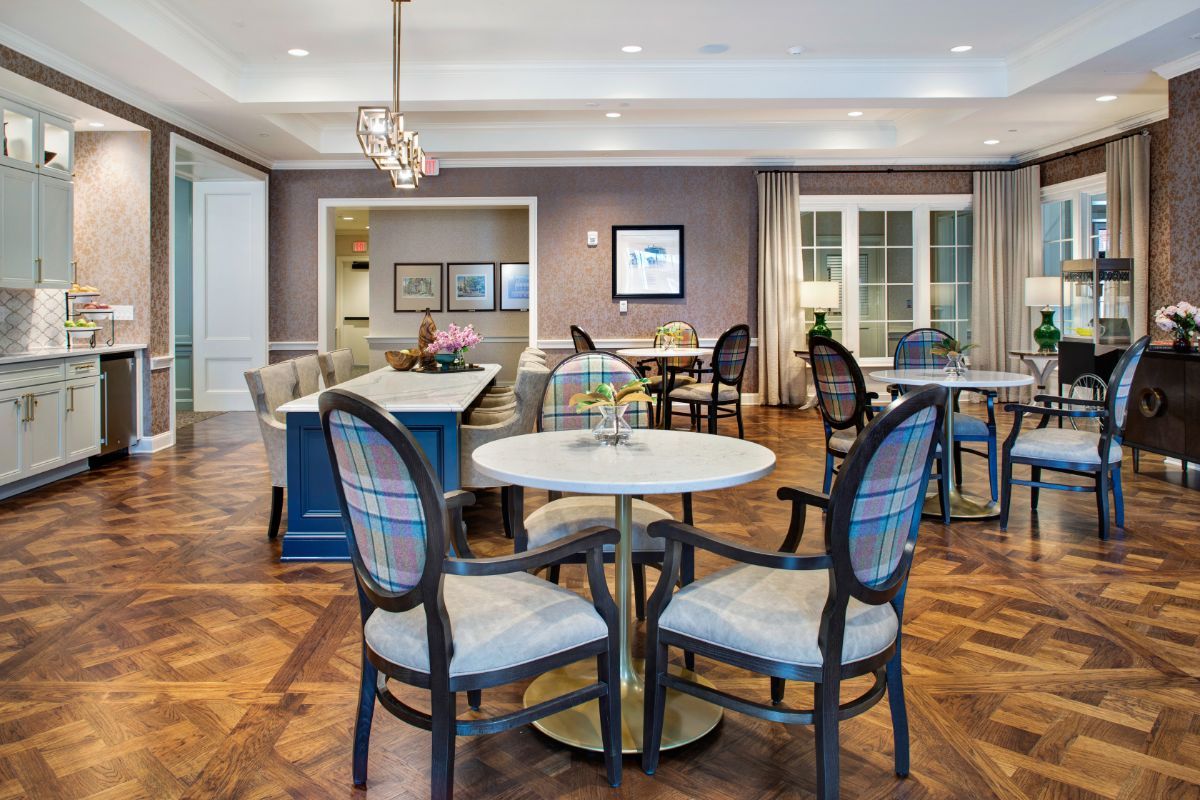
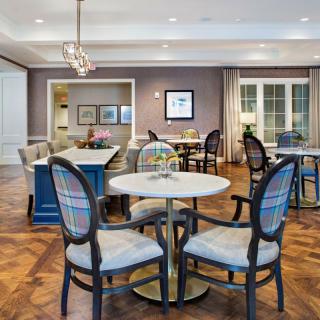
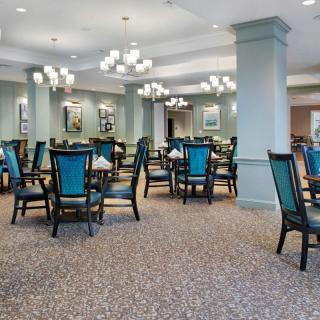
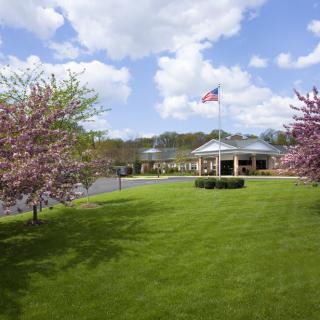
Sunrise of Old Town on seniors.fyi includes 21 photos including images showing interior, decor, dining, living room, lighting, artwork, salon, chandelier, and more.
Nearby Communities
Annie B. Rose - 3 year wait list
Alexandria, VA
5 from 2 reviews
Highly sought-after community with a prime Alexandria location and abundant nearby amenities.
Ladrey Hi-Rise
Alexandria, VA
3.2 from 15 reviews
Many nearby amenities (cafes, parks, pharmacies, restaurants, transit, theater, hospital).
Adult Companion Care Inc
Alexandria, VA
4.9 from 44 reviews
Great access to nearby amenities and healthcare.
Old Town West
Alexandria, VA
3.5 from 2 reviews
Prime Old Town West location with abundant nearby amenities.
Comfort Keepers, Alexandria, VA
Alexandria, VA
4.7 from 12 reviews
$3,330 to $5,191 / month
Vibrant, amenity-rich Alexandria location with extensive nearby dining, healthcare, transport, and entertainment options.
Sunrise of Old Town Alexandria
Alexandria, VA
4.3 from 9 reviews
$8,040 to $11,220 / month
Beautiful, modern facility with friendly staff, engaging activities, and a convenient location.
Paul Spring Retirement Community
Alexandria, VA
4.8 from 169 reviews
$3,350 to $7,180 / month
Friendly, attentive staff in a well-maintained community with engaging activities and restaurant-style dining.
Claridge House of Arlington
Arlington, VA
3.4 from 8 reviews
Extensive nearby amenities and services (cafes, restaurants, parks, healthcare, transit, worship, and entertainment) in Arlington.
Goodwin House Alexandria
Alexandria, VA
4.5 from 29 reviews
Lovely apartments, excellent dining, and a strong community with comprehensive care options.
Choosing between assisted living and nursing homes involves evaluating emotional and financial factors, with assisted living offering independence and support for daily activities at a lower cost, while nursing homes provide intensive medical care for individuals with significant health needs. The decision is influenced by personal preferences, health status, cognitive function, and varying Medicaid coverage across states.
The article presents eight strategies for preserving cognitive health and memory in older adults, emphasizing a nutrient-rich diet, regular exercise, intellectually stimulating activities, adequate sleep, social connections, stress management techniques, limiting harmful substances, and regular medical checkups to mitigate age-related memory decline.
Activities of Daily Living (ADLs) are fundamental tasks vital for an individual's independence, particularly in older adults over 85, and include functions like bathing and dressing; assessing ADLs alongside Instrumental Activities of Daily Living (IADLs) helps determine the level of required assistance due to age-related health challenges. Tailored support plans, involving family and community resources, are essential for maintaining dignity and autonomy in assisted living environments.
Get PricingAsk A QuestionSchedule A TourContact Senior Advisor
By clicking submit, you agree to our Partner's Terms of Use. You
also consent to receive calls and texts, which may be autodialed, from our Partner. Your consent is not a condition to
using our Partner's service. Please visit our Partner's Privacy Policy for information about their privacy practices.












 1-bedroom apartments
 Assisted Living
 Memory Care
 Air-conditioning
 Beauty salon
 Cable or satellite TV
 Computer center
 Continuing learning programs
 Dining room
 Family education and support services
 Fitness room
 Fully furnished
 Gaming room
 Garden
 Housekeeping services
 Kitchenette
 Located close to restaurants
 Located close to shopping centers
 Move-in coordination
 Outdoor patio
 Outdoor space
 Private bathrooms
 Religious/meditation center
 Restaurant-style dining
 Small library
 Swimming pool
 Telephone
 Wellness center
 Wi-Fi/high-speed internet available
 Ronald Reagan Washington National (3 miles away)
 Community operated transportation
 24-hour call system
 Activities of daily living assistance
 Assistance with bathing
 Assistance with dressing
 Assistance with transfers
 Diabetes diet
 Diabetic care
 Medication management
 Mental wellness program
 Respite program
 Special dietary restrictions
 Transportation arrangement (medical)
 Concierge services
 Planned day trips
 English
 Highly sought-after community with a prime Alexandria location and abundant nearby amenities.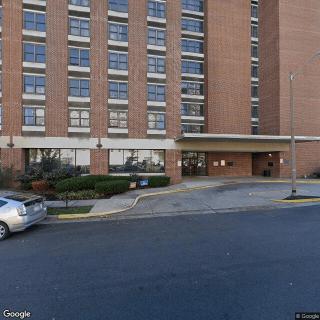

 Choosing the Right Senior Care: A Detailed Exploration of Assisted Living and Nursing Homes
 Safeguarding Your Memory Through the Golden Years: Eight Ways to Preserve Cognitive Health
 Comprehensive Insights into Activities of Daily Living (ADLs) and Their Assessment