
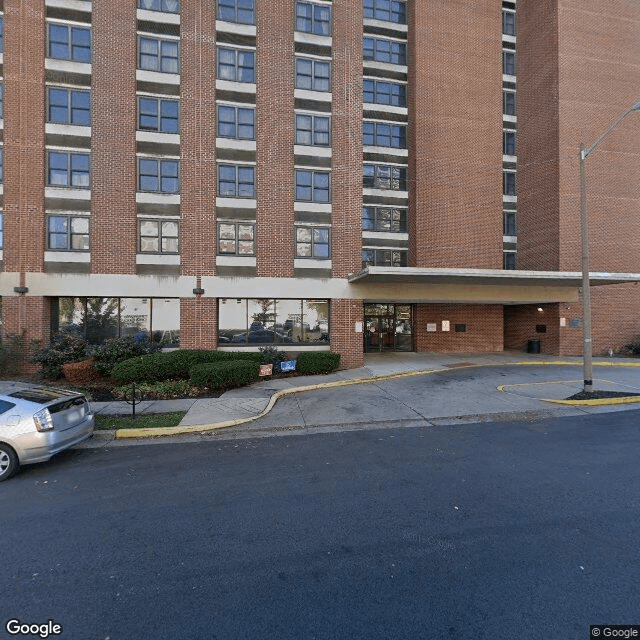
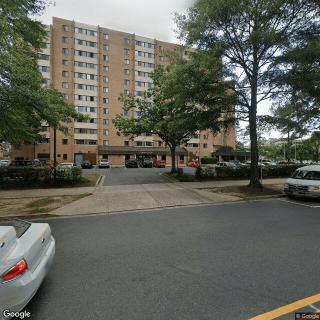
300 Wythe St, Alexandria, VA 22314
To contact a resident: (703) 683-0570
For more information about senior living options: (866) 208-4318
Overall Review of Ladrey Hi-Rise
Pros
 Residents enjoy friendly neighbors, great community services, and feel treated like one big family with everyone looking out for each other.
- People are excellent.
- They love the residence and are met with a warm reception when they visit.
Cons
 It was the worst place they've ever been.
- It was a horrible place to stay.
- It was a nightmare 24/7.
Review
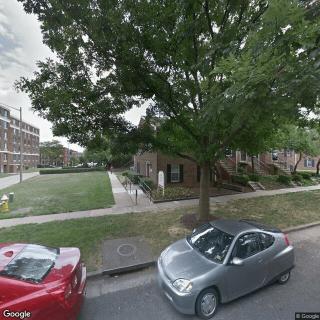
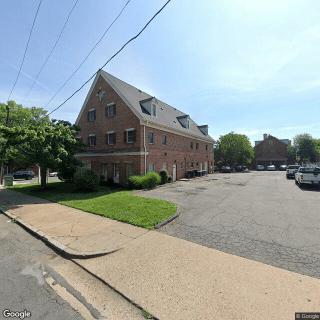
Ladrey Hi-Rise in Alexandria is best suited for seniors who want a strongly social, community-focused living environment within an urban setting. This building emphasizes neighborliness and a family-like atmosphere, with staff and residents who look out for one another and a welcoming mood that can make daily life feel less isolated. For someone who seeks daily opportunities to connect, participate in organized services, and maintain a sense of belonging, Ladrey offers a compelling, practically livable framework.
Those who should consider alternatives are clear: anyone needing consistently high-touch, uniform care or a calm, low-traffic setting may find Ladrey falls short. Some reviews hint at extreme dissatisfaction, suggesting variability in management, upkeep, or overall experience. For residents who require steady clinical oversight, predictable routines, or more controlled noise and privacy, other communities with stronger care governance and steadier performance will likely deliver more peace of mind. Families prioritizing uniform reliability should explore options with a more consistently documented track record.
The strongest positives, friendly neighbors, robust social engagement, and accessible community services, can offset many daily stresses. A genuine sense of belonging and the ability to lean on others in a shared space are meaningful quality-of-life drivers, especially in senior living. When the social fabric is strong, activities, group support, and informal check-ins become a practical part of everyday life, which can significantly ease aging in place. In that light, Ladrey can serve as a practical anchor for residents who value camaraderie and participation over pristine quiet or clinical polish.
Nevertheless, the darker notes cannot be ignored. Descriptions of a hostile or chaotic experience, and reports of inconsistent experiences, point to gaps in oversight, maintenance responsiveness, and clear communication. An older high-rise physics can magnify small inconveniences, elevator delays, common-area wear, noise, into meaningful daily frictions if they are not addressed promptly. The spread of ratings across high and low indicates this is not a uniformly positive environment; therefore, prospective residents should probe into who runs the building, how quickly issues are resolved, and what the actual experiences are for residents beyond the initial impression.
For families weighing choices, consider what matters most: steady care and predictable operations, or strong social connectivity and a warm, neighborly culture. If the priority is reliable service and a consistent daily rhythm, other communities in the Alexandria area may offer more dependable care governance and maintenance standards. If, instead, the aim is to embed a senior in a lively, supportive network where neighbors feel like family, Ladrey becomes a compelling option, provided thorough due diligence is conducted. The decisive move is an in-person assessment with candid conversations: tour during peak activity, speak with residents across shifts, review incident histories and maintenance responsiveness, and obtain a clear, written breakdown of services and fees. With clear expectations and a plan to address potential drawbacks, Ladrey Hi-Rise can be a valuable home that leverages its social strengths while acknowledging and mitigating its gaps.
 Active Adult Communities (55+)
 Ronald Reagan Washington National (3 miles away)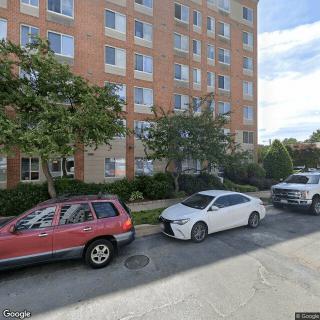




 Exploring Palliative Care in the Home: A Comprehensive Overview
 Comprehensive Insights into Palliative Home Care: What It Is and What to Expect
 Skilled Nursing Facilities vs. Nursing Homes: Making Sense of the Differences