Ashford of Springville Assisted Living & Memory Care Costs & Pricing
At Ashford of Springville Assisted Living & Memory Care, the monthly cost for a private room is $4,500. This figure reflects the facility's commitment to providing high-quality care tailored to the needs of its residents. Comparatively, the average cost in Utah County stands at $3,339, while the statewide average for similar services in Utah is approximately $3,782. While Ashford's pricing is notably higher than both regional and state averages, this premium may be indicative of enhanced services, amenities, or specialized care options that cater specifically to those seeking an elevated standard of living and support in their later years.
Floor plans
Ashford of Springville Assisted Living & Memory Care
Utah County
Utah
Private
$4,500
$3,339
$3,782
Memory care communities with a similar price nearby
Overall Review of Ashford of Springville Assisted Living & Memory Care
caveat2 reviews mention this
Memory care safety and staffing concerns
Some memory-care families report serious concerns about care stability.
Two reviews describe major problems related to dementia-related incontinence and discharge decisions. One family says their loved one was evicted after incidents involving urinating on the floor, despite being disclosed during admission. Another review raises safety concerns that includes falls requiring emergency care and an incident described as leaving a resident unattended during toileting support. Both families characterize staffing and processes as lacking, and say the experience was deeply upsetting.
common
Staff warmth and responsive communication
Families consistently describe staff as kind, attentive, and responsive.
Across multiple reviews, residents and families describe staff members who are consistently friendly and caring. Several mention that caregivers know residents by name and pay attention to individual needs, while others emphasize frequent check-ins and timely help. Reviews also commonly highlight communication with families, including updates when questions or concerns come up. Even when describing challenging moments, families frequently frame the staff’s support as what helped them feel more comfortable and informed.
common
Clean building and comfortable feel
Residents and families repeatedly mention how clean the community feels.
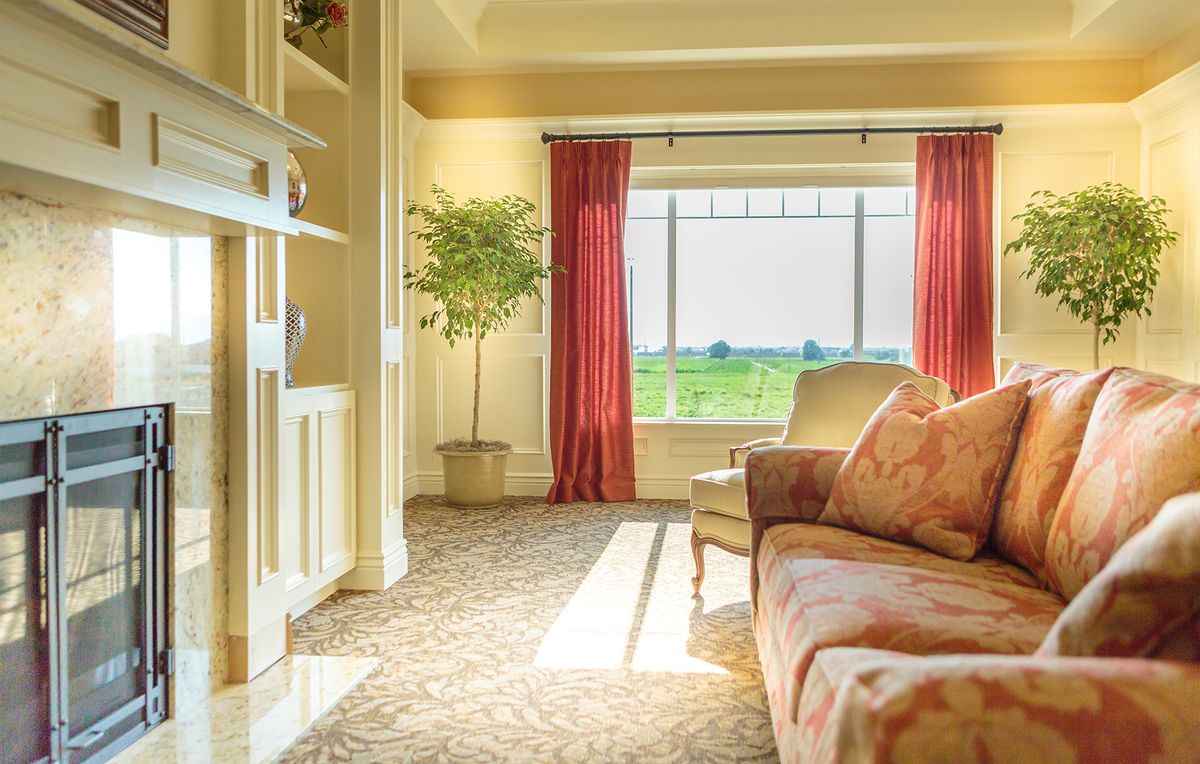
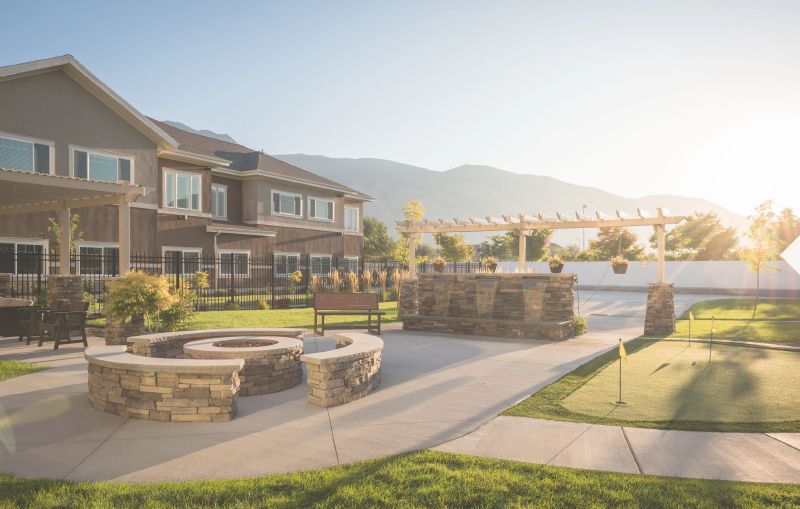
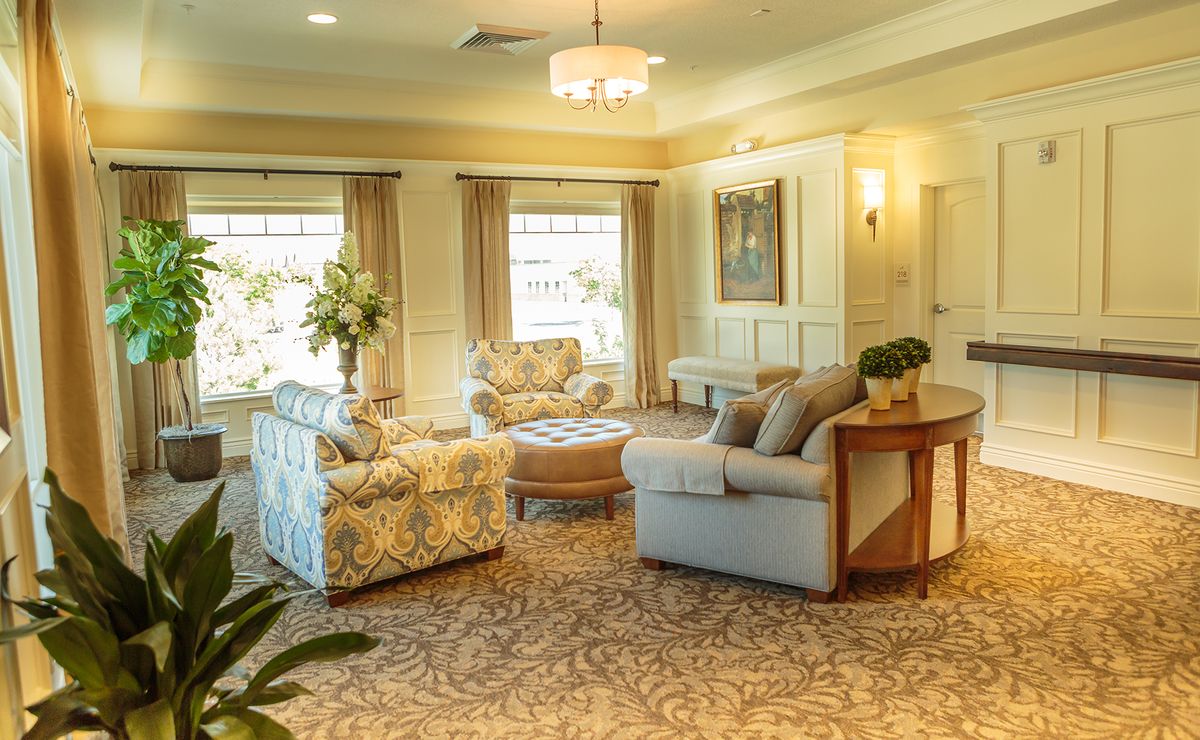
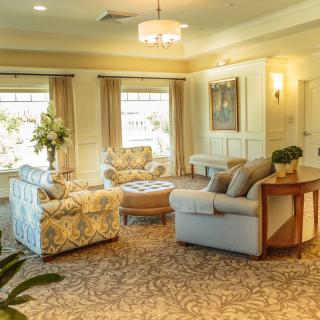
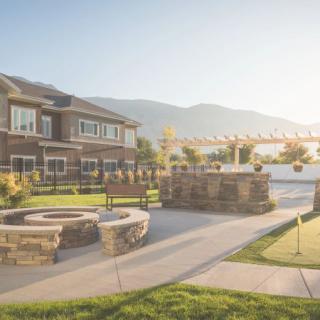
Many reviewers comment that the building is clean, well maintained, and welcoming to visit. Several describe apartments and common areas as kept tidy and presentable, and some even call out cleanliness as a deciding factor when choosing the community. A number of reviews also describe the atmosphere as warm and comfortable, including courtyards and shared spaces used for family visits. Overall, cleanliness and upkeep come through as a consistent, positive day-to-day impression.
common
Activities keep days structured
Residents appear to benefit from a busy schedule of activities.
Reviews frequently describe a steady flow of scheduled activities, outings, and events designed to keep residents engaged. Families mention things like daily calendars, seasonal celebrations, and group activities residents enjoy, including music and variety-style events. Some also highlight transportation to go out for trips and appointments, reinforcing that residents have chances to be out and active. Several reviewers say the activity program helped residents feel at home and reduced worry for families.
common
Food quality and dining experience
Dining is frequently mentioned as a strength of the community.
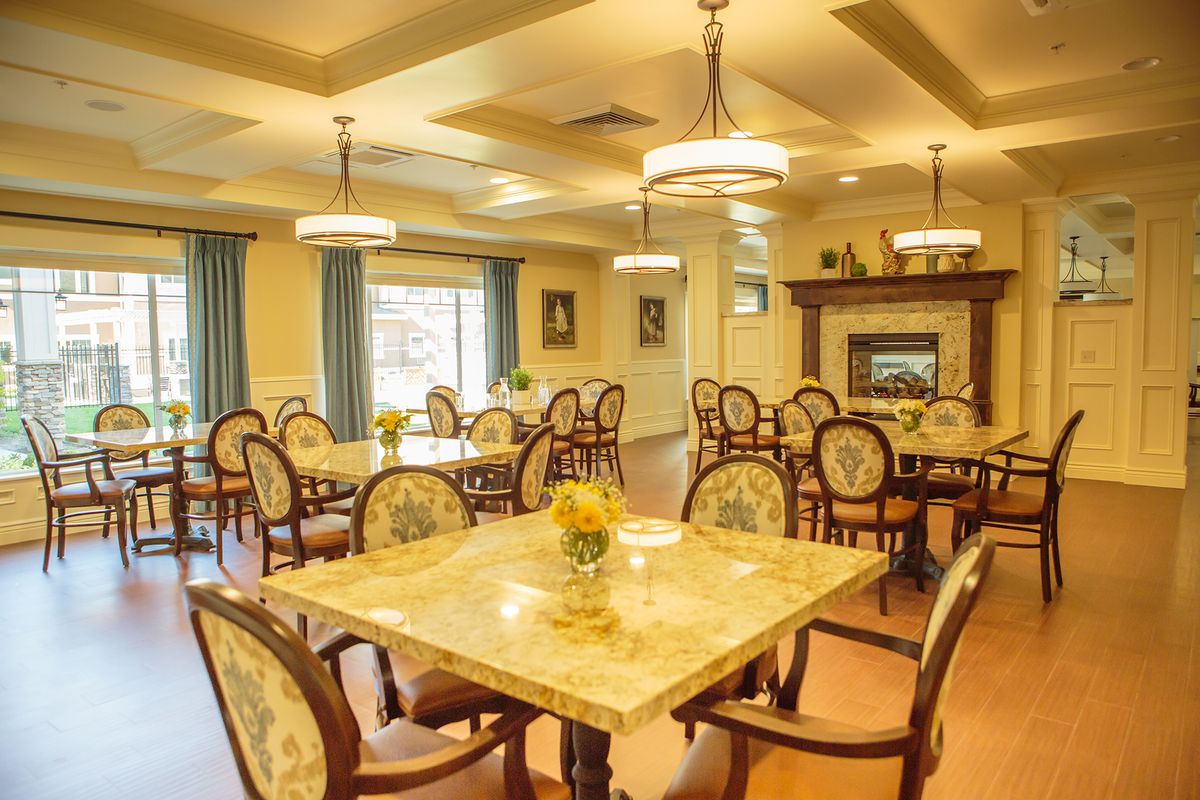
Many reviews include positive comments about food, describing it as delicious, good, or a standout compared with other care facilities. Families also mention that residents enjoy dining and that kitchen and serving staff are friendly during meals. The community also offers restaurant-style dining, aligning with residents’ repeated focus on the dining experience rather than meals feeling institutional. Some reviewers mention variety and ongoing menu options, and a few contrast dining as a smaller concern compared to other strengths.
differentiator
Nursing support and medication management
Families emphasize nursing involvement with medication and medical questions.
Residents and families describe nurses and CNAs as involved in day-to-day support, including medication administration and monitoring. Several reviews mention that staff communicate about medical concerns and coordinate when questions come up, including weekly nurse check-ins described by one family member. Others describe confidence in the care team taking over tasks when needs increase, especially during memory care stages. This emphasis matches the community’s offered services that include medication management and a 24-hour call system with 24-hour supervision.
How we summarize
We summarize when many written reviews mention each theme; a review can touch several themes, and only frequently mentioned themes are displayed.
Features
Housing
95 resident community capacity
Types of Care
Assisted Living
Memory Care
Amenities
Air-conditioning
Beauty salon
Cable or satellite TV
Computer center
Dining room
Fitness room
Fully furnished
Gaming room
Garden
Housekeeping services
Kitchenette
Move-in coordination
Outdoor space
Private bathrooms
Restaurant-style dining
Small library
Telephone
Wellness center
Wi-Fi/high-speed internet available
Transportation
Community operated transportation
Transportation arrangement
Transportation arrangement (non-medical)
Transportation to doctors appointments
Care Services
12-16 hour nursing
24-hour call system
24-hour supervision
Activities of daily living assistance
Assistance with bathing
Assistance with dressing
Assistance with transfers
Diabetes diet
Meal preparation and service
Medication management
Mental wellness program
Mild cognitive impairment
Special dietary restrictions
Specialized memory care programming
Dining
Diabetes diet
Special dietary restrictions
Activities
Community-sponsored activities
Concierge services
Fitness programs
Planned day trips
Resident-run activities
Scheduled daily activities
Nearby Places of Interest
Physicians
Intermountain Instacare Springville (0.1 miles)
Intermountain Medical Group (0.1 miles)
Hobble Creek Medical Clinic (1.1 miles)
Canyon View Medical Group (1.1 miles)
Young Hearing (1.2 miles)
Intermountain Healthcare (1.3 miles)
Springville Dermatology and Diagnostics (1.4 miles)
Hospitals
Intermountain Health Care (0.1 miles)
Utah Valley Hearing and Balance (1.2 miles)
Levi J. Berry, DPM - Canyon Foot and Ankle (4.4 miles)
Utah Valley Hospital (6.3 miles)
Intermountain Health Care (6.4 miles)
Pharmacies
Smith's Food & Drug (0.3 miles)
Walgreens (0.8 miles)
SOS Drug Store (0.8 miles)
Art City Pharmacy (0.9 miles)
Macey's, Happy Shopping (2.9 miles)
Macey's Food & Pharmacy (2.9 miles)
Maple Mountain Pharmacy (3.1 miles)
Restaurants
Strap Tank Brewery (0.8 miles)
Del Taco (0.8 miles)
Jake's Brookside (1.2 miles)
Cracker Barrel (1.2 miles)
McDonald's (1.9 miles)
Chili's Grill & Bar (2.7 miles)
Totonacos Mexican Grill (2.7 miles)
Parks
Springville Community Park (0.9 miles)
Spring Acres Arts Park (2.2 miles)
Mapleton City Park (3.4 miles)
Bicentennial Park (3.7 miles)
Bartholomew Park (3.8 miles)
Ira Allen Park Mapleton Utah (3.9 miles)
Spanish Fork Dog Park (4.1 miles)
Places of Worship
Church of Jesus Christ of Latter-Day Saints the, Wards, Spring Creek, Eighteenth (1.7 miles)
Church of Jesus Christ of Latter Day Saints (2.3 miles)
Church of Jesus Christ of Latter Day Saints (3.2 miles)
Church of Jesus Christ of Latter Day Saints (4.8 miles)
Provo City Center Temple (5.2 miles)
Church of Jesus Christ of Latter Day Saints (6.1 miles)
At Ashford of Springville Assisted Living & Memory Care, the monthly cost for a private room is $4,500. This figure reflects the facility's commitment to providing high-quality care tailored to the needs of its residents. Comparatively, the average cost in Utah County stands at $3,339, while the statewide average for similar services in Utah is approximately $3,782. While Ashford's pricing is notably higher than both regional and state averages, this premium may be indicative of enhanced services, amenities, or specialized care options that cater specifically to those seeking an elevated standard of living and support in their later years.
The various features offered by Ashford of Springville Assisted Living & Memory Care are designed to comprehensively support residents with dementia or Alzheimer's disease, promoting both safety and quality of life. Assistance with dressing and bathing ensures that residents maintain personal hygiene and dignity, which can be challenging as cognitive abilities decline. Medication management is crucial for maintaining health and stability, as it ensures timely adherence to prescribed regimens. Meal preparation and service cater to dietary needs while fostering social interaction during meal times, a key aspect of emotional well-being. Support with activities of daily living encourages independence while providing necessary help where needed. Additionally, assistance with transfers enhances mobility safely within the facility. Continuous 24-hour supervision offers peace of mind for families while ensuring immediate response to any emergencies or needs. The mental wellness program addresses emotional health proactively, while specialized memory care programming targets cognitive engagement through tailored activities designed specifically for those with mild cognitive impairment or advanced stages of memory loss, fostering an environment that prioritizes both safety and cognitive stimulation.
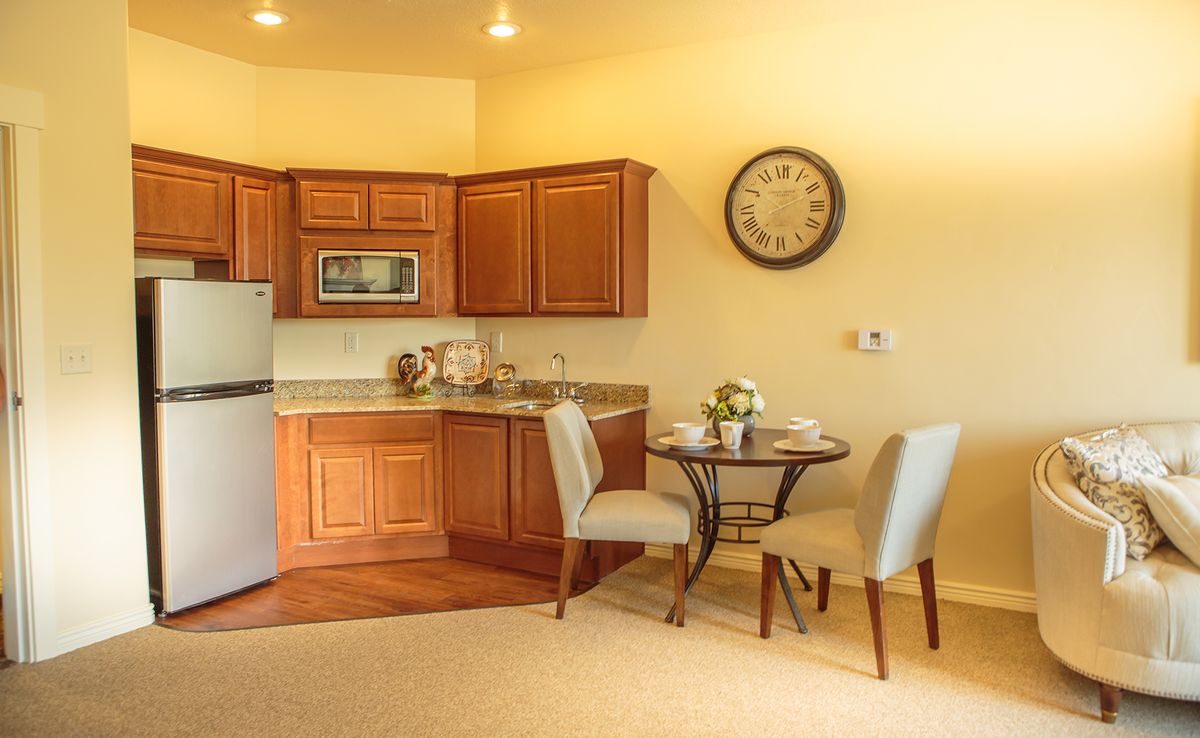
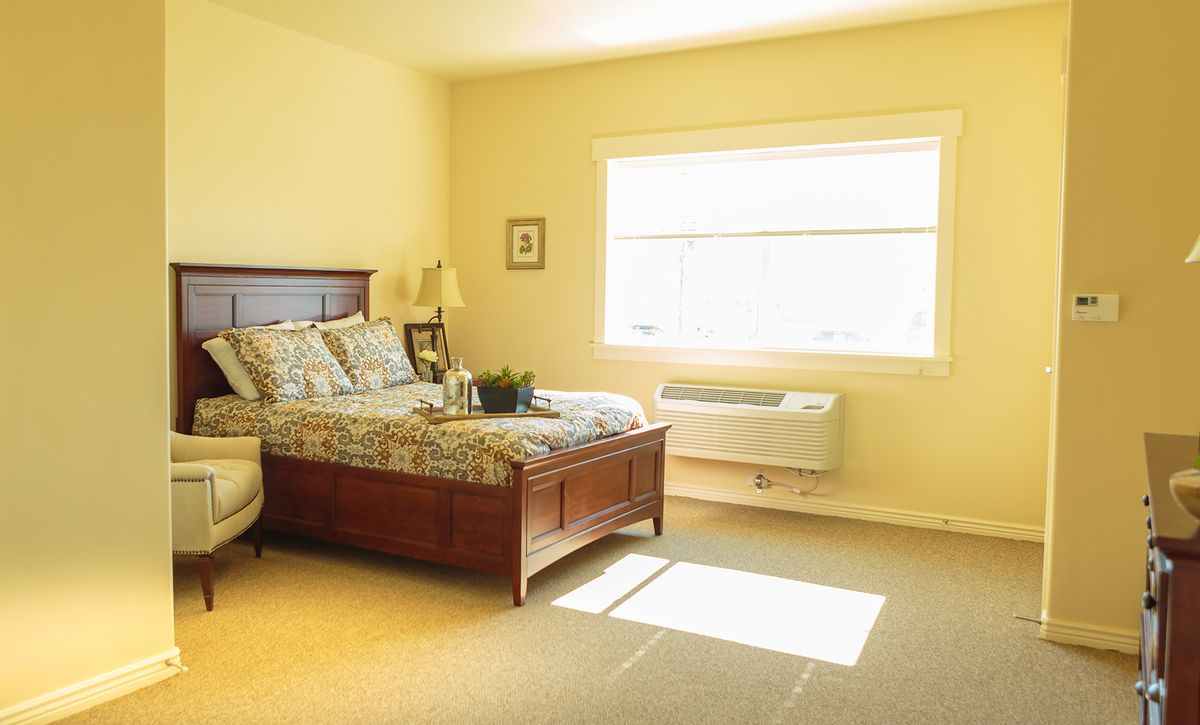
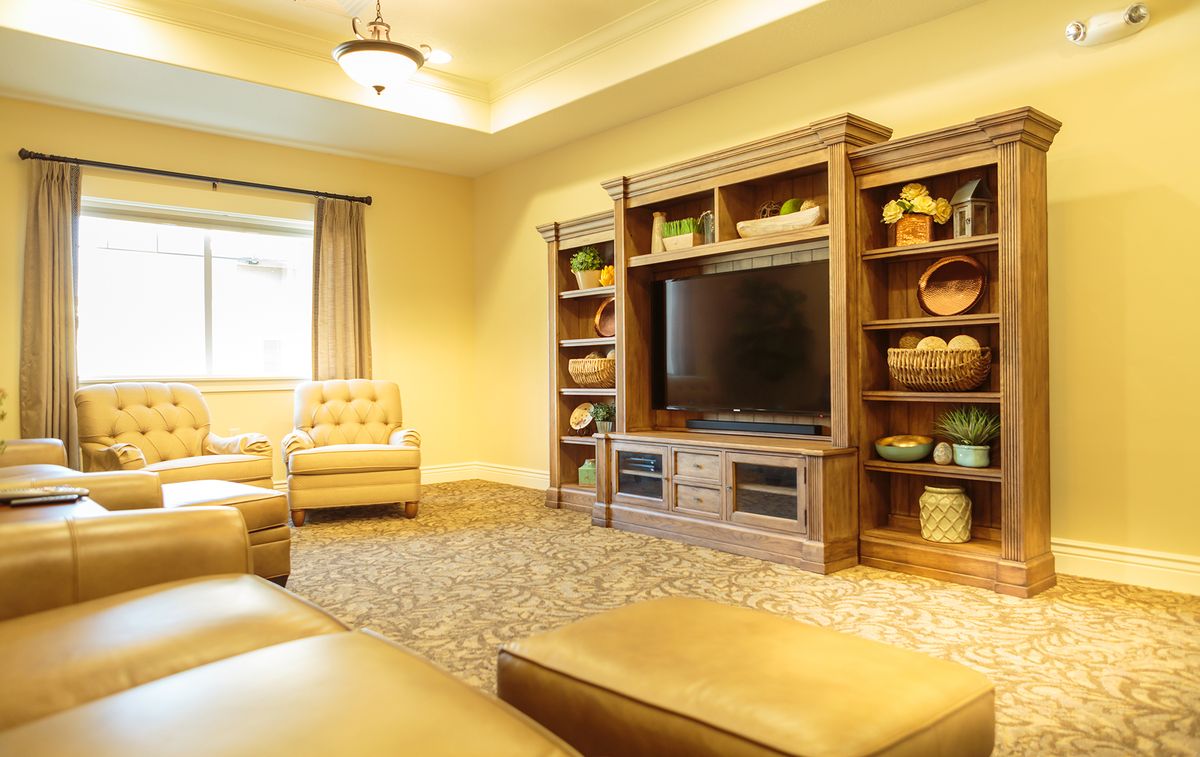
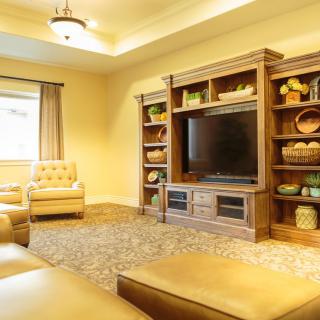
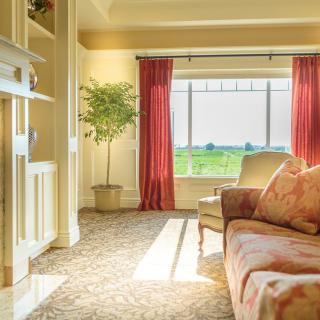
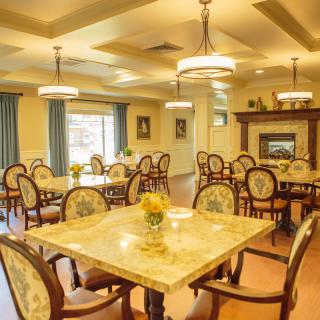
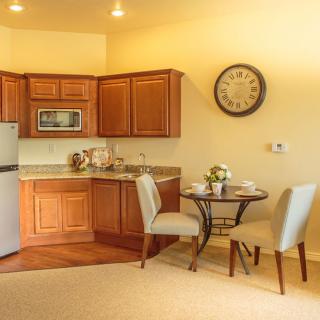
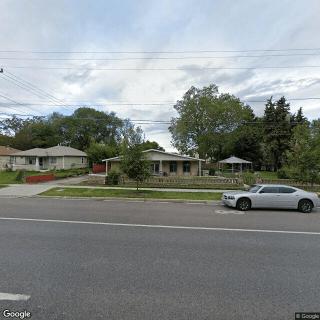
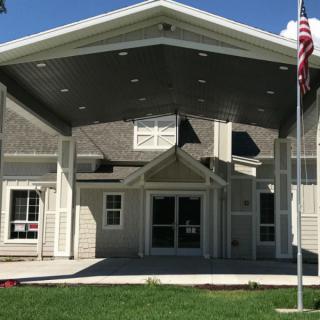
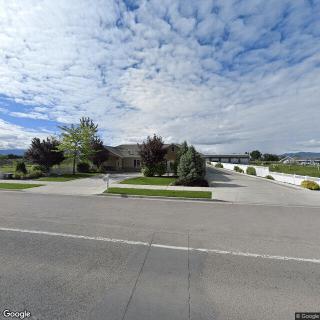
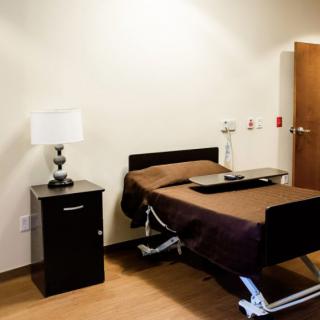
Ashford of Springville Assisted Living & Memory Care on seniors.fyi includes 7 photos including images showing interior, living room, windows, dining, decor, bedroom, lighting, kitchen, and more.
Nearby Communities
Ashford Assisted Living & Memory Care
Springville, UT
4.9 from 61 reviews
Contract offered long-term care options and lease renewal was handled professionally.
Stonehenge Of Springville
Springville, UT
4.2 from 93 reviews
24/7 supervision with ADL assistance, diabetes-friendly meals, and restaurant-style dining.
Medallion Supported Living - Springville
Springville, UT
5 from 1 review
Fully furnished apartments, housekeeping, move-in coordination, 24-hour supervision, comprehensive medical/ADL support, and transportation plus daily activities.
Ann's Siesta Villa
Springville, UT
Excellent nearby healthcare access and amenities.
Reid's Park Place
Springville, UT
4.7 from 29 reviews
Warm, home-like setting with attentive, personalized care from a dedicated staff.
Heritage Gardens Of Springville
Springville, UT
4.5 from 15 reviews
Small, intimate assisted living with 24/7 supervision, furnished apartments, meals, and wellness programs.
BeeHive Homes of Provo I
Provo, UT
4.9 from 32 reviews
$3,000 / month
Attentive, caring staff in a clean, home-like setting.
Visiting Angels Of Utah County
Provo, UT
5 from 28 reviews
Small, personalized community with 24-hour supervision and comprehensive care.
Mervyn Sharp Bennion Central Utah Veterans Home Payson
Payson, UT
4.9 from 71 reviews
Clean, homey environment with personable, caring staff, good meals, varied activities, and spacious apartments.
The article outlines effective communication strategies for interacting with loved ones with dementia, highlighting the need for empathy, patience, and understanding while emphasizing supportive approaches like using simple language, minimizing distractions, and focusing on feelings over facts to maintain dignity and foster connection. It also suggests seeking professional guidance when needed as communication challenges evolve.
VA nursing homes, or Community Living Centers (CLCs), offer tailored long-term care for veterans, featuring medical attention and rehabilitation in a supportive environment. The guide covers facility types, eligibility criteria, financial assistance options, quality of care standards, and alternatives to full-time nursing home placement.
At-home dementia care expenses vary widely based on care levels, location, and caregiver expertise, with monthly costs for home health aides exceeding $4,500 and specialized care potentially surpassing $100,000 annually. While families favor in-home care for its comfort and personalized attention, they must consider financial planning and the challenges of caregiver fatigue.
Ashford of Springville Assisted Living & Memory Care photos
×
Interior
Decor
Living Room
Building
Windows
Dining
Kitchen
Interior
Decor
Bedroom and Daylight
Dining
Living Room
Landscaping, Building, Architecture, Garden, Outdoor, and Mountains
Windows
Kitchen and Appliances
Lighting
Television, Seating Area, and Home Interior
Plant
Get PricingAsk A QuestionSchedule A TourContact Senior Advisor
By clicking submit, you agree to our Partner's Terms of Use. You
also consent to receive calls and texts, which may be autodialed, from our Partner. Your consent is not a condition to
using our Partner's service. Please visit our Partner's Privacy Policy for information about their privacy practices.




 95 resident community capacity
 Assisted Living
 Memory Care
 Air-conditioning
 Beauty salon
 Cable or satellite TV
 Computer center
 Dining room
 Fitness room
 Fully furnished
 Gaming room
 Garden
 Housekeeping services
 Kitchenette
 Move-in coordination
 Outdoor space
 Private bathrooms
 Restaurant-style dining
 Small library
 Telephone
 Wellness center
 Wi-Fi/high-speed internet available
 Community operated transportation
 12-16 hour nursing
 24-hour call system
 Activities of daily living assistance
 Assistance with bathing
 Assistance with dressing
 Assistance with transfers
 Diabetes diet
 Medication management
 Mental wellness program
 Special dietary restrictions
 Concierge services
 Planned day trips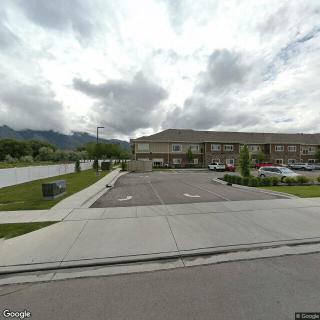
 Contract offered long-term care options and lease renewal was handled professionally.

 How to Communicate with a Loved One Living with Dementia: 10 Supportive Strategies
 Comprehensive Guide to VA Nursing Homes: A Crucial Long-Term Care Resource for Veterans
 Estimating the Expenses of At-Home Dementia Care: A Detailed Exploration