Rosewood Assisted Care in Salt Lake City, UT

Save

  • Interior

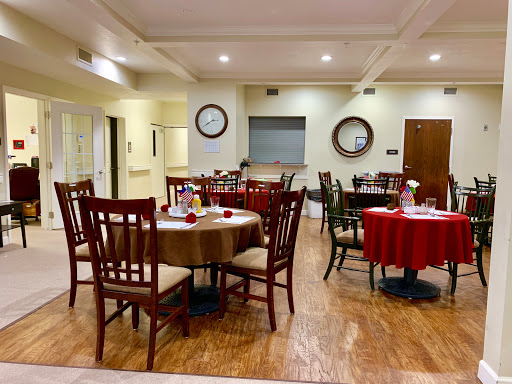
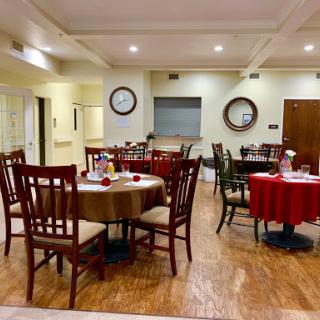
    A cozy dining area featuring well-set tables with red tablecloths, surrounded by wooden chairs under warm lighting.
  • Decor

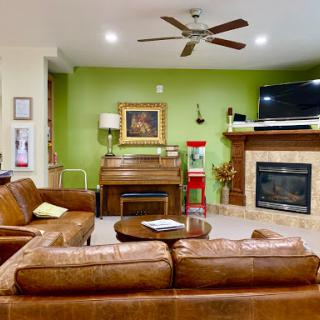
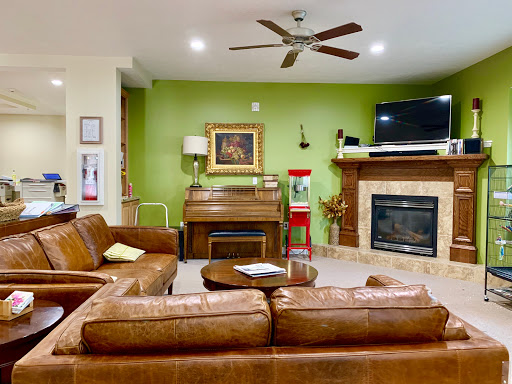
    A cozy living room featuring a leather sofa, piano, and a warm green wall.
  • Living Room

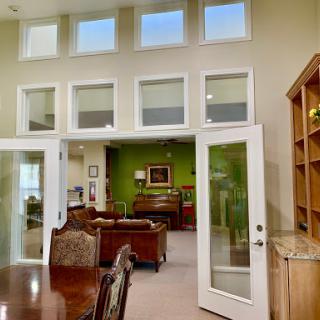
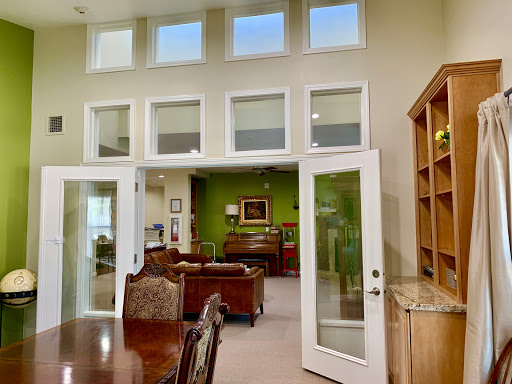
    A spacious living area showcasing a blend of natural light and refreshing green decor.
  • Building

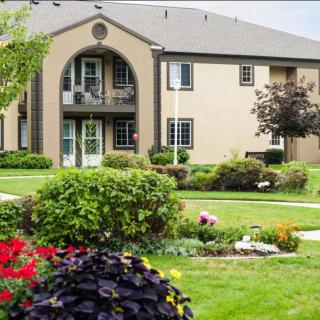
    A well-maintained residential building with inviting landscaping.
  • Windows

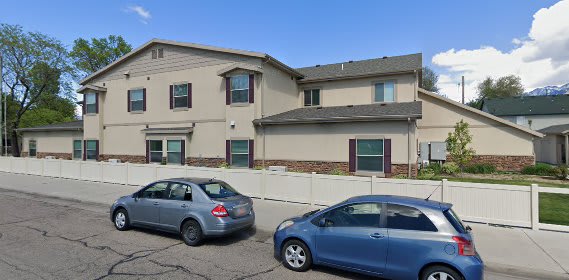
    A residential building with parked cars along the street under a clear blue sky.
  • Dining

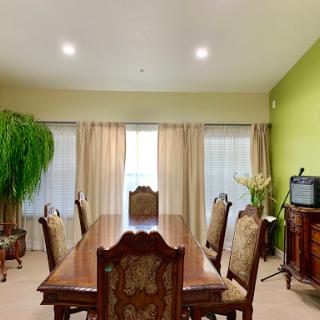
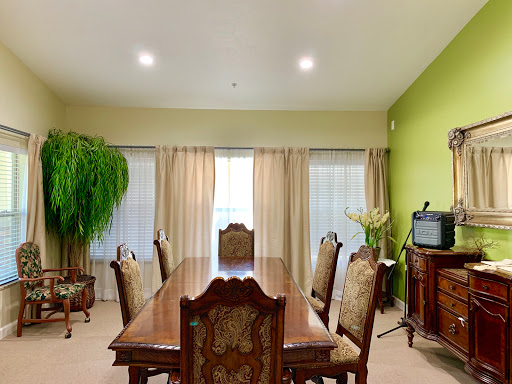
    A spacious dining room with elegant wooden furniture and green walls.
  • Landscaping

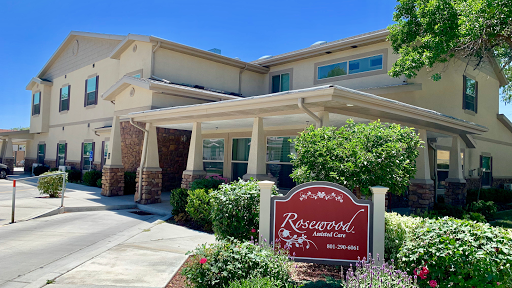
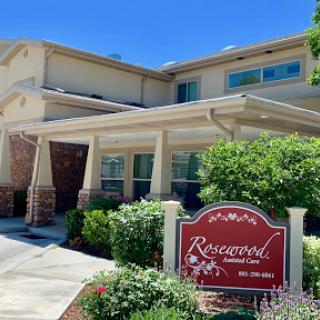
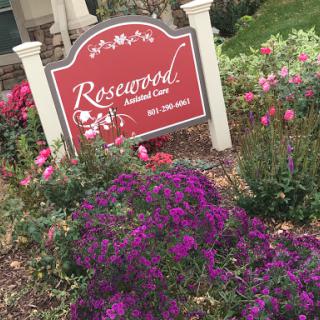
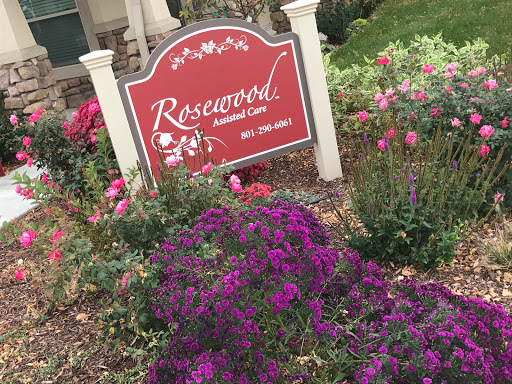
    A vibrant garden featuring colorful flowers alongside the Rosewood sign.
  • Artwork

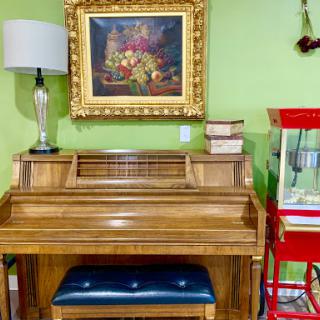
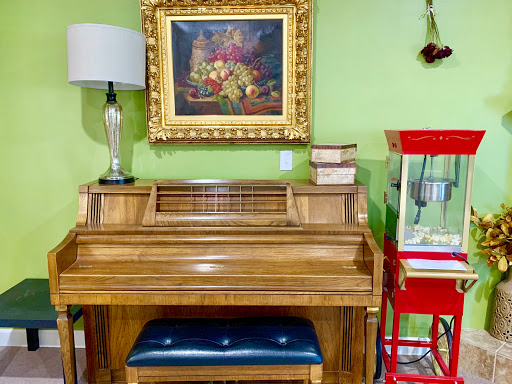
    A beautifully arranged corner featuring a wooden piano, a decorative lamp, and an artwork on a vibrant green wall.
  • Outdoor

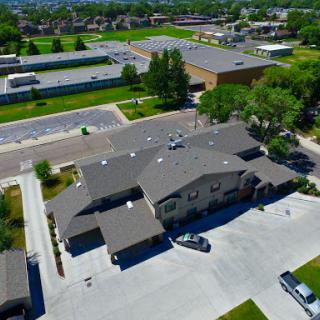
    An aerial view of a residential building surrounded by green spaces and parking facilities.
  • Lobby

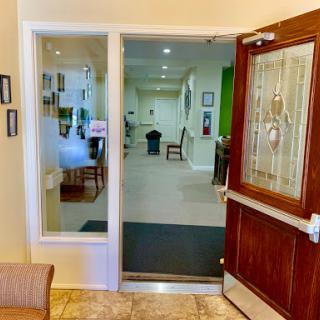
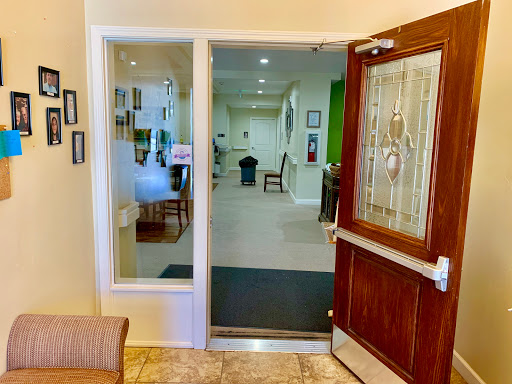
    A welcoming entrance to a building featuring a glass door and an inviting lobby.
  • Sidewalk

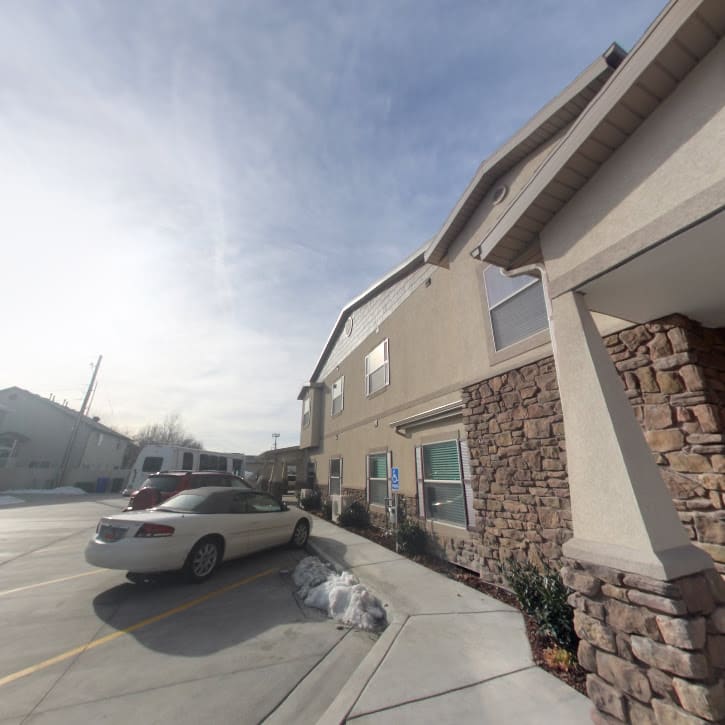
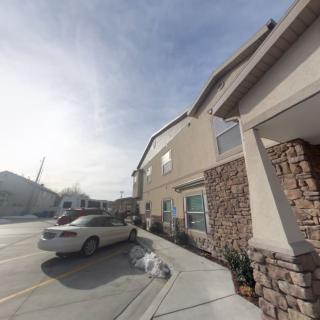
    A residential building with parked cars in a parking lot on a sunny day.

Rosewood Assisted Care in Salt Lake City, UT

Information last verified:

464 East 3700 South, Salt Lake City, UT 84115

For more information about senior living options: (844) 490-3973

4.6 from 71 reviews
5 stars
57
4 stars
6
3 stars
4
2 stars
0
1 stars
4

Seniors.FYI Elite Community Awards

Top 5% Senior Living Community in 2018Top 5% Senior Living Community in 2019

Add this award to your website

Rosewood Assisted Care Costs & Pricing

Rosewood Assisted Care offers a competitive pricing structure for its studio apartments, with a monthly cost of $2,250. This falls significantly below the average rates observed in Salt Lake County, which are approximately $3,331 per month, as well as the broader state average of $3,206 in Utah. By providing more affordable options without compromising on quality care and services, Rosewood Assisted Care positions itself as an attractive choice for individuals seeking assisted living arrangements in the region.

Floor plansRosewood Assisted CareSalt Lake CountyUtah
Studio$2,250$3,331$3,206

Overall Review of Rosewood Assisted Care

Pros

  • pro The staff are friendly and phenomenal in everything they do.
  • pro The facility is well organized, clean, and welcoming.
  • pro The residents are kind, and the staff love to help each other.
  • pro The administrator and director are caring, dedicated professionals who know the residents well.
  • pro The environment feels like home—small, intimate, and family-like.
  • pro The activities director creates engaging activities that encourage resident participation.
  • pro Professionals and families consistently recommend Rosewood for quality, compassionate care.
  • pro The rooms are comfortable with private options and pet-friendly spaces.
  • pro The dining area is well kept and meals are prepared with attention to residents’ preferences.
  • pro The setting fosters individualized attention and meaningful, homelike relationships.

Cons

  • pro There is no pride in the workplace, and the staff have attitudes when residents ask them to do something.
  • pro The upper floor smells like rotting sewage, and there is mold underneath the carpet.
  • pro The facility is seriously understaffed, with too few aides per shift and untrained staff.
  • pro There is no activity director, leaving residents bored and under-stimulated.
  • pro There is only one cook in the kitchen, making it very hard to please everybody every day.
  • pro They told the family the resident wouldn’t fit into their community, which was disappointing.
  • pro The rooms are not cleaned weekly as claimed; cleaning has not happened.
  • pro Most residents are not thrilled with the frequency of rice and chicken in meals.

Review

Rosewood Assisted Care in Salt Lake City is best suited for seniors who want a small, intimate, home-like setting where relationships carry as much weight as care. The building’s compact footprint, roughly 27 residents in many reviews, translates into a campus where staff can know each person by name, residents greet visitors with genuine warmth, and care feels personal rather than rote. The most compelling case is made by families seeking continuity, where the administrator and lead caregivers cultivate a culture of genuine belonging. Private rooms are common, several with en-suite bathrooms, and the on-site amenities, dining room service, a barber/beauty shop, in-house laundry, and a library, conspire to keep life simple, predictable, and comfortable. The transcript of experiences repeatedly notes a family-like atmosphere, where care teams, residents, and visiting family members become part of one another’s daily rhythm. For anyone prioritizing warmth, familiarity, and frequent, meaningful interactions, Rosewood stands out.

That emphasis on closeness also signals who may want to consider alternatives. For seniors who require robust, around-the-clock clinical staffing, abundant programming, or expansive social and recreational spaces, Rosewood’s smaller, more intimate scale can feel restrictive. A few reviews call out under-staffing or limited activity resources, and a sense that one cook and a small dining area cannot accommodate every dietary preference or social demand every day. Families used to larger campuses with formal, full-time activities directors, voluminous common spaces, or a wide menu of off-site outings may find the flow here more intimate than expansive. Potential residents with complex medical needs or a desire for highly structured programming should compare Rosewood against larger communities that advertise broader staffing ratios and more extensive campus amenities.

The strongest pros, warm, attentive staff; a true home-like environment; and the leadership that residents and families consistently praise, often offset the cons in practical ways. The administrator, Jessica, is repeatedly described as engaged, responsive, and principled; the team is lauded for kindness, respect, and a willingness to go the extra mile to accommodate individual preferences. The small size enables easier relationship-building with caregivers and with fellow residents, which often translates into quicker responses to needs and a higher sense of safety and belonging. The facility is clean, smells pleasant upon entry, and has purposeful touches like tablecloths in the dining room and a menu-driven approach to meals, which contribute to a feeling of dignity and normalcy. The in-house medical provider, openness to outside clinicians, and the convenience of on-site services (laundry, salon, and private rooms) also help families see Rosewood as a practical, integrated solution rather than a purely custodial setting.

Yet the main cons cannot be dismissed, because they directly impact daily life. Understaffing stories, such as limited care aides per shift or a lean kitchen operation with a single cook, create real constraints on responsiveness, medication assistance, and meal consistency. A few residents and families report variability in housekeeping, room upkeep, and attention to routine needs, which can erode the sense of a consistently well-maintained home. Critics also describe management challenges and, in isolated cases, experiences that undermine trust. While these negative episodes are not the norm in most reviews, they reveal a risk profile: in a smaller community, quality can hinge more acutely on turnover, leadership stability, and daily workflow. The offset comes from the residents’ proximity to caregivers and the leadership’s dedication; when the team is on, Rosewood feels equally intimate and deeply reliable.

For families evaluating options, use a practical, outcome-focused checklist. Schedule a multi-hour visit to observe morning and meal-time routines, watch how staff interact with residents, and assess whether one-on-one attention is readily available or choreographed for show. Ask to meet the administrator and dining and activities staff to gauge responsiveness and depth of programming. Inquire about housekeeping frequency, the exact staffing ratios by shift, and how often residents are taken out for outings or errands. Confirm room configurations (private baths, kitchenette options, and potential for pet companionship) and the availability of on-site services such as transportation to appointments and in-house therapy or nursing support. If a loved one thrives on predictability, strong continuity of care, and a genuine sense of community, Rosewood warrants serious consideration, and a guided tour to confirm that the day-to-day reality matches the reputation.

In sum, Rosewood Assisted Care represents a compelling fit for families prioritizing a homelike, relationship-centered environment where care feels personal and staff are genuinely devoted to residents. It rewards those who value intimate settings, accessible leadership, and everyday comforts, private rooms, in-house amenities, and a straightforward routine that makes daily life feel manageable and meaningful. The caveat is clear: the model leans toward quality of life, not a broad spectrum of advanced medical services or expansive programming. For seniors whose needs are best met by a larger campus with more extensive staffing and activity options, alternatives may deliver more assurance on medical oversight and social opportunities. For the right resident, one drawn to a close-knit milieu with strong, compassionate care, Rosewood is not merely a good choice; it is an exceptionally sound one. Families should schedule a visit promptly, meet Jessica, observe the cadence of daily life, and decide if the balance of warmth, intimacy, and practical care aligns with their loved one’s priorities.

Features

Housing

  • 29 resident community capacity 29 resident community capacity
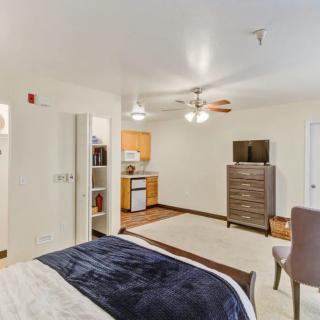
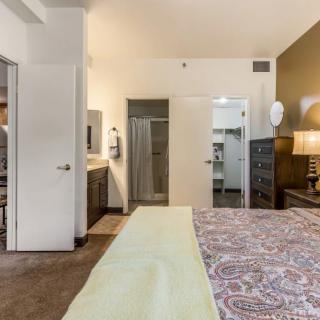
  • Studio apartments Studio apartmentsStudio apartments are important for seniors because they offer a smaller, more manageable living space that is easier to navigate and maintain as physical abilities decline. Additionally, studio apartments provide seniors with independence and privacy while still being part of a community that offers support and social opportunities.

Types of Care

  • Assisted Living Assisted LivingAssisted living facilities provide crucial support and care for seniors who may need help with daily tasks such as medication management, bathing, and meal preparation. These communities offer a safe and comfortable environment where seniors can maintain their independence while receiving the assistance they need to thrive in their golden years.

Amenities

  • Activities on-site Activities on-siteActivities on-site are important for seniors because they provide opportunities for socialization, mental stimulation, physical activity, and overall well-being. Engaging in activities can help seniors stay active, maintain their independence, and improve their quality of life.
  • Beautician on-site Beautician on-siteHaving a beautician on-site at a senior living community is important for seniors as it allows them to easily access grooming and personal care services, boosting their self-esteem and overall well-being. It also provides convenience and helps seniors maintain their sense of independence and personal style.
  • Beauty salon Beauty salonBeauty salons are important for seniors because they provide a space for them to feel pampered, socialize, and maintain their personal grooming and hygiene. Regular visits to a beauty salon can help boost seniors' self-esteem and overall well-being.
  • Cable or satellite TV Cable or satellite TVCable or satellite TV is important for seniors because it provides entertainment, news, and companionship, helping to combat loneliness and boredom. It also offers a wide range of programming options tailored to different interests and preferences.
  • Dining room Dining roomDining rooms are important for seniors as they provide a space for socialization, connection, and nutritious meals. They offer opportunities for residents to bond over shared meals, foster a sense of community, and promote healthy eating habits. Dining rooms also ensure that seniors have access to well-balanced meals tailored to their dietary needs and preferences.
  • Fully furnished Fully furnishedFully furnished senior living communities are important for seniors because they provide convenience, comfort, and a hassle-free moving experience. Seniors can easily settle into their new living space without the stress of having to buy and move furniture. This allows them to focus on enjoying their new home and community.
  • Garden GardenGardens are important for seniors as they provide a peaceful and therapeutic environment for relaxation, physical activity, and socialization. Being in nature has been shown to reduce stress, improve mood, and promote overall well-being. Gardens also offer opportunities for seniors to engage in gardening activities, which can improve mobility, flexibility, and cognitive function. Additionally, gardens create a sense of community and connection with others who share a passion for plants and outdoor spaces.
  • Housekeeping services Housekeeping servicesHousekeeping services are important for seniors because they help maintain a clean and safe living environment, promote independence, and reduce the risk of accidents or illnesses. Additionally, having assistance with household chores can alleviate physical strain and allow seniors to focus on other aspects of their well-being.
  • Indoor common areas Indoor common areasIndoor common areas are crucial for seniors as they provide a space for socialization, recreation, and community engagement, promoting overall well-being and reducing feelings of isolation and loneliness.
  • Kitchenette KitchenetteKitchenettes are important for seniors living in senior living communities because they provide the convenience and independence of being able to prepare simple meals and snacks in the comfort of their own living space. This can help promote a sense of autonomy and well-being for seniors, allowing them to maintain some level of control over their dietary choices and daily routines.
  • Laundry LaundryLaundry services are important for seniors as they may have difficulty with physical tasks such as bending, lifting, or carrying heavy loads. Having access to laundry services can help seniors maintain personal hygiene, cleanliness, and independence in their daily lives.
  • Move-in coordination Move-in coordinationMove-in coordination is important for seniors because it helps ease the transition into their new living environment. It ensures that all logistics, such as packing, organizing movers, and setting up utilities are taken care of, allowing seniors to focus on settling in and adjusting to their new home. Having a smooth move-in process can alleviate stress and anxiety, making the transition smoother and more enjoyable for seniors.
  • Outdoor common areas Outdoor common areasOutdoor common areas are important for seniors as they provide a space for socialization, physical activity, and relaxation. Being outside in nature can improve mood and overall well-being, while also encouraging movement and engagement with others. These spaces can help combat feelings of isolation and promote a sense of community among residents.
  • Outdoor space Outdoor spaceOutdoor spaces are important for seniors as they provide opportunities for physical activity, social interaction, exposure to natural light and fresh air, and a sense of connection to nature. Having access to outdoor spaces can improve overall well-being and quality of life for older adults living in senior communities.
  • Restaurant-style dining Restaurant-style diningRestaurant-style dining is important for seniors because it allows them to enjoy delicious, nutritious meals in a social and upscale setting. This enhances their dining experience, promotes healthy eating habits, and fosters socialization with fellow residents, ultimately contributing to their overall well-being and quality of life.
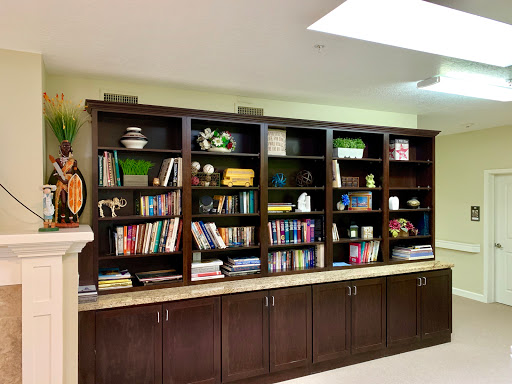
  • Small library Small librarySmall libraries are important for seniors as they provide access to a variety of reading materials, including books, newspapers, and magazines. This can help stimulate their minds, keep them engaged, and provide a sense of community through book clubs and other social activities. Additionally, reading has been shown to improve cognitive function and overall mental well-being in older adults.
  • Telephone TelephoneTelephones are important for seniors as they provide a lifeline for communication with loved ones, emergency services, and healthcare providers. They offer a sense of security and independence, enabling seniors to stay connected and access assistance when needed.
  • Wi-Fi/high-speed internet available Wi-Fi/high-speed internet availableWi-Fi/high-speed internet is important for seniors to stay connected with loved ones, access online resources, and participate in virtual activities to combat feelings of loneliness and isolation. It also allows them to easily manage healthcare needs, access entertainment, and engage in lifelong learning opportunities.

Transportation

  • Salt Lake City International (9 miles away) Salt Lake City International (9 miles away)

Care Services

  • 24-hour call system 24-hour call system24-hour call systems are important for seniors because they provide peace of mind and immediate assistance in case of emergencies. This technology ensures that help is always available, promoting safety and security for elderly individuals living alone or in assisted living facilities.
  • 24-hour supervision 24-hour supervision24-hour supervision is important for seniors to ensure their safety, well-being, and access to immediate assistance in case of emergencies or health issues. This constant support provides peace of mind for both seniors and their loved ones, allowing them to age in place with dignity and security.
  • Activities of daily living assistance Activities of daily living assistanceActivities of daily living assistance are important for seniors because they provide essential support with tasks such as eating, bathing, dressing, and mobility. This assistance helps seniors maintain their independence, dignity, and overall quality of life as they age.
  • Ambulatory care Ambulatory care"Ambulatory care services provide essential medical support and treatment to seniors without requiring hospitalization, allowing them to maintain their independence and quality of life while managing chronic conditions or receiving routine medical care."
  • Assistance with bathing Assistance with bathingAssistance with bathing is crucial for seniors as it helps maintain personal hygiene, prevents infections, and ensures their overall well-being and comfort. It also provides a sense of dignity and independence for seniors who may struggle with this task on their own.
  • Assistance with dressing Assistance with dressingAssistance with dressing is important for seniors because it helps maintain their independence, promotes personal hygiene, prevents accidents and injuries, and improves overall quality of life. This service ensures that seniors can continue to dress comfortably and confidently, despite any physical limitations they may have.
  • Assistance with transfers Assistance with transfersAssistance with transfers is crucial for seniors as it helps prevent falls and injuries, maintains their independence, and ensures they can safely navigate their living environment. It also provides peace of mind for both seniors and their loved ones.
  • Diabetes diet Diabetes dietA diabetes diet is crucial for seniors as it helps manage blood sugar levels, reduce risks of complications, and improve overall health and well-being. By following a balanced and nutritious diet tailored to their specific needs, seniors can better control their diabetes and enhance their quality of life.
  • Diabetic care Diabetic careDiabetic care is crucial for seniors as they are more susceptible to developing diabetes due to aging and other health conditions. Proper management of diabetes can help prevent complications such as heart disease, vision loss, and nerve damage, improving the overall quality of life for seniors in senior living communities.
  • Incontinence care Incontinence careIncontinence care is essential for seniors to maintain their dignity, hygiene, and overall quality of life. By addressing incontinence issues promptly and effectively, seniors can enjoy a sense of independence and comfort in their daily activities.
  • Meal preparation and service Meal preparation and serviceMeal preparation and service are crucial for seniors as they may have limited mobility or energy to cook nutritious meals. Having access to healthy and convenient food options can ensure they are getting the proper nutrition needed to maintain their overall health and well-being.
  • Medication management Medication managementMedication management is crucial for seniors to ensure they are taking the right medications at the correct dosages and times. This helps prevent adverse drug interactions, reduces the risk of medication errors, and promotes overall health and well-being. Proactive management also allows for adjustments as needed based on changing health conditions or new prescriptions.
  • Mental wellness program Mental wellness programMental wellness programs are essential for seniors as they promote cognitive stimulation, emotional support, and social engagement. These programs help prevent isolation, depression, and cognitive decline, ultimately enhancing the overall quality of life for older adults.
  • Special dietary restrictions Special dietary restrictionsSpecial dietary restrictions are important for seniors because age-related changes in metabolism and health conditions can make it difficult for their bodies to process certain foods. By following a diet tailored to their specific needs, seniors can maintain their overall health and well-being, manage chronic conditions, and reduce the risk of complications such as malnutrition or food interactions with medications.

Dining

  • Diabetes diet Diabetes dietA diabetes diet is crucial for seniors as it helps manage blood sugar levels, reduce risks of complications, and improve overall health and well-being. By following a balanced and nutritious diet tailored to their specific needs, seniors can better control their diabetes and enhance their quality of life.
  • Meals provided Meals provided"Meals provided" are crucial for seniors in assisted living communities as it ensures they have access to nutritious, balanced meals without the stress of meal planning and preparation. This can help promote overall health and well-being for seniors who may have limited mobility or cognitive abilities.
  • Special dietary restrictions Special dietary restrictionsSpecial dietary restrictions are important for seniors because age-related changes in metabolism and health conditions can make it difficult for their bodies to process certain foods. By following a diet tailored to their specific needs, seniors can maintain their overall health and well-being, manage chronic conditions, and reduce the risk of complications such as malnutrition or food interactions with medications.

Activities

  • Activities on-site Activities on-siteActivities on-site are important for seniors because they provide opportunities for socialization, mental stimulation, physical activity, and overall well-being. Engaging in activities can help seniors stay active, maintain their independence, and improve their quality of life.
  • Community-sponsored activities Community-sponsored activitiesCommunity-sponsored activities are important for seniors as they provide opportunities for social interaction, mental stimulation, and physical activity. These activities can help improve overall well-being, combat loneliness and isolation, and promote a sense of belonging and purpose among older adults.
  • Mormon/LDS services Mormon/LDS servicesMormon/LDS services are important for seniors as they provide a sense of community, spiritual support, and connection to their faith during their later years. These services offer opportunities for socialization, worship, and guidance in navigating the challenges of aging.
  • Resident-run activities Resident-run activitiesResident-run activities are important for seniors as they encourage social interaction, creativity, and a sense of autonomy. These activities empower seniors to stay engaged and active in their community while fostering meaningful connections with their peers.
  • Scheduled daily activities Scheduled daily activitiesScheduled daily activities are important for seniors because they provide structure, socialization, mental stimulation, and physical activity. Engaging in regular activities can improve overall well-being and quality of life for seniors living in a community setting.

Languages Spoken

  • English EnglishEnglish is important for seniors as it allows them to communicate effectively with healthcare providers, understand important information related to their health and medications, stay connected with loved ones, and engage in social activities within their communities. It also opens up opportunities for lifelong learning and intellectual stimulation.

Description

Rosewood Assisted Care in Salt Lake City, UT is a vibrant and welcoming senior living community designed to provide comfort, convenience, and peace of mind to its residents. Our comprehensive amenities ensure that every need is met, while our dedicated care services promote independence and well-being.

Residents can enjoy the convenience of having a beautician on-site and a beauty salon for all their grooming needs. They can unwind in the indoor common areas or take advantage of the outdoor spaces and gardens for fresh air and relaxation. Our fully furnished accommodations provide a comfortable and home-like atmosphere, while housekeeping services ensure a clean and tidy living environment.

Our dining room offers restaurant-style dining with delicious meals provided, catering to special dietary restrictions if needed. Residents can also choose to prepare their own meals in the kitchenette within their accommodation. Wi-Fi/high-speed internet is available throughout the community, allowing residents to stay connected with loved ones or explore their interests online.

At Rosewood Assisted Care, our dedicated staff provides 24-hour supervision and assistance with activities of daily living, such as bathing, dressing, transfers, and medication management. We offer specialized care for residents with diabetes or incontinence needs. Mental wellness programs are also available to promote cognitive health and emotional well-being.

Engaging in social activities is an important aspect of life at Rosewood Assisted Care. Residents can participate in community-sponsored activities or resident-run activities that encourage social interaction and personal interests. For those who practice Mormon/LDS faith traditions, we provide services on-site.

Located conveniently near cafes, parks, pharmacies, physicians, restaurants, transportation options, places of worship, and hospitals ensures that residents have easy access to various amenities and healthcare services.

At Rosewood Assisted Care in Salt Lake City UT, we strive to create a warm and inclusive community where residents can thrive in a safe and supportive environment while enjoying a fulfilling lifestyle.

Videos

Nearby Places of Interest

This part of Salt Lake City, Utah, offers a variety of healthcare options, including physicians specializing in pain management, eye care, nephrology, cancer treatment, pulmonary health, endocrinology, and diabetes. There are also several pharmacies located within a short distance for convenient medication access. The area features a selection of restaurants offering different cuisines to cater to various tastes. Access to transportation is easily available with multiple TRAX stations nearby. Additionally, there are several hospitals and mental health facilities within a few miles for quick medical attention if needed. For leisure activities, there are cafes for socializing and parks for outdoor enjoyment. This neighborhood is home to places of worship as well as community support centers for spiritual and emotional well-being. Overall, this part of Salt Lake City offers a range of amenities and services that would be beneficial for senior living.

Physicians

  • Omega Interventional Pain Clinic (0.4 miles)
  • The Eye Institute of Utah (0.5 miles)
  • Nephrology Associates of Utah (0.6 miles)
  • Utah Cancer Specialists (1 miles)
  • Pulmonary Internal Medicine (1.2 miles)
  • Advanced Eye Care (1.2 miles)
  • Endocrinology of Utah - Diabetes Center (1.3 miles)

Pharmacies

  • Walgreens (0.8 miles)
  • Walgreens (1.4 miles)
  • Harmons (1.4 miles)
  • Walgreens (1.6 miles)
  • Maceys Pharmacy (2.2 miles)
  • Smith's Food & Drug (2.4 miles)
  • Walgreens (2.5 miles)

Restaurants

  • Left Fork Grill (0.8 miles)
  • Karroo (1.7 miles)
  • McDonald's (2.5 miles)
  • McDonald's (2.7 miles)
  • The New Golden Dragon Restaurant (3 miles)
  • Little World Chinese Restaurant (3.5 miles)
  • Amour Café (3.5 miles)

Transportation

  • Trax Ballpark Staion (1 miles)
  • TRAX Meadowbrook (1 miles)
  • TRAX Millcreek (1.2 miles)
  • TRAX Murray North (1.3 miles)
  • TRAX Central Pointe (2.5 miles)
  • TRAX Fashion Place West (4.1 miles)

Hospitals

  • St Mark's Hospital (1.2 miles)
  • Valley Mental Health (2.2 miles)
  • Intermountain Medical Center (2.3 miles)
  • Orthopedic Specialty Group - TOSH (3.2 miles)
  • United States Government (4.9 miles)
  • George E Wahlen VA Hospital (5 miles)

Cafes

  • Java Jos (1.6 miles)
  • Stratford Proper (2.4 miles)
  • Roots Cafe (2.8 miles)
  • Starbucks (3.9 miles)
  • Publik Coffee Roasters (4 miles)
  • Coffee Garden (4.1 miles)
  • Starbucks (4.7 miles)

Parks

  • Imperial Park (2.1 miles)
  • Fairmont Park (2.4 miles)
  • Sugar House Park (2.7 miles)
  • Bonneville Glen (4.3 miles)
  • Liberty Park (4.6 miles)
  • Sunnyside Park (4.6 miles)
  • Washington Square (4.8 miles)

Places of Worship

  • LDS Foothill Stake Center (3.5 miles)

Frequently Asked Questions

How much does it cost to live at Rosewood Assisted Care in Salt Lake City, UT?
What floor plans and room types does Rosewood Assisted Care offer?
Where is Rosewood Assisted Care?
What photos are available for Rosewood Assisted Care in Salt Lake City, Utah?

Nearby Communities

  • Home Option Personal Care

    Home Option Personal Care

    Salt Lake City, UT

    3 from 2 reviews
     

    pro 24/7 supervision with personalized care plans and restaurant-style dining (including diabetes-friendly options).


  • Wasatch Women's Center

    Wasatch Women's Center

    Salt Lake City, UT

    3.6 from 53 reviews
     

    pro Women-focused assisted living with private furnished accommodations, 24-hour support, and scheduled activities.

  • Woodland Park Rehabilitation And Care Center

    Woodland Park Rehabilitation And Care Center

    Salt Lake City, UT

    4.4 from 110 reviews
     

    pro Comprehensive on-site amenities and 24/7 care support, including dining with special diets, transportation, fitness and wellness programs.

  • Paramount Health And Rehabilitation

    Paramount Health And Rehabilitation

    Salt Lake City, UT

    4.2 from 60 reviews
    $3,955 to $8,439 / month

    pro Friendly, attentive staff in a clean, well-organized setting.

  • Pacifica Senior Living Millcreek

    Pacifica Senior Living Millcreek

    Salt Lake City, UT

    4.8 from 86 reviews
    $2,600 to $3,095 / month

    pro Friendly, caring staff in a warm, engaging community with varied activities and dining.

  • Janes Residential East

    Janes Residential East

    Salt Lake City, UT


    pro Strong access to healthcare, dining, and parks nearby.

  • Beehive Senior Care

    Beehive Senior Care

    Murray, UT

    4.8 from 39 reviews
     

    pro Knowledgeable and well-organized home-visit representative.

  • Peaks at Millcreek

    Peaks at Millcreek

    Salt Lake City, UT

    4.2 from 73 reviews
    $1,700 to $2,300 / month

    pro Friendly staff with an active activities program.

  • Highland Cove Retirement

    Highland Cove Retirement

    Salt Lake City, UT

    4.7 from 141 reviews
    $2,385 to $2,675 / month

    pro Warm, family-like community with attentive staff and quality dining.

Related Resources

  • assisted living for disabled adultsComprehensive Supportive Living Arrangements for Adults with Disabilities

    Assisted living for adults with disabilities has transformed to provide personalized care and support services aimed at improving residents' quality of life while balancing independence and assistance. However, low-income individuals often face challenges in affording these services, requiring navigation of various financial resources and advocacy for better policies and solutions.

  • how to pay for assisted livingFunding and Affording Assisted Living: A Thorough Overview

    Assisted living facilities provide support for older adults needing help with daily activities without extensive medical care, but their costs can be high and vary by location and services offered. Families often seek various funding options and financial strategies to manage these expenses effectively while considering future needs and potential price increases.

  • assisted living insuranceAssisted Living Expenses and Long-Term Care Insurance: A Comprehensive Exploration
    The article discusses assisted living expenses, the importance of long-term care insurance in covering these costs, and various financing options, highlighting the need for careful policy review and early planning to address potential needs. It also clarifies common misconceptions about Medicare and private health insurance limitations regarding long-term care coverage.