
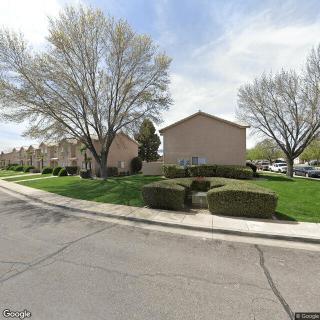
2046 North Tuweap Drive, Saint George, UT 84770
For more information about senior living options: (866) 208-4318
Overall Review of Platinum Care Assisted Living
Pros
 The facility feels very homey and fits residents' needs.
- It offers a good library, plenty of puzzles, and a TV room for shared or private viewing.
- The staff feel like family and are friendly and attentive to residents.
- The facility is kept very clean and has a friendly, home-like atmosphere.
- Residents have rooms they can decorate with their own belongings.
- The staff are knowledgeable, caring, and know every resident by name, addressing their needs promptly.
- The center is an affordable option where residents receive excellent, respectful care.
- The staff arrange thoughtful daily visits to the VA hospital to support residents and families.
Cons
 The facility has very few activities.
- The facility is disappointing.
Review
Platinum Care Assisted Living in Saint George is best suited for seniors who want an intimate, home-like setting where every resident is known by name and cared for with personal attention. With only about a dozen residents, the community functions like a small family, and that closeness translates into consistently friendly interactions, a calm pace, and a sense of security for families. It works especially well for someone who values a dignified, décor-friendly private room and the freedom to personalize a living space. The staff’s willingness to engage as people, not patients, shows in everyday moments, caregivers who smile, listen, and respond quickly when concerns arise. For families navigating Alzheimer’s or end-of-life planning, the environment blends attentiveness with affordability, which makes it a practical, humane choice.
That said, this is not the place for those who demand a bustling activity calendar or expansive on-site programming. The facility is small, and while it is clean and orderly, it offers fewer daily events and structured social options than larger communities. Prospective residents who want frequent outings, a broad suite of recreational classes, or robust therapeutic services should consider alternatives with more extensive activity rosters and more on-site amenities. Likewise, if a higher level of medical oversight, 24/7 on-site nursing, or formal memory-care programs with defined schedules is essential, the scale and staffing model here may feel limited.
The advantages in the core care model are meaningful and compensatory. The tiny footprint creates a safety-forward, watchful environment: staff members know every resident by first name, notice subtle shifts in health or mood quickly, and coordinate care with a sense of ownership. Cleanliness and a calm, homelike atmosphere reduce stress and behavioral friction, while the ability for residents to customize their rooms supports dignity and autonomy. The library, puzzles, and a shared TV room offer gentle distractions, but more important is the daily rhythm, the predictable routines and close caregiver-resident relationships that make care feel personal rather than transactional. The affordability note, families often contrast the cost with pricier, larger homes, adds a practical edge to the decision.
On the downside, assessments from a portion of reviews signal that the limited programming may leave some residents feeling under-stimulated over time, particularly for those who crave social variety and formal activities. A small setting can also become repetitively quiet, which may not suit every personality or stage of cognitive decline. A few reviews express disappointment, signaling that experiences can vary, likely tied to shifts in staffing, activity planning, or resident needs. These concerns are not universal, but they do point to an important reality: the success of the experience hinges on how well the day-to-day activities align with individual expectations for engagement and enrichment.
The way this balance plays out in practice is telling. When a resident thrives on routine, individualized attention, and a sense of belonging, the positives far outweigh the drawbacks. The staff’s attentiveness, addressing concerns promptly, maintaining a clean, comfortable environment, and supporting families with respect, creates a foundation of trust that is hard to replicate in larger settings. The discrete, homey feel also supports emotional well-being, particularly for memory-impaired residents who benefit from familiar faces and a predictable day. The cost advantage matters too: families often find Platinum Care to be a prudent choice that preserves dignity without forcing a comparable level of financial sacrifice required by bigger facilities.
For families weighing options, the verdict is clear. Platinum Care Assisted Living excels for elders who prize intimate care, personal attention, and a dignified, home-like atmosphere at a reasonable price. It is a strong, practical option for those prioritizing the human connection and a calm, safe environment over a wide array of activities or top-tier medical staffing. If the elder requires a more dynamic social program, broader access to rehabilitative services, or specialized, structured memory-care programming, alternatives with larger resident communities should be explored. A site visit is essential: observe how staff interact with residents, ask to review a typical day for activities, confirm transport arrangements for appointments, and discuss whether the care plan can evolve with changing needs. Ultimately, the right fit hinges on aligning the setting’s intimate strengths with the elder’s expectations for daily life and safety.
 16 resident community capacity
 Assisted Living
 Board and Care Home
 Cable or satellite TV
 Dining room
 Fully furnished
 Garden
 Housekeeping services
 Move-in coordination
 Outdoor space
 Telephone
 Wi-Fi/high-speed internet available
 St George Muni (4 miles away)
 24-hour supervision
 Activities of daily living assistance
 Assistance with bathing
 Assistance with dressing
 Assistance with transfers
 Diabetes diet
 Meal preparation and service
 Medication management
 Special dietary restrictions
 Transportation arrangement (medical)
 Transportation to doctors appointments



 Comprehensive Insights into Activities of Daily Living (ADLs) and Their Assessment
 Guiding Elderly Parents Who Refuse Assisted Living: 6 Practical Steps
 Your Comprehensive Guide to Luxury Assisted Living: Elevated Facilities, Amenities, and Costs