
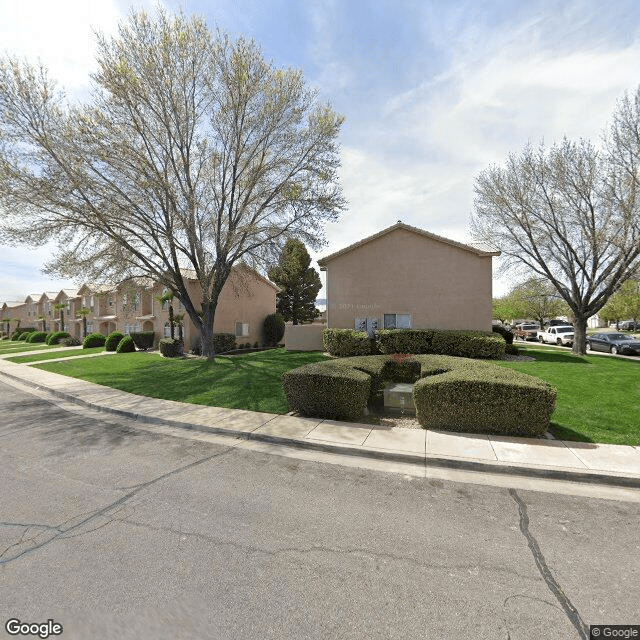
1545 W 1170 N, St. George, UT 84770
To contact a resident: (435) 634-0202
For more information about senior living options: (866) 208-4318
Overall Review of Beehive Homes Alzheimer's
Pros
 The memory care facility has an at-home feeling with great help.
- Response times here are amazing thanks to the movement mat monitor and the available call button.
- The helpers are fabulous.
- The staff are welcoming and caring.
- The staff are friendly, the facility is clean and homey, and they are genuinely caring.
- The grandmother is very happy with the staff, her room is clean, and the grounds are kept nice.
- The food is excellent and engaging activities are offered for residents.
- The dad has a great experience living there.
- The facility is described as superb and among the finest by a mental health professional.
Cons
 The reviewer noted that the previous facility's response times averaged 20-30 minutes, which was too long.
 - The community is older and might need some small improvements on the grounds.
- The food is not what she wants, with many sandwiches and not hot meals that she prefers.
- The rooms are very small.
- One reviewer was not sure this was the right place for her mom.
Review
Beehive Homes Alzheimer's Memory Care in St. George is best suited for families seeking a warm, home-like memory care environment with highly attentive staff and quick response to daily needs. The community tends to attract residents who are active in a small, intimate setting and who require vigilant monitoring due to dementia-related safety concerns, particularly fall risk. The strongest case for this campus lies in the caregiving relationships: aides and caregivers are described as genuinely caring and approachable, and the atmosphere feels comfortable rather than clinical. For families that prioritize personal attention, predictable routines, and immediate assistance over a glossy, hospital-like footprint, this location stands out as a practical, reassuring option. In short, it works best for seniors who flourish with consistent human connection, straightforward structure, and a strong safety net, even if that means compromising on scale and modernity.
Those evaluating alternatives should keep a few clear caveats in mind. The facility is described as older, with grounds that could use minor improvements, and some rooms are notably small. For residents who place a premium on generous living space, expansive common areas, or a newer architectural aesthetic, Beehive Homes may feel cramped or dated. Menu transparency and variety also emerge as a consideration; while several residents and families praise the meals, others note that menus aren’t always visible, and some residents prefer hot meals over sandwiches. Families who want a campus with a contemporary vibe, more extensive dining options, or a broader suite of therapy offerings might want to compare with newer memory-care campuses or other providers in the St. George area. Additionally, those who expect minimal family involvement or who require a more medically oriented setting may want to widen the search to other models.
On the upside, the pros align closely with the core needs of many memory-care residents. The staff is repeatedly described as friendly, caring, and reliable, creating a welcoming culture that fosters resident engagement and meaningful activity. The homey ambiance, cleanliness, comforting smells, and a sense of routine, helps residents feel secure, which can reduce agitation and promote stability in behavior. The care staff’s responsiveness is highlighted as a standout feature, with rapid assistance in times of need thanks to a combination of movement monitoring and accessible call buttons. This combination of human warmth and tangible safety tools can translate into fewer distress incidents and a smoother daily rhythm for both residents and families, an especially valuable outcome for those navigating memory decline and mobility challenges.
Yet the downsides deserve careful consideration. The small room sizes can undermine privacy and personal space, which matters for longer stays or for residents who accumulate belongings. The older structure and grounds may create a perception of datedness that some families find incongruent with their expectations for comfort. Dining experiences appear variable; while plenty of residents enjoy the food, not everyone shares the same impression, and the lack of a visible, standardized menu can leave families uncertain about meal consistency. A few reviews point to the reality that family visitors, though welcome, can temporarily stretch staff resources during busy periods, underscoring that even well-staffed teams operate under normal constraints when demand peaks.
Still, the strongest compensating factors often overcome these constraints when the objective is steady, compassionate care attached to a safe daily routine. For a memory-impaired individual with fall risk, the near-immediate response to movement and calls, combined with a staff-driven, home-like atmosphere, delivers a level of reassurance that can significantly reduce anxiety for both resident and family. The qualitative endorsements, from long-time families and a mental health professional who regards the facility as exceptional, signal a depth of care, professional oversight, and purposeful programming that are hard to match in larger, more impersonal settings. In practice, these strengths translate into consistent daily security, purposeful engagement, and a reassuring sense of belonging that often matters more than square footage or menu variety.
Decision-makers should weigh whether the top priority is a warm, tightly run memory-care home with rapid response and deep staff engagement, willing to accept smaller rooms and a building that shows its age. If yes, Beehive Homes Alzheimer's Memory Care in St. George deserves serious consideration. Prospective families should verify room sizes and what is included in the rate, request a sample menu, and talk with caregivers to understand daily routines and activity calendars. Schedule conversations with current family members to gauge consistency of care and how staff handle mobility risks beyond the on-site monitoring. Observe a typical day on-site to judge pace, resident interaction, and overall atmosphere. If a more modern campus with expansive dining options and a broader menu of therapies is essential, then exploring alternative communities in the area is advisable.
 Board and Care Home
 St George Muni (3 miles away)




 8 Essential Assistive Devices for Older Adults
 Navigating the Financial Road to Nursing Home Care: In-Depth Guidance and Resources
 Supportive Employee Benefits That Help Caregivers Attain Better Work-Life Harmony