Courtyard at Jamestown Assisted & Senior Living in Provo, UT

Save

  • Interior

    A grand staircase with chandeliers in a luxurious interior setting.
  • Decor

    Elegant dining room with a large table and chandelier.
  • Living Room

    A cozy living room with a classic wooden aesthetic, featuring a sofa and a coffee table.
  • Building

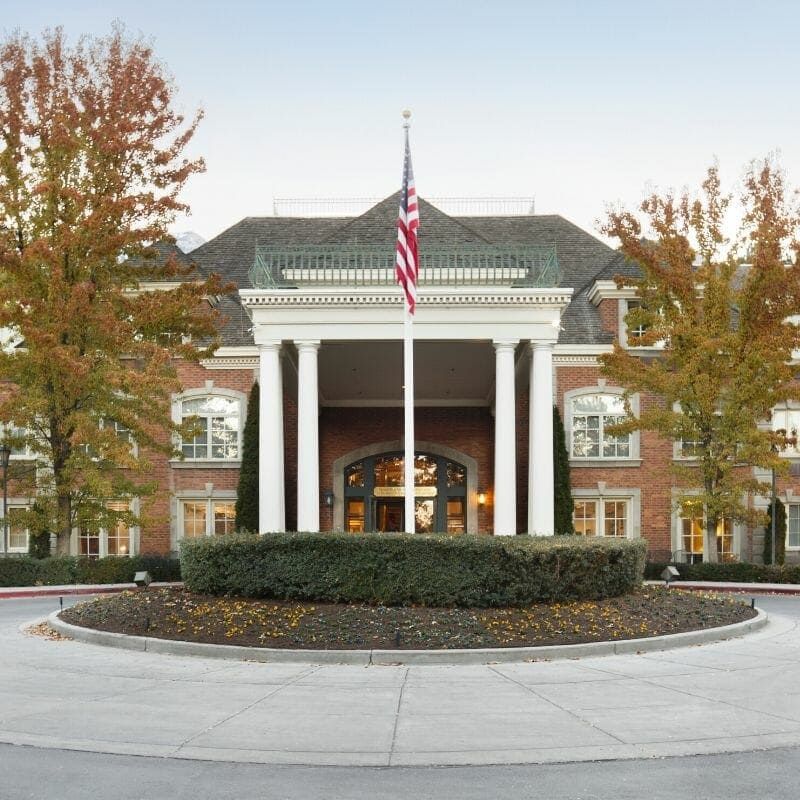
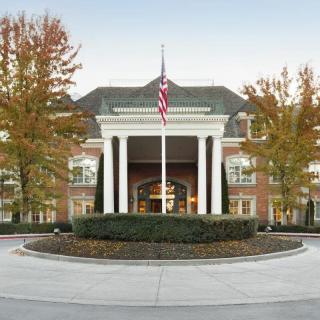
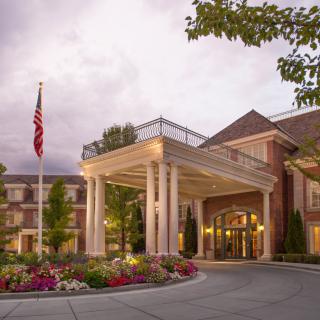
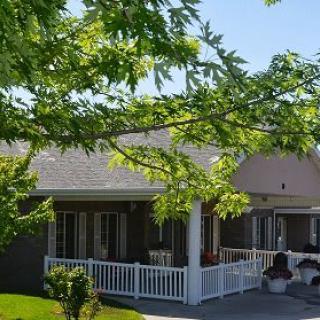
    The grand entrance of a brick hotel with an American flag prominently displayed and surrounded by autumn trees.
  • Dining

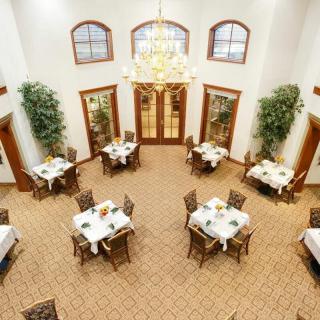
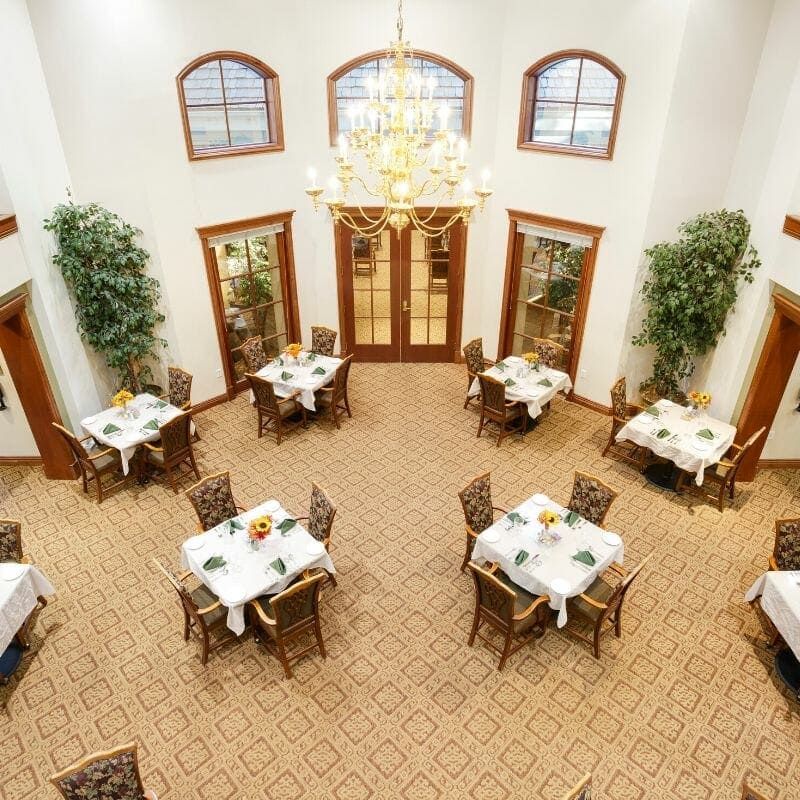
    An elegant dining room interior with tables set for guests, featuring a chandelier and decorative plants.
  • Fireplace

    A traditional living room featuring a fireplace, wood paneling, and built-in shelves with a sofa and coffee table.
  • Television

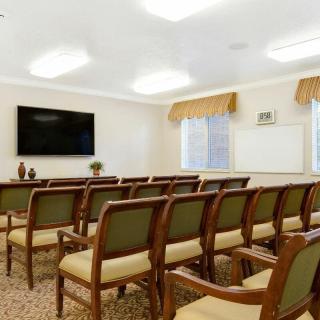
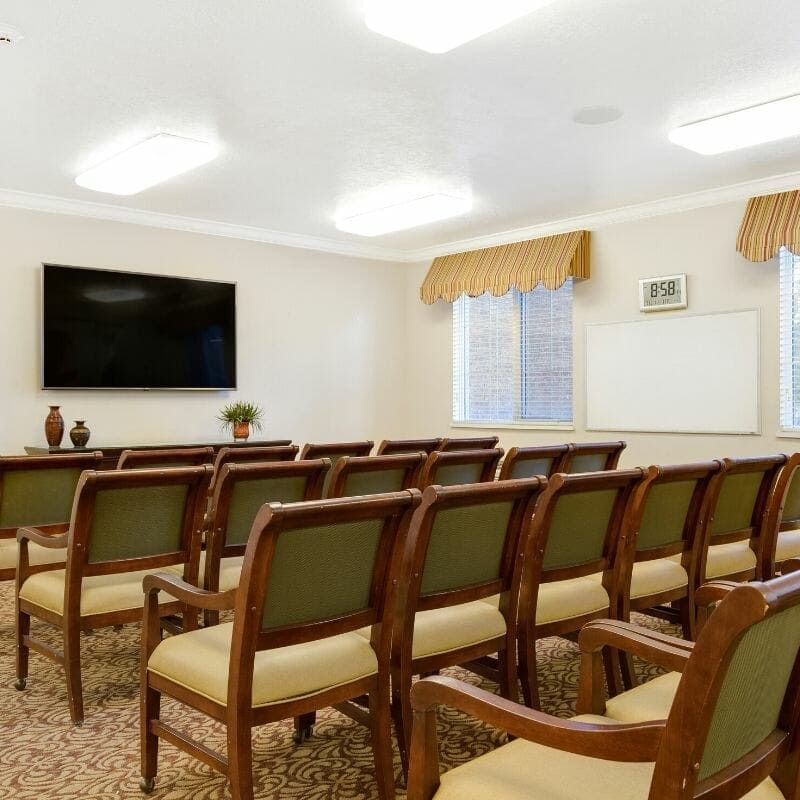
    A neatly arranged conference room with rows of chairs facing a large television.
  • Library

    A cozy library corner with bookshelves, a table, and chairs for reading.
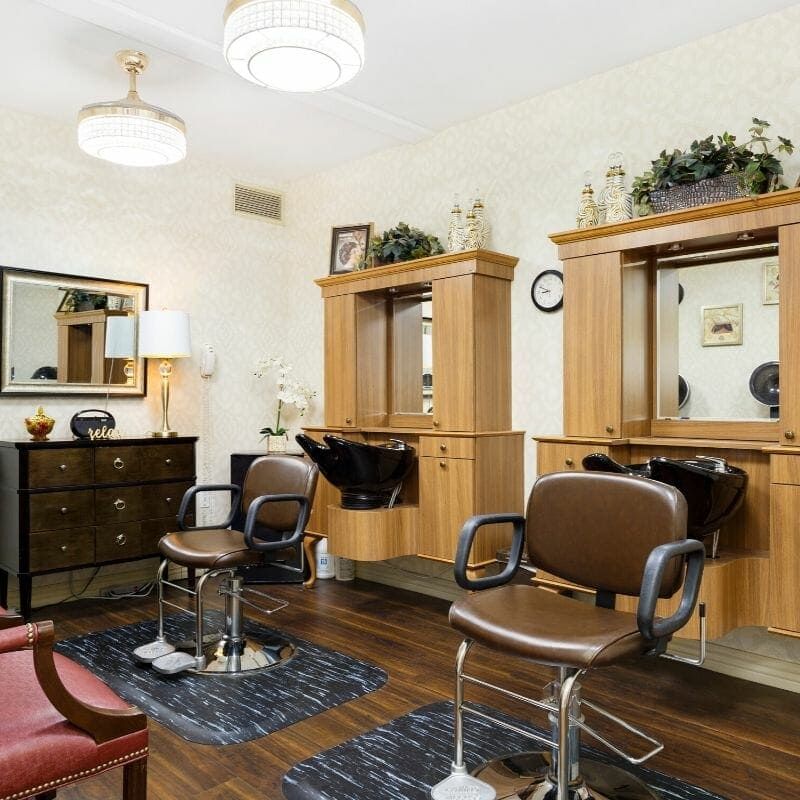
  • Salon

    Interior view of a barbershop with chairs and mirrors.
  • Conference Room

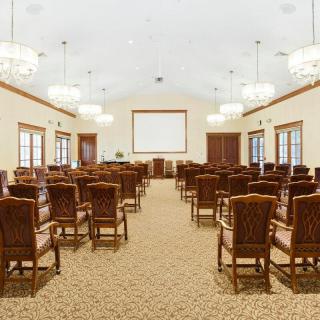
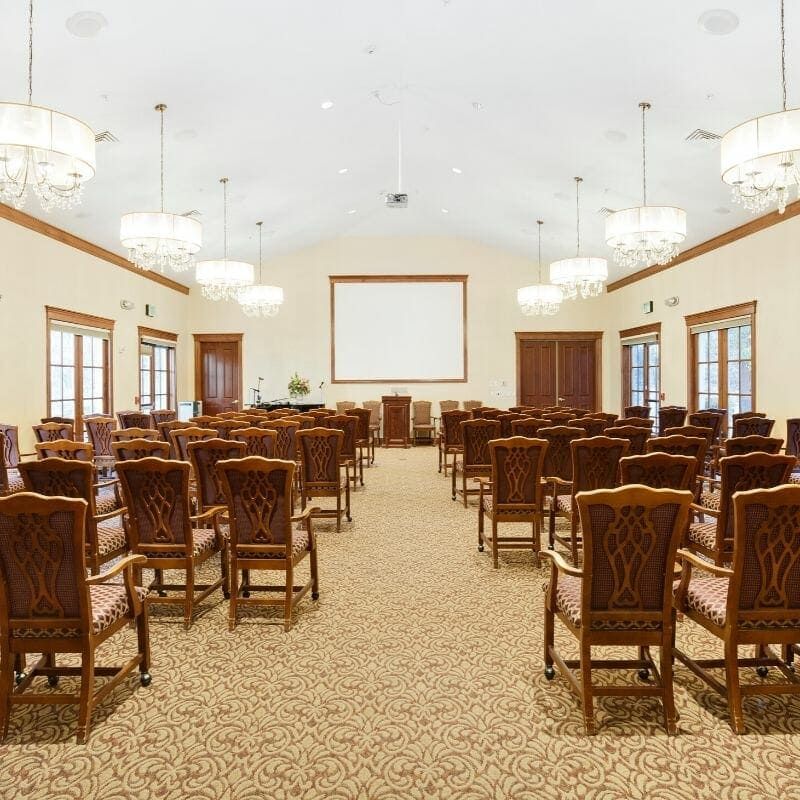
    A spacious conference room setup with rows of chairs facing a presentation screen.

Courtyard at Jamestown Assisted & Senior Living in Provo, UT

3352 North 100 East, Provo, UT 84604

For more information about senior living options: (844) 490-3973

4.7 from 135 reviews
5 stars
116
4 stars
9
3 stars
1
2 stars
2
1 stars
7

Assisted Living Independent Living Memory Care

What level of care are you interested in?

Assisted Living

Memory Care

Independent Living

Skilled Nursing Facility

Continuing Care Retirement Community (CCRC)CCRC

Other


Request a tour at Courtyard at Jamestown Assisted & Senior Living

    Overall Review of Courtyard at Jamestown Assisted & Senior Living

    Pros

    • pro The Courtyard at Jamestown is described as a wonderful, clean, and lively community.
    • pro The staff are consistently caring, friendly, and attentive to residents and families.
    • pro Residents feel safe, at home, and well cared for, with strong social connections.
    • pro The dining program is highly praised for delicious meals and quality service.
    • pro There are abundant activities, classes, and outings that keep residents engaged and happy.
    • pro The grounds and interiors are beautiful, well maintained, and homey.
    • pro Families appreciate personalized care, open communication, and staff dedication.
    • pro Memory care is provided with patient, supportive staff in a safe environment.
    • pro Overall, reviewers would highly recommend Jamestown/Courtyard at Jamestown to others.

    Cons

    • pro A grounds crew member threatened and attempted to physically assault teenagers admiring the ducks; the staff member was described as extremely dangerous and rude, and the facility would not be recommended.
    • pro The facility was continually understaffed, with a resident mother waiting over an hour to have her diaper changed, and it was labeled a non-skilled facility.
    • pro The reviewer warned that appearances are deceiving, guests aren't welcome, and there are many rules - failure to follow them could be met with looming "goblins."
    • pro It was described as a terrible place to put loved ones, noting repeated long waits for help and a receptionist who suggested the patient drink from the fountain rather than providing water.
    • pro The reviewer advised others not to bring their loved ones there.
    • pro It was described as not suitable for dementia patients, citing flies in a room and unclean conditions, with staff not helping adjust to a brief and reportedly not addressing the situation.
    • pro The facility was perceived as expensive and too formal/stuffy for some families, not matching their preferences.
    • pro The check-in/check-out process was deemed awkward, with visitors made to feel they should leave glowing five-star reviews.
    • pro One reviewer felt the staff were not as caring as at other facilities.

    Review

    This community is best suited for proactive families and active seniors who want a high-end, social, campus-style living experience in Provo. It fits those who value abundant activities, chef-driven dining, a polished, home-like atmosphere, and a sense that life goes on with purpose. The model here rewards participation: residents connect through regular outings, clubs, and meaningful programs, and families gain confidence in visible staff engagement. It works especially well for those who anticipate needing escalating care over time within one campus, so transitions stay familiar. Those with stricter budgets, or who require dense, specialized memory-care support without stability in staffing, may want to consider alternatives.

    The strongest case rests on the culture of care and the breadth of offerings. The staff consistently earns praise for kindness, attentiveness, and genuine warmth, and residents repeatedly describe the environment as clean, welcoming, and inviting. Activities abound - from trips to the canyon and social events to exercise rooms, libraries, salons, and generous dining options - creating a vibrant daily rhythm. Families appreciate the ability to visit and see updates in real time, and the grounds - ponds, ducks, strollable paths - support a leisurely, cruise-ship feel without sacrificing home-like comfort. The dining experiences, often described as restaurant-quality, reinforce the sense that life here is enjoyable and well-supported.

    Yet several concrete drawbacks appear in the reviews. Pricing is consistently cited as premium, which means families need a solid budget headroom and a strong case for value beyond mere aesthetics. Staffing pressures surface in a few accounts, including reports of long waits for assistance and occasional lapses in timely care. A notable caution comes from feedback about memory-care performance and some isolated incidents in public areas, suggesting that the campus model can work well, but is not immune to the challenges of scale and specialized needs. A handful of visitors describe rigid rules or less-than-welcoming experiences, including dining hall logistics and guest interactions, reminding that even acclaimed facilities can feel bureaucratic at times.

    Despite those concerns, the pros frequently offset the cons through stability, continuity, and a truly integrated care continuum. The campus layout and the breadth of floor plans - even up to 42 configurations - facilitate a personalized fit that can delay or reduce moves as needs evolve. For families planning transitions, having independent, assisted, and memory-care options under one roof minimizes disruption and preserves routines. The dining program, social calendar, and community events often translate into better quality of life and fewer daily stressors for residents and families alike. When care is needed, the facility's capacity to coordinate services, transport, and on-site clinicians helps keep loved ones safe and engaged.

    Alternatives are worth considering for those who prioritize cost, a more casual or less formal ambiance, or more targeted memory-care environments. Some reviewers note a "too fancy" or "high-end" atmosphere that may feel intimidating or out of alignment with a modest budget or a simpler lifestyle. For families whose loved ones require aggressive behavioral management, high staff-to-resident ratios, or specialized dementia programming with proven outcomes, exploring smaller or more narrowly focused communities could yield better alignment. Others might prefer facilities that emphasize a homier, less resort-like vibe or that deliver stronger 24/7 clinical staffing at a lower price point.

    The practical path to decision-making is clear: visit with an agenda, test-drive the social fabric, and verify the specific care trajectory needed. Ask about current staff-to-resident ratios, especially in assisted and memory-care wings; probe how quickly aides respond during busy periods; and review the schedule of activities to ensure meaningful engagement is truly available. Inquire about dining policies, guest rules, and transparency of pricing - including what is covered in base fees and what incurs extras. Speak with several residents and families about the daily rhythm, and request a finished tour of multiple room configurations to judge the true fit. If the goal is a confident, future-proofed move where independence remains valued and care can scale, Courtyard at Jamestown deserves serious, if not definitive, consideration.

    Features

    Housing

    • 162 resident community capacity 162 resident community capacity
    • 1-bedroom apartments 1-bedroom apartments1-bedroom apartments are important for seniors because they provide a sense of independence, privacy, and autonomy while still offering the necessary space for comfortable living. These apartments allow seniors to maintain their own personal space and lifestyle preferences in a supportive community setting.
    • 2-bedroom apartments 2-bedroom apartments2-bedroom apartments are important for seniors because they provide extra space for guests, hobbies, and caregivers, as well as potential for additional income through roommates or rental.
    • Studio apartments Studio apartmentsStudio apartments are important for seniors because they offer a smaller, more manageable living space that is easier to navigate and maintain as physical abilities decline. Additionally, studio apartments provide seniors with independence and privacy while still being part of a community that offers support and social opportunities.

    Types of Care

    • Assisted Living Assisted LivingAssisted living facilities provide crucial support and care for seniors who may need help with daily tasks such as medication management, bathing, and meal preparation. These communities offer a safe and comfortable environment where seniors can maintain their independence while receiving the assistance they need to thrive in their golden years.
    • Independent Living Independent LivingIndependent living communities are important for seniors because they offer a safe and supportive environment where older adults can live independently while still having access to amenities and services that enhance their quality of life. These communities provide social opportunities, recreational activities, and assistance with daily tasks, promoting overall well-being and allowing seniors to maintain their independence for as long as possible.
    • Memory Care Memory CareMemory care is crucial for seniors as it provides specialized support and services for individuals with dementia or Alzheimer's disease. These programs offer a safe and secure environment where residents receive personalized care, cognitive stimulation, and help with daily activities. Memory care helps seniors maintain their independence, quality of life, and dignity while also providing peace of mind for their families.

    Amenities

    • Air-conditioning Air-conditioningAir conditioning is important for seniors as they are more vulnerable to heat-related illnesses and may have underlying health conditions that make it difficult for them to regulate their body temperature. It helps to keep them comfortable, safe, and healthy in hot weather.
    • Beautician on-site Beautician on-siteHaving a beautician on-site at a senior living community is important for seniors as it allows them to easily access grooming and personal care services, boosting their self-esteem and overall well-being. It also provides convenience and helps seniors maintain their sense of independence and personal style.
    • Beauty salon Beauty salonBeauty salons are important for seniors because they provide a space for them to feel pampered, socialize, and maintain their personal grooming and hygiene. Regular visits to a beauty salon can help boost seniors' self-esteem and overall well-being.
    • Cable or satellite TV Cable or satellite TVCable or satellite TV is important for seniors because it provides entertainment, news, and companionship, helping to combat loneliness and boredom. It also offers a wide range of programming options tailored to different interests and preferences.
    • Computer center Computer centerA computer center is essential for seniors as it provides access to technology, communication tools, and resources that can enhance their daily lives. It allows them to stay connected with loved ones, engage in online activities, and learn new skills, ultimately promoting socialization and mental stimulation.
    • Dining room Dining roomDining rooms are important for seniors as they provide a space for socialization, connection, and nutritious meals. They offer opportunities for residents to bond over shared meals, foster a sense of community, and promote healthy eating habits. Dining rooms also ensure that seniors have access to well-balanced meals tailored to their dietary needs and preferences.
    • Financing advice Financing adviceFinancing advice is crucial for seniors as they navigate the complexities of retirement planning, including managing fixed incomes, healthcare costs, and potential long-term care needs. Proper financial guidance can help ensure seniors maintain financial stability and security in their golden years.
    • Fitness room Fitness roomHaving a fitness room in a senior living community is essential for seniors to stay active, maintain their physical health, and improve their overall well-being. Regular exercise can help prevent falls, reduce the risk of chronic diseases, and promote mental sharpness. It also provides social opportunities for residents to connect with others and enjoy a sense of community.
    • Fully furnished Fully furnishedFully furnished senior living communities are important for seniors because they provide convenience, comfort, and a hassle-free moving experience. Seniors can easily settle into their new living space without the stress of having to buy and move furniture. This allows them to focus on enjoying their new home and community.
    • Gaming room Gaming roomGaming rooms are important for seniors as they provide a fun and engaging environment for socializing, cognitive stimulation, and physical activity. Games can improve memory, problem-solving skills, and overall mental well-being while fostering friendships and reducing feelings of isolation.
    • Garden GardenGardens are important for seniors as they provide a peaceful and therapeutic environment for relaxation, physical activity, and socialization. Being in nature has been shown to reduce stress, improve mood, and promote overall well-being. Gardens also offer opportunities for seniors to engage in gardening activities, which can improve mobility, flexibility, and cognitive function. Additionally, gardens create a sense of community and connection with others who share a passion for plants and outdoor spaces.
    • General store General storeGeneral stores are important for seniors because they provide a convenient one-stop shop for everyday essentials such as groceries, toiletries, and household items. They offer a sense of community and familiarity, making it easier for seniors to access the products they need without having to travel far. Additionally, general stores often have friendly staff who can assist seniors with their shopping needs, making the experience more enjoyable and stress-free.
    • Guasts at mealtime Guasts at mealtime"Guests at mealtime" offer seniors the opportunity for social interaction, companionship, and a sense of community during meals, which can help combat feelings of loneliness and isolation commonly experienced in senior living environments. It can also enhance their overall dining experience and improve their mental and emotional well-being.
    • Guest parking Guest parkingGuest parking is important for seniors because it allows their friends and family members to visit them easily and safely. Having convenient parking options can help combat feelings of isolation and loneliness, promote regular social interaction, and improve overall mental and emotional well-being for seniors in senior living communities.
    • Hiking trails Hiking trailsHiking trails are important for seniors as they provide opportunities for exercise, socialization, and connecting with nature. This physical activity can help improve overall health and well-being, while also promoting mental clarity and reducing stress. Additionally, hiking can be a fun and enjoyable way for seniors to stay active and engaged in their community.
    • Home sale assistance Home sale assistanceHome sale assistance is important for seniors because it can help alleviate the stress and complexities of selling their home. This service can provide guidance, support, and practical assistance throughout the entire selling process, allowing seniors to transition to a new living situation with ease and peace of mind.
    • Housekeeping services Housekeeping servicesHousekeeping services are important for seniors because they help maintain a clean and safe living environment, promote independence, and reduce the risk of accidents or illnesses. Additionally, having assistance with household chores can alleviate physical strain and allow seniors to focus on other aspects of their well-being.
    • Kitchenette KitchenetteKitchenettes are important for seniors living in senior living communities because they provide the convenience and independence of being able to prepare simple meals and snacks in the comfort of their own living space. This can help promote a sense of autonomy and well-being for seniors, allowing them to maintain some level of control over their dietary choices and daily routines.
    • Move-in coordination Move-in coordinationMove-in coordination is important for seniors because it helps ease the transition into their new living environment. It ensures that all logistics, such as packing, organizing movers, and setting up utilities are taken care of, allowing seniors to focus on settling in and adjusting to their new home. Having a smooth move-in process can alleviate stress and anxiety, making the transition smoother and more enjoyable for seniors.
    • Outdoor space Outdoor spaceOutdoor spaces are important for seniors as they provide opportunities for physical activity, social interaction, exposure to natural light and fresh air, and a sense of connection to nature. Having access to outdoor spaces can improve overall well-being and quality of life for older adults living in senior communities.
    • Overnight guests Overnight guestsOvernight guests provide companionship, social engagement, and emotional support for seniors in senior living communities. They can help reduce feelings of loneliness, isolation, and boredom, while also promoting mental well-being and overall quality of life. Additionally, overnight guests can offer a sense of familiarity and comfort for seniors who may be transitioning into a new living environment.
    • Party space Party spaceHaving access to party space is important for seniors as it provides opportunities for socialization, connection, and enjoyment. These spaces allow seniors to celebrate special occasions, host gatherings with friends and family, and participate in community events, enhancing their overall well-being and quality of life.
    • Private bathrooms Private bathroomsPrivate bathrooms are important for seniors in senior living communities because they provide independence, dignity, and comfort. Having a private bathroom allows seniors to maintain their personal hygiene routines without the need for assistance, promoting a sense of autonomy and privacy. Additionally, private bathrooms help prevent the spread of infections and provide a safe and clean environment for seniors to navigate safely.
    • Private cleaning services Private cleaning servicesPrivate cleaning services are important for seniors because they provide a safe and healthy living environment, maintain independence, and alleviate the physical strain of household chores. These services ensure that seniors can remain in their own homes longer and enjoy a higher quality of life.
    • Resident parking Resident parkingResident parking is crucial for seniors in a senior living community as it provides convenience, accessibility, and safety for residents who may have limited mobility or rely on personal vehicles for transportation. Having designated parking spaces ensures that seniors can easily access their homes without having to walk long distances or navigate crowded parking lots, ultimately enhancing their overall quality of life and sense of independence.
    • Respite or short term stays offered Respite or short term stays offeredRespite or short term stays provide seniors with a temporary solution when their regular caregiver is unavailable, offering them the opportunity to receive additional care and support during times of need, while also giving caregivers a chance to rest and recharge.
    • Restaurant-style dining Restaurant-style diningRestaurant-style dining is important for seniors because it allows them to enjoy delicious, nutritious meals in a social and upscale setting. This enhances their dining experience, promotes healthy eating habits, and fosters socialization with fellow residents, ultimately contributing to their overall well-being and quality of life.
    • Small library Small librarySmall libraries are important for seniors as they provide access to a variety of reading materials, including books, newspapers, and magazines. This can help stimulate their minds, keep them engaged, and provide a sense of community through book clubs and other social activities. Additionally, reading has been shown to improve cognitive function and overall mental well-being in older adults.
    • Spa SpaSpas are important for seniors because they provide relaxation, stress relief, and therapeutic benefits which can improve their overall well-being and quality of life. Additionally, spa treatments such as massages, hydrotherapy, and aromatherapy can help alleviate common age-related ailments such as arthritis, joint pain, and circulation issues. Seniors deserve to enjoy a pampering experience that promotes physical and emotional wellness.
    • TV room TV roomTV rooms are important for seniors in senior living communities because they provide a space for social interaction, entertainment, and relaxation. Watching TV can help reduce feelings of loneliness and boredom, and create a sense of community among residents. Additionally, TV rooms offer a break from daily routines and can be a source of comfort and familiarity for seniors.
    • Telephone TelephoneTelephones are important for seniors as they provide a lifeline for communication with loved ones, emergency services, and healthcare providers. They offer a sense of security and independence, enabling seniors to stay connected and access assistance when needed.
    • VA Benefits Consultation VA Benefits ConsultationVA Benefits Consultations are important for seniors because they provide valuable information on the benefits and resources available to them as veterans. These consultations can help seniors access financial assistance, healthcare services, and other support that can greatly improve their quality of life in their later years.
    • Wellness center Wellness centerWellness centers are important for seniors because they offer a variety of programs and services that promote physical, mental, and emotional well-being. These centers provide opportunities for exercise, socialization, education, and relaxation, helping seniors maintain their overall health and quality of life.
    • Wi-Fi/high-speed internet available Wi-Fi/high-speed internet availableWi-Fi/high-speed internet is important for seniors to stay connected with loved ones, access online resources, and participate in virtual activities to combat feelings of loneliness and isolation. It also allows them to easily manage healthcare needs, access entertainment, and engage in lifelong learning opportunities.

    Transportation

    • Community operated transportation Community operated transportationCommunity operated transportation is crucial for seniors as it provides them with the means to access essential services, social activities, and medical appointments. It allows seniors to maintain their independence and quality of life by ensuring they can participate in activities outside of their homes. Additionally, community-operated transportation services offer a safe and reliable way for seniors to travel without having to rely on family or friends for assistance.
    • Transportation & parking Transportation & parkingTransportation and parking are vital for seniors as they offer access to essential services, activities, and social interactions. Reliable transportation options can help seniors maintain independence, stay connected within their community, and enjoy a higher quality of life. Additionally, convenient parking facilities ensure that seniors can easily access necessary resources and amenities without added stress or difficulty.
    • Transportation arrangement Transportation arrangementTransportation arrangements are crucial for seniors as they may face challenges with driving, mobility, or access to public transportation. Having reliable transportation services ensures that seniors can easily attend appointments, social activities, and maintain their independence and quality of life.
    • Transportation arrangement (non-medical) Transportation arrangement (non-medical)Transportation arrangements are essential for seniors as they provide access to essential services, activities, and social interactions outside the home. This service helps maintain independence, mobility, and overall well-being for seniors who may have limited transportation options.
    • Transportation to doctors appointments Transportation to doctors appointmentsTransportation to doctors appointments is crucial for seniors as it ensures they have access to necessary medical care and support, promoting their health and well-being. It allows them to receive timely treatment, monitor existing conditions, and address any new health concerns efficiently. Additionally, transportation services can help seniors maintain their independence and quality of life by enabling them to stay connected with their healthcare providers.

    Care Services

    • 12-16 hour nursing 12-16 hour nursing12-16 hour nursing care is crucial for seniors in order to ensure around-the-clock monitoring, timely medication administration, and prompt response to any health concerns or emergencies. This level of care helps to promote the overall well-being and safety of seniors living in senior living communities.
    • 24-hour call system 24-hour call system24-hour call systems are important for seniors because they provide peace of mind and immediate assistance in case of emergencies. This technology ensures that help is always available, promoting safety and security for elderly individuals living alone or in assisted living facilities.
    • 24-hour supervision 24-hour supervision24-hour supervision is important for seniors to ensure their safety, well-being, and access to immediate assistance in case of emergencies or health issues. This constant support provides peace of mind for both seniors and their loved ones, allowing them to age in place with dignity and security.
    • Activities of daily living assistance Activities of daily living assistanceActivities of daily living assistance are important for seniors because they provide essential support with tasks such as eating, bathing, dressing, and mobility. This assistance helps seniors maintain their independence, dignity, and overall quality of life as they age.
    • Assistance with bathing Assistance with bathingAssistance with bathing is crucial for seniors as it helps maintain personal hygiene, prevents infections, and ensures their overall well-being and comfort. It also provides a sense of dignity and independence for seniors who may struggle with this task on their own.
    • Assistance with dressing Assistance with dressingAssistance with dressing is important for seniors because it helps maintain their independence, promotes personal hygiene, prevents accidents and injuries, and improves overall quality of life. This service ensures that seniors can continue to dress comfortably and confidently, despite any physical limitations they may have.
    • Assistance with transfers Assistance with transfersAssistance with transfers is crucial for seniors as it helps prevent falls and injuries, maintains their independence, and ensures they can safely navigate their living environment. It also provides peace of mind for both seniors and their loved ones.
    • Diabetes diet Diabetes dietA diabetes diet is crucial for seniors as it helps manage blood sugar levels, reduce risks of complications, and improve overall health and well-being. By following a balanced and nutritious diet tailored to their specific needs, seniors can better control their diabetes and enhance their quality of life.
    • Meal preparation and service Meal preparation and serviceMeal preparation and service are crucial for seniors as they may have limited mobility or energy to cook nutritious meals. Having access to healthy and convenient food options can ensure they are getting the proper nutrition needed to maintain their overall health and well-being.
    • Medication management Medication managementMedication management is crucial for seniors to ensure they are taking the right medications at the correct dosages and times. This helps prevent adverse drug interactions, reduces the risk of medication errors, and promotes overall health and well-being. Proactive management also allows for adjustments as needed based on changing health conditions or new prescriptions.
    • Mental wellness program Mental wellness programMental wellness programs are essential for seniors as they promote cognitive stimulation, emotional support, and social engagement. These programs help prevent isolation, depression, and cognitive decline, ultimately enhancing the overall quality of life for older adults.
    • Mild cognitive impairment Mild cognitive impairment"Mild cognitive impairment" is important for seniors because it is an early stage of cognitive decline that can potentially progress to more severe conditions such as dementia. Recognizing and addressing mild cognitive impairment can help seniors receive appropriate care and support to maintain their quality of life and independence for as long as possible.
    • Special dietary restrictions Special dietary restrictionsSpecial dietary restrictions are important for seniors because age-related changes in metabolism and health conditions can make it difficult for their bodies to process certain foods. By following a diet tailored to their specific needs, seniors can maintain their overall health and well-being, manage chronic conditions, and reduce the risk of complications such as malnutrition or food interactions with medications.
    • Specialized memory care programming Specialized memory care programmingSpecialized memory care programming is crucial for seniors with cognitive impairments such as dementia or Alzheimer's disease. These programs provide a safe and supportive environment tailored to the unique needs of individuals with memory loss, helping them maintain their independence, dignity, and quality of life.

    Dining

    • Diabetes diet Diabetes dietA diabetes diet is crucial for seniors as it helps manage blood sugar levels, reduce risks of complications, and improve overall health and well-being. By following a balanced and nutritious diet tailored to their specific needs, seniors can better control their diabetes and enhance their quality of life.
    • Room service Room serviceRoom service is important for seniors in a senior living community because it provides convenience and allows them to have their meals delivered directly to their room. This can be especially beneficial for seniors who may have mobility issues or difficulty accessing the dining area. Room service ensures that seniors are able to receive nutritious meals without having to navigate through the facility, allowing them to maintain their independence and overall well-being.
    • Special dietary restrictions Special dietary restrictionsSpecial dietary restrictions are important for seniors because age-related changes in metabolism and health conditions can make it difficult for their bodies to process certain foods. By following a diet tailored to their specific needs, seniors can maintain their overall health and well-being, manage chronic conditions, and reduce the risk of complications such as malnutrition or food interactions with medications.

    Activities

    • Activities off-site Activities off-siteActivities off-site are crucial for seniors as they provide opportunities for socialization, mental stimulation, and physical activity outside of their usual routine. This helps combat feelings of isolation and boredom, promotes overall well-being, and allows seniors to remain engaged in the community.
    • Arts and crafts Arts and craftsEngaging in arts and crafts activities provides seniors with a creative outlet, promotes cognitive function, enhances dexterity and fine motor skills, fosters social interaction, and boosts overall well-being and mental health.
    • Book club Book clubBook clubs are important for seniors because they provide socialization, intellectual stimulation, and a sense of community. They offer the opportunity to engage in meaningful discussions, share perspectives, and connect with others who share a love of reading. Book clubs can also help seniors stay mentally active and combat feelings of loneliness or isolation.
    • Community-sponsored activities Community-sponsored activitiesCommunity-sponsored activities are important for seniors as they provide opportunities for social interaction, mental stimulation, and physical activity. These activities can help improve overall well-being, combat loneliness and isolation, and promote a sense of belonging and purpose among older adults.
    • Concierge services Concierge servicesConcierge services are essential for seniors as they provide assistance with daily tasks and errands, enhance their quality of life by offering convenience and personalized care, and promote a sense of safety and security.
    • Cooking club Cooking clubCooking clubs are important for seniors as they provide social interaction, mental stimulation, and the opportunity to learn new recipes and cooking techniques. These clubs also promote healthy eating habits and can improve overall well-being and quality of life for seniors.
    • Educational speakers / life long learning Educational speakers / life long learningEducational speakers and lifelong learning opportunities are crucial for seniors as they provide mental stimulation, promote social engagement, and contribute to overall well-being. Continuous learning helps seniors stay mentally sharp, build new skills, and maintain a sense of purpose and fulfillment in their lives. It also allows them to stay connected to the world around them and fosters a sense of community within senior living facilities.
    • Fitness programs Fitness programsFitness programs are crucial for seniors as they help improve strength, flexibility, balance, and overall well-being. Staying active can reduce the risk of chronic diseases, improve mental health, and enhance quality of life in older adults.
    • Games GamesGames are an essential part of senior living as they help promote cognitive function, social interaction, and overall well-being. Playing games can improve memory, concentration, and decision-making skills while also providing a fun and engaging way to connect with others. Seniors who participate in games regularly tend to experience higher levels of satisfaction and happiness in their daily lives.
    • Live musical performances Live musical performancesLive musical performances can provide seniors with a sense of joy, nostalgia, and connection. Music has the power to evoke emotions and memories, improve mood and cognitive function, and foster social interaction among seniors. It can also serve as a form of therapy and stress relief for older adults, making it an important activity to include in senior living communities.
    • Planned day trips Planned day tripsPlanned day trips are important for seniors because they offer opportunities for socialization, mental stimulation, and physical activity. They provide a change of scenery and help seniors stay engaged and connected to their community, promoting overall well-being and quality of life.
    • Religious services Religious servicesReligious services provide seniors with a sense of community, support, and spiritual fulfillment, which can improve their overall well-being and mental health. It also offers them opportunities for socialization and connection with others who share their beliefs.
    • Resident-run activities Resident-run activitiesResident-run activities are important for seniors as they encourage social interaction, creativity, and a sense of autonomy. These activities empower seniors to stay engaged and active in their community while fostering meaningful connections with their peers.
    • Scheduled daily activities Scheduled daily activitiesScheduled daily activities are important for seniors because they provide structure, socialization, mental stimulation, and physical activity. Engaging in regular activities can improve overall well-being and quality of life for seniors living in a community setting.
    • Stories StoriesStories are important for seniors because they provide a sense of connection, stimulate memory and cognitive function, and offer entertainment and emotional engagement. Sharing stories can foster social interaction and create a sense of community among seniors, enhancing their overall well-being and quality of life.
    • Tai Chi Tai ChiTai Chi is important for seniors because it promotes balance, strength, flexibility, and mental relaxation. It can help prevent falls, improve mobility, and reduce stress and anxiety, making it an excellent form of exercise for older adults to maintain their overall health and well-being.
    • Yoga / chair yoga Yoga / chair yogaYoga and chair yoga are important for seniors as they promote flexibility, balance, strength, and overall wellbeing. These practices can help improve mobility, reduce stress, and enhance mental clarity, ultimately leading to a higher quality of life in their senior years.

    Languages Spoken

    • English EnglishEnglish is important for seniors as it allows them to communicate effectively with healthcare providers, understand important information related to their health and medications, stay connected with loved ones, and engage in social activities within their communities. It also opens up opportunities for lifelong learning and intellectual stimulation.

    Description

    The Courtyard at Jamestown Assisted & Senior Living in Provo, UT is a vibrant and welcoming community that offers a range of housing options and care services for seniors. Our community features spacious 2-bedroom apartments as well as cozy studio apartments, ensuring residents can find a living space that suits their needs and preferences.

    At Jamestown Assisted & Senior Living, we provide both Independent Living and Memory Care services. Our Independent Living program allows seniors to maintain an active and independent lifestyle while still enjoying the convenience of on-site amenities and support when needed. For those with memory impairments, our specialized Memory Care program provides personalized care and programming to enhance quality of life.

    We understand the importance of amenities in creating a comfortable living environment, which is why we offer an array of options to cater to our residents' needs. From having a beautician on-site in our beauty salon to providing cable or satellite TV in each apartment, we aim to make everyday living enjoyable and convenient. Our community also operates transportation services, allowing residents easy access to nearby destinations such as shopping centers or medical appointments.

    Keeping the mind active and engaged is essential for overall well-being, which is why we offer various activities for our residents to participate in. From arts and crafts sessions to book clubs, educational speakers, fitness programs, live musical performances, and planned day trips, there is always something exciting happening at Jamestown Assisted & Senior Living.

    In terms of dining options, we pride ourselves on offering restaurant-style dining with special dietary restrictions taken into consideration. Room service is available for added convenience.

    Our care services are designed to ensure that all residents receive the assistance they need while maintaining privacy and independence. We provide 24-hour supervision with a call system for immediate support if required. Assistance with daily activities such as bathing, dressing, transfers, meal preparation, medication management, and specialized memory care programming are also offered.

    Located close to parks, pharmacies, physicians, restaurants, places of worship, and hospitals, our community allows residents to easily access necessary amenities and services.

    At Jamestown Assisted & Senior Living, we are dedicated to providing a comfortable and supportive environment for our residents. With a wide range of amenities, care services, dining options, and activities available, we strive to ensure that each resident enjoys a fulfilling and enjoyable retirement experience.

    Nearby Places of Interest

    Physicians

    • Utah Valley Rheumatology (0.3 miles)
    • Charles Herbert Stewart (0.3 miles)
    • Judd Thomas E MD (0.3 miles)
    • North Canyon Family Practice (0.3 miles)
    • Practical Clinical Courses (0.4 miles)
    • Family Audiology & Hearing Services (1.2 miles)
    • Pediatric Care (1.5 miles)

    Restaurants

    • Red Lobster (1.1 miles)
    • JCW's (1.1 miles)
    • Black Bear Diner Orem (1.2 miles)
    • Olive Garden (1.2 miles)
    • Carrabba's Italian Grill (1.3 miles)
    • P.F. Chang's China Bistro (1.4 miles)
    • The Bagel Den (1.4 miles)

    Parks

    • Riverview Park (1.2 miles)
    • Kiwanis Park (2.3 miles)
    • Provo Rotary Park (2.4 miles)
    • North Park (2.6 miles)
    • Community Park (3.1 miles)

    Pharmacies

    • Walmart Pharmacy (1.3 miles)
    • Utah Valley Pharmacy (1.6 miles)
    • Macey's Pharmacy #3 (1.8 miles)
    • Macey's, Happy Shopping (1.8 miles)
    • CVS Pharmacy (1.9 miles)
    • Walgreens (2 miles)
    • South End Market (2.3 miles)

    Places of Worship

    • Provo Utah Temple (1.3 miles)
    • Church of Jesus Christ of Latter Day Saints (1.7 miles)
    • The Church Of Jesus İst Of Latter-Day Saints (1.8 miles)
    • The Church of Jesus Christ of Latter-day Saints - 600 N Orem UT (2.3 miles)
    • Church of Jesus Christ of Latter Day Saints (2.3 miles)
    • Grandview East Stake (2.4 miles)
    • Centerpoint Church (3 miles)

    Hospitals

    • Candida Wellness Center (1.3 miles)
    • Utah Valley Hospital (2.1 miles)
    • Intermountain Health Care (2.1 miles)
    • Provo Canyon School (2.3 miles)

    Frequently Asked Questions

    What floor plans and room types does Courtyard at Jamestown Assisted & Senior Living offer?
    Where is Courtyard at Jamestown Assisted & Senior Living?
    Does Courtyard at Jamestown Assisted & Senior Living provide care for residents with dementia or Alzheimer's disease?
    What photos are available for Courtyard at Jamestown Assisted & Senior Living in Provo, Utah?

    Nearby Communities

    • Courtyard at Jamestown Assisted Living

      Courtyard at Jamestown Assisted Living

      Provo, UT

      4.6 from 205 reviews
      $2,600 to $4,400 / month

      pro Clean, well-kept apartments with a lively activities calendar and friendly staff.


    • Home Instead Senior Care Franchise #798

      Home Instead Senior Care Franchise #798

      Provo, UT

      5 from 38 reviews
       

      pro Extensive amenities and 24/7 supervision with personalized care.

    • Legacy Village of Provo

      Legacy Village of Provo

      Provo, UT

      4.6 from 162 reviews
      $3,400 to $5,000 / month

      pro Clean, well-maintained facility with attentive staff and engaging activities.

    • Senior Partners

      Senior Partners

      Provo, UT


      pro Fully furnished accommodations with 24/7 supervision, restaurant-style dining (diabetes-friendly options), and a mental wellness program.

    • Aspen Senior Care

      Aspen Senior Care

      Orem, UT

      5 from 42 reviews
       

      pro Homelike setting with personalized care and a mental wellness program.

    • Orem Rehabilitation And Nursing Center

      Orem Rehabilitation And Nursing Center

      Orem, UT

      4.2 from 100 reviews
       

      pro Fully furnished apartments with restaurant-style dining and 24-hour care.

    • Visiting Angels Of Utah County

      Visiting Angels Of Utah County

      Provo, UT

      5 from 28 reviews
       

      pro Small, personalized community with 24-hour supervision and comprehensive care.

    • Canyon Breeze Senior Living

      Canyon Breeze Senior Living

      Orem, UT

      4.5 from 13 reviews
      $1,400 / month

      pro New ownership with improved care, clean facilities, and welcoming outdoor spaces.

    • BeeHive Homes of Provo I

      BeeHive Homes of Provo I

      Provo, UT

      4.9 from 32 reviews
      $3,000 / month

      pro Attentive, caring staff in a clean, home-like setting.

    Related Resources

    • dementia behaviorsDementia Behaviors: In-Depth Understanding and Effective Coping Strategies

      Dementia causes cognitive decline and challenging behaviors that caregivers must manage, necessitating an understanding of the neurological basis of these issues. Effective strategies and self-care for caregivers can enhance support for those with dementia and improve their daily lives.

    • does my mom have dementia quiz5 Early Indicators of Dementia and What You Can Do

      The content outlines five key early indicators of dementia, including significant memory loss and confusion about time and place, while emphasizing the need for professional evaluation and emotional support for both individuals showing symptoms and their caregivers. It encourages family members to monitor these signs closely and use online quizzes for initial awareness.

    • when should someone with dementia go into a care home8 Important Indicators That Memory Care May Be Necessary

      The article highlights eight indicators that a loved one with dementia may require specialized memory care, emphasizing the emotional and logistical challenges families encounter in this decision. It discusses signs such as difficulties with daily tasks, safety concerns, and caregiver burnout, suggesting that memory care facilities can provide the necessary support and structured environments for those experiencing cognitive decline.


    Get Pricing Ask A Question Schedule A Tour Contact Senior Advisor