Summerfield Retirement Home offers competitive pricing for its accommodations compared to both Utah County and the broader state of Utah. Regardless of whether residents choose a studio, one-bedroom, or two-bedroom unit, Summerfield maintains a consistent monthly rate of $2,250, which stands in stark contrast to the higher costs prevalent in the region. Specifically, similar studio units in Utah County average around $3,189, with one-bedroom apartments costing about $3,469 and two-bedroom options reaching approximately $3,598. This trend continues at the state level where averages are even steeper: studios at roughly $3,206, one-bedrooms at $3,556, and two-bedrooms hitting about $4,194. These figures underscore Summerfield's commitment to providing affordable living options without compromising on quality or community engagement for its residents.
Floor plans
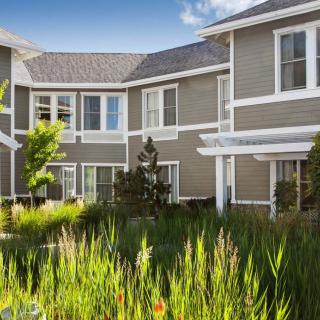
Summerfield Retirement Home
Utah County
Utah
Studio
$2,250
$3,189
$3,206
1 Bedroom
$2,250
$3,469
$3,556
2 Bedrooms
$2,250
$3,598
$4,194
Assisted Living communities with a similar price nearby
Residents consistently describe the food as a standout part of day-to-day life.
Food comes up repeatedly in residents’ comments, with people specifically calling out how much they enjoy the meals. Several also describe the dining room setup as more comfortable and restaurant-like than a typical senior dining experience. One resident mentioned “afternoon movie times” alongside enjoying the food, and another described the dining area and kitchen setup in detail.
common6 reviews mention this
Activities help residents connect
Bingo, trivia, and daily activities help residents feel included.
Across multiple reviews, residents describe staying engaged through games and scheduled events like trivia and bingo. Others mention regular programming and even time outdoors (like garden boxes) as part of why daily life feels active. A recurring point is that activities give residents something to look forward to and help them build relationships with other people in the community.
common10 reviews mention this
Care feels personal for many
Many families describe staff as caring, responsive, and genuinely invested in residents.
A large share of reviews highlight staff warmth and follow-through, including being patient, communicating with families, and treating residents with dignity. Several reviews describe consistent efforts that go beyond basic tasks—like creating a welcoming home-like atmosphere and staying engaged with residents personally. Some families also call out specific individuals by name, reinforcing that they felt supported throughout their loved one’s time there.
caveat2 reviews mention this
Understaffing affects timely help
Some residents and families say staffing shortages limited timely care.
While many reviews are positive, a couple of critical reviews describe understaffing and a mismatch between promised coverage and what residents experienced. One review specifically mentions a very high resident-to-CNA load and the CNA taking on other duties at the same time. Another review alleges delays in getting help, connecting those gaps to resident outcomes like wounds and worsening conditions.
common2 reviews mention this
Close to local medical options
Nearby hospitals and physician offices can be reached quickly for care needs.
Several nearby medical options are listed very close by, including an emergency room and multiple physician offices. This can matter for families when they want easier access to urgent evaluation or follow-up appointments.
How we summarize
Counts show how many written reviews mention each theme; a review can touch several themes, and only frequently mentioned themes are displayed.
Features
Types of Care
Assisted Living
Independent Living
Amenities
Activities on-site
Devotional services off-site
Indoor common areas
Care Services
Ambulatory care
Diabetic care
Dining
Meals provided
Activities
Activities on-site
Devotional activities offsite
Nearby Places of Interest
This area of Orem, Utah offers a convenient location with easy access to hospitals, physicians, pharmacies, and restaurants all within close proximity. Places of worship are also nearby for those seeking spiritual fulfillment. The neighborhood boasts several parks for leisurely strolls and outdoor recreation. Additionally, there are cafes and a theater for entertainment options. Overall, this part of Orem provides a well-rounded community environment with amenities that cater to the needs of senior residents.
Hospitals
Emergency Room (0.2 miles)
Provo Canyon School (2.8 miles)
Candida Wellness Center (4.3 miles)
Physicians
Orem WorkMed (0.2 miles)
Valley Obstetrics & Gynecology (0.2 miles)
Utah Valley Pain Management (0.6 miles)
Men's Fertility and Peyronie's Clinic (0.7 miles)
Wayne Dr - Young Wayne Young MD (0.8 miles)
Athena Womens Clinic (0.8 miles)
Orem Family Medicine (1.1 miles)
Restaurants
Taco Bell (0.3 miles)
McDonald's (0.3 miles)
Culver's (0.4 miles)
Sonic Drive-In (0.6 miles)
Taco Amigo (0.8 miles)
Feast Buffet (0.9 miles)
Maria Bonita Mexican Grill (0.9 miles)
Places of Worship
Church of Jesus Christ of Latter Day Saints (0.3 miles)
Church of Jesus Christ of Latter Day Saints (2 miles)
The Church Of Jesus İst Of Latter-Day Saints (2 miles)
The Church of Jesus Christ of Latter-day Saints - 600 N Orem UT (2.2 miles)
Church of Jesus Christ of Latter Day Saints (2.4 miles)
The Church Of Jesus İst Of Latter-Day Saints (2.6 miles)
Summerfield Retirement Home offers competitive pricing for its accommodations compared to both Utah County and the broader state of Utah. Regardless of whether residents choose a studio, one-bedroom, or two-bedroom unit, Summerfield maintains a consistent monthly rate of $2,250, which stands in stark contrast to the higher costs prevalent in the region. Specifically, similar studio units in Utah County average around $3,189, with one-bedroom apartments costing about $3,469 and two-bedroom options reaching approximately $3,598. This trend continues at the state level where averages are even steeper: studios at roughly $3,206, one-bedrooms at $3,556, and two-bedrooms hitting about $4,194. These figures underscore Summerfield's commitment to providing affordable living options without compromising on quality or community engagement for its residents.
Assisted living communities offer diverse activities beyond traditional games to enhance seniors' physical health, cognitive well-being, emotional enrichment, and social connections, including fitness classes, creative expression, and intergenerational interactions. These enriching programs foster community bonds and support residents' independence and happiness.
The article differentiates between assisted living and memory care, explaining that assisted living supports seniors with daily activities while promoting independence, whereas memory care provides specialized services for individuals with dementia, focusing on secure environments and cognitive support. It also addresses staff training, safety considerations, costs, family involvement, and transition strategies for families navigating these care options.
Family caregivers face emotional, legal, and practical challenges when elderly parents refuse assisted living, often due to fears of losing autonomy. Open conversations and professional assessments can help address these concerns while exploring alternatives and ensuring safety, potentially leading to legal guardianship if necessary.
Get PricingAsk A QuestionSchedule A TourContact Senior Advisor
By clicking submit, you agree to our Partner's Terms of Use. You
also consent to receive calls and texts, which may be autodialed, from our Partner. Your consent is not a condition to
using our Partner's service. Please visit our Partner's Privacy Policy for information about their privacy practices.



 Assisted Living
 Independent Living
 Activities on-site
 Devotional services off-site
 Indoor common areas
 Ambulatory care
 Diabetic care
 Meals provided
 Engaging activities led by a certified recreation therapist and friendly staff.

 Beyond the Bingo Hall: 50+ Enriching Activities for Seniors in Assisted Living
 Understanding the Distinctions: Assisted Living and Memory Care Explained
 Guiding Elderly Parents Who Refuse Assisted Living: 6 Practical Steps