
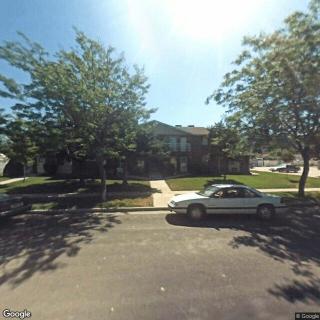
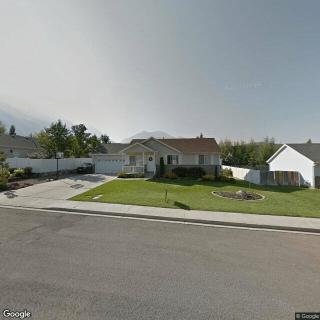
549 North 400 E, Nephi, UT 84648
For more information about senior living options: (866) 208-4318
Overall Review of Laurel Groves Assisted Living Center
Pros
 The grandmother was treated well during her residency.
- She received good meals.
- The people around her were likable most of the time.
Review
Laurel Groves Assisted Living Center in Nephi, Utah is best suited for seniors who want a small, neighborly, resident-centered environment where daily meals are solid and staff interactions feel reliably friendly. It appeals to families seeking a stable, long-term placement for a loved one who does not require intensive medical intervention or highly specialized memory care. The available insight centers on a resident who stayed for a couple of years and experienced consistent, satisfactory treatment, with good meals and likable staff most of the time. For families prioritizing warmth, predictability, and a low-drama daily life, this community presents a compelling fit.
Those weighing alternatives should consider what happens if higher acuity is needed. If a resident requires robust nursing oversight, frequent clinical intervention, or specialized memory-care programming, a larger campus with deeper medical capabilities is likely a better match. Similarly, for families seeking a high-energy activity slate, broad transport options, or more expansive amenities, other facilities may deliver more extensive programming. Laurel Groves stands out for simplicity and steadiness, but may fall short for residents who rely on intensive therapies or diverse social offerings.
The strongest positives here are practical and tangible: dependable meals, a steady, personable staff presence, and a sense of continuity from a long-tenured team. Good meals contribute directly to daily energy, appetite, and mood, reducing the risk of nutritional gaps and helping maintain overall well-being. The perception of likable staff, particularly over a multi-year stay, translates into fewer friction points, smoother daily routines, and more comfortable days for both residents and their families. The combination of these elements helps offset concerns about isolation or neglect, which can erode confidence in a smaller community.
In daily life, the impact of these advantages is meaningful. A reliable dining experience paired with friendly, familiar faces tends to foster trust and reduce anxiety during transitions. For residents who value predictable routines and personal recognition, Laurel Groves offers a climate where small gestures, a familiar server, a quick check-in from a caregiver, can significantly lift mood and engagement. The absence of obvious, stated drawbacks in the available account reinforces the impression of a steady, low-stress living environment.
From a decision-making standpoint, the evidence requires careful interpretation. Only a single, positive review exists, leaving the full scope of care quality, activity variety, staffing levels, and day-to-day operations underexplored. Pros offset the lack of negative signals, but the limited data invites due diligence: verify current staffing ratios, confirm the availability of essential services (assistance with activities of daily living, medication management, and emergency response), and assess whether the social calendar aligns with the resident’s interests. A tour and direct conversations with current residents and staff will reveal whether the warmth described is consistent across shifts and seasons.
The bottom line: Laurel Groves is a sensible, audience-appropriate option for families prioritizing a clear, comfortable daily life, reliable meals, and a kind, stable staff dynamic in a smaller Nephi setting. It should appeal to those who want steady, long-term care without the complexity of a large facility. For families needing robust medical oversight, memory-care specialization, or a more energetic spectrum of programs, alternatives warrant consideration. To move forward, schedule a visit, ask pointed questions about care planning and staffing, and compare with other options to confirm that the profile aligns with the resident’s medical needs, social preferences, and family expectations.
 34 resident community capacity
 Assisted Living
 Beauty salon
 Cable or satellite TV
 Dining room
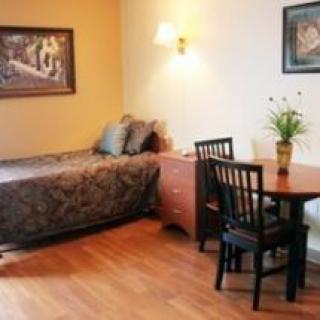
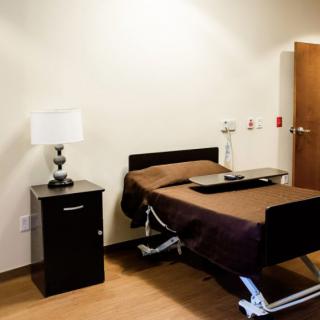
 Fully furnished
 Garden
 Housekeeping services
 Kitchenette
 Move-in coordination
 Outdoor space
 Restaurant-style dining
 Small library
 Telephone
 Wi-Fi/high-speed internet available
 24-hour call system
 Activities of daily living assistance
 Assistance with bathing
 Assistance with dressing
 Assistance with transfers
 Diabetes diet
 Medication management
 Mental wellness program
 Special dietary restrictions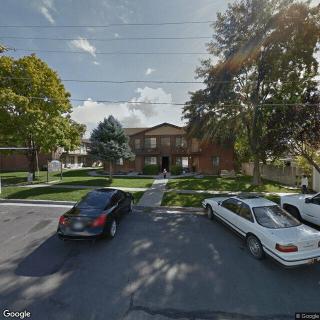


 Beyond the Bingo Hall: 50+ Enriching Activities for Seniors in Assisted Living
 Understanding the Distinctions: Assisted Living and Memory Care Explained
 Guiding Elderly Parents Who Refuse Assisted Living: 6 Practical Steps