
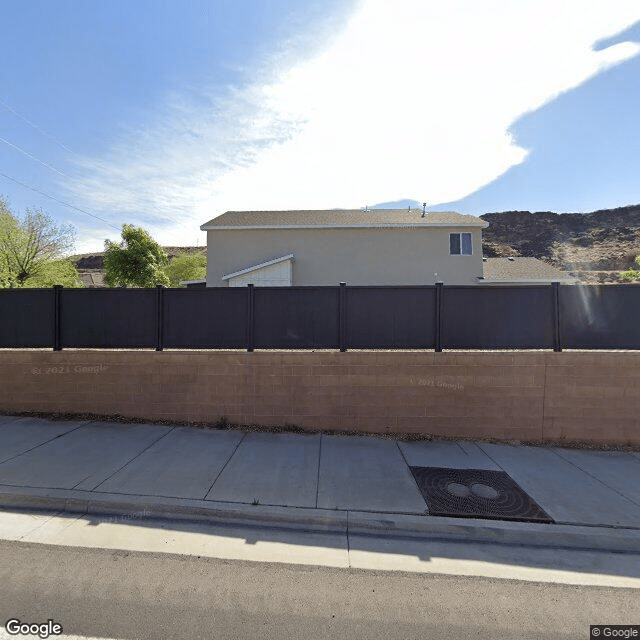
158 North 240 East, Hurricane, UT 84737
To contact a resident: (435) 414-8551
For more information about senior living options: (866) 208-4318
Overall Review of Like Family Home Health
Pros
 Like Family consistently delivers great care, and families appreciate their help during difficult times.
- They consistently do a great job, and families are grateful for their support.
- Like Family has always been there for families and has helped loved ones with patience and care.
- Like Family has been helpful with families’ needs.
- They provide meaningful, home-like, safe, and comfortable dementia care, with clear communication to both the patient and the family.
- They are kind and attentive, delivering top-notch care that families highly recommend.
- Like Family offers flexible in-home care and has earned long-term trust from families.
Cons
 They didn’t have much help when they needed it with their father.
- They were in and out of the state and didn’t receive much support.
Review
Like Family Home Health in Hurricane, UT is best suited for families seeking intimate, home-based senior care where a trusted team can become an extension of the family. It shines for loved ones who live with dementia, cognitive decline, or fragile health and require flexible, ongoing support without moving into a facility. The reviews consistently highlight caregivers who feel like trusted members of the household, delivering patient, individualized attention that keeps the senior in a familiar environment. This option is especially advantageous when family members are scattered or frequently traveling, because the caregivers coordinate closely with relatives and maintain meaningful routines in the home setting. For families prioritizing continuity of care, emotional warmth, and a near-constant sense of “being at home,” this provider stands out as a practical, dependable choice.
Those who should explicitly consider alternatives are families whose primary need is round-the-clock medical oversight or a formal, structured memory-care environment. Traditional assisted living or skilled-nursing communities offer on-site nurses and more rigid programming, which may be better suited to residents with advanced medical complexity or behaviors requiring constant supervision. If the plan calls for a centralized campus with built-in social ecosystems, robust supervised activities, or 24-hour institutional care, a brick-and-mortar facility would likely serve those needs more directly. In short, when the goal is an independent-feeling home life with flexible there-for-you support, this home-health model excels; when the goal is comprehensive, facility-based medical management, alternatives deserve serious consideration.
The core strengths lie in extraordinary caregiver–family alignment and a palpable commitment to comfort and dignity. Reviewers repeatedly note staff who are kind, attentive, and patient with loved ones, qualities that translate into meaningful daily care, especially for someone with dementia. The ability to tailor care plans, adjust schedules, and communicate clearly with relatives minimizes the stress that often accompanies caregiving. The personal rapport, reliability, warmth, and a sense that the care team genuinely cares, allows families to entrust difficult duties without constant worry. This level of relational stability, paired with apparent flexibility, creates a home-life atmosphere that many families say is transformative for both the senior and the household dynamics.
Even so, the inherent trade-offs of home-based care must be weighed. The most salient potential drawback is the reliance on individual caregivers and the continuity of staff coverage; if a key caregiver becomes unavailable, there may be lapses in scheduling or consistency. Although communication with families is praised, the model may still hinge on the availability of compatible personnel and on how well back-up plans are executed during absences. Additionally, the home-focused approach naturally lacks the on-site medical infrastructure of a facility, which can limit the immediacy of skilled nursing intervention or the breadth of on-site programs for a resident with complex medical needs. Cost dynamics and long-term budgeting also come into play, though none of the reviews directly address price.
These pros offset the cons most effectively when the decision centers on preserving familiar routines and personal autonomy while receiving responsive, hands-on support. The demonstrated willingness to accommodate specialized needs, whether dementia-focused care, flexible scheduling, or family-centered communication, mitigates concerns about isolation or impersonal service. The strong emphasis on comfort, safety, and the home feel counterbalances the absence of a 24/7 clinical hub, for families whose priority is emotional well-being and practical support over campus-wide programming. In scenarios where trust and shared history with caregivers matter, the advantages are compelling enough to outweigh the logistical caveats.
For families evaluating options, the decision comes down to matching the caregiver model to the loved one’s daily realities. If the priority is keeping a senior comfortably at home with care that feels personal and consistently available, Like Family Home Health offers a proven, highly regarded fit in Hurricane, Utah. If the resident requires constant medical supervision, complex professional oversight, or a more structured social environment, pursuing traditional assisted living or skilled-nursing arrangements is prudent. In all, the strongest endorsement rests on the ability to secure dependable caregivers who communicate well, adapt to changing needs, and treat the home as a sanctuary, the hallmarks that make this provider a practical, reliable choice for many families navigating the challenges of caregiving.
 St George Muni (24 miles away)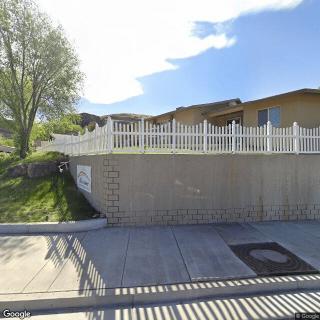


 Seniors and Modern Transportation: Exploring Uber, Lyft, and Other Ride-Hailing Options
 Comprehensive Guide to Qualifying for Home Health Care Services
 Powerful Realities of Elder Abuse and the Most Effective Ways to Report It