
4773 Fm 933 N, Whitney, TX 76692
For more information about senior living options: (866) 208-4318
Country Club Retirement Community Assisted Living Costs & Pricing
The Country Club Retirement Community Assisted Living offers a competitive pricing structure for its residents, with the cost of a one-bedroom unit set at $3,000 per month. This rate is thoughtfully positioned between the average costs in Hill County and the broader state of Texas, where similar accommodations can be found for approximately $2,875 and $3,761 respectively. This strategic pricing not only reflects the quality of care and amenities provided at Country Club Retirement Community but also positions it as an attractive option for those seeking assisted living solutions that balance affordability with comfort and support. Residents can enjoy peace of mind knowing they are receiving value without compromising on essential services.
| Floor plans | Country Club Retirement Community Assisted Living | Hill County | Texas |
|---|---|---|---|
| 1 Bedroom | $3,000 | $2,875 | $3,761 |
Overall Review of Country Club Retirement Community Assisted Living
Pros
 They love CCRC; the staff are kind and compassionate.
- The staff are professional and treat residents with dignity, and they keep families informed about care.
- Tammy, the Activity Director, is tireless and keeps residents involved in activities and decorates the building for every holiday.
- The staff are top notch; the nursing, food, housekeeping, and maintenance teams are excellent.
- The mom and her dog are happy there and call it home; visitors are greeted with smiles and mom knows all the staff by name.
- There are plenty of activities to keep everyone busy, and the building is clean; residents are pampered.
- The apartments are spacious and well-equipped, with private patios and accessible features.
- The facility offers convenient amenities, including a laundry area, beauty shop, hair salon, and regular church services.
- The director is awesome and the staff are responsive to repairs; maintenance is superb.
- It is convenient and supportive of independence, and many reviewers would highly recommend it.
- The community is welcoming and feels like a great place to retire.
Review
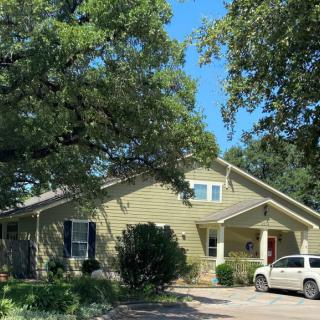
This community is ideal for active seniors who want an approachable, home-like assisted living experience in Whitney, Texas, with a clear emphasis on dignity, connection, and independence. Families that value consistent staffing who know residents by name, a robust activity calendar, and a pet-friendly environment will feel at home quickly. The campus feels intimate yet well-equipped: spacious apartments with private patios, individual climate controls, and accessible layout; a sunroom for reading, a large exercise room, a hair salon, and on-site dining with soothing routines. The staff is described as kind, compassionate, and professional, with regular communication to families so no one is left in the dark about care. Tammy, the activity director, earns standout praise for keeping residents engaged and the building festive for holidays.
Alternatives: This is not the place for residents who require intensive medical oversight around the clock, a formal memory-care program, or heavy rehab services. Some families have noted staffing turnover over time, including multiple directors, which can translate into variability in day-to-day decisions. For those who must compare rates by room location, be prepared for price differences based on where a unit is placed in the building. Also, those seeking a bustling urban setting or a campus with extensive medical amenities may feel more at home elsewhere. In short, if consistent medical support and a single, stable leadership team are top priorities, it makes sense to broaden the search.
Pros: The strongest argument for Country Club Retirement Community Assisted Living is the people and the feel. Residents and their families repeatedly praise the staff for treating residents with dignity and keeping families informed. The dining program offers choices, and meals are described as good; housekeeping and laundry are handled on-site; beauty shop services are available; and there is practical self-sufficiency in the apartments, every unit feels their own space with a kitchen-friendly layout, a walk-in shower, and generous closets. A comprehensive activity calendar, religious services, and a pet-friendly policy reduce isolation and support social wellness, making the setting feel like a long-term home rather than a clinical arrangement. The facility’s small-town location does not strip away amenities; instead, it concentrates them into a clean, well-kept campus with easy access to visitors.
Cons: The flip side centers on consistency and pricing texture. Turnover in leadership and caregiving roles has been noted by some families, suggesting that the experience can vary depending on who is leading the building at any given time. While many residents seem thriving, this potential fluctuation can affect communication and care routines. Space and price are not uniform across the campus; some units in the front carry a higher price than those toward the back, which can complicate budgeting for a fixed income. For families seeking a highly medicalized environment, or those needing robust memory-care programs, this community’s assisted-living focus may feel secondary to that specialized care.
How the positives offset the negatives: The warmth of the staff and the depth of resident engagement can soften concerns about turnover by ensuring families stay informed and residents remain included. The home-like apartment design supports autonomy, every unit feels their own space with a kitchen-friendly layout, a walk-in shower, and personal outdoor access, so reliance on constant nursing care is not the default. A comprehensive activity calendar, religious services, and a pet-friendly policy reduce isolation and support social wellness, making the setting feel like a long-term home rather than a clinical arrangement. Laundry and housekeeping included, along with on-site services like hair care, further reduce daily friction for residents and their families, which often matters more than the occasional management shift.
Bottom line and next steps: This community serves as a practical choice for families prioritizing companionship, a warm, active culture, and independence within a clearly defined assisted-living framework. For those who want a gentle, home-centered environment in a country-town setting, with a strong staff ethic and visible family involvement, Country Club Retirement Community Assisted Living in Whitney is worth a serious look. If medical complexity, consistent leadership, or lower cost with more predictable pricing are non-negotiables, widen the search to other facilities with dedicated memory care programs or greater nursing wraparound. When evaluating, request current staffing patterns, tour multiple floor plans, speak with current residents and families, and observe activity engagement on a typical day to confirm that the pace of life aligns with expectations.
 50 resident community capacity
 Assisted Living
 Continuing Care Retirement Community (CCRC)
 Independent Living
 Activities on-site
 Beautician on-site
 Cable or satellite TV
 Devotional services off-site
 Financial aid
 Fully furnished
 Garden
 Housekeeping services
 Indoor common areas
 Kitchenette
 Laundry
 Move-in coordination
 Outdoor space
 Party space
 Private bathrooms
 Respite or short term stays offered
 Transportation arrangement
 24-hour call system
 Ambulatory care
 Assistance with bathing
 Assistance with dressing
 Assistance with transfers
 Diabetes diet
 Diabetic care
 Meal preparation and service
 Medication management
 Special dietary restrictions
 Arts and crafts
 Educational speakers / life long learning
 Fitness programs
 Games
Games Live musical performances
 English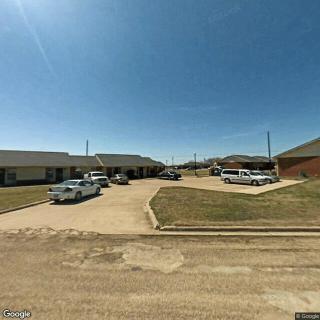






 How and When Medicaid May Cover Assisted Living Costs
 A Detailed Exploration of Assisted Living Medicaid Waivers Across the United States
 Comprehensive Residential Support and Assisted Living Solutions for Individuals with Disabilities