

15062 CR 1145, Tyler, TX 75704
To contact a resident: (903) 596-8100
For more information about senior living options: (866) 208-4318
Overall Review of Breckenridge Village of Tyler-Barnabas House
Pros
 They would want their child with IDD to call this place home.
- It is a wonderful place for residents.
- Everyone there is helpful and kind.
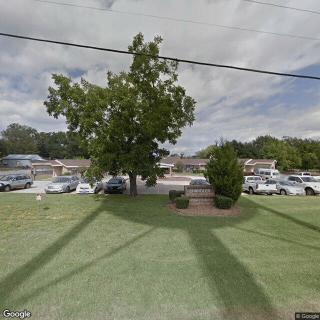
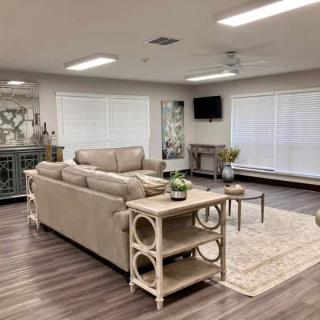
- The facility is impressive.
Review
Breckenridge Village of Tyler-Barnabas House is best suited for families seeking a specialized living environment for residents with intellectual and developmental disabilities who benefit from consistent routines, attentive staff, and a home-like atmosphere. The Barnabas House setting emphasizes warmth, patience, and practical support, delivering a culture where residents are treated with dignity and care. Those evaluating this community will find a clear alignment with needs that prioritize stable daily structures, meaningful social engagement tailored to IDD residents, and a campus feel designed to reduce anxiety and confusion. For families prioritizing a place where staff know each resident well and where programming is purposely crafted around IDD-related goals, this option stands out as a strong fit.
For families weighing options, it is wise to consider alternatives if IDD-focused supports aren’t essential. General assisted living communities or memory-care oriented campuses that serve a broader elder population may offer more diversified social experiences or medical oversight beyond what a specialized IDD residence provides. If a resident requires intensive, round-the-clock medical supervision, broader geriatric services, or programming that targets a wider age range and a wider set of needs, those settings could deliver more comprehensive coverage. In short, the Barnabas House excels in a niche, families should seek other options if that niche does not perfectly match the resident’s care trajectory.
On the upside, the strongest pros are tangible and meaningful. Staff are consistently described as helpful and kind, turning everyday routines into positive experiences and giving residents a sense of being truly cared for. The environment feels impressive, well-maintained, thoughtfully designed, and conducive to safety and independence within a supportive framework. A communal vibe emerges where residents can form genuine connections with peers and caregivers who understand IDD nuances. The overwhelmingly favorable rating suggests that, when matched to the right resident profile, the daily life here delivers reliability, warmth, and a sense of home.
Nevertheless, the reality of a specialized setting brings potential trade-offs. The most notable con is a narrower resident demographic, which can limit the breadth of day-to-day interactions beyond the IDD-focused circle. For families seeking a more mixed-age social scene or broader medical programming, this could feel limiting. There is also at least one 1-star review among the mix, which signals that not every experience aligns with the ideal scenario. While that lone critique should not overshadow the overall pattern, it does underscore the importance of clarifying expectations before admission and ensuring a precise match to the resident’s needs and preferences.
The pros offer meaningful offsets to the potential drawbacks, especially for residents whose goals revolve around stability, purposeful activity, and consistent caregiver relationships. The staff’s expertise in IDD-specific supports translates into tailored routines, predictable daily structures, and ongoing opportunities for skill-building and meaningful participation. An impressive facility paired with compassionate caregiving creates a buffer against social isolation and disengagement, ensuring that residents feel seen and valued. For families confident that their loved one will benefit from a highly specialized team, the positives tend to outweigh the limitations, delivering a dependable and respectful living option.
To move from consideration to decision, focus on a few practical checks. Arrange a direct tour with questions about eligibility, care plans, and the degree of resident input in daily scheduling. Probe how staff handle transitions, behaviors, and crises, and request examples of individualized life plans. Verify what programming exists beyond IDD-specific activities and whether families can participate in planning and outings. Clarify cost structures, what is included in fees, and any additional charges. Finally, assess how well the resident’s long-term goals align with the available supports, and confirm that the environment, culture, and staff continuity will sustain growth, connection, and dignity over time.
 Board and Care Home
 Tyler Pounds (1 miles away)




 Fecal Incontinence in Older Adults: A Comprehensive Guide
 Recognizing the Journey: Understanding and Navigating Anticipatory Grief
 Encouraging Participation in Adult Day Care: A Guide to Supporting a Hesitant Parent