For more information about senior living options: (866) 208-4318
4.1 from 33 reviews
5 stars
25
4 stars
0
3 stars
1
2 stars
1
1 stars
6
Greenbrier Nursing & Rehabilitation Center Of Tyle Costs & Pricing
Greenbrier Nursing & Rehabilitation Center of Tyle offers semi-private rooms at a monthly cost of $4,254, which is slightly lower than the average for Smith County, where the typical cost stands at $4,316. However, both figures are notably higher than the state average for Texas, which comes in at $3,680 for similar accommodations. This positioning reflects the center's commitment to providing quality care and services while still aiming to remain competitively priced within its local market. The variance in costs highlights not just geographical differences but also the potential value residents may experience through specialized services offered by Greenbrier compared to more cost-effective options throughout the state.
Floor plans
Greenbrier Nursing & Rehabilitation Center Of Tyle
Smith County
Texas
Semi-Private
$4,254
$4,316
$3,680
Skilled Nursing Facilities with a similar price nearby
Overall Review of Greenbrier Nursing & Rehabilitation Center Of Tyle
common27 reviews mention this
Staff care is a mixed picture
Residents and families describe staff attitudes that range from very helpful to openly rude.
Many reviews describe attentive, friendly staff who respond quickly, help with needs, and coordinate with other agencies. Several reviewers also say leadership and department heads stay on top of residents’ safety and daily care. At the same time, a smaller set of reviews complain about rude behavior, long waits for help, and unanswered calls at night or on weekends.
common7 reviews mention this
Meals and dining get praise
Food and dining are regularly praised as better than expected.
Several reviewers say the meals are enjoyable, including descriptions of home-cooked style food. Others mention seeing residents socializing in the dining room, and a few connect meal service with residents being more engaged. While dining is generally positive, those concerns about care and basic needs in a minority of reviews sometimes also affect how residents experienced daily routines, including meals.
caveat7 reviews mention this
Cleanliness and odors come up
Cleanliness is inconsistent in reviews, with some mention of odors or hygiene problems.
A number of reviews describe clean, pleasant spaces and say the building looked well kept. Others report rooms that smelled badly, bedding that seemed in disrepair, or residents arriving with or developing hygiene issues. Negative reviews also cite laundry/soaking issues and dirty bathroom conditions, contrasting with the positive cleanliness notes.
caveat3 reviews mention this
Communication and phone access vary
Families mention uneven responsiveness when trying to reach staff.
Some reviewers say they were kept informed and that staff answered call lights quickly. But other reviews report phone lines that were not answered, hang-ups or blocked numbers, and difficulty reaching help after hours or on weekends. One review also describes receiving only a billing notice after a serious incident.
caveat6 reviews mention this
Rehab outcomes and safety concerns
Rehab and safety are described positively by some, but several reviews raise serious concerns.
Positive reviews highlight therapy that builds strength and supports fall prevention, along with claims of comprehensive rehab. Negative reviews, however, describe falls and injuries, head trauma, and concerns about how much therapy residents actually received. A few also describe problems like medication not being provided when a resident was moved out, adding to worries about care coordination during rehab.
common4 reviews mention this
Activities help residents engage
Residents and families describe activities that bring people together.
Multiple reviews mention residents interacting more, with some describing laughter and social time. A few reviews specifically point to an activities director’s role in keeping residents engaged, including games and other resident-focused moments. These comments align with the community’s on-site activities offerings listed among its program features.
How we summarize
Counts show how many written reviews mention each theme; a review can touch several themes, and only frequently mentioned themes are displayed.
Features
Housing
59 resident community capacity
Types of Care
Memory Care
Skilled Nursing Facility
Amenities
Activities on-site
Air-conditioning
Bath tubs
Beautician on-site
Beauty salon
Cable or satellite TV
Computer center
Devotional services off-site
Devotional services on-site
Dining room
Fitness room
Fully furnished
Gaming room
Garden
Housekeeping services
Indoor common areas
Kitchenette
Move-in coordination
Outdoor common areas
Outdoor space
Private bathrooms
Restaurant-style dining
Small library
Telephone
Wellness center
Wheelchair accessible showers
Wi-Fi/high-speed internet available
Transportation
Tyler Pounds (4 miles away)
Community operated transportation
Transportation arrangement
Transportation arrangement (non-medical)
Transportation to doctors appointments
Care Services
12-16 hour nursing
24-hour call system
24-hour supervision
Activities of daily living assistance
Assistance with bathing
Assistance with dressing
Assistance with transfers
Diabetes diet
High acuity care
Incontinence care
Meal preparation and service
Medication management
Mental wellness program
Special dietary restrictions
Dining
Diabetes diet
Meals provided
Special dietary restrictions
Vegetarian
Activities
Activities on-site
Community-sponsored activities
Concierge services
Devotional activities offsite
Devotional activities on-site
Fitness programs
Planned day trips
Resident-run activities
Scheduled daily activities
Nearby Places of Interest
Located in Tyler, Texas, this area offers convenient access to a variety of healthcare facilities, including dialysis centers, hospitals, pharmacies, and physicians' offices within just a few miles. The abundance of dining options ranging from fast food to sit-down restaurants provides easy meal choices for seniors looking to dine out or grab a quick bite. Additionally, there are cafes for those who enjoy coffee and socializing with friends. Places of worship are also nearby for spiritual fulfillment and community involvement. Transportation options such as car rental services are available for those who may need to travel beyond the immediate vicinity. Overall, this neighborhood provides a well-rounded environment with essential amenities that cater to the needs of senior residents.
Hospitals
West Tyler Dialysis Center (0 miles)
Trinity Mother Frances Health (2.8 miles)
Trinity Mother Frances (3 miles)
East Texas Medical Center Specialty Hospital (3.1 miles)
East Texas Medical Center Regional Healthcare System (3.1 miles)
Dialysis Access Center Of Tyler (3.1 miles)
Fresenius USA (3.1 miles)
Pharmacies
Walgreens (0.1 miles)
Omnicare (0.6 miles)
Genoa-QOL Healthcare Co. (0.9 miles)
Woody Weaver Pharmacy (1.3 miles)
CVS Pharmacy (1.4 miles)
Brick Street Pharmacy (2.3 miles)
Walmart Pharmacy (2.5 miles)
Cafes
Starbucks (0.2 miles)
Distant Lands Coffee (1.2 miles)
The Foundry Coffee House (2.4 miles)
HTeaO (3.5 miles)
Coffee City USA (4.3 miles)
Restaurants
Popeyes Louisiana Kitchen (0.2 miles)
Sonic Drive-In (0.2 miles)
Brickhouse BBQ (1.5 miles)
Church's Chicken (1.9 miles)
Los Gueros Taqueria (2.1 miles)
Wendy's (2.1 miles)
Bruno's Pizza & Pasta (2.2 miles)
Physicians
TSO Westwood (0.6 miles)
Bethesda Health Clinic (2.1 miles)
Trinity Childrens Clinic (2.4 miles)
Trinity Clinic Neuroscience (2.4 miles)
CHRISTUS Trinity Clinic Sleep Medicine (2.5 miles)
Trinity Mother Frances Family (2.5 miles)
TMFS - Trinity Clinic (2.8 miles)
Places of Worship
College Hill Baptist Church (1.6 miles)
Cathedral of the Immaculate Conception (2.4 miles)
Greenbrier Nursing & Rehabilitation Center of Tyle offers semi-private rooms at a monthly cost of $4,254, which is slightly lower than the average for Smith County, where the typical cost stands at $4,316. However, both figures are notably higher than the state average for Texas, which comes in at $3,680 for similar accommodations. This positioning reflects the center's commitment to providing quality care and services while still aiming to remain competitively priced within its local market. The variance in costs highlights not just geographical differences but also the potential value residents may experience through specialized services offered by Greenbrier compared to more cost-effective options throughout the state.
The features offered at Greenbrier Nursing & Rehabilitation Center are designed to create a supportive environment for residents with dementia or Alzheimer's disease, addressing both their physical and emotional needs. With 24-hour supervision, residents are ensured safety and security at all times, while assistance with activities of daily living--such as bathing, dressing, and transfers--promotes dignity and independence even in vulnerable moments. Incontinence care is provided discreetly to maintain comfort and confidence, whereas meal preparation and service cater to dietary needs, enhancing overall well-being. Medication management helps residents adhere to necessary treatments, reducing anxiety surrounding their health. Additionally, the mental wellness program fosters cognitive engagement and social interaction, which can alleviate feelings of isolation and contribute positively to their overall quality of life. Each feature works synergistically to create a holistic approach to memory care that respects individual capabilities while providing thorough support.
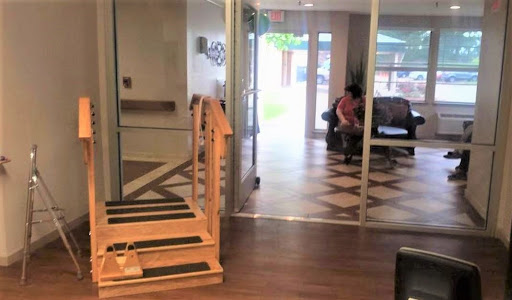
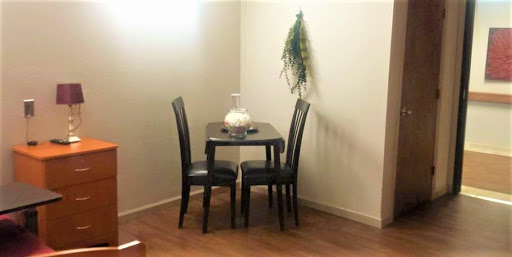
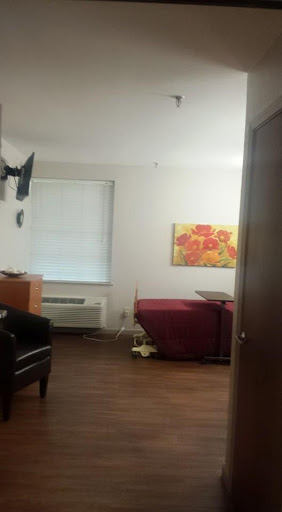
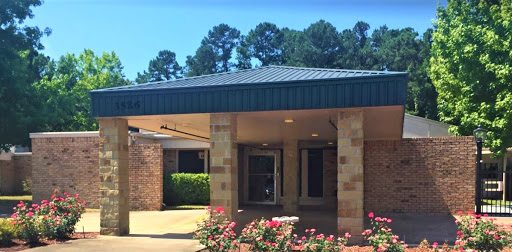
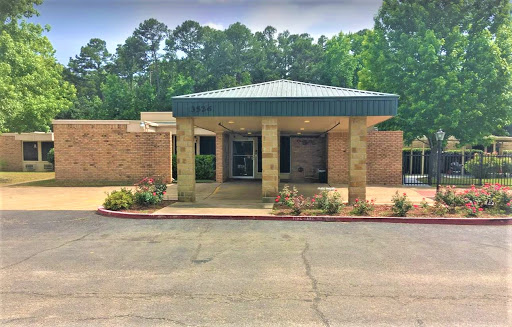
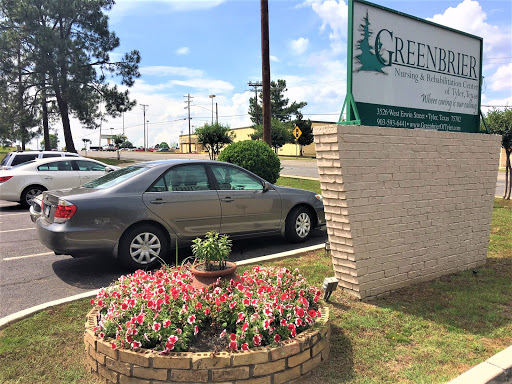
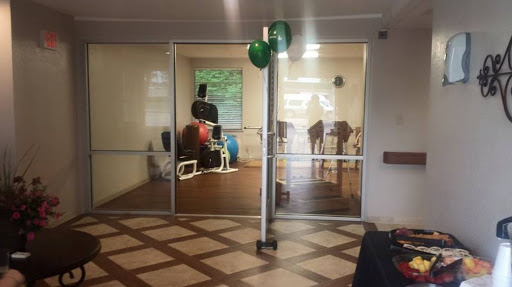
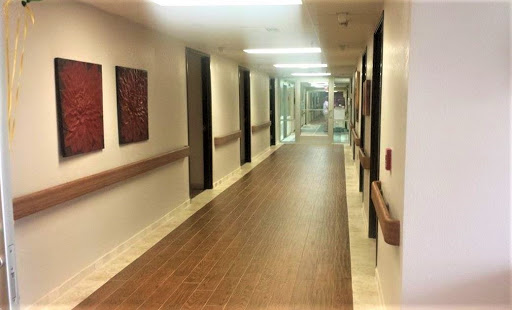
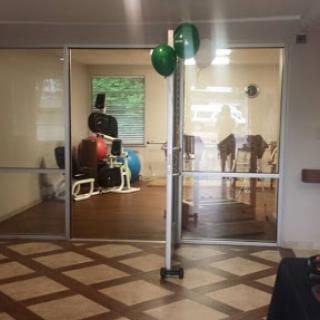
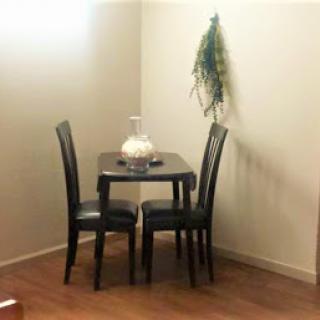
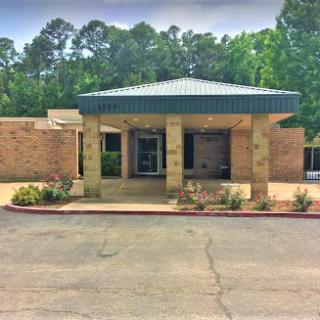
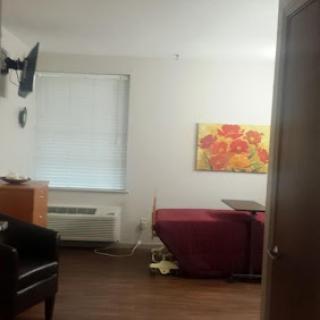
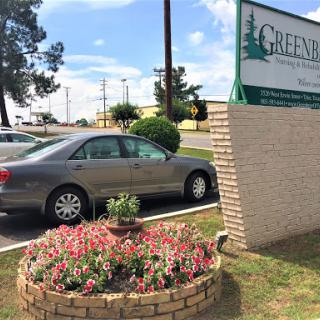
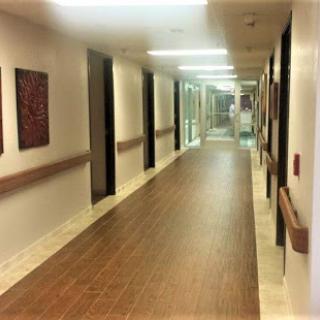
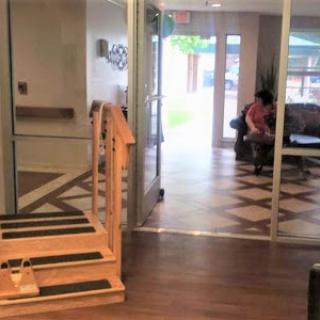
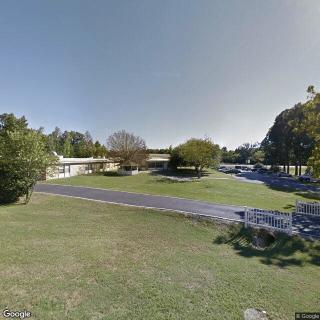
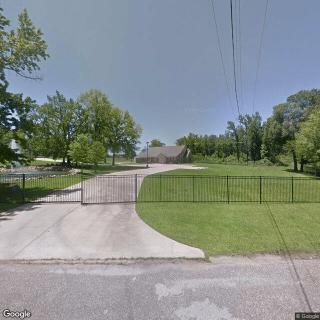
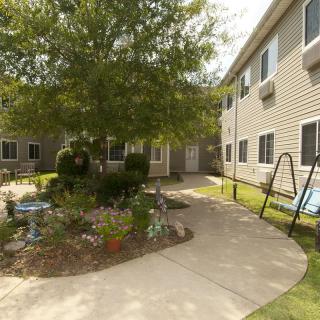
Greenbrier Nursing & Rehabilitation Center Of Tyle on seniors.fyi includes 11 photos including images showing interior, building, landscaping, outdoor, architecture, entrance, staircase, waiting area, and more.
Nearby Communities
Villa Of Tyler Building 4
Tyler, TX
Fully furnished accommodations with housekeeping, meals, medication management, and daily activities.
Villa Of Tyler Building 3
Tyler, TX
4.9 from 24 reviews
Home-like setting with comprehensive care (ADLs, meds, meals including special diets, transportation) and activities.
Fountains of Tyler
Tyler, TX
4.9 from 24 reviews
Comprehensive care and amenities (24/7 supervision, medication management, dining, diabetes/diet options, activities).
Penny Rella Home Care
Tyler, TX
Comprehensive care with diabetes-focused services and transportation to medical appointments.
The Oaks Assisted Living
Tyler, TX
4.6 from 69 reviews
Strong memory-care with attentive, compassionate staff.
Comfort Keepers
Tyler, TX
5 from 2 reviews
Compassionate care and an enriching environment with nearby amenities.
Reunion Inn Assisted Living
Tyler, TX
3.4 from 11 reviews
$2,800 to $3,500 / month
Genuine care from owners and staff in a warm, affordable setting with included transportation and housekeeping.
Garden Estates of Tyler
Tyler, TX
4.5 from 137 reviews
$2,295 to $3,695 / month
Friendly, professional staff with clean, spacious apartments and a warm community.
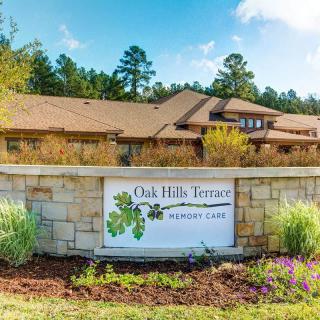
Oak Hills Terrace Memory Care
Tyler, TX
4.8 from 158 reviews
$4,630 to $5,045 / month
Caring staff with engaging activities in a clean, home-like setting.
Dementia, particularly Lewy body dementia, often involves hallucinations that can significantly distress both patients and caregivers due to disruptions in sensory processing and neurotransmitter imbalances. Effective management includes compassionate communication, environmental adjustments, and a multidisciplinary approach to care while addressing the emotional needs of caregivers.
Alzheimer’s disease is a progressive neurological disorder that significantly impacts memory and cognitive functions, accounting for 60-80% of dementia cases, with early diagnosis being crucial yet challenging. It involves brain changes like beta-amyloid plaques and tau tangles, influenced by genetic and lifestyle factors, and while there is no cure, symptom management and support for caregivers are essential.
Dementia, influenced by aging and certain medications, may be exacerbated by drug classes such as anticholinergics, benzodiazepines, and antipsychotics, which are associated with cognitive impairment. Regular medication reviews by healthcare professionals are crucial for older adults to manage risks and optimize cognitive health.
Greenbrier Nursing & Rehabilitation Center Of Tyle photos
×
Interior
Decor
Building
Architecture
Bedroom
Landscaping
Lighting
Lounge
Interior
Decor, Dining, and Minimalist
Bedroom, Windows, Artwork, and Television
Landscaping and Outdoor
Building
Architecture and Entrance
Lighting, Hallway, and Art
Exercise Equipment, Gym, and Fitness
Parking
Waiting Area, Lounge, Staircase, and Wooden Flooring
Additional Photos
Get PricingAsk A QuestionSchedule A TourContact Senior Advisor
By clicking submit, you agree to our Partner's Terms of Use. You
also consent to receive calls and texts, which may be autodialed, from our Partner. Your consent is not a condition to
using our Partner's service. Please visit our Partner's Privacy Policy for information about their privacy practices.


 59 resident community capacity
 Memory Care
 Skilled Nursing Facility
 Activities on-site
 Air-conditioning
 Bath tubs
 Beautician on-site
 Cable or satellite TV
 Computer center
 Devotional services off-site
 Dining room
 Fitness room
 Fully furnished
 Gaming room
 Garden
 Housekeeping services
 Indoor common areas
 Kitchenette
 Move-in coordination
 Outdoor common areas
 Private bathrooms
 Restaurant-style dining
 Small library
 Telephone
 Wellness center
 Wheelchair accessible showers
 Wi-Fi/high-speed internet available
 Tyler Pounds (4 miles away)
 Community operated transportation
 12-16 hour nursing
 24-hour call system
 Assistance with bathing
 Assistance with dressing
 Assistance with transfers
 Diabetes diet
 High acuity care
 Incontinence care
 Medication management
 Mental wellness program
 Special dietary restrictions
 Concierge services
 Planned day trips
 Fully furnished accommodations with housekeeping, meals, medication management, and daily activities.


 Dementia-Related Hallucinations: Causes, Experiences, and Practical Approaches
 Illuminating Insights About Alzheimer's Disease: Ten Crucial Realities
 A Thorough Discussion of Medications Potentially Linked to Dementia Risk