
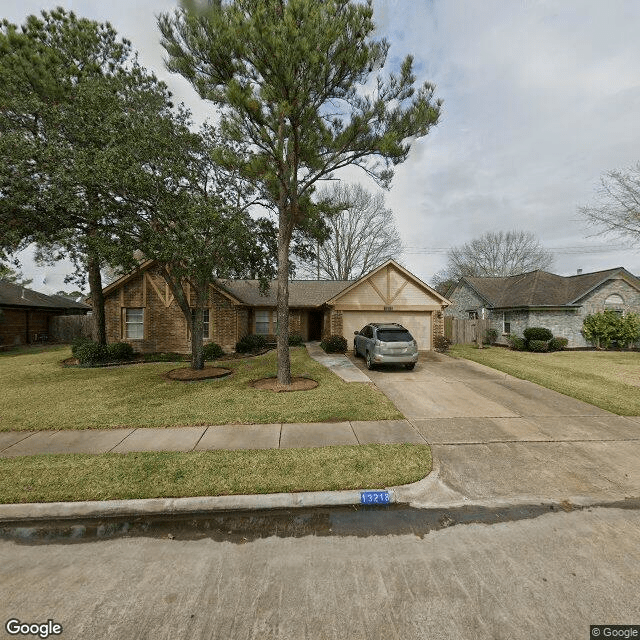
13218 Nantucket Drive, Sugar Land, TX 77478
For more information about senior living options: (866) 208-4318
Home Sweet Home Residential Care Facility For The Elderly Costs & Pricing
Home Sweet Home Residential Care Facility For The Elderly offers competitive pricing compared to regional and state averages, making it an appealing choice for families seeking quality senior care. The facility charges $2,000 per month for semi-private rooms, significantly lower than the Fort Bend County average of $3,813 and the Texas statewide average of $3,680. For those opting for private accommodations, the monthly fee is $2,500, which again stands in stark contrast to the higher rates of $3,890 in Fort Bend County and $4,096 across Texas. These cost differences underscore Home Sweet Home's commitment to providing affordable care while maintaining a high standard of service for its residents.
| Floor plans | Home Sweet Home Residential Care Facility For The Elderly | Fort Bend County | Texas |
|---|---|---|---|
| Semi-Private | $2,000 | $3,813 | $3,680 |
| Private | $2,500 | $3,890 | $4,096 |
Assisted Living communities with a similar price nearby
-
from +$200 / mo

Nixon Assisted Living Of Houston
$2,200 / month20.4 miles away -
from -$380 / mo
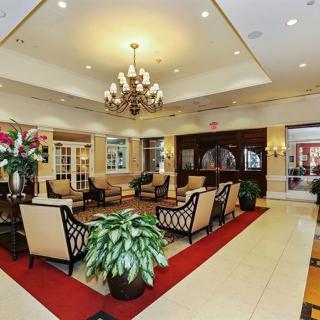
The Forum at Memorial Woods
$1,620 to $3,725 / month12.9 miles away -
from +$395 / mo

Greatwood At Sugar Land
$2,395 to $3,995 / month7.7 miles away -
About the same
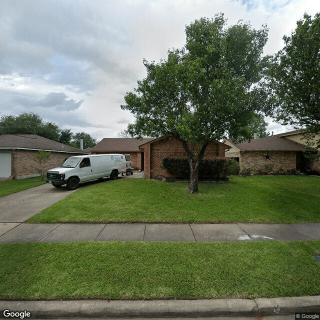
Wildwood Terrace Assisted Living
$2,000 to $2,500 / month3.1 miles away -
from +$250 / mo
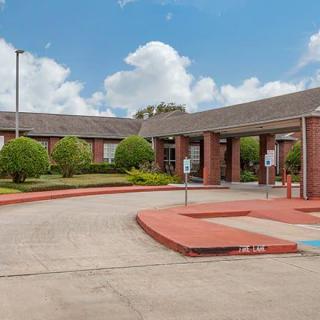
Brookdale Memorial Oaks
$2,250 to $6,420 / month7.2 miles away
Overall Review of Home Sweet Home Residential Care Facility For The Elderly
Pros
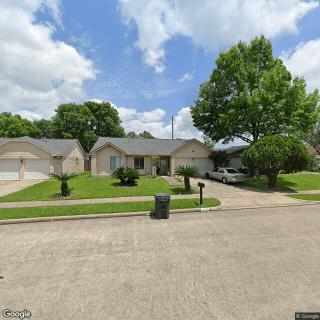
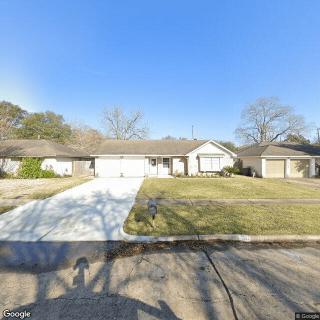
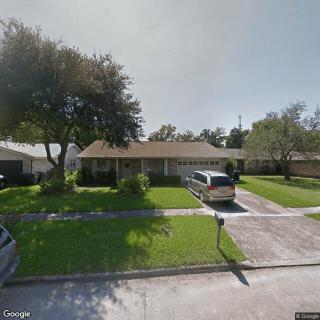
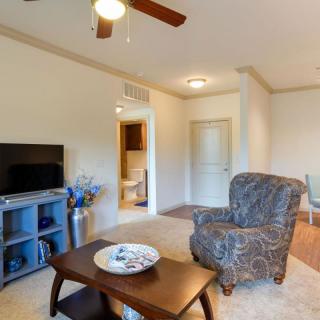
 The reviewer really liked the layout of the home.
- The home could be a good option for the reviewer’s aunt.
Cons
 The Sugar Land facility and the Nantucket Dr facility are described as horrible.
- The care at the facility is minimal at best.
- The staff do not keep family members informed of important or urgent issues.
- They do not return calls.
- There are many days when no one answers the phone at the home.
- The facility has been purchased by a new company that is obviously only interested in money.
- A family member was bullied by a caregiver and subjected to complete neglect, leading to a window escape attempt and a fall.
Review
This Sugar Land location of Home Sweet Home Residential Care Facility for the Elderly appears best suited for families that want a very small, home-like setting and are prepared to be the primary advocates for a loved one’s daily care. The space itself is described as layout-friendly and potentially conducive to closer, more personal attention when staff are present. In practical terms, the strongest fit is for residents whose families are ready to monitor care continuously, intervene quickly, and push for timely updates. Without that level of family oversight, the uplifting aspects of a cozy environment may be overshadowed by questions about consistency and safety.
It is hard to overlook who may want to consider alternatives. The most important caveat is safety and reliability: several reviewers report minimal, inconsistent care, limited communication, and unresponsive management. Notable concerns include neglect and instances of behavior by caregivers that residents and families found bullying, along with a pattern of residents not being reached or informed about urgent issues. Plumbing problems, restricted bathing schedules, and frequent shifts in ownership add to a sense of instability. For families seeking predictable, well-documented care with proactive risk management, this facility raises red flags that merit careful comparison with other options.
The pros, chiefly the intimate, homey feel and the likelihood of easier family involvement in day-to-day routines, do not meaningfully offset the central drawbacks. A warm layout and the possibility of closer staff-resident interactions can be valuable for comfort and emotional well-being, but when those benefits sit alongside reports of limited staffing, slow or non-existent communications, and safety lapses, the balance tilts decisively toward caution. The core issue is not ambiance but the reality of care delivery: when residents’ needs are not reliably met, and families cannot quickly obtain updates, the perceived warmth loses its standing as a reliable foundation for decision-making.
From a practical decision-making standpoint, several concrete flags should guide families who are still evaluating this location. First, verify current staffing levels, shift coverage, and the process for escalating urgent concerns. Second, probe the management structure and responsiveness, what remedies exist when questions arise, and how quickly calls or messages are returned. Third, investigate the facility’s maintenance and safety history, including plumbing reliability and bathing routines, and ask for a recent care plan that documents daily activities and medical oversight. Finally, acknowledge the recent ownership transition and its implications for governance and financial priorities; this context matters when projecting long-term stability and investment in resident welfare.
The bottom line is candid: the compendium of firsthand accounts paints a high-risk picture for families prioritizing consistent safety, transparent communication, and proactive care management. The positives, cozy space and potential for close-knit interactions, do not substantively compensate for neglect concerns, delayed responses, and avoidable safety incidents. Alternatives with stronger track records on staffing, supervision, and incident follow-up are strongly worth pursuing. For families who must consider this option, strict, corroborated safeguards are non-negotiable: insist on verifiable staffing ratios, guaranteed timely communications, and clear performance commitments from ownership and management.
In essence, this community should be approached with a conservative, risk-aware mindset. It may appeal to those willing to invest heavily in ongoing oversight, but for most families seeking reliable, predictable care, exploring other assisted-living options is advisable. Prioritize facilities with proven, accessible leadership, robust resident monitoring, and transparent reporting; those characteristics tend to translate into steadier days, safer environments, and peace of mind that outweigh the allure of a homey appearance.
 8 resident community capacity
 Assisted Living
 Board and Care Home
 Activities off-site
 Bath tubs
 Cable or satellite TV
 Devotional services off-site
 Dining room
 Fully furnished
 Garden
 Housekeeping services
 Indoor common areas
 Move-in coordination
 Outdoor common areas
 Private
 Respite or short term stays offered
 Telephone
 Wheelchair accessible showers
 Wi-Fi/high-speed internet available
 William P X (20 miles away)
 24-hour supervision
 Ambulatory care
 Assistance with bathing
 Assistance with dressing
 Assistance with transfers
 Diabetes diet
 Diabetic care
 Meal preparation and service
 Medication management
 Special dietary restrictions
 Transportation arrangement (medical)
 Transportation to doctors appointments


 Understanding the Distinctions: Assisted Living and Memory Care Explained
 Guiding Elderly Parents Who Refuse Assisted Living: 6 Practical Steps
 Your Comprehensive Guide to Luxury Assisted Living: Elevated Facilities, Amenities, and Costs