2229 Williams Trace Boulevard, Sugar Land, TX 77478
For more information about senior living options: (866) 208-4318
4.5 from 48 reviews
5 stars
38
4 stars
5
3 stars
0
2 stars
0
1 stars
5
Barton House Costs & Pricing
Barton House offers a one-bedroom unit at a monthly cost of $6,400, which significantly exceeds both the average price in Fort Bend County, set at $4,116, and the broader state average in Texas at $3,761. This premium pricing reflects the unique features and amenities that Barton House likely provides, catering to those seeking an exceptional living experience. While its costs are higher than regional and state norms, potential residents may find value in the quality of service and environment offered within the community.
Floor plans
Barton House
Fort Bend County
Texas
1 Bedroom
$6,400
$4,116
$3,761
Memory care communities with a similar price nearby
Residents and families consistently describe staff as compassionate and attentive.
Across the reviews, people repeatedly point to the day-to-day care team—nurses, med techs, and caregivers—as being kind, engaged, and focused on residents as individuals. Multiple reviewers describe hands-on support with comfort needs and gentle communication, along with a calm feeling when they visit. There are also a few direct mentions of gaps in the admissions experience, but most feedback centers on caring relationships and responsiveness.
differentiator14 reviews mention this
Memory care routines feel structured
Memory care here is described as guided by routines and safety-minded support.
Several reviews describe the memory care program as having a consistent daily rhythm, with activities intended to stimulate cognition and keep residents engaged. Families also mention practical safeguards—like help with wandering risk and a layout intended to support a calm, secure environment. A number of reviewers say the staff is trained to handle dementia behaviors with patience and redirection rather than frustration.
common15 reviews mention this
Meals are frequently called fresh
Food is a frequent bright spot, with families describing it as hot and fresh.
Dining comes up again and again: residents are described as getting nutritious meals on a regular schedule, including multiple meal times throughout the day. Several reviewers specifically contrast the food with drier, more institutional meals they’ve seen elsewhere, and others describe the kitchen and chefs as thoughtful. Diet support is mentioned in reviews as well, including attention to special dietary restrictions and help for individual needs.
common12 reviews mention this
Small size supports individualized attention
The smaller community size is described as helping residents get more individual attention.
Multiple reviews describe Barton House as deliberately small, with capacity around 20, which families say reduces the “lost” feeling that can happen in larger places. Reviewers mention one-on-one time and caregivers who know residents’ needs, along with a home-like environment rather than a large facility feel. A few reviews also mention cleanliness and a comfortable setting as part of why the smaller layout worked well for their loved one.
common12 reviews mention this
Activities keep residents engaged
Residents are described as staying engaged through frequent, structured activities.
Reviewers repeatedly mention activities designed for memory care, including programs intended to support mental stimulation and daily engagement. Several describe an active routine across the day, with staff-led efforts to keep residents interested and occupied. There are also mentions of specific programming like brain-fitness-style activities and music or devotional experiences being part of the day-to-day experience.
caveat2 reviews mention this
A few visits raise serious concerns
Some reviewers report negative experiences that go beyond routine complaints.
While most feedback is positive, two reviews raise concerns that are quite different in tone: one criticizes communication during admissions, and another describes the physical environment and bathing setup as disappointing. These comments stand apart from the broader pattern of praise for care and cleanliness.
How we summarize
Counts show how many written reviews mention each theme; a review can touch several themes, and only frequently mentioned themes are displayed.
Features
Housing
20 resident community capacity
Types of Care
Assisted Living
Board and Care Home
Memory Care
Pets
Dogs allowed
Amenities
Activities on-site
Air-conditioning
Bath tubs
Beautician on-site
Beauty salon
Cable or satellite TV
Devotional services on-site
Dining room
Fully furnished
Garden
Ground floor units
Guasts at mealtime
Guest parking
Handicap accessible
Hiking trails
Housekeeping services
Indoor common areas
Kitchenette
Laundry
Move-in coordination
Outdoor common areas
Outdoor space
Overnight guests
Party space
Respite or short term stays offered
Security gate
Spa
TV room
Telephone
Wheelchair accessible showers
Wi-Fi/high-speed internet available
Transportation
William P X (20 miles away)
Care Services
24-hour call system
24-hour supervision
Activities of daily living assistance
Ambulatory care
Assistance with bathing
Assistance with dressing
Assistance with transfers
Coordination with health care providers
Diabetes diet
Diabetic care
Hospice care
Incontinence care
Meal preparation and service
Medication management
Mental wellness program
Physical therapy
Psychiatric care
Special dietary restrictions
Transportation arrangement (medical)
Transportation to doctors appointments
Dining
Diabetes diet
Guest meals
Meals provided
No Sugar
Professional chef
Room service
Special dietary restrictions
Special dining programs
Vegetarian
Activities
Art classes
Brain fitness
Community-sponsored activities
Cooking classes
Devotional activities on-site
Educational speakers / life long learning
Fitness programs
Games
Gardening club
Karaoke
Live dance or theater performances
Live musical performances
Montessori programs
Religious services
Reminiscence programs
Resident-run activities
Scheduled daily activities
Stories
Stretching classes
Trivia games
Yoga / chair yoga
Nearby Places of Interest
This part of Sugar Land, Texas offers a convenient location with a variety of amenities suitable for senior living. The area features several popular chain restaurants, pharmacies, cafes, and theaters within close proximity. Places of worship nearby cater to diverse religious preferences, while parks provide opportunities for outdoor recreation and relaxation. Access to healthcare is readily available with multiple physician offices and the Sugar Land Surgical Hospital in the vicinity. Overall, this neighborhood offers a mix of conveniences that would be conducive to comfortable senior living.
Restaurants
McDonald's (0.3 miles)
Carrabba's Italian Grill (0.9 miles)
Chick-Fil-A (1 miles)
BJ's Restaurant & Brewhouse (1.1 miles)
La Madeleine (1.1 miles)
Japaneiro's Sushi Bistro & Latin Grill (1.2 miles)
Torchy’S Tacos (1.2 miles)
Places of Worship
Church of Jesus Christ of Latter Day Saints (0.6 miles)
St Laurence Catholic Church (1.2 miles)
Masjid As- Sabireen (2.1 miles)
Houston Principal Jamatkhana (2.2 miles)
Sugar Land First United Methodist Church (2.6 miles)
Parkway United Methodist Church (4.5 miles)
Shirdi Sai Jalaram Mandir (4.8 miles)
Parks
Oyster Creek Park (0.8 miles)
Lost Creek Park (0.8 miles)
Sugar Lakes Park (1.5 miles)
Patriot Park at Lakes of Austin Park (2.2 miles)
New Territory Pecan Park (4.3 miles)
Brazos Bend Extended Day (5.4 miles)
Sardar Patel Stadium (7.5 miles)
Pharmacies
Walgreens (1.3 miles)
CVS Pharmacy (1.6 miles)
CVS Pharmacy (1.8 miles)
Walgreens (2 miles)
CVS Pharmacy (2 miles)
Walgreens (2.3 miles)
H-E-B Pharmacy (2.8 miles)
Cafes
Starbucks (1.6 miles)
BlendIn Coffee Club (2.4 miles)
Starbucks (3.4 miles)
Starbucks (6.2 miles)
85C Bakery Cafe (8.2 miles)
Theaters
AMC First Colony 24 (1.6 miles)
2430 Amc Bar Fountains (3.3 miles)
Physicians
Sugar Land OB/GYN Associates (1.8 miles)
Hillcroft Medical Clinic Association (1.9 miles)
Interventional Cardiology Associates (1.9 miles)
Rishi Khanna Dmd Pc (1.9 miles)
Kelsey-Seybold Clinic | Fort Bend Medical and Diagnostic Center (2.6 miles)
Barton House offers a one-bedroom unit at a monthly cost of $6,400, which significantly exceeds both the average price in Fort Bend County, set at $4,116, and the broader state average in Texas at $3,761. This premium pricing reflects the unique features and amenities that Barton House likely provides, catering to those seeking an exceptional living experience. While its costs are higher than regional and state norms, potential residents may find value in the quality of service and environment offered within the community.
Barton House's array of features is carefully designed to cater to the unique needs of residents with mild or advanced stages of dementia or Alzheimer's disease, ensuring their comfort and well-being. The 24-hour supervision provides a sense of security, allowing residents to navigate their environment safely while receiving immediate assistance when needed. Support for activities of daily living, such as bathing and dressing, helps maintain dignity and fosters independence at every stage. The integration of brain fitness activities stimulates cognitive function, while coordination with healthcare providers ensures that medical needs are addressed promptly and effectively. Incontinence care and meal preparation service are tailored to individual preferences, enhancing personal comfort. Additionally, medication management safeguards against errors while a robust mental wellness program encourages emotional health. Montessori programs engage residents in meaningful activities that promote social interaction and learning, whereas physical therapy supports mobility and strength. Finally, transportation arrangements for medical appointments enable seamless access to necessary healthcare services--all contributing to an enriched quality of life for those living with memory impairments.
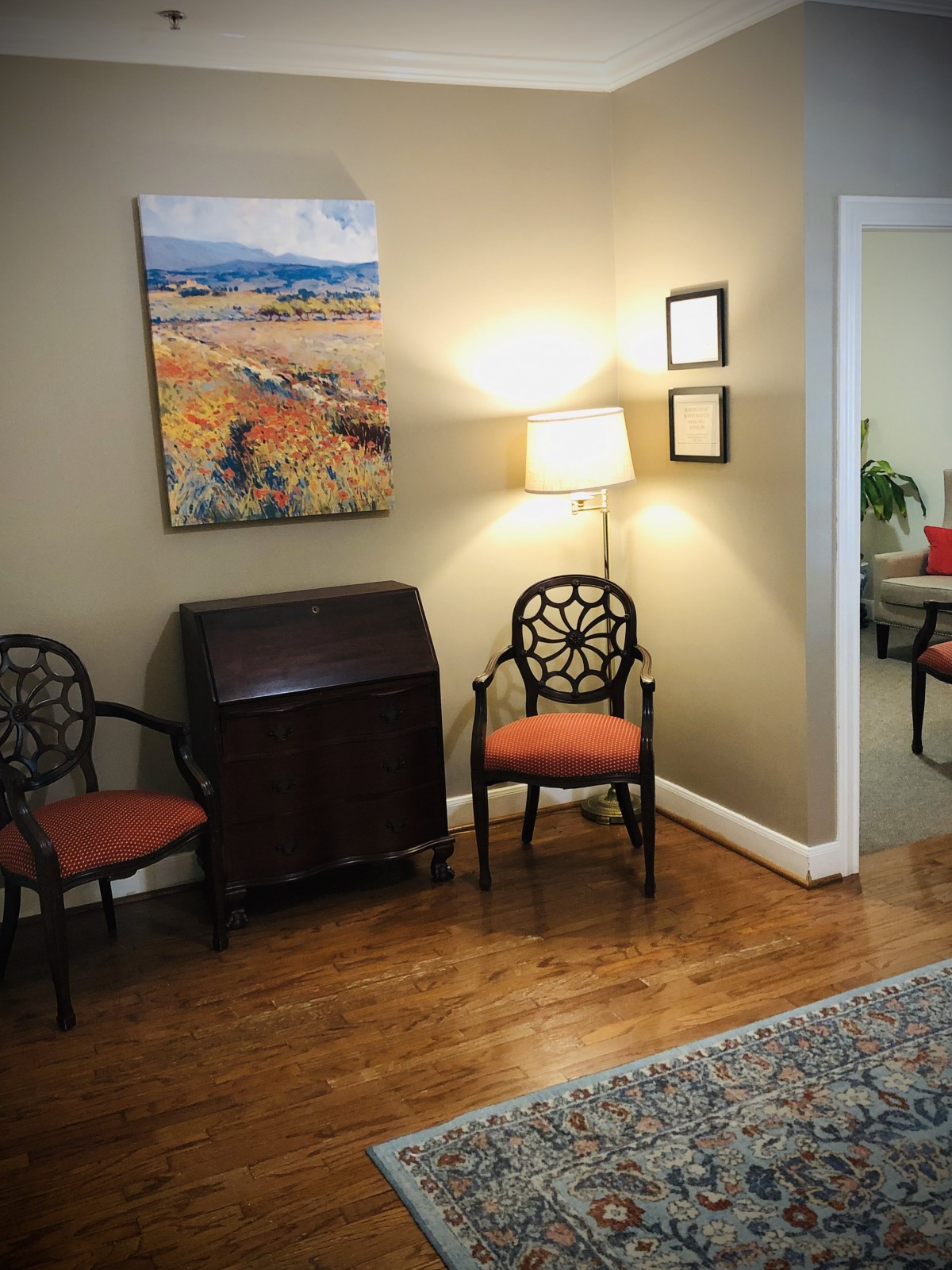
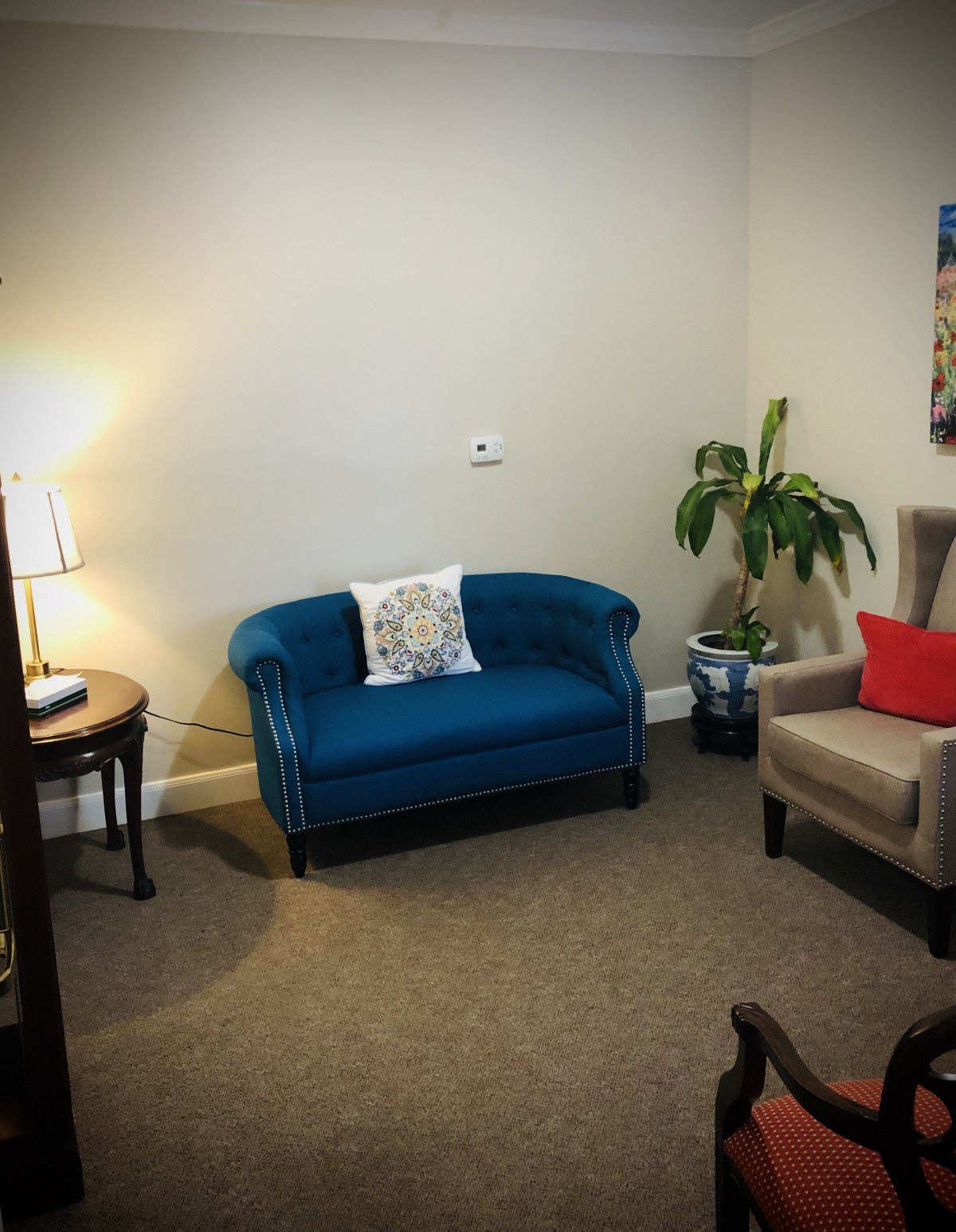
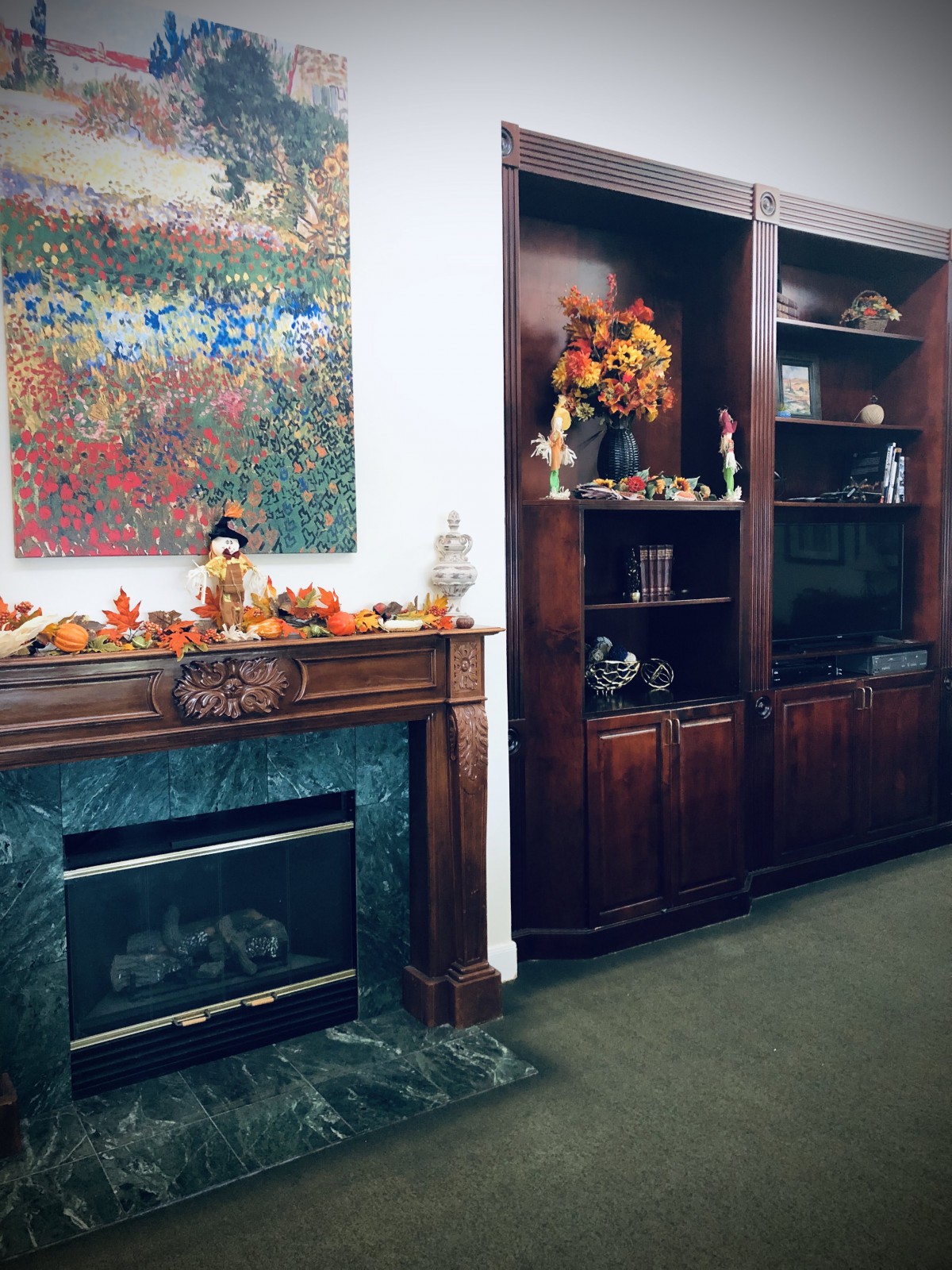
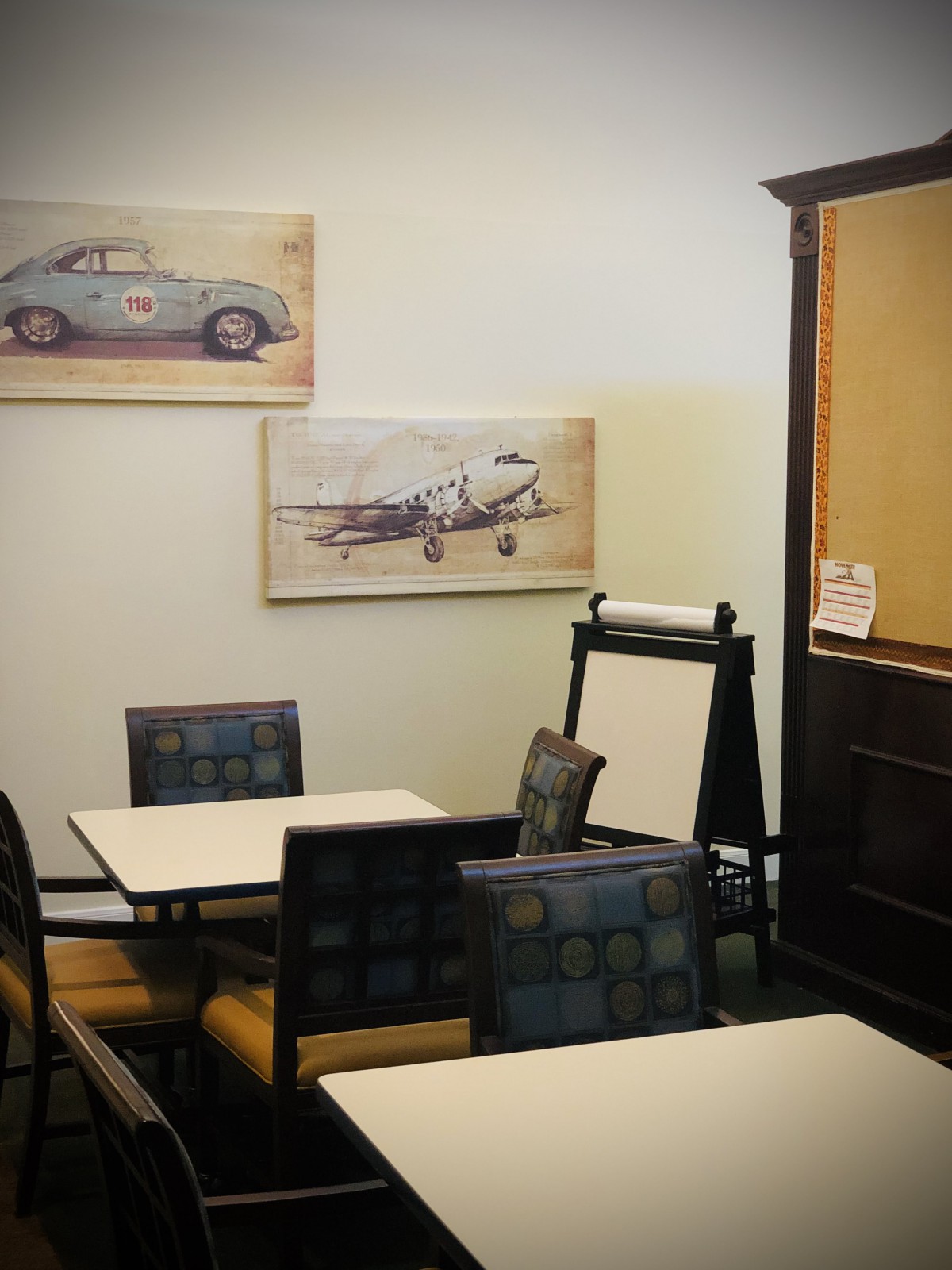
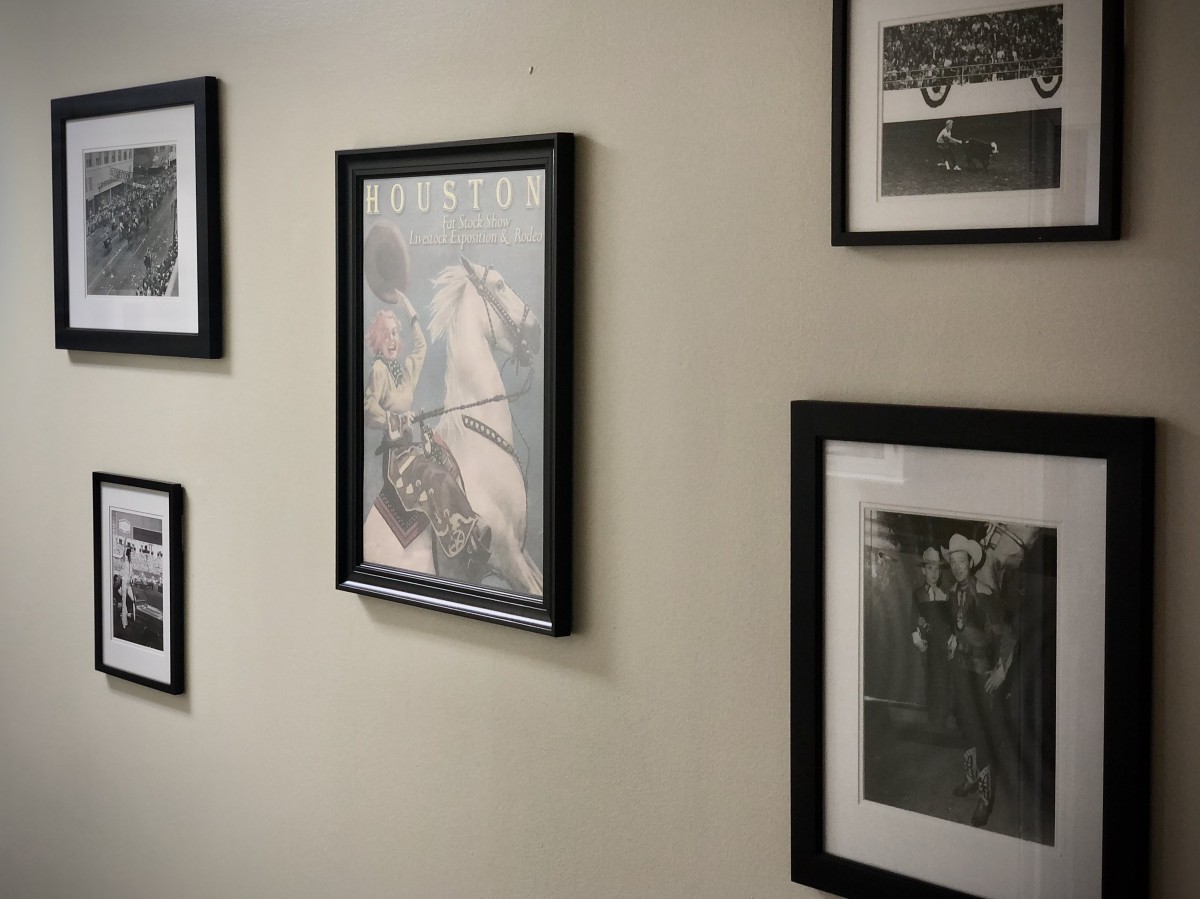
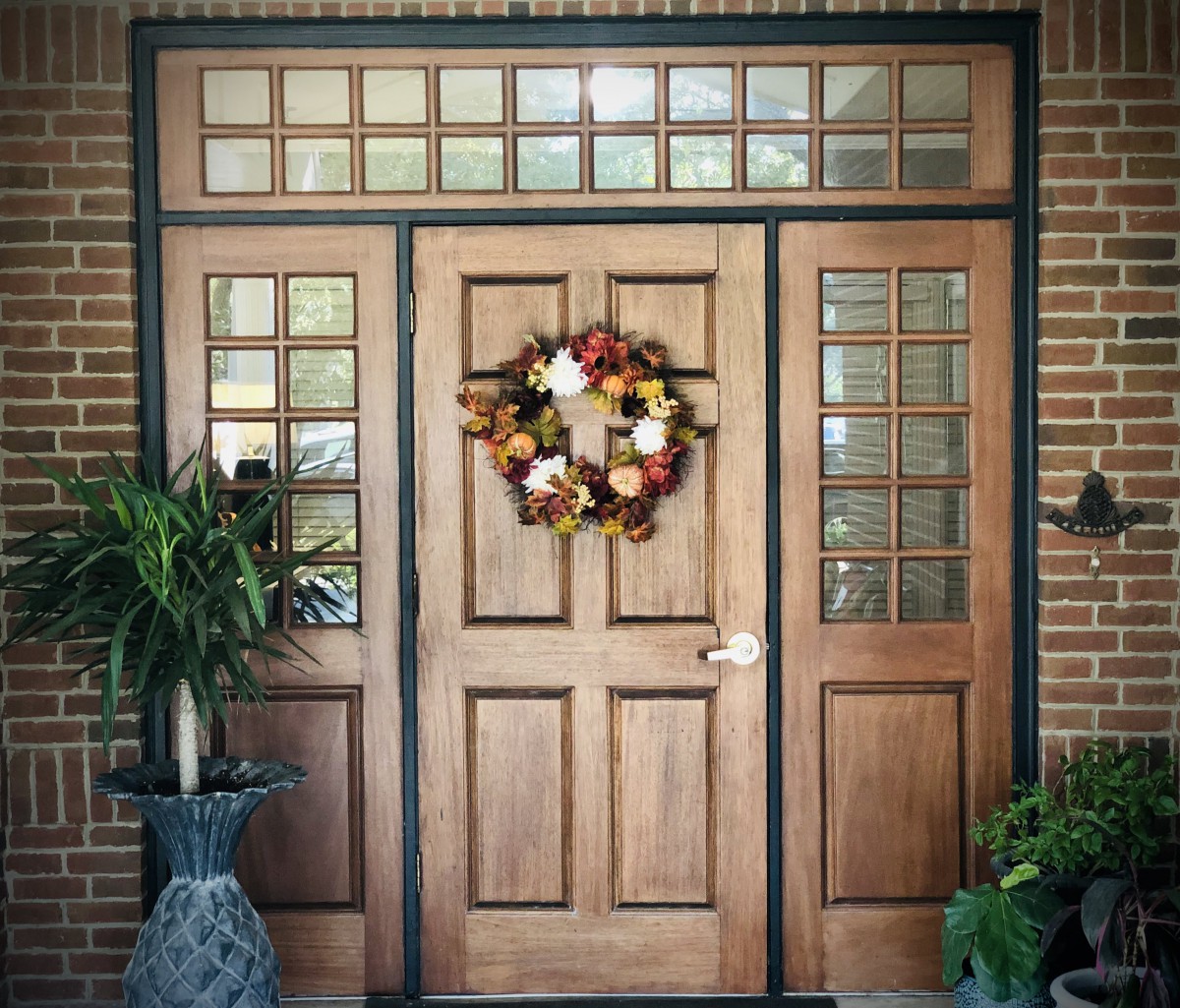
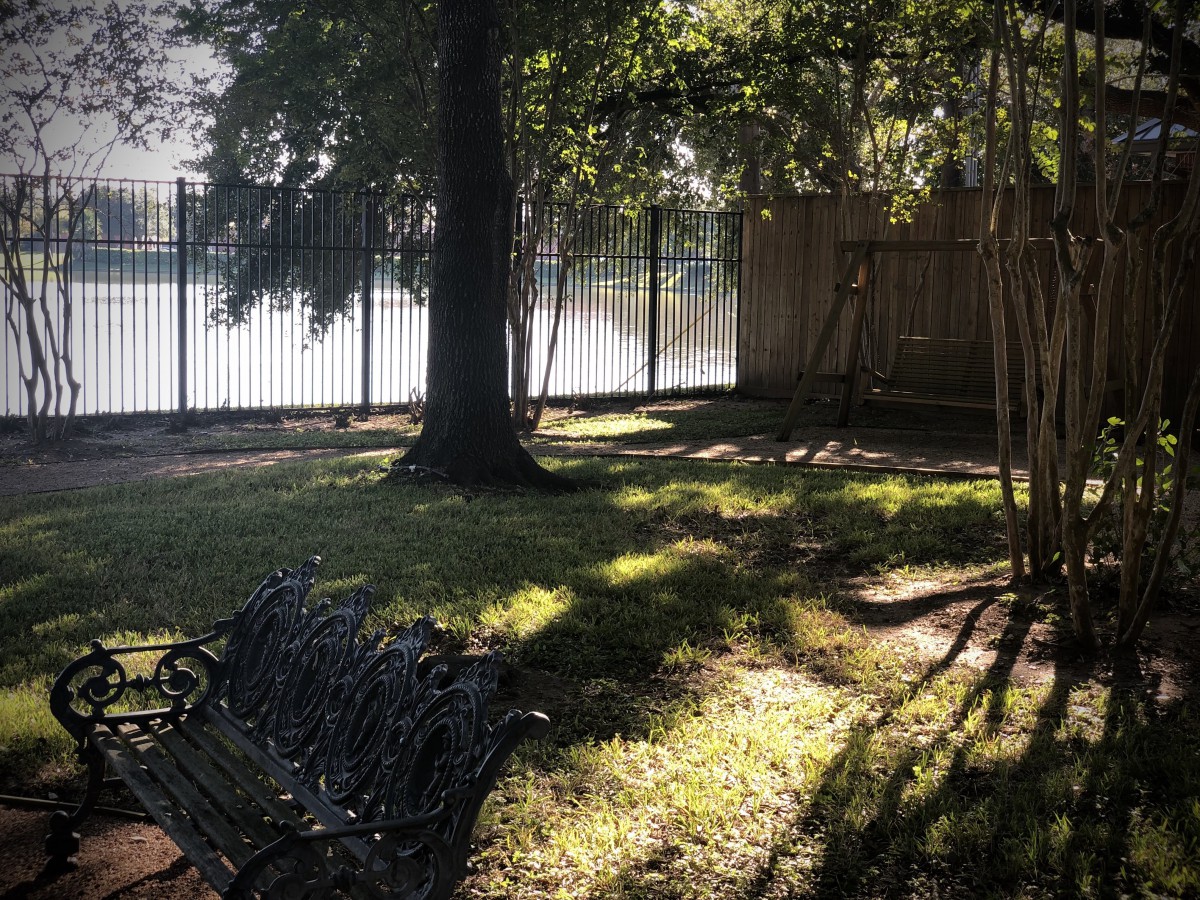
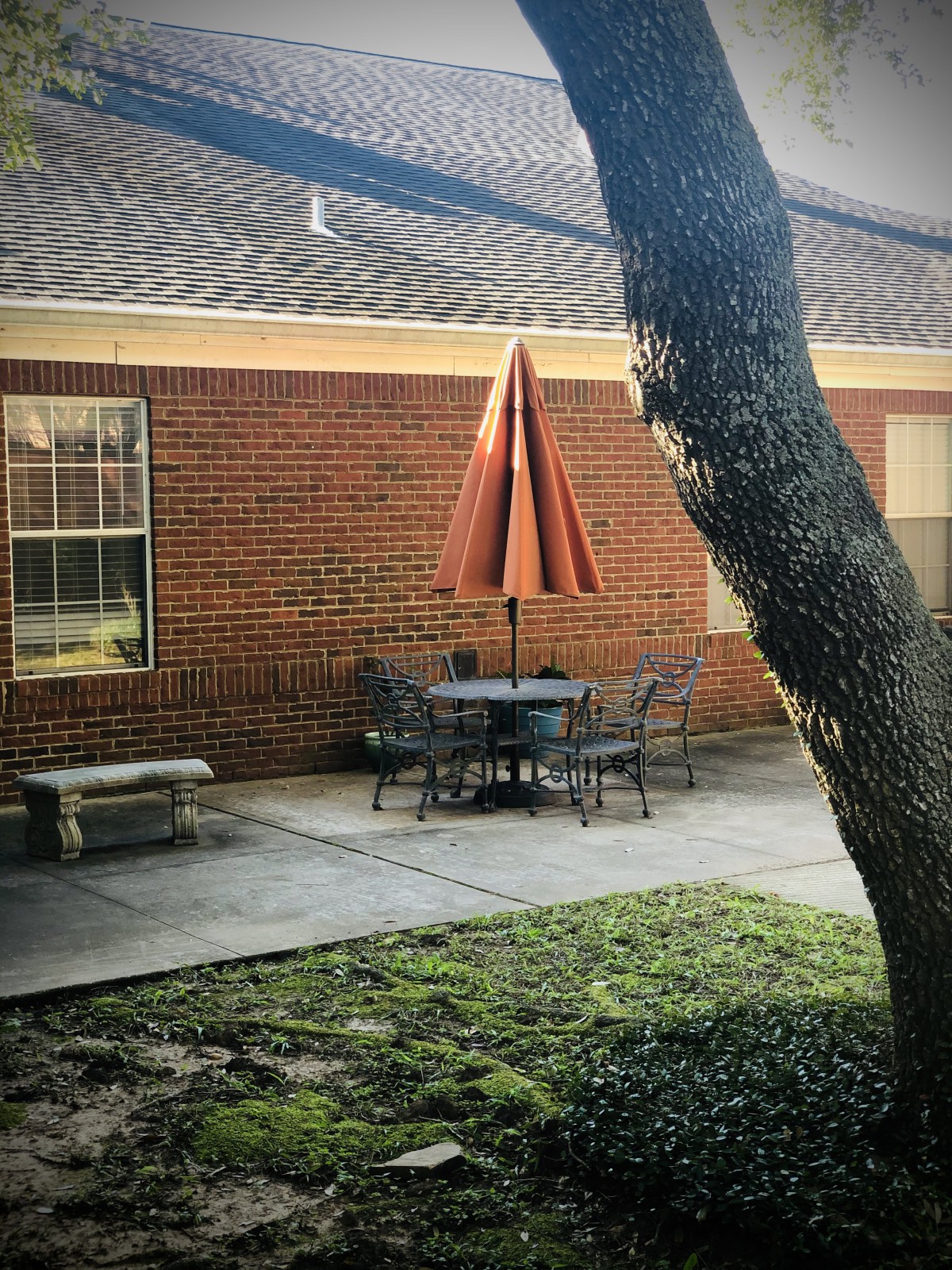
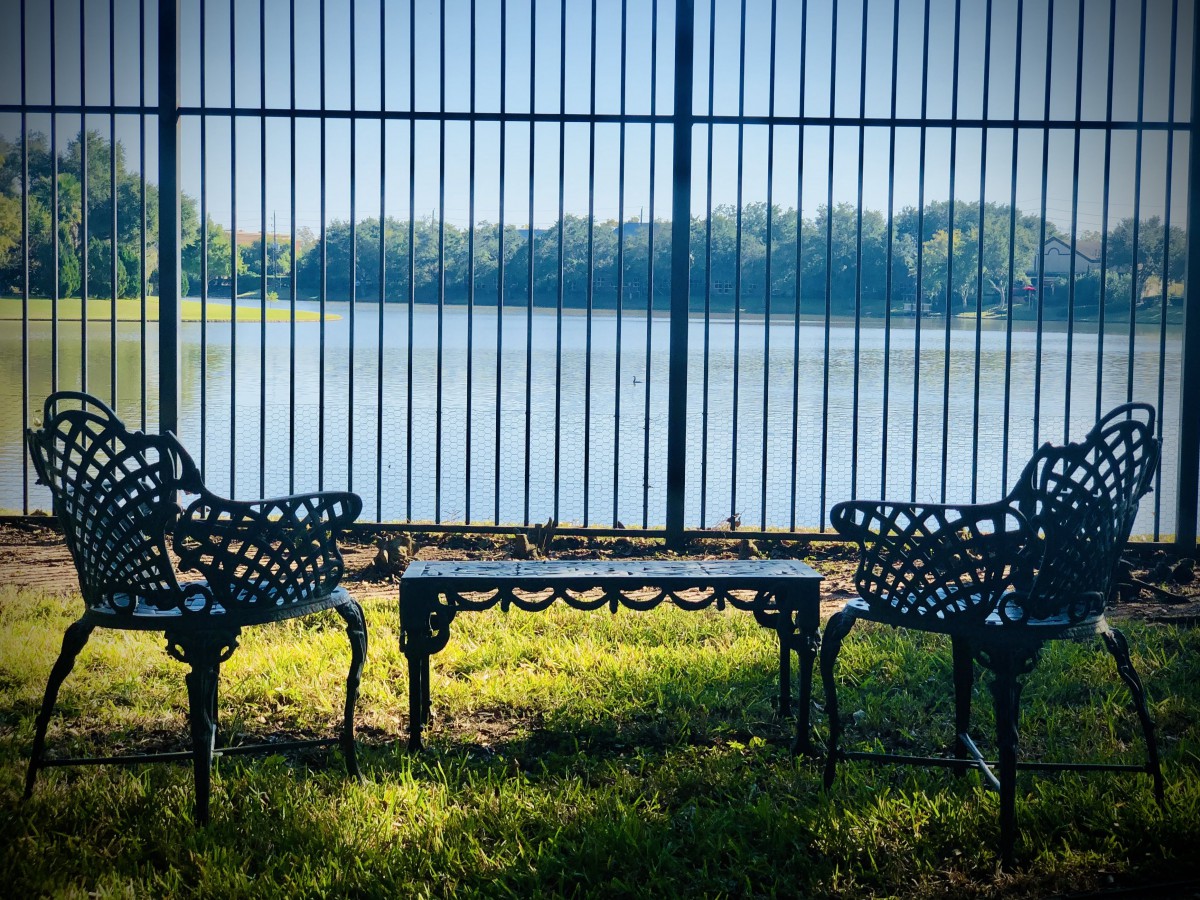
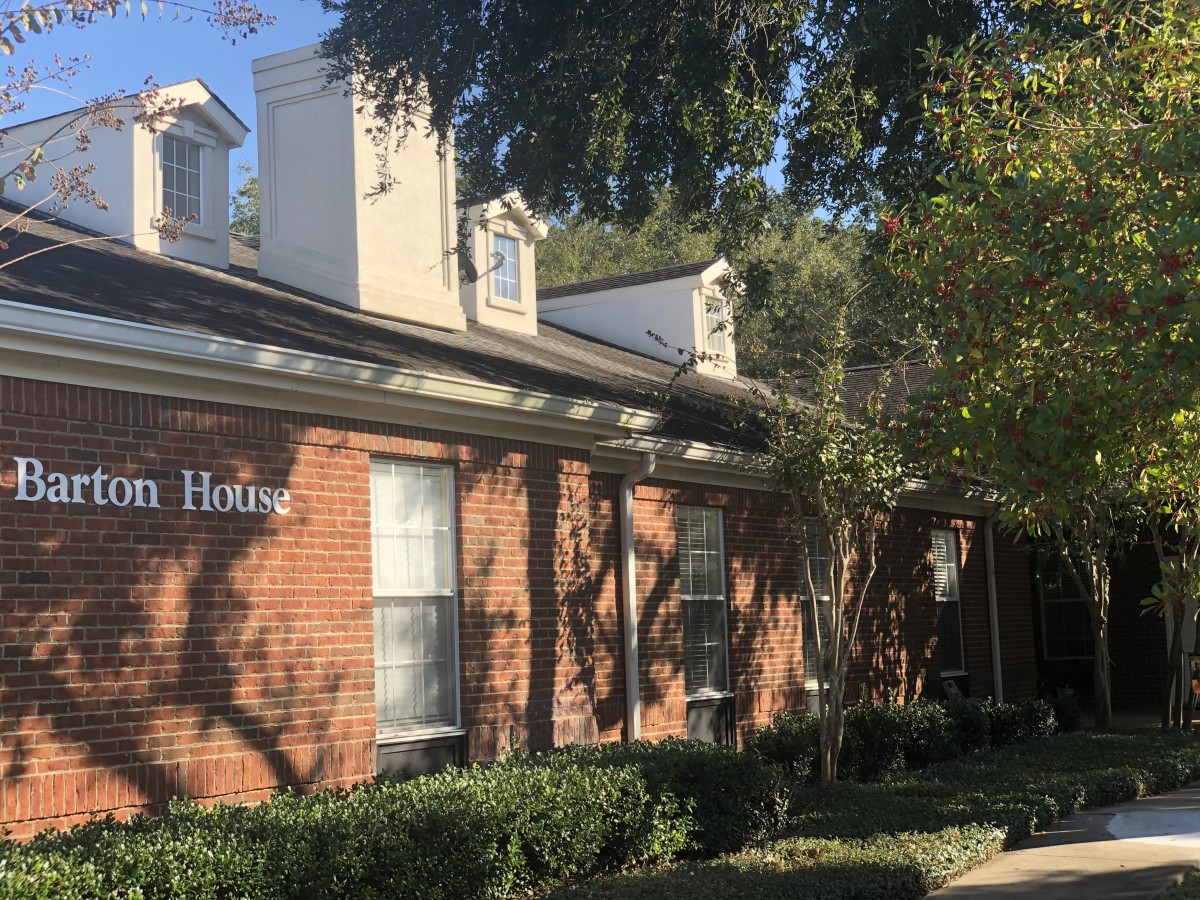
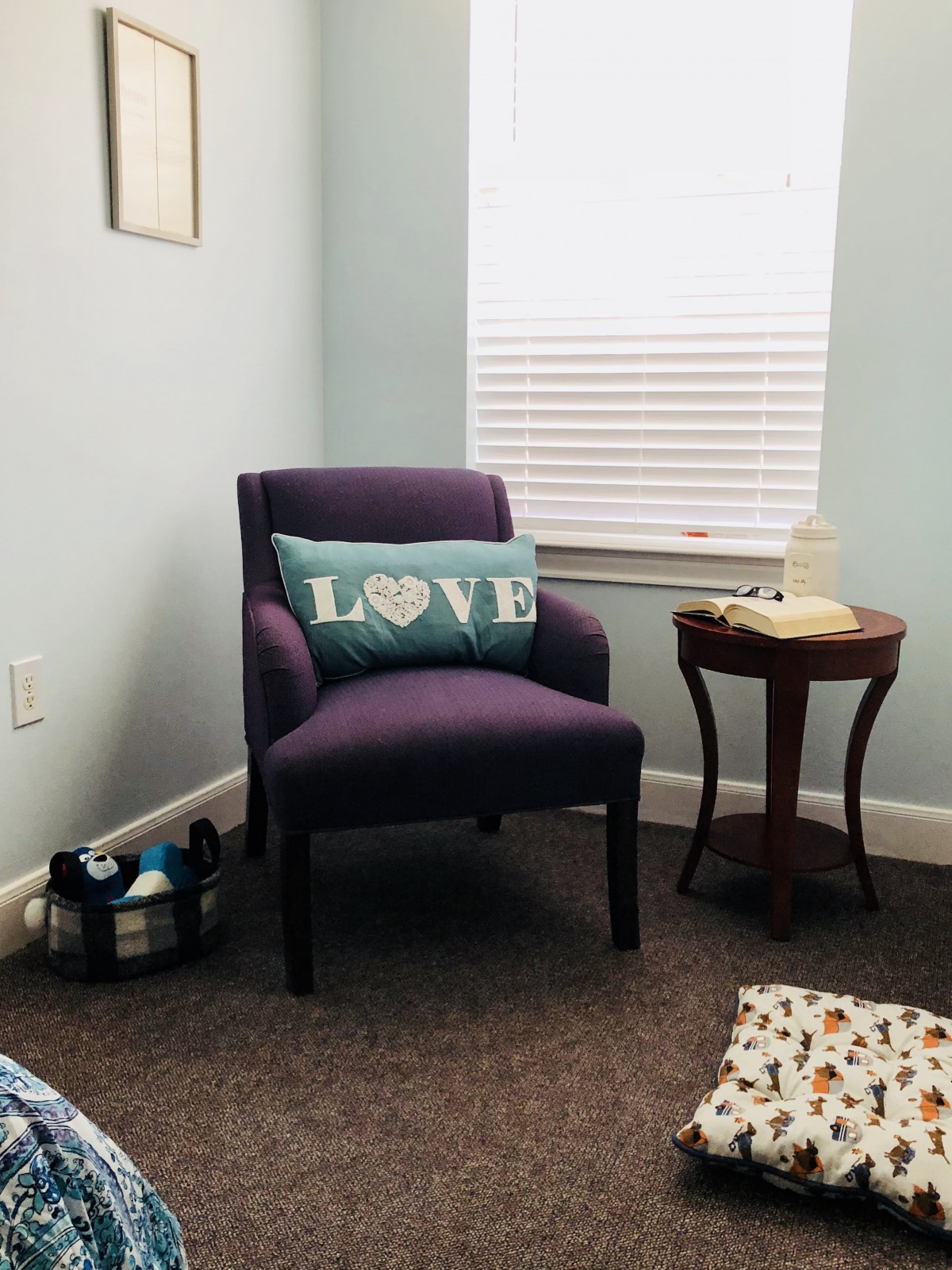
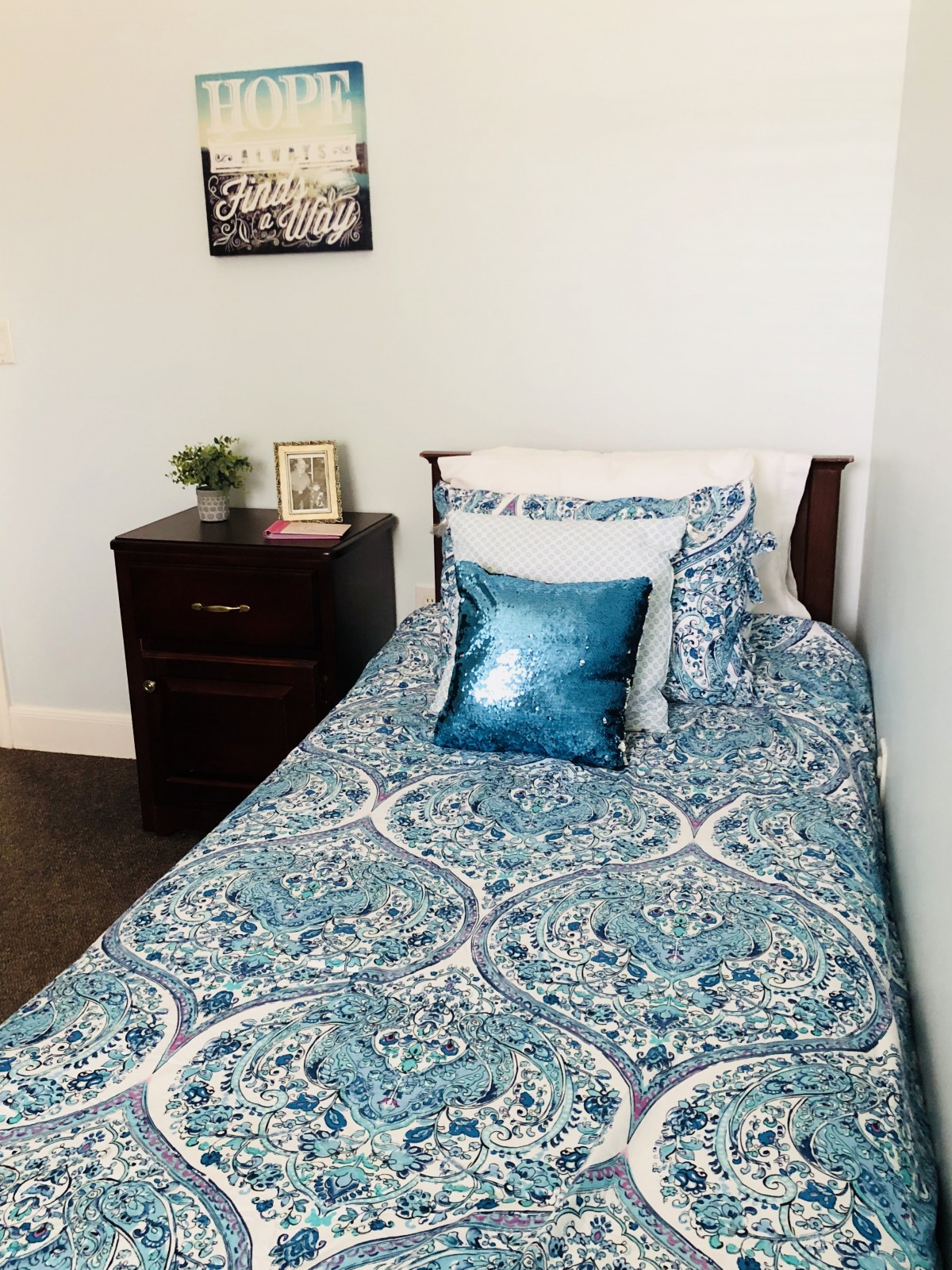
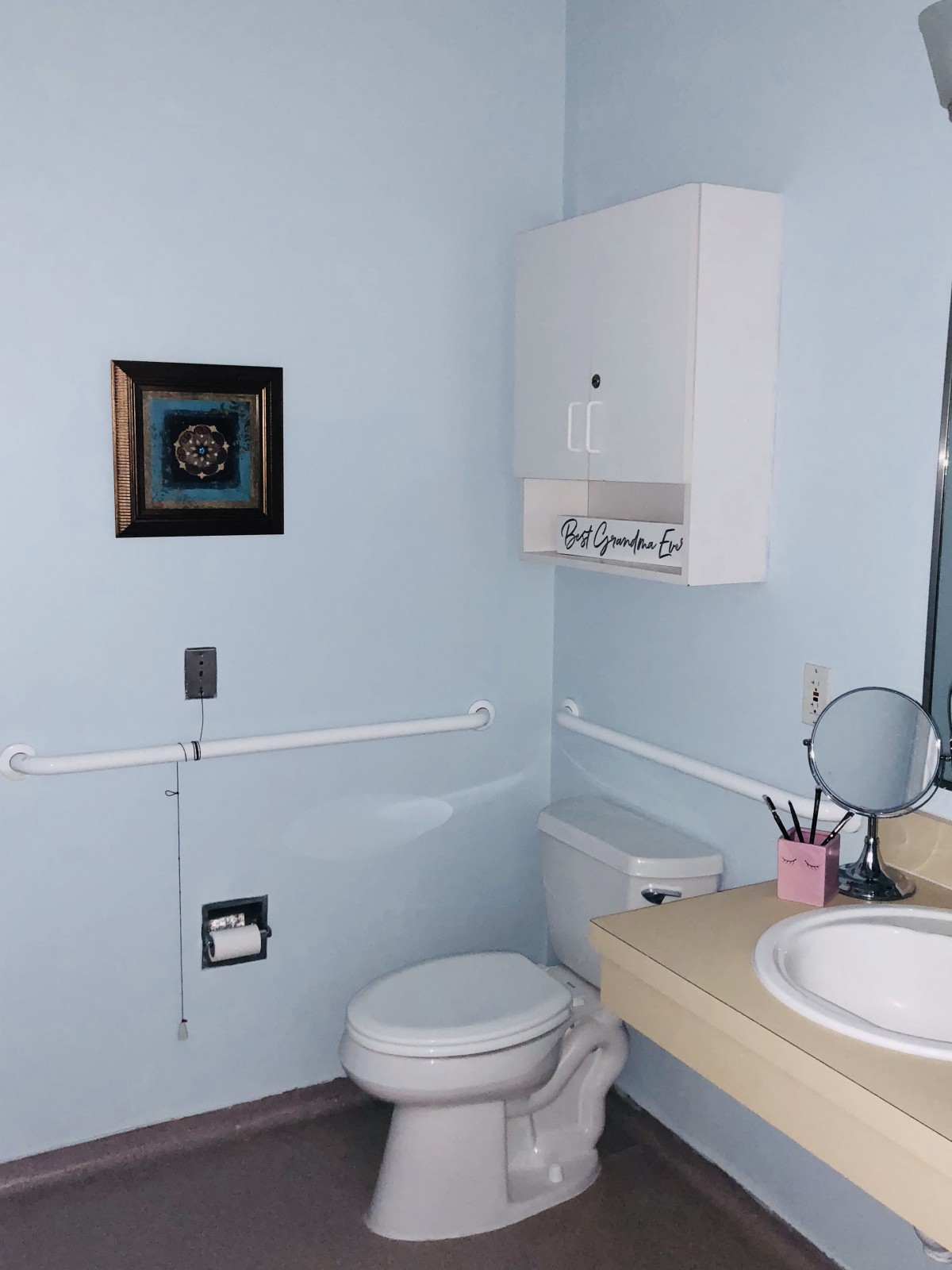
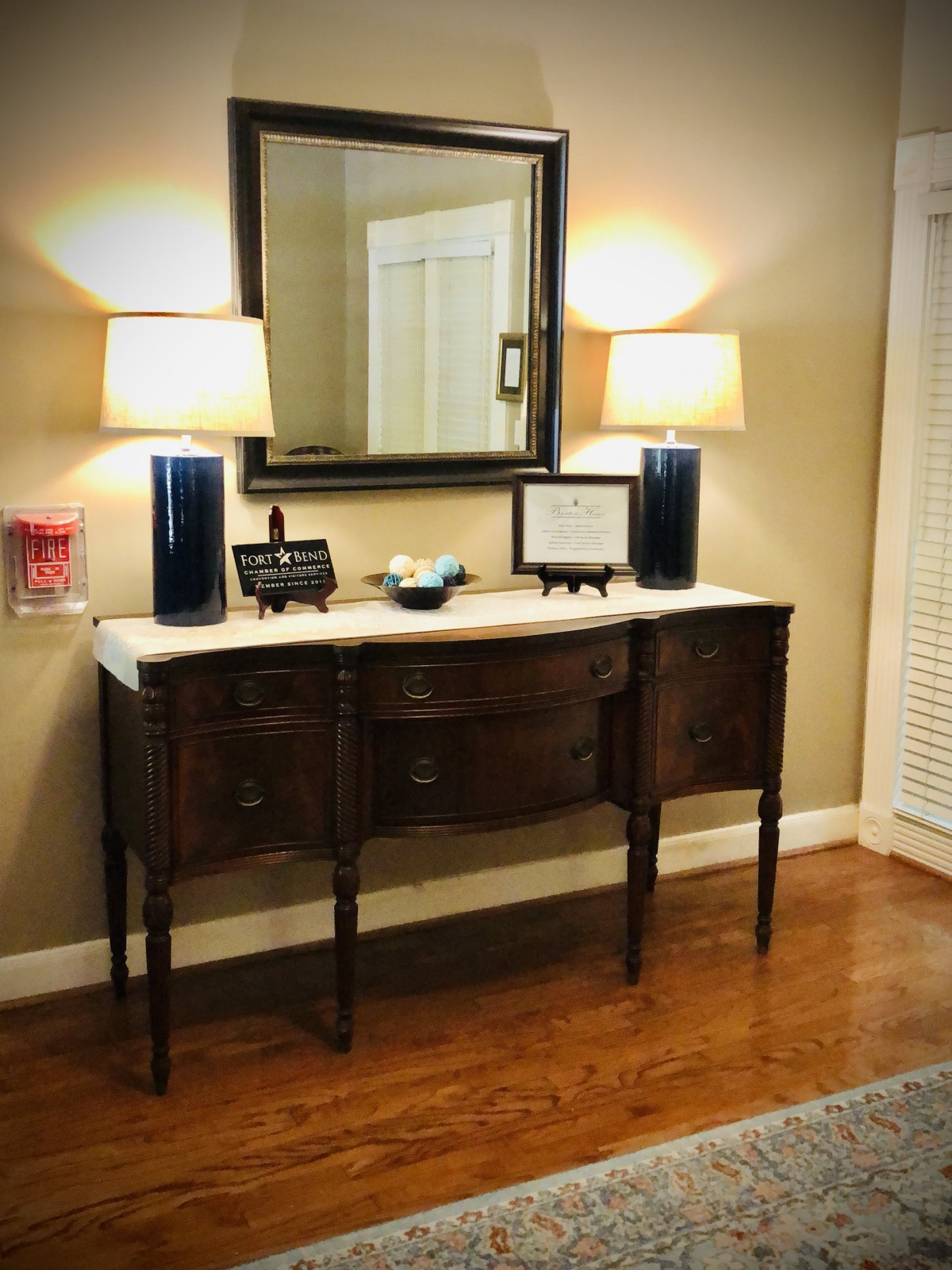
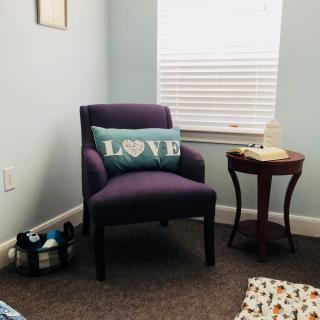
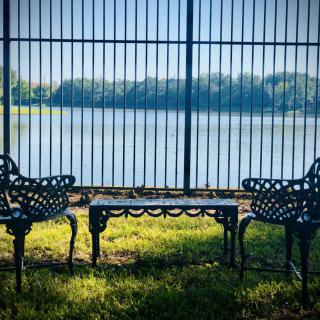
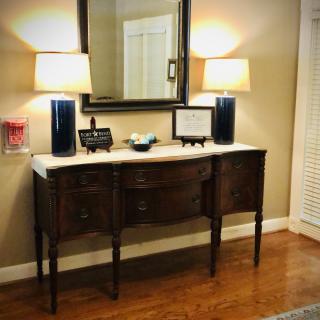
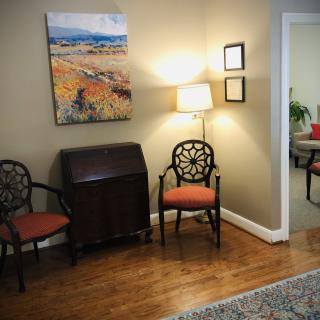
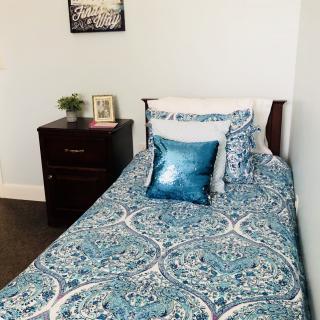
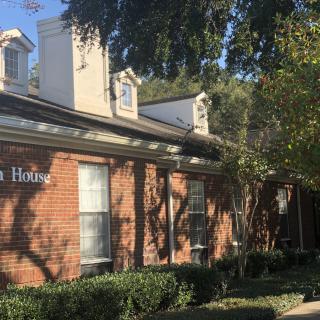
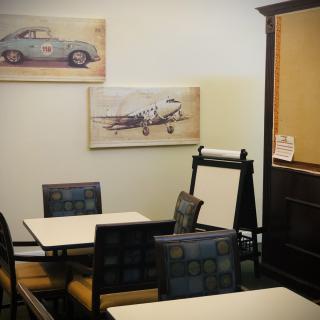
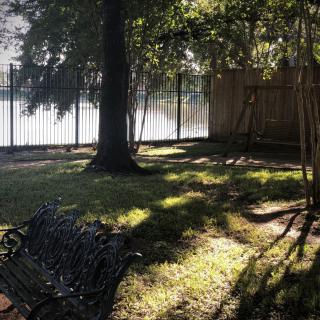
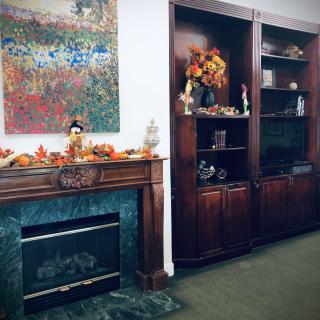
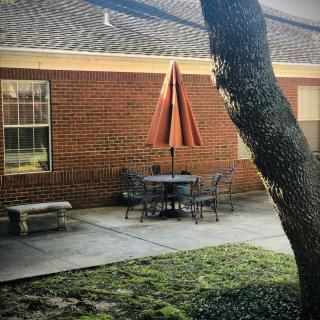
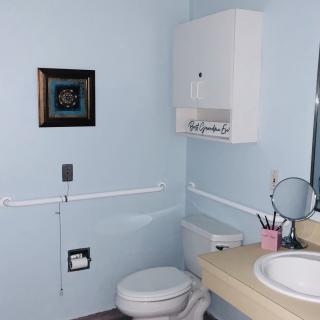
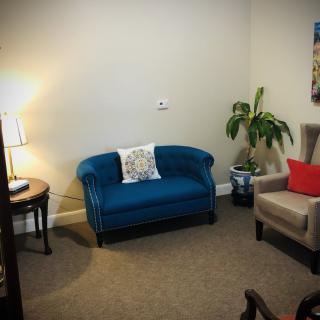
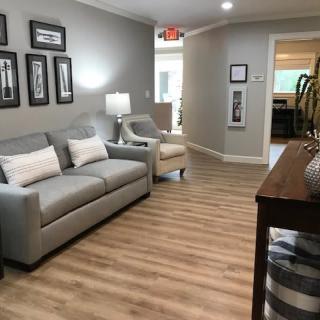
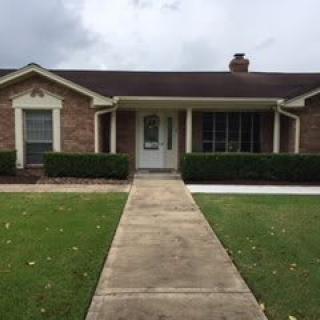
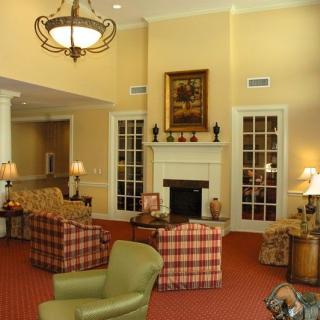
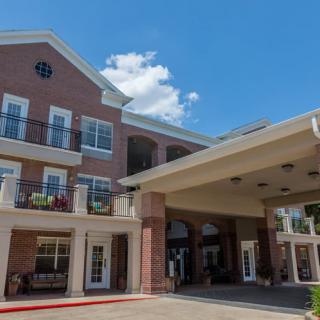
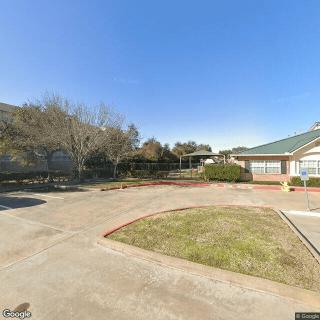
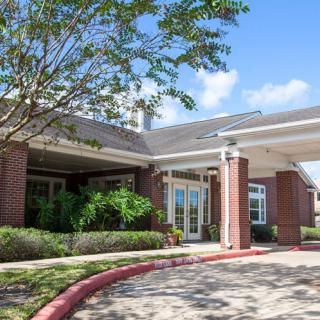
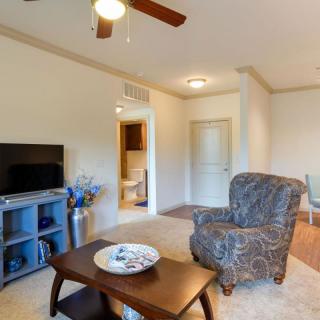
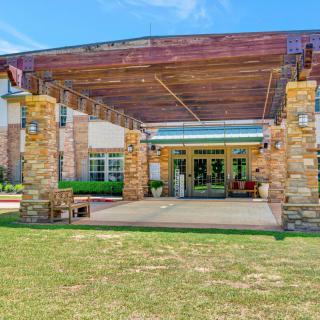
Barton House on seniors.fyi includes 16 photos including images showing interior, decor, living room, trees, outdoor, bedroom, bathroom, painting, and more.
Nearby Communities
American Primary Homecare
Sugar Land, TX
5 from 1 review
Friendly and efficient service from a home-based team.
Braesner Health Services, Inc.
Sugar Land, TX
Excellent access to nearby amenities (cafes, parks, pharmacies, restaurants, hospitals).
The Reserve at First Colony
Sugar Land, TX
4.6 from 93 reviews
$3,940 to $5,825 / month
Caring staff and well-maintained facilities with positive overall care reputation.
First Colony Health And Rehabilitation Center
Missouri City, TX
3.6 from 129 reviews
Some residents and families report caring staff, comfortable rooms, and engaging activities.
Brookdale First Colony
Sugar Land, TX
4.6 from 110 reviews
$2,160 to $3,070 / month
Friendly staff, clean, welcoming community with engaging activities.
The Reserve at Colonial Lakes
Missouri City, TX
4.8 from 120 reviews
Diabetic care with assisted living support; off-site devotional services; convenient access to nearby amenities.
Brookdale Sugar Land
Sugar Land, TX
4.4 from 86 reviews
$3,935 to $6,160 / month
Welcoming community with spacious apartments, resort-like spaces, and robust activities/memory-care programs.
Landon Ridge Sugar Land
Sugar Land, TX
4.3 from 35 reviews
$2,631 to $3,138 / month
Friendly, social atmosphere with engaging activities and chef-prepared meals in a convenient Sugar Land location.
The Avenues of Fort Bend
Missouri City, TX
4.4 from 147 reviews
$4,015 to $4,680 / month
Compassionate staff in a clean, elegant environment with engaging activities.
Dementia, influenced by aging and certain medications, may be exacerbated by drug classes such as anticholinergics, benzodiazepines, and antipsychotics, which are associated with cognitive impairment. Regular medication reviews by healthcare professionals are crucial for older adults to manage risks and optimize cognitive health.
Dementia often results in disrupted sleep patterns, leading to excessive daytime sleeping due to factors like brain damage affecting circadian rhythms, medication side effects, and lack of structure in daily activities. Caregivers must monitor these changes closely, as oversleeping can increase risks such as malnutrition or dehydration, and provide necessary support and routines to enhance patient engagement and well-being.
The transition from assisted living to skilled nursing care is often prompted by complex medical needs that assisted living cannot meet, with key indicators including frequent health declines, increased falls, severe memory issues, and caregiver burnout. Families should recognize these signs early to discuss options with healthcare providers and prepare for the emotional and logistical aspects of moving to a facility that offers comprehensive medical support.
Get PricingAsk A QuestionSchedule A TourContact Senior Advisor
By clicking submit, you agree to our Partner's Terms of Use. You
also consent to receive calls and texts, which may be autodialed, from our Partner. Your consent is not a condition to
using our Partner's service. Please visit our Partner's Privacy Policy for information about their privacy practices.



 20 resident community capacity
 Assisted Living
 Board and Care Home
 Memory Care
 Dogs allowed
 Activities on-site
 Air-conditioning
 Bath tubs
 Beautician on-site
 Cable or satellite TV
 Devotional services on-site
 Dining room
 Fully furnished
 Garden
 Ground floor units
 Guest parking
 Handicap accessible
 Hiking trails
 Housekeeping services
 Indoor common areas
 Kitchenette
 Laundry
 Move-in coordination
 Outdoor common areas
 Overnight guests
 Party space
 Respite or short term stays offered
 Security gate
 Spa
Spa Telephone
 Wheelchair accessible showers
 Wi-Fi/high-speed internet available
 William P X (20 miles away)
 24-hour call system
 Ambulatory care
 Assistance with bathing
 Assistance with dressing
 Assistance with transfers
 Diabetes diet
 Diabetic care
 Hospice care
 Incontinence care
 Meal preparation and service
 Medication management
 Mental wellness program
 Physical therapy
 Psychiatric care
 Special dietary restrictions
 Transportation arrangement (medical)
 Transportation to doctors appointments
 Art classes
 Brain fitness
 Cooking classes
 Educational speakers / life long learning
 Fitness programs
 Games
Games Karaoke
 Live dance or theater performances
 Live musical performances
 Stories
 Trivia games
 Friendly and efficient service from a home-based team.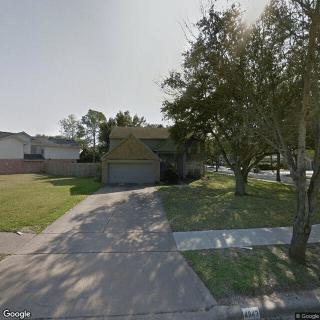

 A Thorough Discussion of Medications Potentially Linked to Dementia Risk
 Why Do Dementia Patients Sleep So Much? Understanding Oversleeping, Stages, and Care Approaches
 8 Key Indicators That Suggest It May Be Time to Transition from Assisted Living to Skilled Nursing Care