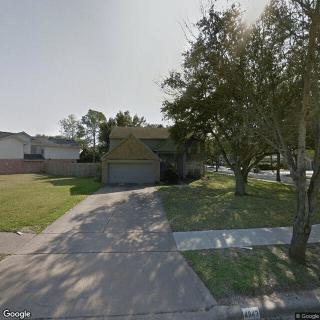
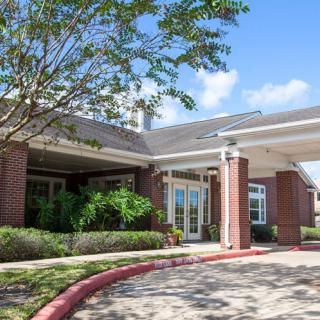
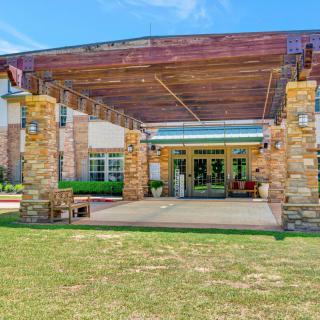
First Colony Health And Rehabilitation Center in Missouri City, TX

Information last verified:

4710 Lexington Boulevard, Missouri City, TX 77459

For more information about senior living options: (844) 490-3973

3.5 from 119 reviews
5 stars
69
4 stars
7
3 stars
1
2 stars
1
1 stars
41

Overall Review of First Colony Health And Rehabilitation Center

Pros

  • pro The staff and nurses at First Colony are described as god-sent and wonderful.
  • pro The Paradigm team at First Colony is pleasant and explains what to expect, putting families at ease.
  • pro Jonica and Debbie are receptive and helpful during admissions.
  • pro Paradigm at First Colony is a welcoming, family-oriented community that cares about residents.
  • pro Summer Williams goes above and beyond to assist patients and their families.
  • pro The facility is clean, well maintained, with good meals and engaging activities.
  • pro Gordon (RN) is credited with saving a mother’s life and providing crucial care.
  • pro The admissions team, especially Ms. Jonica Johnson, are professional and compassionate.
  • pro The center is well-run, compassionate, and worth recommending.
  • pro The staff are attentive and treat families like part of the care team.

Cons

  • pro The facility is described as filthy and poorly maintained, with rooms that smell of urine and even cockroaches.
  • pro The staff are portrayed as rude, uncaring, and unresponsive, often failing to bathe, feed, or medicate residents.
  • pro Personal belongings and clothes are reported missing or stolen from residents.
  • pro Residents are said to be hungry or underfed and not given timely meals or medications.
  • pro Administrators are accused of lying or withholding information from families, with complaints sometimes dismissed.
  • pro The center is called the worst place to put a loved one and there are calls for it to be shut down due to neglect and safety concerns.
  • pro Residents have suffered bedsores, infections, dehydration, and hospitalizations as a result of neglect.
  • pro The facility is repeatedly described as old, dirty, and unsanitary with filthy bathrooms.
  • pro Staff are accused of arguing, gossiping, or showing disrespect to residents, and sometimes being undertrained or overworked.
  • pro Families report poor communication about patient status, changes in care, or transfer to hospitals.

Review

Paradigm at First Colony Health and Rehabilitation Center is best suited for families that want a hands-on, community-oriented care experience where admissions staff and frontline caregivers are accessible and genuinely involved. The setting spans memory-care and a medical rehabilitation wing, and reviewers repeatedly note a welcoming, family-first culture when leadership is present. The most reliable care tends to emerge from active administrators and patient advocates who explain what to expect and stay engaged with families through transitions. For these families, the facility can feel like a reassuring home base during a difficult time, especially when staff foster personal connections, meals and activities are thoughtfully planned, and there is a visible commitment to improvement, signaling a facility that cares about residents as people, not just as cases. It is also clear that the center is evolving, with remodeling rumors that hint at ongoing efforts to modernize infrastructure and processes.

Yet, this community invites careful scrutiny from families who require unwavering safety and pristine cleanliness. A substantial share of reviews describe serious safety and quality concerns, neglect, medication lapses, and inconsistent response to call bells, alongside pervasive complaints about cleanliness and odors. Several families report rooms that smell of urine, unaddressed wounds or infections, and missed meals or inadequate hydration. Personal belongings go missing, and accounts of staff responsiveness range from helpful to alarmingly delayed. The cadence of these issues, especially when coupled with reports of high staff workloads and language barriers, raises real questions about whether crucial care tasks are being performed consistently, 24/7. For residents with complex medical needs, such as frequent wound care, oxygen or suction requirements, or high risk of falls, these inconsistencies become more than a nuisance; they are decisive factors driving the search for alternatives.

On balance, the strongest positives center on accessibility and warmth when the right people are in place. When Jonica Johnson, Debbie, and the director of nursing, often cited as Summer Williams or Ashley, are involved, families describe smoother admissions, clearer explanations of care plans, and quicker attention to concerns. The culture of the facility, perceived as family-oriented and welcoming, can translate into meaningful improvements in day-to-day life for residents: better meals, engaging activities, and a sense of belonging. The environment can feel well kept in certain areas, with praise for clean rooms and a calm ambience. However, those advantages frequently sit alongside persistent, systemic concerns: staffing gaps that translate into delayed assistance, inconsistent wound care, and the ongoing risk of substandard hygiene. The gap between the best-case experiences and the worst-case reports makes the overall value highly contingent on day-to-day staffing realities and ongoing oversight.

Families considering this facility should come prepared to demand verifiable, proactive care protocols. During tours, meetings with the director of nursing and active frontline staff are essential, followed by requests for recent incident logs, current wound-care plans, and a detailed, shift-by-shift staffing schedule. A transparent medication-management process, guaranteed daily nurse rounds, and a clear after-hours escalation plan are non-negotiable. For memory care and rehab, insist on evidence of consistent activity programming, regular PT/OT sessions, and explicit strategies for managing behavioral triggers. It is prudent to review state inspection documents, confirm the tracking of personal belongings, and observe hygiene practices across multiple rooms. Scheduling unannounced visits with a trusted family member offers crucial reality-checks on cleanliness, responsiveness, and overall safety over a full day.

In practice, the resident mix and service model matter as much as the staff’s intent. Some reviews indicate meaningful progress under new leadership and a renewed emphasis on person-centered care, while others warn that progress remains uneven and basic standards, like odor control or laundry handling, continue to falter. The willingness to engage families, meet requests, and address concerns quickly can tip the scales toward a workable experience, particularly for respite stays or short rehabilitative episodes when supervision is consistent. However, the frequent, serious reports of neglect and unsafe conditions cannot be ignored. Prospective residents should balance the hopeful, relationship-driven aspects against the hard data of safety and cleanliness performance, and be prepared to intervene assertively when care slides.

Bottom line: Paradigm at First Colony offers real strengths in staff accessibility, family communication, and a sense of community that can anchor a resident’s recovery or daily life when leadership is engaged and staffing holds. Yet the sheer volume and gravity of negative experiences, ranging from delayed medications and neglected wounds to pervasive cleanliness and odor concerns, make it essential to approach with a plan for vigilant oversight or to consider alternatives for residents with high needs or those requiring consistently flawless execution. For families able to commit to active involvement, rigorous oversight, and clear care protocols, the facility can be a workable choice, especially for memory care or short-term rehab where strong relationships matter. For those prioritizing ironclad safety, predictable cleanliness, and reliable medication administration, broader options should be explored. A thorough campus tour, candid conversations with multiple staff members, and a disciplined risk assessment grounded in the resident’s medical needs will determine whether this community can truly meet the family’s standards.

Features

Housing

  • 150 resident community capacity 150 resident community capacity

Types of Care

  • Skilled Nursing Facility Skilled Nursing FacilitySkilled Nursing Facilities are crucial for seniors as they provide round-the-clock medical care, rehabilitation services, and assistance with daily activities. These facilities ensure that seniors receive the specialized care they need to maintain their health and well-being as they age.

Amenities

  • Air-conditioning Air-conditioningAir conditioning is important for seniors as they are more vulnerable to heat-related illnesses and may have underlying health conditions that make it difficult for them to regulate their body temperature. It helps to keep them comfortable, safe, and healthy in hot weather.
  • Beauty salon Beauty salonBeauty salons are important for seniors because they provide a space for them to feel pampered, socialize, and maintain their personal grooming and hygiene. Regular visits to a beauty salon can help boost seniors' self-esteem and overall well-being.
  • Cable or satellite TV Cable or satellite TVCable or satellite TV is important for seniors because it provides entertainment, news, and companionship, helping to combat loneliness and boredom. It also offers a wide range of programming options tailored to different interests and preferences.
  • Computer center Computer centerA computer center is essential for seniors as it provides access to technology, communication tools, and resources that can enhance their daily lives. It allows them to stay connected with loved ones, engage in online activities, and learn new skills, ultimately promoting socialization and mental stimulation.
  • Dining room Dining roomDining rooms are important for seniors as they provide a space for socialization, connection, and nutritious meals. They offer opportunities for residents to bond over shared meals, foster a sense of community, and promote healthy eating habits. Dining rooms also ensure that seniors have access to well-balanced meals tailored to their dietary needs and preferences.
  • Fitness room Fitness roomHaving a fitness room in a senior living community is essential for seniors to stay active, maintain their physical health, and improve their overall well-being. Regular exercise can help prevent falls, reduce the risk of chronic diseases, and promote mental sharpness. It also provides social opportunities for residents to connect with others and enjoy a sense of community.
  • Fully furnished Fully furnishedFully furnished senior living communities are important for seniors because they provide convenience, comfort, and a hassle-free moving experience. Seniors can easily settle into their new living space without the stress of having to buy and move furniture. This allows them to focus on enjoying their new home and community.
  • Gaming room Gaming roomGaming rooms are important for seniors as they provide a fun and engaging environment for socializing, cognitive stimulation, and physical activity. Games can improve memory, problem-solving skills, and overall mental well-being while fostering friendships and reducing feelings of isolation.
  • Garden GardenGardens are important for seniors as they provide a peaceful and therapeutic environment for relaxation, physical activity, and socialization. Being in nature has been shown to reduce stress, improve mood, and promote overall well-being. Gardens also offer opportunities for seniors to engage in gardening activities, which can improve mobility, flexibility, and cognitive function. Additionally, gardens create a sense of community and connection with others who share a passion for plants and outdoor spaces.
  • Housekeeping services Housekeeping servicesHousekeeping services are important for seniors because they help maintain a clean and safe living environment, promote independence, and reduce the risk of accidents or illnesses. Additionally, having assistance with household chores can alleviate physical strain and allow seniors to focus on other aspects of their well-being.
  • Kitchenette KitchenetteKitchenettes are important for seniors living in senior living communities because they provide the convenience and independence of being able to prepare simple meals and snacks in the comfort of their own living space. This can help promote a sense of autonomy and well-being for seniors, allowing them to maintain some level of control over their dietary choices and daily routines.
  • Move-in coordination Move-in coordinationMove-in coordination is important for seniors because it helps ease the transition into their new living environment. It ensures that all logistics, such as packing, organizing movers, and setting up utilities are taken care of, allowing seniors to focus on settling in and adjusting to their new home. Having a smooth move-in process can alleviate stress and anxiety, making the transition smoother and more enjoyable for seniors.
  • Outdoor space Outdoor spaceOutdoor spaces are important for seniors as they provide opportunities for physical activity, social interaction, exposure to natural light and fresh air, and a sense of connection to nature. Having access to outdoor spaces can improve overall well-being and quality of life for older adults living in senior communities.
  • Private bathrooms Private bathroomsPrivate bathrooms are important for seniors in senior living communities because they provide independence, dignity, and comfort. Having a private bathroom allows seniors to maintain their personal hygiene routines without the need for assistance, promoting a sense of autonomy and privacy. Additionally, private bathrooms help prevent the spread of infections and provide a safe and clean environment for seniors to navigate safely.
  • Restaurant-style dining Restaurant-style diningRestaurant-style dining is important for seniors because it allows them to enjoy delicious, nutritious meals in a social and upscale setting. This enhances their dining experience, promotes healthy eating habits, and fosters socialization with fellow residents, ultimately contributing to their overall well-being and quality of life.
  • Small library Small librarySmall libraries are important for seniors as they provide access to a variety of reading materials, including books, newspapers, and magazines. This can help stimulate their minds, keep them engaged, and provide a sense of community through book clubs and other social activities. Additionally, reading has been shown to improve cognitive function and overall mental well-being in older adults.
  • Telephone TelephoneTelephones are important for seniors as they provide a lifeline for communication with loved ones, emergency services, and healthcare providers. They offer a sense of security and independence, enabling seniors to stay connected and access assistance when needed.
  • Wellness center Wellness centerWellness centers are important for seniors because they offer a variety of programs and services that promote physical, mental, and emotional well-being. These centers provide opportunities for exercise, socialization, education, and relaxation, helping seniors maintain their overall health and quality of life.
  • Wi-Fi/high-speed internet available Wi-Fi/high-speed internet availableWi-Fi/high-speed internet is important for seniors to stay connected with loved ones, access online resources, and participate in virtual activities to combat feelings of loneliness and isolation. It also allows them to easily manage healthcare needs, access entertainment, and engage in lifelong learning opportunities.

Transportation

  • William P X (18 miles away) William P X (18 miles away)
  • Community operated transportation Community operated transportationCommunity operated transportation is crucial for seniors as it provides them with the means to access essential services, social activities, and medical appointments. It allows seniors to maintain their independence and quality of life by ensuring they can participate in activities outside of their homes. Additionally, community-operated transportation services offer a safe and reliable way for seniors to travel without having to rely on family or friends for assistance.
  • Transportation arrangement Transportation arrangementTransportation arrangements are crucial for seniors as they may face challenges with driving, mobility, or access to public transportation. Having reliable transportation services ensures that seniors can easily attend appointments, social activities, and maintain their independence and quality of life.
  • Transportation arrangement (non-medical) Transportation arrangement (non-medical)Transportation arrangements are essential for seniors as they provide access to essential services, activities, and social interactions outside the home. This service helps maintain independence, mobility, and overall well-being for seniors who may have limited transportation options.
  • Transportation to doctors appointments Transportation to doctors appointmentsTransportation to doctors appointments is crucial for seniors as it ensures they have access to necessary medical care and support, promoting their health and well-being. It allows them to receive timely treatment, monitor existing conditions, and address any new health concerns efficiently. Additionally, transportation services can help seniors maintain their independence and quality of life by enabling them to stay connected with their healthcare providers.

Care Services

  • 12-16 hour nursing 12-16 hour nursing12-16 hour nursing care is crucial for seniors in order to ensure around-the-clock monitoring, timely medication administration, and prompt response to any health concerns or emergencies. This level of care helps to promote the overall well-being and safety of seniors living in senior living communities.
  • 24-hour call system 24-hour call system24-hour call systems are important for seniors because they provide peace of mind and immediate assistance in case of emergencies. This technology ensures that help is always available, promoting safety and security for elderly individuals living alone or in assisted living facilities.
  • 24-hour supervision 24-hour supervision24-hour supervision is important for seniors to ensure their safety, well-being, and access to immediate assistance in case of emergencies or health issues. This constant support provides peace of mind for both seniors and their loved ones, allowing them to age in place with dignity and security.
  • Activities of daily living assistance Activities of daily living assistanceActivities of daily living assistance are important for seniors because they provide essential support with tasks such as eating, bathing, dressing, and mobility. This assistance helps seniors maintain their independence, dignity, and overall quality of life as they age.
  • Assistance with bathing Assistance with bathingAssistance with bathing is crucial for seniors as it helps maintain personal hygiene, prevents infections, and ensures their overall well-being and comfort. It also provides a sense of dignity and independence for seniors who may struggle with this task on their own.
  • Assistance with dressing Assistance with dressingAssistance with dressing is important for seniors because it helps maintain their independence, promotes personal hygiene, prevents accidents and injuries, and improves overall quality of life. This service ensures that seniors can continue to dress comfortably and confidently, despite any physical limitations they may have.
  • Assistance with transfers Assistance with transfersAssistance with transfers is crucial for seniors as it helps prevent falls and injuries, maintains their independence, and ensures they can safely navigate their living environment. It also provides peace of mind for both seniors and their loved ones.
  • Diabetes diet Diabetes dietA diabetes diet is crucial for seniors as it helps manage blood sugar levels, reduce risks of complications, and improve overall health and well-being. By following a balanced and nutritious diet tailored to their specific needs, seniors can better control their diabetes and enhance their quality of life.
  • Meal preparation and service Meal preparation and serviceMeal preparation and service are crucial for seniors as they may have limited mobility or energy to cook nutritious meals. Having access to healthy and convenient food options can ensure they are getting the proper nutrition needed to maintain their overall health and well-being.
  • Medication management Medication managementMedication management is crucial for seniors to ensure they are taking the right medications at the correct dosages and times. This helps prevent adverse drug interactions, reduces the risk of medication errors, and promotes overall health and well-being. Proactive management also allows for adjustments as needed based on changing health conditions or new prescriptions.
  • Mental wellness program Mental wellness programMental wellness programs are essential for seniors as they promote cognitive stimulation, emotional support, and social engagement. These programs help prevent isolation, depression, and cognitive decline, ultimately enhancing the overall quality of life for older adults.
  • Special dietary restrictions Special dietary restrictionsSpecial dietary restrictions are important for seniors because age-related changes in metabolism and health conditions can make it difficult for their bodies to process certain foods. By following a diet tailored to their specific needs, seniors can maintain their overall health and well-being, manage chronic conditions, and reduce the risk of complications such as malnutrition or food interactions with medications.

Dining

  • Diabetes diet Diabetes dietA diabetes diet is crucial for seniors as it helps manage blood sugar levels, reduce risks of complications, and improve overall health and well-being. By following a balanced and nutritious diet tailored to their specific needs, seniors can better control their diabetes and enhance their quality of life.
  • Special dietary restrictions Special dietary restrictionsSpecial dietary restrictions are important for seniors because age-related changes in metabolism and health conditions can make it difficult for their bodies to process certain foods. By following a diet tailored to their specific needs, seniors can maintain their overall health and well-being, manage chronic conditions, and reduce the risk of complications such as malnutrition or food interactions with medications.

Activities

  • Community-sponsored activities Community-sponsored activitiesCommunity-sponsored activities are important for seniors as they provide opportunities for social interaction, mental stimulation, and physical activity. These activities can help improve overall well-being, combat loneliness and isolation, and promote a sense of belonging and purpose among older adults.
  • Concierge services Concierge servicesConcierge services are essential for seniors as they provide assistance with daily tasks and errands, enhance their quality of life by offering convenience and personalized care, and promote a sense of safety and security.
  • Fitness programs Fitness programsFitness programs are crucial for seniors as they help improve strength, flexibility, balance, and overall well-being. Staying active can reduce the risk of chronic diseases, improve mental health, and enhance quality of life in older adults.
  • Planned day trips Planned day tripsPlanned day trips are important for seniors because they offer opportunities for socialization, mental stimulation, and physical activity. They provide a change of scenery and help seniors stay engaged and connected to their community, promoting overall well-being and quality of life.
  • Resident-run activities Resident-run activitiesResident-run activities are important for seniors as they encourage social interaction, creativity, and a sense of autonomy. These activities empower seniors to stay engaged and active in their community while fostering meaningful connections with their peers.
  • Scheduled daily activities Scheduled daily activitiesScheduled daily activities are important for seniors because they provide structure, socialization, mental stimulation, and physical activity. Engaging in regular activities can improve overall well-being and quality of life for seniors living in a community setting.

Description

First Colony Health And Rehabilitation Center in Missouri City, TX is a premier assisted living community that offers a wide range of amenities and care services to ensure the comfort and well-being of its residents.

The community features a beauty salon where residents can enjoy pampering and hair styling services. They can also enjoy their favorite TV programs through cable or satellite TV in their private rooms. Community-operated transportation is available for residents to easily access nearby destinations such as shopping centers or recreational areas.

For those who want to stay connected with technology, there is a computer center with Wi-Fi/high-speed internet access. The dining room provides restaurant-style meals where residents can savor delicious dishes prepared by professional chefs. Additionally, there is a kitchenette for those who prefer to cook their own meals.

To promote an active lifestyle, the community has a fitness room equipped with exercise equipment. There is also a gaming room where residents can engage in friendly competitions and have fun together. A garden and outdoor space offer opportunities for relaxation and enjoying nature.

Housekeeping services ensure that the living spaces are always tidy and clean. Move-in coordination assistance is provided to make the transition smooth for new residents. Each room has private bathrooms for convenience and privacy.

The community offers non-medical transportation arrangements as well as transportation to doctors' appointments when needed. A wellness center caters to the overall health and well-being of residents.

In terms of care services, there is 24-hour call system availability for immediate assistance. Trained staff provide 24-hour supervision and assistance with activities of daily living, including bathing, dressing, and transfers. Specialized care for individuals with diabetes includes appropriate diet management.

Medication management ensures that residents take their prescribed medications correctly and on time. A mental wellness program supports emotional well-being through various therapeutic activities.

Special dietary restrictions are accommodated, ensuring that every resident's nutritional needs are met. In terms of dining options, there are three cafes, 22 restaurants, and 12 pharmacies nearby. Residents have access to a wide range of services and establishments in the surrounding area.

The community provides various activities to keep residents engaged and entertained. Concierge services offer personalized assistance, while fitness programs promote physical well-being. Planned day trips and resident-run activities provide opportunities for socialization and exploration. Scheduled daily activities ensure that there is always something exciting happening within the community.

With its convenient location, there are also five places of worship, two theaters, and one hospital nearby for residents' spiritual and entertainment needs.

First Colony Health And Rehabilitation Center is the ideal assisted living community that provides comprehensive amenities and care services to support residents' independence and enhance their quality of life.

Nearby Places of Interest

Pharmacies

  • Walgreens (0.1 miles)
  • Walgreens (1 miles)
  • CVS Pharmacy (1.2 miles)
  • CVS Pharmacy (1.7 miles)
  • CVS Pharmacy (3.3 miles)
  • Walgreens (3.4 miles)
  • CVS Pharmacy (3.4 miles)

Parks

  • Lost Creek Park (0.7 miles)
  • Oyster Creek Park (1.2 miles)
  • Sugar Lakes Park (2.5 miles)
  • Patriot Park at Lakes of Austin Park (2.5 miles)
  • New Territory Pecan Park (5.6 miles)
  • Brazos Bend Extended Day (6.8 miles)
  • Sardar Patel Stadium (8.4 miles)

Places of Worship

  • Church of Jesus Christ of Latter Day Saints (0.8 miles)
  • Masjid As- Sabireen (1.2 miles)
  • St Laurence Catholic Church (2.4 miles)
  • Sugar Land First United Methodist Church (3 miles)
  • Houston Principal Jamatkhana (3.5 miles)
  • Shirdi Sai Jalaram Mandir (5 miles)
  • Parkway United Methodist Church (5.9 miles)

Cafes

  • Starbucks (1.4 miles)
  • BlendIn Coffee Club (3.2 miles)
  • Starbucks (3.7 miles)
  • Starbucks (6.5 miles)
  • 85C Bakery Cafe (7.3 miles)

Restaurants

  • Whataburger (1.4 miles)
  • Star Cinema Grill (1.4 miles)
  • McDonald's (1.5 miles)
  • Pappasito's Cantina (1.9 miles)
  • Live Oak Grill (2.2 miles)
  • Carrabba's Italian Grill (2.3 miles)
  • Pappadeaux Seafood Kitchen (2.3 miles)

Theaters

  • 2430 Amc Bar Fountains (2.7 miles)
  • AMC First Colony 24 (3 miles)

Physicians

  • Hillcroft Medical Clinic Association (3.1 miles)
  • Sugar Land OB/GYN Associates (3.2 miles)
  • Interventional Cardiology Associates (3.3 miles)
  • Rishi Khanna Dmd Pc (3.3 miles)
  • Kelsey-Seybold Clinic | Fort Bend Medical and Diagnostic Center (3.7 miles)
  • My Eyelab (4.3 miles)
  • Mohammad Etminan, MD (7.1 miles)

Hospitals

  • Sugar Land Surgical Hospital (3.5 miles)

Frequently Asked Questions

Where is First Colony Health And Rehabilitation Center?

Nearby Communities

  • The Reserve at First Colony

    The Reserve at First Colony

    Sugar Land, TX

    4.7 from 90 reviews
    $3,940 to $5,825 / month

    pro Caring staff and well-maintained facilities with positive overall care reputation.


  • Optimum Personal Care - Missouri City

    Optimum Personal Care - Missouri City

    Missouri City, TX

    4.4 from 24 reviews
    $3,850 / month

    pro Homey atmosphere with caring, attentive staff and good meals.

  • Optimum Personal Care

    Optimum Personal Care

    Missouri City, TX

    4.7 from 10 reviews
     

    pro Home-like, well-maintained setting with attentive staff and good social spaces in a small, close-knit campus.

  • Braesner Health Services,  Inc.

    Braesner Health Services, Inc.

    Sugar Land, TX


    pro Excellent access to nearby amenities (cafes, parks, pharmacies, restaurants, hospitals).

  • Quality Living

    Quality Living

    Missouri City, TX

    5 from 5 reviews
     

    pro Compassionate staff delivering excellent, well-communicated care in a clean, spacious setting.

  • Quality Living Fm 1092

    Quality Living Fm 1092

    Missouri City, TX

    5 from 3 reviews
     

    pro Fully furnished rooms with 24-hour supervision, meals, medication management, transportation to medical appointments, and diabetes-friendly dining.

  • Brookdale Sugar Land

    Brookdale Sugar Land

    Sugar Land, TX

    4.4 from 86 reviews
    $3,935 to $6,160 / month

    pro Welcoming community with spacious apartments, resort-like spaces, and robust activities/memory-care programs.

  • The Avenues of Fort Bend

    The Avenues of Fort Bend

    Missouri City, TX

    4.4 from 142 reviews
    $4,015 to $4,680 / month

    pro Compassionate staff in a clean, elegant environment with engaging activities.

  • Plantation at Quail Valley

    Plantation at Quail Valley

    Missouri City, TX

    4.1 from 100 reviews
    $1,272 / month

    pro Friendly staff, clean, well-maintained apartments, and active social programs.

Related Resources

  • low impact exercises for seniorsHighly Beneficial Low-Impact Exercises for Senior Living Residents

    Low-impact exercises are vital for seniors as they promote health, independence, and social interaction while reducing joint strain. These adaptable activities, guided by healthcare professionals, enhance strength, flexibility, and emotional well-being.

  • is home health care tax deductibleIs In-Home Healthcare Tax Deductible? Your Comprehensive Guide
    The guide details the tax deductibility of in-home healthcare expenses according to IRS guidelines, differentiating between medically necessary services and non-medical assistance, while emphasizing the need for proper documentation and itemization requirements. It also highlights state-level variations, the importance of record-keeping, and encourages seeking professional tax help to understand evolving regulations.

  • gardening for seniorsNurturing Well-Being Through Gardening: A Detailed Guide for Senior Enthusiasts

    Gardening provides seniors with physical exercise, mental and emotional support, and social interaction opportunities, while accommodating their needs through raised beds and ergonomic tools. It promotes health benefits like improved dexterity and cardiovascular health, encourages sustainable practices, and allows for manageable upkeep with low-maintenance plants.