
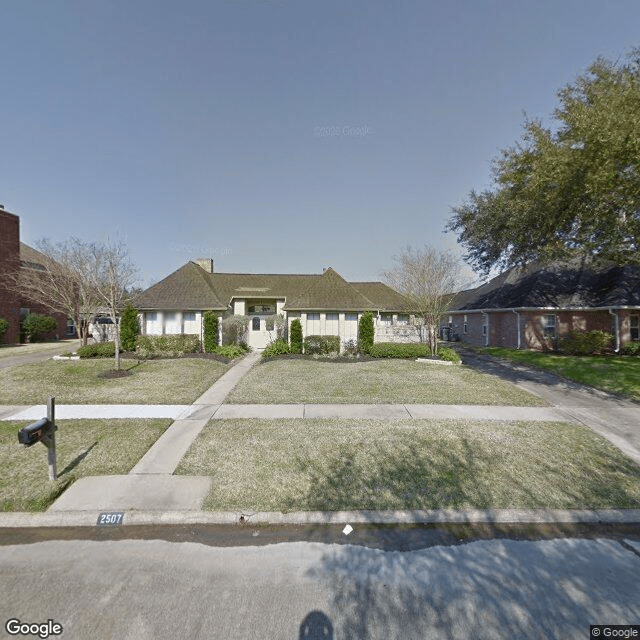
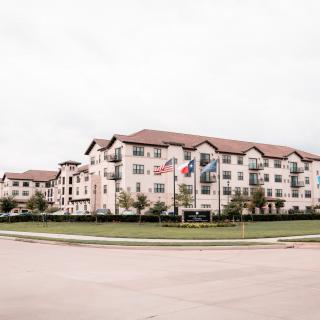
2507 Hodges Bend, Sugar Land, TX 77479
To contact a resident: (713) 816-6000
For more information about senior living options: (866) 208-4318
Overall Review of American Primary Homecare
Pros
 They had a good experience with them.
- They were always very friendly.
- They would recommend them.
Cons
 They do not have a physical office and operate from home.
Review
American Primary Homecare in Sugar Land is best suited for families seeking highly personalized, relationship-first caregiving delivered in a home-based setting. The strongest signal from the available experience is warmth and responsiveness, suggesting a provider who can build trust quickly and tailor care to individual needs. This model rewards families who value direct contact with a caregiver, flexible scheduling, and a low-friction, almost concierge feel rather than a centralized bureaucracy. In practice, the absence of a formal office is not a liability so much as a cue that care comes with a more intimate, one-on-one cadence. Those comfortable with that rhythm will likely find the arrangement meaningful and reliable for daily support.
Those who may want to consider alternatives are families that require a more traditional, office-based operation: structured intake, documented procedures, formal billing, and a visible organizational footprint. If a care team needs back-up coverage, guaranteed scheduling windows, or access to additional services with standardized protocols, a larger agency with a brick-and-mortar presence could be a better fit. For seniors with complex medical needs requiring coordinated case management across multiple professionals, the absence of an office might translate into perceived gaps in oversight. In short, this model works best when personal, flexible attention is the priority over formal administrative infrastructure.
Pros center on the human connection: the care team’s friendliness, responsiveness, and the provider’s demonstrated ability to deliver a positive experience. The lone testimonial notes a warm interaction and a willingness to recommend, signaling trust and reliability in daily caregiving. When caregivers operate from a home setting, communication tends to be more direct, questions are answered promptly, and adjustments to routine can be made quickly. For families overwhelmed by logistics, that simplicity, clear, approachable contact and a focus on everyday quality, can offset the lack of a formal office. Practically, this translates into lower friction when arranging tasks, visit times, and small, everyday caregiving requests.
Cons are limited in the available data but notable. The main drawback cited is the absence of an office, with operations conducted from home. That structure can raise questions about administrative transparency, scheduling reliability, and access to formal documentation or invoicing channels. For some families, this means a steeper learning curve to navigate billing, care plans, and emergency contacts. The upside is potential faster decisions and more personalized attention; the downside is potential ambiguity around accountability and business-scale support if care needs grow or change. Until more families share experiences, the con remains a legitimate caution rather than a deal-breaker.
Given the strength of personal rapport, the favorable experience described, and the likelihood of highly responsive service, the pros are meaningful offsets to the stated drawback. For families willing to assume some administrative flexibility, this provider can deliver consistently compassionate care without the rigid hierarchy of larger outfits. To mitigate the risk of a non-traditional structure, perform due diligence: request a meet-and-greet, ask for a clear care plan, verify any licensing or certifications, request references, and confirm communication channels and backup options. Define expectations around billing, scheduling, and emergency procedures in writing. With those guardrails, the home-based model can become a strength rather than a liability.
Bottom line: American Primary Homecare appears best for families who prioritize warmth, direct caregiver relationships, and a simple, responsive care rhythm in Sugar Land. It is not the first choice for households that require formal office presence, multi-provider coordination, or heavy administrative oversight. The single five-star anecdote signals a strong positive experience, but decision-makers should gather additional input and, if possible, arrange a trial period to validate fit. For others, exploring a more structured option may yield greater confidence in consistency and process. Either way, align the choice with the family’s tolerance for administrative nuance and the senior’s care complexity to avoid later friction.
 William P X (20 miles away)




 Seniors and Modern Transportation: Exploring Uber, Lyft, and Other Ride-Hailing Options
 Comprehensive Guide to Qualifying for Home Health Care Services
 Powerful Realities of Elder Abuse and the Most Effective Ways to Report It