
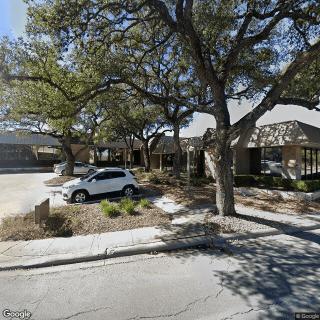
6718 Lazyridge Drive, San Antonio, TX 78229
For more information about senior living options: (866) 208-4318
Superlative Senior Care Costs & Pricing
Superlative Senior Care offers a range of accommodations at costs significantly higher than the local and state averages. For instance, the semi-private room is priced at $7,764 per month, which contrasts sharply with Bexar County's average of $3,488 and Texas's average of $3,680. Similarly, private rooms come in at $9,316 - again well above the county's average of $3,627 and the state's $4,096. Even studio apartments at Superlative are set at $10,093 compared to Bexar County's more modest rate of $3,708 and Texas's average of $3,758. These figures suggest that while Superlative Senior Care provides an enhanced level of service or amenities that justifies the premium pricing, potential clients should carefully consider their budget in relation to local options.
| Floor plans | Superlative Senior Care | Bexar County | Texas |
|---|---|---|---|
| Semi-Private | $7,764 | $3,488 | $3,680 |
| Private | $9,316 | $3,627 | $4,096 |
| Studio | $10,093 | $3,708 | $3,758 |
Assisted Living communities with a similar price nearby
-
from +$736 / mo

Havens Inn
$8,500 to $12,750 / month3.2 miles away
Overall Review of Superlative Senior Care
Pros
 Alternative Senior Care provides quality, individualized care tailored to each resident’s needs.
- Rachel and her caregivers are highly responsive and keep families informed.
- The facility is beautiful, spacious, and exceptionally clean, giving peace of mind.
- The staff are caring, competent, and attentive to residents and their medical needs.
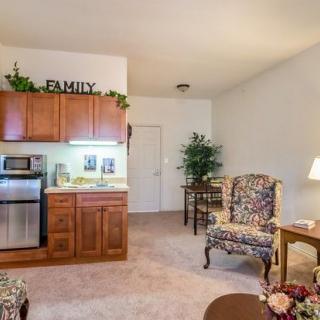
- The environment feels like a home rather than a hospital, with home-cooked meals and daily comforts.
- Flavius is a loving, compassionate caregiver who coordinates care with hospice and medical teams.
- The staff interact with residents throughout the day, ensuring engagement and dignity.
- Families feel safe and confident leaving their loved ones in ASC’s care.
- The facility is accessible for mobility-impaired residents, with extra-wide hallways and doorways.
- ASC is highly recommended by families and is often viewed as superior to other options.
Cons
 He was displeased with the care his dad was receiving and with the lack of communication from staff.
 - Toward the end of his life, his dad was being sent to the emergency room on an almost daily basis.
- Other facilities were short-staffed.
- She was often at odds with staff and other residents in larger facilities.
- They concluded that none of the other private homes could measure up to Alternative Senior Care.
Review
Superlative Senior Care is best suited for families seeking a warm, home-like setting where each resident receives highly personalized, hands-on attention. The model that emerges from these observations is ideal for elders who need help with daily activities, mobility, and medical management but do not require a large campus atmosphere. Cleanliness, dignity, and everyday courtesy stand out as core strengths: wide hallways and accessible doorways support wheelchair users, meals are home-style and thoughtfully prepared, and residents are treated with familiarity and respect. For families who value seeing staff interactions up close, and who want frequent, clear communication from leadership, this community delivers the reassurance that a private home can offer rather than a clinical rehab vibe.
That said, there are situations where families may want to consider alternatives. If a loved one requires a formal memory-care program with a defined unit and a broader calendar of specialized therapies, a larger facility with dedicated memory-care resources could be a better fit. Similarly, if 24/7 on-site registered nursing coverage, more extensive on-site medical services, or a wide network of visiting specialists is non-negotiable, a bigger campus might be preferable. Those with budget constraints or a desire for a very structured, regimented daily schedule across multiple living options may also find value elsewhere. The key is understanding that the strongest selling points here are intimacy, attentiveness, and clinical responsiveness within a small-scale operation.
The major strengths here offset the potential drawbacks by delivering a consistently high-touch care experience. Cleanliness and odor control are repeatedly cited, which matters deeply for comfort and dignity. The setting feels like home rather than a hospital, and the staff’s readiness to engage residents, knowing them by name, attending to individual dietary needs, and coordinating medications, creates a sense of security that large facilities often struggle to match. The ability to respond quickly to questions, to keep families informed, and to align with hospice or medical teams means care plans feel collaborative rather than fragmentary. When loved ones require not just supervision but day-to-day warmth and attentiveness, these advantages carry real weight.
Equally compelling is how care is executed at the resident level. The reviews highlight compassionate, patient-centered staff who go beyond routine tasks to monitor subtle changes and act on them promptly. The home-like dining experience, routine activities, and available common spaces support social engagement without sacrificing privacy or dignity. Observations about staff consistently providing respectful, individualized care, paired with a culture that values clear, ongoing communication with families, translate into fewer stressful surprises for caregivers. The result is a setting where dementia or end-of-life needs can be managed with empathy, predictability, and steady hands, rather than a slide into isolation or impersonal treatment.
From a clinical perspective, the facility demonstrates strong medication management, dietary control, and coordination with medical providers. Several stories describe how dietary adjustments and careful monitoring produced tangible health improvements, even bringing down an older resident’s A1C without compromising quality of life. The environment supports mobility and independence where possible, while still delivering hands-on assistance when needed. Importantly, the leadership and front-line staff appear adept at navigating transitions, whether moving a resident from hospital to home-like care or adapting routines to accommodate memory challenges. This combination of medical attentiveness and relational warmth represents a compelling model for seniors who prize continuity and dignity.
In the final assessment, Superlative Senior Care emerges as a robust choice for families prioritizing a homey, low-key atmosphere with exceptional daily care, open communication, and strong ties to healthcare partners. It is particularly well-suited for residents who are mobile enough to benefit from a comfortable, intimate setting, but who also require reliable assistance with medications, meals, and companionship. Prospective families should verify room availability and ongoing leadership stability, and should ask about any plans to broaden memory-care offerings or expand nursing coverage. For those who want a sanctuary where staff know the residents intimately, and where care feels as much about heart as about health, this community stands out as a practical, experienced recommendation.
 6 resident community capacity
 Assisted Living
 Board and Care Home
 Cable or satellite TV
 Dining room
 Fully furnished
 Garden
 Housekeeping services
 Move-in coordination
 Outdoor space
 Telephone
 Wi-Fi/high-speed internet available
 San Antonio International (7 miles away)
 24-hour supervision
 Activities of daily living assistance
 Assistance with bathing
 Assistance with dressing
 Assistance with transfers
 Diabetes diet
 Meal preparation and service
 Medication management
 Special dietary restrictions
 Transportation arrangement (medical)
 Transportation to doctors appointments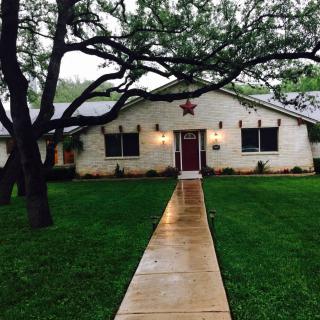






 8 Key Indicators That Suggest It May Be Time to Transition from Assisted Living to Skilled Nursing Care
 Vibrant Senior Living: A Comprehensive Guide for Active Older Adults
 When to Transition from Assisted Living to Memory Care: Key Indicators, Steps, and Finding the Right Community